

pets
Why I Never Gave My Small Dog Rawhide Chews: A Pet Parent’s Perspective
As a small dog owner, I learned the hard way why rawhide chews are risky — especially for aggressive chewers like my Jack Russell–Chihuahua mix, Luna. Here’s what I discovered and why we chose safer alternatives.

Last Updated on January 1, 2026 by Daily News Staff

Dog chew bone
Why I Never Gave Luna Rawhide Chews — A Small Dog Owner’s Story
When we brought home our tiny but mighty pup, Luna — a Jack Russell–Chihuahua mix — we knew she loved to chew. In the past, I had given rawhide chews to larger dogs in our family, but thanks to my wife’s research and my own digging into the facts, we never gave rawhide to Luna. And here’s why.
At first, rawhide chews seem harmless — they’re marketed as natural and long-lasting. But as I started reading more from trusted sources, it became clear rawhide treats can pose serious risks, especially for small dogs and aggressive chewers like Luna.

Luna smile for the camera – Image Credit: RW
Rawhide Isn’t Easy to Digest
Rawhide is made from animal hides that are chemically treated and dried. Dogs’ digestive systems simply aren’t equipped to break it down efficiently, which can lead to chunks getting stuck in the stomach or intestines. In some cases, these obstructions require emergency surgery. Veterinarians warn about choking and digestive blockages with rawhide chews. [oai_citation:0‡Veterinary Care at Your Fingertips](https://www.petscare.com/news/faq/do-vets-recommend-rawhide-for-dogs?utm_source=chatgpt.com)
Choking and Blockage Risks Are Very Real
As puppies chew rawhide, it softens and can break into large, protective chunks that are easy to swallow whole. These pieces can become lodged in a dog’s throat, leading to choking, or travel into the gut and create dangerous blockages. The American Kennel Club explains that strong chewers can break off large pieces that are especially risky for small breeds. [oai_citation:1‡American Kennel Club](https://www.akc.org/expert-advice/health/are-rawhide-chews-dangerous-for-dog/?utm_source=chatgpt.com)
Chemical Processing and Contamination Concerns
Rawhide is often treated with harsh chemicals like bleach or hydrogen peroxide during processing. These substances might not be fully removed and can irritate a dog’s stomach or cause other health problems. There’s also a documented risk of bacterial contamination with pathogens like Salmonella or E. coli. Research highlights these chemical and contamination concerns. [oai_citation:2‡Veterinary Care at Your Fingertips](https://www.petscare.com/news/post/why-rawhide-bad-dogs-dangers?utm_source=chatgpt.com)
What We Do Instead
Instead of rawhide, we give Luna safer, digestible chews like bully sticks and rubber chew toys. These alternatives satisfy her chewing instincts without the same level of risk. When choosing any chew, we always supervise her — especially because she’s such an aggressive chewer.
If you’re a small-dog owner like me, it’s worth reconsidering rawhide chews. With safer options available and documented risks associated with rawhide, I’m glad we made the switch for Luna before any issues arose.
Paddletek Group Launches: What the New Multi-Brand Merger Means for Performance Pickleball
Discover more from Daily News
Subscribe to get the latest posts sent to your email.


Raw Pet Food Recall Raises Health Concerns Nationwide—Here’s What Pet Owners Need to Know
A pet food recall tied to dangerous bacteria is raising concerns beyond the Northeast, highlighting growing risks associated with raw pet diets. The recall involves products from Raaw Energy, LLC, a New Jersey-based company, after testing revealed contamination with multiple harmful pathogens.
According to the U.S. Food and Drug Administration (FDA), affected products tested positive for Salmonella, Listeria monocytogenes, E. coli, and Campylobacter jejuni—all of which can cause serious illness in both pets and humans.
Why This Recall Matters Nationwide
Although the recalled products were primarily distributed across Northeastern states, this story has broader implications for pet owners across the United States, including here in Arizona.
Raw pet food diets have grown in popularity in recent years, often marketed as a more natural alternative to traditional kibble. However, veterinary experts and federal agencies have consistently warned that raw diets carry a higher risk of bacterial contamination.
This recall reinforces those concerns, especially as it involves multiple products and several types of harmful bacteria—suggesting potential issues with handling or production safety.
Health Risks for Pets and Humans
One of the most important takeaways from this recall is that it is not just about pet safety—it’s also a human health issue.
- Salmonella and E. coli can cause severe gastrointestinal illness
- Listeria can be especially dangerous for pregnant individuals, seniors, and those with weakened immune systems
- Campylobacter infections can lead to fever, cramping, and diarrhea
Humans can become infected by handling contaminated pet food, touching contaminated surfaces, or failing to properly wash hands after feeding pets.
Pets May Not Show Immediate Symptoms
Another concern is that pets infected with these bacteria may not show obvious symptoms right away. Even healthy-looking animals can carry and spread bacteria in the home, increasing the risk for owners and family members.
When symptoms do appear, they may include:
- Vomiting
- Diarrhea
- Lethargy
- Loss of appetite
Products Included in the Recall
The recall affects multiple raw pet food products, including chicken, beef, turkey, and salmon blends sold in 2-pound and 5-pound tubes with 2025 date codes.
The wide range of affected products suggests this is not an isolated batch issue, but a broader safety concern.
What Pet Owners Should Do Now
If you feed your pet raw food or have purchased products from Raaw Energy, take the following steps immediately:
- Check packaging and date codes carefully
- Do not feed any recalled products
- Wash hands thoroughly after handling pet food
- Sanitize pet bowls, utensils, and surfaces
- Contact your veterinarian if your pet shows symptoms
An Ongoing Investigation
The FDA has not yet assigned an official classification to this recall, meaning the overall risk level is still under evaluation. Additional updates or expanded recalls could follow as more information becomes available.
For now, experts say this serves as a reminder that while raw pet food diets may appeal to some owners, they come with real and sometimes overlooked risks.
The Bottom Line
This recall is more than a regional issue—it’s part of a growing national conversation about pet food safety. For pet owners, the priority is simple: stay informed, handle pet food safely, and act quickly when recalls are announced.
Discover more from Daily News
Subscribe to get the latest posts sent to your email.
pets
‘Pawty’ Tips for Celebrating Your Pets
People spent $147 billion on pets last year. Dog birthday parties are trending. Tips: spacious play areas, engaging activities, personalized details, insect control, themed snacks, and friendly guest lists.

Last Updated on March 11, 2026 by Daily News Staff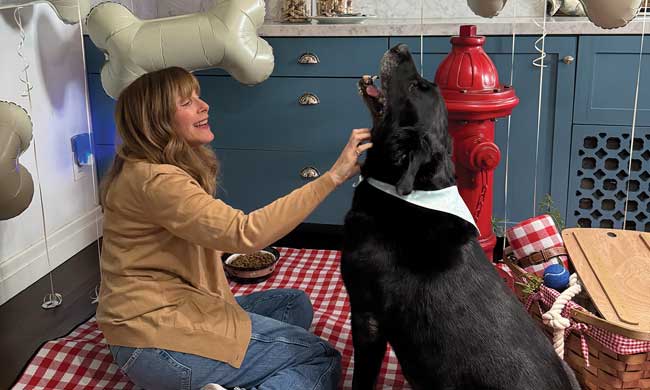
(Family Features) It’s no secret – people love their pets. Last year alone, people spent $147 billion on their pets, according to the American Pet Products Association, which included throwing what has turned into one of the hottest invites on social media these days: pet parties. There have been more than 1 million posts using #DogBirthday to show off these celebrations.
With dog birthday parties and adoptions being celebrated across the country, entertainment ideas can be borrowed from regular parties – but the special guests will need to be taken into account when planning a party designed for pooches.
Plan a pup party with these tips from Mindy Weiss, a best-selling author and event planner for notable celebrity clients.
Plan for a Place to Play
When hosting a dog party, make sure there is plenty of space for the pups to play, whether it’s a fenced yard or a large indoor area. The more room they have to zoom around, the happier (and safer) everyone will be.
Keep the dogs entertained with activities like a ball pit, kiddie pool or basket of tennis balls. If you’re feeling ambitious, hide treats around the yard for the dogs to find. It’s a great way to keep their tails wagging and their minds engaged while they have a blast.
Personalize Party Details
Subtle accents can elevate any party. Pick a theme that can come to life through the decor and details, such as a “retro dog disco,” where both the humans and dogs can dress up. Small touches like personalized dog tags or themed water bowls and dog treats can make any pet party a memorable event.
Avoid Party Crashers
When guests and dogs are moving indoors and out, alongside (often messy) food, flying insects will likely try to sneak their way in. That’s why no party is complete without this top pet party essential – the STEM Attracts and Traps Flying Insects Light Trap. It is people- and pet-friendly when used as directed, insecticide-free and uses a soft UV light to attract flying insects with a dual-sided, refillable cartridge to trap them. It can also be used throughout the home in kitchens, garages, around pet feeding stations and more.
Remember the Pup Parents
Don’t forget about the humans. While the dogs are the guests of honor, the humans might also enjoy a nibble. Consider staying on theme with mini hot dogs, bone-shaped pretzels or “pup pop” cake pops.
Bring on the Besties
Just like humans have best friends, dogs do too. Before sending out invites, make sure the guest list includes dogs that are friendly with your pup and play well with others. A little pre-party check can help ensure everyone has a good time.
Learn more at stemforbugs.com.
SOURCE:
STEM
Our Lifestyle section on STM Daily News is a hub of inspiration and practical information, offering a range of articles that touch on various aspects of daily life. From tips on family finances to guides for maintaining health and wellness, we strive to empower our readers with knowledge and resources to enhance their lifestyles. Whether you’re seeking outdoor activity ideas, fashion trends, or travel recommendations, our lifestyle section has got you covered. Visit us today at https://stmdailynews.com/category/lifestyle/ and embark on a journey of discovery and self-improvement.
Discover more from Daily News
Subscribe to get the latest posts sent to your email.
6 ways to keep your pets happy and healthy
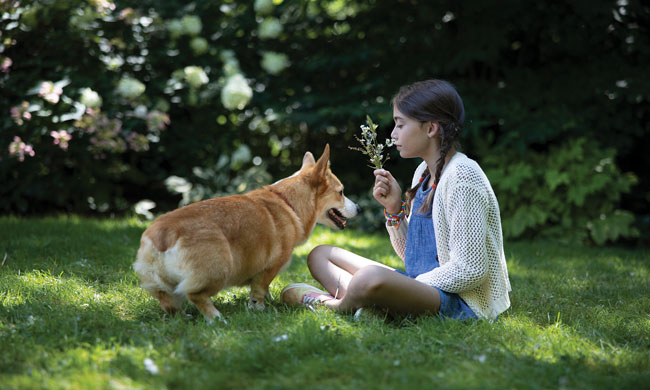
(Family Features) Warmer weather means it’s time to spring clean, get grooming and prepare your pets’ diets to support them through the season.
Keep your furry friends happy and healthy this spring with these six tips from the experts at Zesty Paws, an award-winning pet supplement brand:
Give Skin and Coats a Little TLC: Many pets form winter coats during the colder months to help them stay warm and comfortable then shed the coats in the spring to prepare for warmer temperatures. Some pets may need extra help maintaining their shiny, healthy coats, especially if mats have formed in their fur or if they are breeds that develop a thick undercoat. Professional grooming, at-home brushing and regular bathing can all be helpful ways to speed up the process to remove some of the extra fur and decrease the prevalence of dander, dust and pollen that can attach to fur and skin through the season.
Add Seasonal Allergy Support with Supplements: Just like humans, furry friends can develop and experience seasonal allergies, too. Giving your pets’ immune systems some extra support can help ease some common allergy symptoms. Supplements like Zesty Paws Aller-Immune Bites for Cats and Aller-Immune Bites for Dogs are chewables that provide seasonal allergy support by aiding normal immune functions, skin health and gut flora, and may also help maintain normal histamine levels.
Ease Back into Exercise: The change in weather means more time for outdoor adventures with your pets, but don’t forget to cool down and warm up as you and your pets ease back into the season. Planning for short, leashed walks and timed play sessions can help your pets gradually prepare their hips and joints for fun, warm weather activities.
Watch Out for Pet Pests: Once temperatures start to rise, the tiny, creepy critters start crawling. Fleas, ticks and other pests can cause serious health concerns for pets. This spring, make sure your pest control programs are primed and ready for added protection. Talk to your veterinarian about the best routine and products for your pets.
Freshen Up Bedding and Bowls: It’s important to keep a clean environment by scrubbing, sweeping and vacuuming regularly to decrease allergens in the home. When you’re tackling this year’s spring cleaning, remember to put your pets’ bedding and bowls on the list, too. Updating or disinfecting your pets’ blankets, litter boxes, toys and other supplies is a good way to keep them feeling safe and comfortable in the home.
Schedule an Annual Vet Visit: Spring is a good time to schedule your pets’ annual vet visits. Make sure they’re up to date on all vaccinations, get their dental health checkups and re-evaluate nutrition plans.
Find more advice for keeping your pet healthy and happy at zestypaws.com.
SOURCE:
Zesty Paws
Our Lifestyle section on STM Daily News is a hub of inspiration and practical information, offering a range of articles that touch on various aspects of daily life. From tips on family finances to guides for maintaining health and wellness, we strive to empower our readers with knowledge and resources to enhance their lifestyles. Whether you’re seeking outdoor activity ideas, fashion trends, or travel recommendations, our lifestyle section has got you covered. Visit us today at https://stmdailynews.com/category/lifestyle/ and embark on a journey of discovery and self-improvement.
STM Daily News is a vibrant news blog dedicated to sharing the brighter side of human experiences. Emphasizing positive, uplifting stories, the site focuses on delivering inspiring, informative, and well-researched content. With a commitment to accurate, fair, and responsible journalism, STM Daily News aims to foster a community of readers passionate about positive change and engaged in meaningful conversations. Join the movement and explore stories that celebrate the positive impacts shaping our world.
https://stmdailynews.com/category/stories-this-moment
Discover more from Daily News
Subscribe to get the latest posts sent to your email.





