

Connect with us

health and wellness

4 Tips to Maximize Nutritional Goals While On a GLP-1

GLP-1 medications for weight loss have gained popularity, with new research emphasizing the importance of nutrition and lifestyle. Prioritizing protein and fiber can combat common side effects like nausea and constipation, while staying hydrated and eating smaller meals enhances tolerance. Adopting these habits may improve weight loss results for GLP-1 users.

Published

on

17794 detail intro

(Feature Impact) The first GLP-1 (Glucagon-Like Peptide-1) medication was approved for weight loss use more than a decade ago with new more effective versions being approved by the FDA over the past few years. As the use of these medications continues to rise, new research highlights the important role nutrition and lifestyle habits can play in supporting muscle, metabolism and long-term weight loss when using the medication.

Whether you’re new to GLP‑1s or navigating the next phase of your journey, small nutrition shifts powered by protein, fiber and hydration can help you feel strong, confident and supported.

Common side effects experienced by GLP-1 users are often digestive and include nausea, constipation, stomach pain, bloating and more. A pilot clinical trial by Atkins suggests pairing GLP‑1 use with targeted macronutrients, especially protein and fiber, may support healthier body composition and a lower-carb diet with higher protein and fiber intake is well tolerated.

Feast On Fiber
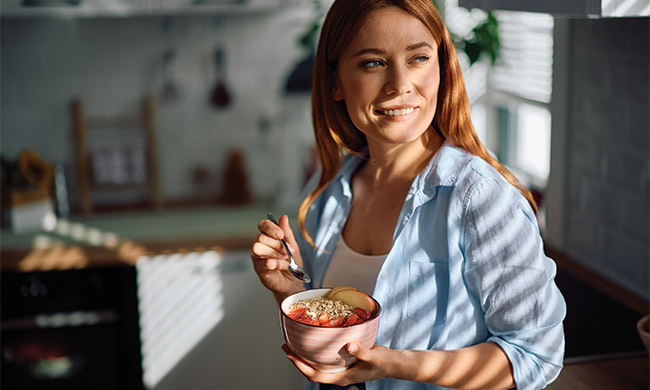
Digestive slow‑downs, including constipation, are among the most common GLP‑1 side effects. Prioritizing fiber not only helps food move comfortably through the body, it supports your gut health and steady energy. Many fibers are prebiotics, meaning they promote the growth of beneficial gut bacteria. Prioritize foods like apples, melon, berries, cruciferous vegetables and leafy greens to boost fiber intake.

Prioritize Protein
When your appetite changes, structure helps. Anchoring your day with reliable protein sources helps make nutrition easy. Prioritizing protein may help prevent lean muscle loss, and nutrient dense protein sources can help you get enough essential nutrients to support overall health. Supporting a protein- and fiber-rich diet can start with a solution like Atkins High Protein Shakes, which are packed with 30 grams of protein and 7 grams of prebiotic fiber and provide more than 20 essential vitamins and minerals.

Designed to be an ally for your nutritional goals, they’re gluten-free, low-glycemic and keto-friendly with 3 grams of net carbs and 1 gram of sugar per serving. Experts recommend making sure you’re consuming enough protein to help limit lean muscle loss when using a GLP-1 to lose weight.

Hydrate to Help Prevent Side Effects
GLP-1 users in particular are encouraged to prioritize fluids. Staying hydrated can help with both constipation and nausea, two common side effects. Drinking water helps support kidney and liver function, which are vital for weight loss and overall health. Adequate fluids help food move through your body, combat fatigue and replenish losses from potential nausea or constipation, preventing complications and improving tolerance to GLP-1s.

Eat Small, Frequent Meals
Large meals can feel uncomfortable when digestion slows. Instead, focus on smaller, more frequent eating moments that give your body a steady supply of nutrients without overwhelming your system.

For an easy, GLP‑1‑friendly option, try Atkins High Protein Bars, which are high in protein and fiber while minimizing net carbs. Available in flavors like Cookie Fusion, Chocolate Peanut Butter and Brownie Delight, they’re a satisfying way to stay fueled between meals and a simple solution when appetite cues are muted. The snacks are designed to take the guesswork out of choosing high‑protein, low‑carb options that support your goals.

Living well on a GLP‑1 is about support, confidence and clarity. Consuming adequate amounts of protein and fiber, staying hydrated and maintaining daily structure can help you feel energized and empowered every step of the way. By following nutritional guidelines and making mindful lifestyle choices, GLP-1 users can experience better outcomes on their weight loss journeys.

To explore products that prioritize protein and fiber that can be a part of anyone’s daily diet, visit Atkins.com.

Advertisement
Get More From A Face Cleanser And Spa-like Massage

Photo courtesy of Shutterstock

collect?v=1&tid=UA 482330 7&cid=1955551e 1975 5e52 0cdb 8516071094cd&sc=start&t=pageview&dl=http%3A%2F%2Ftrack.familyfeatures

SOURCE:
Atkins

Our Lifestyle section on STM Daily News is a hub of inspiration and practical information, offering a range of articles that touch on various aspects of daily life. From tips on family finances to guides for maintaining health and wellness, we strive to empower our readers with knowledge and resources to enhance their lifestyles. Whether you’re seeking outdoor activity ideas, fashion trends, or travel recommendations, our lifestyle section has got you covered. Visit us today at https://stmdailynews.com/category/lifestyle/ and embark on a journey of discovery and self-improvement.


Discover more from Daily News

Subscribe to get the latest posts sent to your email.

Continue Reading
Advertisement Winter Super Sale – Enjoy 25% Off Your Entire Purchase + Free Shipping. Use Code: BPWARM25
Click to comment

Leave a Reply

Your email address will not be published. Required fields are marked *

Child Health

A Parent’s Guide to Navigating Picky Eating with Confidence

For families with young children, mealtimes can often feel like negotiations or even battles. If that sounds familiar, you’re not alone. Picky eating is one of the most universal challenges families face. With the right strategies, parents can reduce stress, build healthier habits and help children become more confident, curious eaters.

Published

on

For families with young children, mealtimes can often feel like negotiations or even battles. If that sounds familiar, you’re not alone. Picky eating is one of the most universal challenges families face. With the right strategies, parents can reduce stress, build healthier habits and help children become more confident, curious eaters.

(Feature Impact)For families with young children, mealtimes can often feel like negotiations or even battles. If that sounds familiar, you’re not alone. Picky eating is one of the most universal challenges families face.

With the right strategies, parents can reduce stress, build healthier habits and help children become more confident, curious eaters. Dr. Lauren Loquasto, senior vice president and chief academic officer at The Goddard School, and registered dietitian Ali Bandier, founder of Senta Health and member of the Expert Council at Little Spoon, share these insights and guidance to help parents navigate picky eating.

Why Young Children are Picky Eaters

Picky eating isn’t just common; it’s an expected part of early childhood development. In fact, it would be more surprising if children didn’t experience a picky eating phase.

Picky eating is a natural expression of independence. As children enter toddlerhood, they discover they can assert control, and food becomes a typical place to do it. They can’t decide whether to go to school or take a bath, but they can decide whether to take a bite of broccoli.

Avoid the Power Struggle

The key for parents: stay calm, consistent and neutral. Pressuring children only makes picky eating worse.

Telling your child they must try one bite, celebrating excessively when they do eat a vegetable or resorting to negotiation (“three more bites then dessert”) can actually reduce their desire to eat. It also creates a dynamic that only reinforces the power struggle.

Instead, recognize the division of responsibility when it comes to eating. Parents decide what food is served, when it’s served and where meals happen. Children decide whether to eat and how much to eat. As a parent, you can’t force your child to eat; recognizing this is critical to reducing the mealtime tug‑of‑war and creating a calmer, more predictable environment for the entire family.

Exposure, Not Pressure

17850 B detail embed2

Young children often need repeated, low‑pressure exposure to a new food before trying it. Offering broccoli once likely isn’t enough. It’s important to offer it repeatedly, without commentary, bribing or coaxing.

Trying new foods is more than just ingesting them. Touching and smelling are steps toward tasting and acceptance. Involving children in food preparation – washing vegetables, stirring batter, mixing ingredients – lets them gain familiarity without the pressure of having to eat. Inclusion in this process increases curiosity and that curiosity is often followed by a willingness, or even desire, to try the food.

It’s also important for parents to model desired eating habits. If you want your child to try salmon but you’re eating pizza, they’re unlikely to want to eat the salmon. Daily family mealtimes – often dinner in busy households – where you’re modeling manners and eating the food you want your child to eat is key.

The Importance of Routines

For young children, routines provide structure, predictability and comfort. A consistent meal and snack schedule helps children learn what to expect and can reduce not only their anxiety around mealtimes, but parental anxiety, too.

Notably, there is no right or wrong schedule; every family needs to figure out what works best for their circumstances. What matters is setting a schedule and maintaining consistency. For example, if you provide a snack between breakfast and lunch, do it every day, not just a few days a week. This helps children know what to expect and feel comfortable.

Advertisement
Get More From A Face Cleanser And Spa-like Massage

Schedules also help parents resist “secondhand cooking.” When a child refuses the meal offered, parents often scramble to make alternatives, but this teaches the child if they hold out long enough, a preferred food will arrive. Instead, calmly remind your child when the next snack or meal will be: “OK, you don’t want to have the yogurt and fruit. That’s fine, but I’m not going to make something else. Snack time is in two hours.” This builds trust and reduces anxiety for everyone.

With patience, low-pressure exposure and consistent routines, most picky eaters gradually broaden their palates and mealtimes become more enjoyable for the whole family. For more parenting guidance, including the Parenting with Goddard blog and webinar series, visit the Parent Resource Center at GoddardSchool.com.

Photos courtesy of Shutterstock


collect?v=1&tid=UA 482330 7&cid=1955551e 1975 5e52 0cdb 8516071094cd&sc=start&t=pageview&dl=http%3A%2F%2Ftrack.familyfeatures
track

SOURCE:

The Goddard School

At our core, we at STM Daily News, strive to keep you informed and inspired with the freshest content on all things food and beverage. From mouthwatering recipes to intriguing articles, we’re here to satisfy your appetite for culinary knowledge.

Visit our Food & Drink section to get the latest on Foodie News and recipes, offering a delightful blend of culinary inspiration and gastronomic trends to elevate your dining experience. https://stmdailynews.com/food-and-drink/

Author

HUNGRY FOR MORE?

Discover a feast for your senses with our Food & Drink Blog, a tantalizing part of STM Daily News. Get the latest articles, recipes, and foodie news delivered straight to your inbox. Satisfaction guaranteed!

SIGN UP TO RECEIVE THE LATEST RECIPES & FOODIE NEWS, PLUS SOME EXCLUSIVE GOODIES!

We don’t spam! Read our privacy policy for more info.

Food and Drink
Advertisement
Get More From A Face Cleanser And Spa-like Massage

Discover more from Daily News

Subscribe to get the latest posts sent to your email.

Continue Reading

Lifestyle

Understanding Cardiovascular Disease Risk Factors: Numbers to Know in 2026

The American Heart Association’s 2026 update reveals a decrease in deaths from heart disease and stroke, despite rising rates of high blood pressure, diabetes, and obesity. Following their Life’s Essential 8 guidelines can prevent 40% of cardiovascular deaths, emphasizing the importance of healthier lifestyles for improved heart health.

Published

on

Last Updated on March 4, 2026 by Daily News Staff

Understanding Cardiovascular Disease Risk Factors: Numbers to Know in 2026

Understanding Cardiovascular Disease Risk Factors: Numbers to Know in 2026

(Family Features) Taking care of your heart with healthy behaviors may be at the top of your wellness priority list already, and there may be good news about the effects of adhering to expert recommendations.

New information from the American Heart Association’s 2026 Heart Disease & Stroke Statistics Update shows deaths from heart disease and stroke are on the decline. However, rates continue to climb for high blood pressure, diabetes and obesity – all of which are health risk factors that contribute to cardiovascular disease.

Following expert guidance can be your prescription for better health as 80% of heart disease and stroke is preventable.

To help maintain and improve your cardiovascular health, consider following the American Heart Association’s Life’s Essential 8, which is a set of four health behaviors (eat better, be more active, quit tobacco and get healthy sleep) and four health factors (manage weight, control cholesterol, manage blood sugar and manage blood pressure).

In the United States, optimal Life’s Essential 8 scores could prevent up to 40% of annual all-cause and cardiovascular disease deaths among adults.

Consider these highlights from the statistics update:

  • Heart disease remains the leading cause of death in the U.S. and stroke is the No. 4 leading cause of death.
  • Together, heart disease and stroke accounted for more than a quarter of all deaths in the U.S. in 2023.
  • Cardiovascular diseases, including all types of heart disease and stroke, claim more lives in the U.S. each year than all forms of cancer and accidental deaths — the Nos. 2 and 3 causes of death – combined.
  • On average, every 34 seconds, someone died of cardiovascular disease in 2023.
  • On average, about two people died of heart disease every 3 minutes in the U.S. in 2023.
  • On average in 2023, someone died of stroke every 3 minutes, 14 seconds in the U.S.
  • Nearly half of U.S. adults now have high blood pressure.
  • Nearly 29.5 million U.S. adults have diagnosed diabetes.
  • About 50% of U.S. adults have obesity or severe obesity, and 28.1% of youth ages 2-19 have obesity.
  • Only 1 in 4 U.S. adults meets national physical activity guidelines. Only 1 in 5 U.S. youths ages 6-17 are physically active for 60 minutes or more every day of the week.

To learn more about how to reduce your risk of cardiovascular disease, visit heart.org.

Photo courtesy of Shutterstock

collect?v=1&tid=UA 482330 7&cid=1955551e 1975 5e52 0cdb 8516071094cd&sc=start&t=pageview&dl=http%3A%2F%2Ftrack.familyfeatures
SOURCE:

American Heart Association


Discover more from Daily News

Subscribe to get the latest posts sent to your email.

Continue Reading

Child Health

Why Simple Daily Habits Matter More Than Big Health Resolutions

Published

on

Why Simple Daily Habits Matter More Than Big Health Resolutions

(Feature Impact) Most people don’t set out to ignore their health. It usually slips down the list somewhere between the morning alarm and the last email of the day. Breakfast gets rushed or skipped. Exercise is postponed until tomorrow. Sleep is cut short to catch up on everything else. By the end of the week, healthy intentions are still there, but the follow-through feels harder than expected.

For many, the challenge is not motivation but finding habits that fit into real life. Small, repeatable choices around sleep, exercise, nutrition, mental well-being and social connection can support how the body and mind function over time.

Sleep Well

Sleep is essential for physical recovery, mental focus and emotional balance, but it’s often the first habit to slip when schedules get busy.

Establishing a regular bedtime routine helps signal when it’s time to rest. Limiting screen exposure in the evening, keeping sleep and wake times consistent and creating a dark, quiet sleep environment can support more restorative sleep. Over time, better sleep contributes to improved mood, focus and overall heart health.

17792 B detail embed2

Exercise in Manageable Ways

Exercise often falls into the same trap as sleep. When schedules get full, it becomes something to get back to rather than something that fits into the day as it unfolds. A missed workout can quickly turn into a missed week, even for people who value staying active.

Regular movement supports heart health, muscle strength and overall energy, but it doesn’t need to be all-or-nothing. Short periods of activity spread throughout the day can still make a difference, especially when long stretches of sitting are the default.

Walking between meetings, stretching in the morning or adding light strength exercises at home are simple ways to stay active without blocking out extra time.

Eat Nutritiously

Food decisions often happen on autopilot as meals are squeezed into busy schedules and long days, making nutrition one of the most influential daily habits.

Meals do more than provide fuel. When built around nutrient-rich foods, they support muscle health, brain health and heart health. An overall healthy eating pattern includes a variety of whole foods like fruits, vegetables, whole grains and lean proteins, helping the body keep up with everyday demands.

Protein plays an important role in maintaining muscle and supporting daily movement, especially as people age. High-quality protein from foods, along with a balanced diet and regular exercise, can help support all the muscles in the body. Choosing protein sources that are easy to prepare and repeat supports consistency when schedules are full.

As part of a balanced approach to healthy habits, nutrition guidance from the American Heart Association’s Healthy for Good initiative, nationally sponsored by the Egg Nutrition Center, highlights how everyday food choices can support the body and brain over time. Eggs are an example of a high-quality protein and they fit easily into meals throughout the day.

Eggs also deliver choline, a nutrient many Americans don’t get enough of. Choline is a critical nutrient, among others, for supporting brain development, memory and mood. Along with protein, choline helps support brain health, making it an important consideration across life stages.

Advertisement
Get More From A Face Cleanser And Spa-like Massage

According to the American Heart Association, healthy people can include one egg daily, up to seven eggs per week, as part of a heart-healthy diet. For healthy older adults with normal cholesterol, two eggs per day can be included as part of a heart-healthy dietary pattern.

Mind Your Mental Well-Being

The way people eat, sleep and move does not just affect the body. It also shapes how the brain responds to stress and daily demands. When routines feel rushed or inconsistent, mental well-being is often one of the first areas to feel the strain.

Ongoing stress can interfere with focus, sleep and eating habits, making it harder to maintain healthy routines. Simple practices like deep breathing, mindfulness or stepping away from screens for a few minutes can help reduce tension and restore attention.

Making time for rest and reflection, and setting realistic expectations, can also support emotional balance. What supports the brain often supports the heart as well, reinforcing the value of caring for mental and physical health together.

Socialize and Stay Connected

Mental well-being is shaped by both daily routines and relationships. When life feels busy or stressful, social connection is often the first thing to get pushed aside, even though it plays an important role in emotional health.

Staying connected doesn’t require packed calendars or constant interaction. Shared meals, short conversations or a quick check-in with a friend or family member can help maintain a sense of connection.

Build Habits That Fit Real Life

Healthy routines are more likely to last when they fit into the rhythm of everyday life rather than compete with it. Big changes can feel motivating at first, but it is often the small, repeatable choices that quietly shape how people feel over time.

Choosing foods that are easy to prepare, finding enjoyable ways to exercise and protecting time for sleep can make healthy habits feel more realistic. When routines are built around what is already happening during a typical day, they are easier to return to even when schedules get busy.

For more information and educational resources on nutrition and healthy living, visit Heart.org.

Photos courtesy of Shutterstock

Advertisement
Get More From A Face Cleanser And Spa-like Massage
 

collect?v=1&tid=UA 482330 7&cid=1955551e 1975 5e52 0cdb 8516071094cd&sc=start&t=pageview&dl=http%3A%2F%2Ftrack.familyfeatures
track

SOURCE:

American Heart Association

Our Lifestyle section on STM Daily News is a hub of inspiration and practical information, offering a range of articles that touch on various aspects of daily life. From tips on family finances to guides for maintaining health and wellness, we strive to empower our readers with knowledge and resources to enhance their lifestyles. Whether you’re seeking outdoor activity ideas, fashion trends, or travel recommendations, our lifestyle section has got you covered. Visit us today at https://stmdailynews.com/category/lifestyle/ and embark on a journey of discovery and self-improvement.


Discover more from Daily News

Subscribe to get the latest posts sent to your email.

Continue Reading

Trending


