

Business and Finance
6 Ways to Turn Everyday Items into Extra Cash
Selling everyday items online provides an easy way to earn extra cash while supporting sustainability, with companies simplifying resale processes and ensuring better returns.

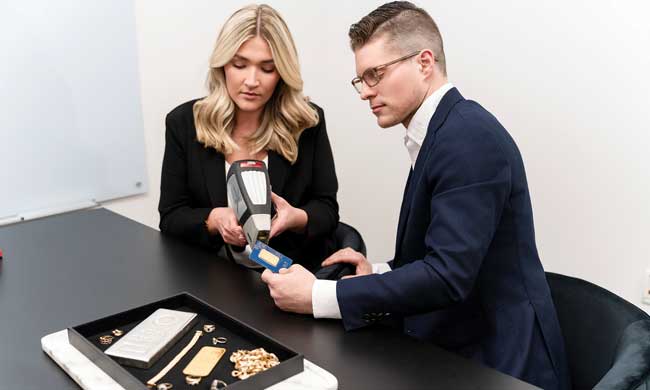
(Family Features) Making money from everyday items in your home may be easier than you think. With a growing number of companies simplifying the process, turning unused items into cash has never been simpler.
Making Cash
These companies are part of the circular economy, where you get to make money from your items and feel good about it at the same time. By reselling items you don’t use, you can give these items a second home or repurpose them into something that has practical applications.
For example, unused gold and precious metal jewelry can be given a second home to or repurposed for vital technology sectors like health care. This reduces the need for environmentally taxing mining operations and gives these valuable resources a second purpose.
Whether it’s clothing, jewelry or tech, consider these simple ways to make extra cash by selling items online.
Sell Used Clothing
Some newer platforms offer a less hands-on approach to selling used clothing online. Unlike popular online platforms that require you to take pictures or create listings for your items, look for outlets that allow you to simply package your items and send them out with an insured label. This makes selling clothing online a breeze and reduces the potential headaches of dealing with buyers directly and managing listings.
Sell Unworn Jewelry
For precious metals like gold jewelry or silver jewelry, selling directly to a trusted buyer can provide a fast, secure way to unlock their value. Consider TheAlloyMarket.com, a company featured in trusted outlets like Forbes, NBC and US News & World Report that offers a streamlined process with free, insured shipping and no hidden fees or commissions. Unlike platforms that require complex listings or charge extra fees, you keep 100% of the quoted price. On average, customers earn $1,700 or more for gold jewelry and other precious metal items, offering a straightforward, easy and rewarding way to sell unused valuables.
Sell Designer Bags
If you have any designer bags at home, look for platforms that let you sell handbags directly to them and provide upfront estimates before you ship your items. Some platforms provide free insured shipping and marketplaces where you can buy designer handbags at discounted prices.
Sell Books You’ve Already Read
While this likely won’t make you a fortune, selling used books is a simple way to make some extra cash and help preserve the environment. College students in particular can benefit from upfront estimates and free shipping or the ability to trade in used books for ones they’ll need next semester. Plus, some platforms also offer books for purchase at heavily discounted prices.
Sell Tech After Upgrading
If you upgraded phones recently or have a used phone just collecting dust, get an upfront estimate for your phone from a trusted site. Some buyers provide free shipping and, with upfront estimates, you know exactly what you will get for your used phone before sending it in.
Sell Old Furniture
Turn your unused furniture into cash by listing items like sofas, tables or chairs on local marketplaces or apps. Clear photos and detailed descriptions can help attract buyers nearby, saving you the hassle of shipping. Selling old furniture not only earns extra money but also helps reduce waste by giving items a second life.
To learn more about how you can get a free, no-obligation estimate for gold jewelry or other precious metal items, visit TheAlloyMarket.com.
SOURCE:
Alloy Market
STM Daily News is a vibrant news blog dedicated to sharing the brighter side of human experiences. Emphasizing positive, uplifting stories, the site focuses on delivering inspiring, informative, and well-researched content. With a commitment to accurate, fair, and responsible journalism, STM Daily News aims to foster a community of readers passionate about positive change and engaged in meaningful conversations. Join the movement and explore stories that celebrate the positive impacts shaping our world.


Community
McDonald’s First Job Confessional Turns Career Stories Into Free Meal Opportunity
McDonald’s is launching First Job Confessional, a campaign inviting fans to share first job stories for a chance to receive a $15 gift card in select cities.


First Job Confessional
McDonald’s is putting first jobs in the spotlight with a new campaign that asks fans to share the real-world skills they gained early in their working lives. Launched on National Employee Appreciation Day, the brand’s First Job Confessional invites people to reflect on how those first roles helped shape their careers — and, in some cases, earn a free meal in the process.
The campaign is built around a simple idea: first jobs often teach lasting skills that deserve more recognition. Whether someone learned problem-solving while babysitting, communication during a lunch rush, or teamwork behind a counter, McDonald’s is framing those experiences as valuable career foundations. The company says those are the same kinds of skills employers continue to prioritize as workplace demands evolve.

How the First Job Confessional Works
In select cities, McDonald’s is setting up confessional booths designed to look like ordering kiosks. But instead of placing a meal order, participants can record a story about their first job and the skills they picked up along the way. Those who take part in person will have the opportunity to receive a $15 McDonald’s gift card, while supplies last.
Fans who cannot attend in person can still join online by posting their stories using #FirstJobConfessional. McDonald’s says selected videos may also be featured on its YouTube channel, extending the campaign beyond the live events.
External Related Links
- McDonald’s corporate article: McDonald’s is Asking Fans to Get Real About Their First Job Skills in Exchange for Free Meals
- McDonald’s 1 in 8: First Job Confessional
- McDonald’s 1 in 8 home page
- Marketing Dive coverage of the campaign
- Parade coverage of the First Job Confessional tour
Source Links
- Original PRNewswire press release from McDonald’s USA, LLC
- McDonald’s official corporate story
- McDonald’s 1 in 8 First Job Confessional page
- McDonald’s 1 in 8 official website
The Bridge is a section of the STM Daily News Blog meant for diversity, offering real news stories about bona fide community efforts to perpetuate a greater good. The purpose of The Bridge is to connect the divides that separate us, fostering understanding and empathy among different groups. By highlighting positive initiatives and inspirational actions, The Bridge aims to create a sense of unity and shared purpose. This section brings to light stories of individuals and organizations working tirelessly to promote inclusivity, equality, and mutual respect. Through these narratives, readers are encouraged to appreciate the richness of diverse perspectives and to participate actively in building stronger, more cohesive communities.
https://stmdailynews.com/the-bridge
Lifestyle
Why the First Year Behind the Wheel is the Most Dangerous: Data Shows Teen Drivers 3 Times More Likely to be in Fatal Crash
Teen drivers are significantly at risk of fatal crashes, with those aged 16-19 being nearly three times more likely to be involved in accidents than older drivers. The first year of driving presents heightened dangers, but with proper preparation, including coaching, technology, and smart insurance, families can mitigate these risks and promote safety.

Why the First Year Behind the Wheel is the Most Dangerous: Data Shows Teen Drivers 3 Times More Likely to be in Fatal Crash
(Feature Impact) The driver’s license photo may be slightly awkward, but the milestone is unforgettable. For families, a newly licensed teen means independence, busy schedules and a new set of responsibilities.
Motor vehicle crashes remain one of the leading causes of death for U.S. teens, according to the Centers for Disease Control and Prevention (CDC). Data from the National Highway Traffic Safety Administration shows drivers ages 16-19 are nearly three times more likely to be involved in a fatal crash than drivers 20 and older, per mile driven.
The statistics are serious, but they’re also manageable.
“With the right preparation, teen driving doesn’t have to feel overwhelming,” said Susan Irace, manager, divisional claims at Mercury Insurance. “Experience is what young drivers are building. Parents can help shorten that learning curve with structure, technology and smart coverage decisions.”
Why the First Year Matters
Federal safety data shows crash risk is highest in a teen’s first year of independent driving. Night driving, teen passengers and distracted driving increase that risk – while seat belts, graduated licensing laws and supervised practice significantly reduce it.
In 2023, more than 2,800 teens ages 13-19 were killed in motor vehicle crashes nationwide, according to the CDC. However, teen crash rates have declined over time thanks to safer vehicles, graduated driver licensing programs and greater awareness of distracted driving.
Ways to Reduce Teen Driving Risk

The experts at Mercury Insurance encourage families to focus on preparation rather than panic.
1. Coach Early and Often
- Log supervised driving time in different conditions – highways, rain, nighttime
- Create a simple written driving agreement outlining expectations
- Limit teen passengers during the first year
- Make seatbelts non-negotiable
2. Let Technology Help
- Choose vehicles with safety features like automatic emergency braking and blind-spot monitoring
- Use telematics or safe-driving feedback tools to reinforce good habits
- Activate smartphone “Do Not Disturb While Driving” settings
3. Review Insurance Before the Keys Change Hands
- Add teens to your insurance policy promptly
- Revisit liability limits to protect family assets
- Ask about good student and driver training discounts
“Insurance is about preparation, not fear,” Irace said. “When families combine active coaching with the right coverage, they’re setting their teen up for safer miles ahead.”
Preparation Turns Risks into Confidence
The first solo drive is a milestone, but preparation determines what comes next. By pairing common-sense coaching with today’s vehicle safety technology and thoughtful insurance planning, families can support independence while managing risk responsibly.
For more teen driver safety tips and coverage guidance, visit MercuryInsurance.com/resources.
Photos courtesy of Shutterstock

SOURCE:
Our Lifestyle section on STM Daily News is a hub of inspiration and practical information, offering a range of articles that touch on various aspects of daily life. From tips on family finances to guides for maintaining health and wellness, we strive to empower our readers with knowledge and resources to enhance their lifestyles. Whether you’re seeking outdoor activity ideas, fashion trends, or travel recommendations, our lifestyle section has got you covered. Visit us today at https://stmdailynews.com/category/lifestyle/ and embark on a journey of discovery and self-improvement.
Author

Community
Arizona Scholarships 2026: $1,500 Awards + Free ACF Virtual Workshops
Arizona scholarships 2026: Arizona scholarships are open through ACF: one application for 160+ awards, plus ARAC’s $1,500 Ashby-Herring scholarships due April 6, 2026.

Last Updated on March 11, 2026 by Daily News Staff
Arizona Scholarships 2026: $1,500 Awards + Free ACF Virtual Workshops
Scholarship season moves fast, and for a lot of Arizona families, the hardest part isn’t writing the essay or gathering transcripts—it’s simply finding the right opportunities in time.
The Archer Ragsdale Arizona Chapter (ARAC), Tuskegee Airmen, Inc. is encouraging students and the community to take advantage of scholarship resources through the Arizona Community Foundation (ACF), including an easy online application that can match applicants with 160+ scholarships—plus virtual workshops where students can get help directly from ACF’s scholarship team.
Whether you’re a high school senior, a current college student, or an adult re-entry student, ACF’s scholarship portal is designed to meet people where they are.
The Big Picture: One Application, 160+ Scholarships
According to the flyer, ACF awarded $6.3 million in scholarships last year, with over 160 scholarships available through a single, easy application.
- Application opens: January 1
- Most deadlines: March and April
- Where to start: https://azfoundation.org/scholarships
- ACF scholarship email: scholarship@azfoundation.org
What to watch for: Even if a student is only targeting one scholarship, completing the ACF application can surface additional matches they didn’t know existed.
ARAC Tuskegee Airmen Scholarship: Ashby-Herring Scholarships ($1,500) — Deadline April 6, 2026
ARAC (Tuskegee Airmen, Inc.) awards two or more scholarships to deserving Arizona students who are college-bound. The flyer highlights the Ashby-Herring scholarships, named in honor of late founding ARAC members who were original Tuskegee Airmen.
Award: Two Ashby-Herring scholarships (each $1,500)
Deadline:April 6, 2026
Apply here:https://www.azfoundation.org/archer-ragsdale
Eligibility:
- Graduating high school senior from Arizona
- Attending a 2-year or 4-year college/university
- African-American
- 3.0 GPA or higher
- Demonstrated financial need
Free Virtual Workshops (Zoom): Get Help With Your Application
If you’ve ever watched a student stall out halfway through an application, these workshops are a smart fix: they’re designed so applicants can work on their scholarship application with support from ACF’s scholarship team.
Workshop dates (Zoom):
- February 12, 2026 — 4:00 to 5:00 p.m.
- March 5, 2026 — 4:00 to 5:00 p.m.
- March 26 — 4:00 to 5:00 p.m. (date listed on flyer; confirm year when registering)
Register here:https://acf.cventevents.com/acfscholarships2026
View the flyer here: https://stmdailynews.com/wp-content/uploads/2026/03/Deadline-updated-12.29.2025-Archer-Ragsdale-Flyer-FINAL.pdf
Download Flyer (PDF)
What to watch for: Register for the dates you can attend and come prepared with what you already have (basic info, activities list, questions). One hour of guided progress can save days of procrastination.
Why This Matters (and Why Sharing Helps)
The Tuskegee Airmen legacy is rooted in excellence, discipline, and breaking barriers—and scholarships tied to that legacy are meant to elevate futures for the next generation.
If you’re a parent, teacher, coach, mentor, or neighbor, consider this your nudge: forward the link, post it in a group chat, or share it with a student who might qualify. Deadlines hit quickly, and the easiest scholarship to win is often the one you actually apply for.
View the press release: https://stmdailynews.com/wp-content/uploads/2026/03/FOR-IMMEDIATE-RELEASE.pdf
Related Links:
- https://azfoundation.org/scholarships
- https://acf.cventevents.com/acfscholarships2026
- https://www.azfoundation.org/archer-ragsdale
College Life
College isn’t just classes and credits — it’s learning how to manage your time, money, health, and relationships while you build a future that actually fits. In our College Life coverage, STM Daily News shares practical, real-world guides for students and families: campus living tips, study and productivity habits, career prep, budgeting basics, mental wellness check-ins, and smart ways to make the most of college in Arizona and beyond.
Expect quick reads, useful takeaways, and “what to do next” advice — whether you’re a first-year student, a transfer, or heading back to school.





