

pets
Vaccine hesitancy among pet owners is growing – a public health expert explains why that matters
Vaccine hesitancy among pet owners is rising, with 22% of dog owners and 26% of cat owners expressing concerns, impacting public health and vaccination rates for pets.


Simon F. Haeder, Texas A&M University
When most people think about vaccines, they typically think about humans: Experts warn that when large numbers of people are unvaccinated, it can lead to severe consequences, including disease outbreaks and higher rates of illness and death, particularly among the most vulnerable. The economic costs to society can also be substantial.
However, vaccines also provide important protections for our nonhuman companions, including the most common pets: dogs and cats.
Yet, as my research published in 2024 in the American Journal of Veterinary Research and the journal Vaccine indicates, vaccine hesitancy is beginning to spill over into some people’s decisions about whether to vaccinate their pets.
Vaccines and pets
A large body of research has confirmed that U.S. Food and Drug Administration-approved vaccines are safe for most people. Yet vaccines have never been universally accepted, dating back to the first inoculations against smallpox. Vaccine hesitancy, or concerns over getting vaccinated, has only intensified in the wake of the COVID-19 pandemic.
Growing concerns about vaccines have important implications that go well beyond the individual making decisions about whether or not to get vaccinated.
Vaccines generally work through two important pathways. First, for the vaccinated individual, they provide direct protection by reducing the risk of contracting a disease; they also reduce the severity of a disease.
Vaccines also provide an indirect form of protection for society at large through a process commonly known as “herd immunity.” This occurs when a high percentage of people in a community have developed immunity, ensuring that future outbreaks affect fewer individuals and are quickly contained.
Humans, of course, are not the only species that benefits from the direct and indirect protections of vaccines. However, so far, very little research has examined vaccination in nonhumans.
My recent work specifically sought to extend scientific knowledge about dog and cat owners by using large, national surveys. Many of the findings were positive: The vast majority of cats and dogs have received core vaccines, which provide protection against rabies and other dangerous diseases. Core vaccines are those vaccines that are recommended for all dogs and cats.
Moreover, three-quarters of pet owners trust their veterinarian when it comes to vaccines. And even higher percentages felt confident discussing vaccine-related concerns with their veterinarian. They also understand that many vaccine-preventable pet diseases can be severe.
Pet owners also wanted their neighbors to vaccinate their pets: Most dog and cat owners, more than 80%, supported vaccination requirements for various core and noncore vaccines.
Yet, other findings raise concerns. Most prominently, my study, published in late 2024, identified 22% of dog owners and 26% of cat owners as vaccine hesitant regarding their pets. And although most pets were vaccinated against common diseases, a minority were not. This includes about 4% of dogs and 12% of cats that remained unvaccinated against rabies. For other diseases like parvovirus and distemper, vaccination rates were even lower. The study confirmed similar findings from my earlier 2023 study.
In the same 2024 study, many of the concerns raised by pet owners mirror those of humans: More than half of pet owners question the effectiveness of vaccines.
A similar percentage was concerned about vaccine safety and side effects. Many believed it was better for pets to contract a disease to get immunity than to get vaccinated. About 60% of pet owners thought that pets receive too many vaccines. Strikingly, nearly all pet owners preferred fewer vaccines to be administered to their pets at a time.
Going forward
When people choose to not vaccinate their pets, it can have important implications for society.
The most immediate impact will be on pet owners. Unvaccinated pets face a higher risk of illness and death from preventable diseases; although vaccines are not completely effective, and in some cases even vaccinated pets may be affected. This may impose substantial financial and emotional costs on their owners.
Veterinarians will also be affected. They may encounter pets with diseases they may not expect to see or have had limited exposure to in the past. The same holds for other professions dealing with pets, including groomers, boarders and walkers.
There are also broader implications for public health: Encounters with rabies, in particular, may become more common. Humans may be directly affected if they are bitten by an infected pet. Pets also come into contact with wildlife, increasing the potential for the further spread of rabies.
From a public health perspective, low vaccination rates for pets are just as concerning as those for humans. I believe that a comprehensive public health strategy is crucial for addressing the growing concerns among pet owners regarding vaccines. Such a strategy should not simply dismiss pet owners’ concerns as conspiracy theories, but should instead adopt a thoughtful approach that takes individuals’ specific concerns seriously.
Simon F. Haeder, Associate Professor of Public Health, Texas A&M University
This article is republished from The Conversation under a Creative Commons license. Read the original article.


pets
Cost Management for a Healthy, Happy Furry Friend: 5 Ways to Save Money While Giving Your Pet Excellent Care
You’re not imagining it – like many goods and services, pet care costs have gone up. There are simple ways to keep costs in check, however, while still giving your furry friends the care they deserve.

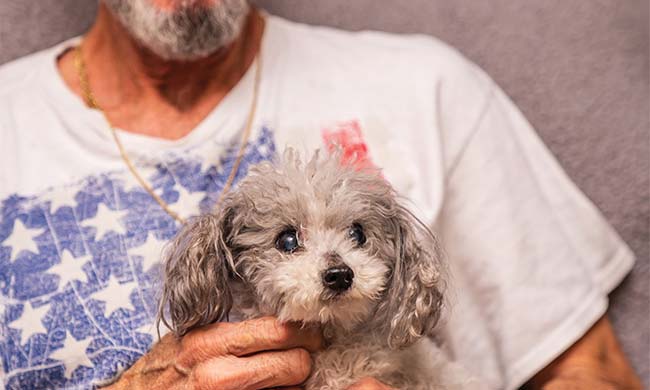
(Feature Impact) You’re not imagining it – like many goods and services, pet care costs have gone up.
In fact, Healthy Paws Pet Insurance reported a 38% increase in pet services over the past five years with pet parents spending more than $4,200 a year on routine expenses for a cat or dog.
Lots of factors are driving increased costs, from higher ingredient prices for pet food – like meat and grains – to veterinary drug shortages. Add in rising labor and transportation costs and those everyday expenses can start to take a bigger bite out of your budget.
There are simple ways to keep costs in check, however, while still giving your furry friends the care they deserve:
1. Prioritize Preventive Care
Routine checkups, vaccinations and screenings can catch health issues early when they are easier and less expensive to treat. Most pets should see a veterinarian at least once a year, while puppies, kittens and senior pets may need more frequent visits.
Preventive medications play an important role as well. Treating heartworm disease, for example, can cost thousands while monthly prevention costs $15-$30.
2. Focus on Daily Wellness
Consistent exercise helps reduce the risk of chronic conditions and supports overall health. Most dogs benefit from at least 30 minutes of daily activity while cats need regular play to stay active.
Feeding appropriate portions can also help with weight maintenance. Portion sizes vary, but a good starting point is the feeding guidelines on your pet food label, adjusting as needed with your veterinarian’s input.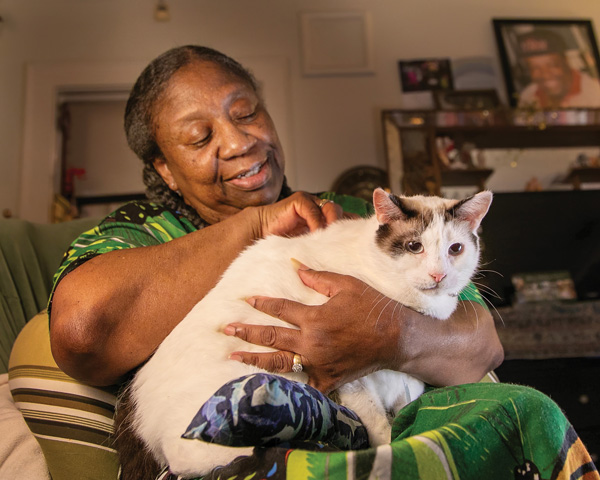
3. Find Support in Your Community
Many local humane societies and rescue groups offer resources that make pet care more accessible, including low-cost vaccinations, spay and neuter services and discounted supplies.
For seniors, local Meals on Wheels providers can be important resources. With support from PetSmart Charities, many local providers offer free pet food and, in some cases, services like veterinary care and grooming. To date, 20 million pet meals have been delivered through this collaboration, helping keep pets healthy and in loving homes with older adults.
4. Plan Ahead for Unexpected Costs
Even with routine care, unexpected illnesses or injuries can happen – and costs can add up. The PetSmart Charities-Gallup State of Pet Care research revealed 52% of pet parents skipped or declined veterinary care services in 2025, with the majority citing cost as the key barrier.
Pet insurance can help manage risk. Most policies reimburse a percentage of covered veterinary costs after you meet a deductible, helping offset unexpected bills. Plans vary, but average monthly premiums are around $60 for dogs and $30 for cats.
It’s also important to be open with your veterinarian about financial concerns. In many cases, clinics may be able to offer payment plans, or look for low-cost-veterinary care resources in your area.
To find a local provider and learn whether pet support is available in your area, visit mealsonwheelsamerica.org/lovepets.
A Companion Through It All
A devastating cancer diagnosis left Lois hospitalized for eight months. Afterward, she began receiving home-delivered meals through her local Meals on Wheels provider. That connection proved to be a lifeline.
“When I was sick,” Lois said, “the Meals on Wheels volunteers … were the only company I had.”
That changed when a small white kitten with calico markings showed up at her front door. Today, that kitten – now named Grace – is rarely far from Lois’s side.
Though Grace softens Lois’s loneliness, caring for a pet on a fixed income isn’t always easy. For many seniors, it can mean making difficult choices, like stretching groceries or delaying medical care, just to afford pet food and supplies. Through support from her local provider, food is delivered for Grace as part of Lois’s regular meal service, helping keep them both healthy, happy and, most importantly, together.

SOURCE:
Our Lifestyle section on STM Daily News is a hub of inspiration and practical information, offering a range of articles that touch on various aspects of daily life. From tips on family finances to guides for maintaining health and wellness, we strive to empower our readers with knowledge and resources to enhance their lifestyles. Whether you’re seeking outdoor activity ideas, fashion trends, or travel recommendations, our lifestyle section has got you covered. Visit us today at https://stmdailynews.com/category/lifestyle/ and embark on a journey of discovery and self-improvement.

pets
Wet Noses Brings 5lb Organic Grain-Free Peanut Butter Banana Crunchy Treats to Costco.com
Wet Noses launches a 5lb resealable bag of organic, grain-free peanut butter banana crunchy baked dog treats—exclusive to Costco.com.

Pet parents who read labels like they’re shopping for themselves just got a new bulk-buy option. Wet Noses—best known for its human grade dog treats—has launched a 5lb bag of Organic Grain-Free Crunchy Baked Peanut Butter Banana dog treats, now available exclusively on Costco.com.

What’s new (and why it matters)
The headline is the size: a resealable 5lb format designed for households that treat daily—whether that’s training reps, post-walk rewards, or the “you were patient while I took that call” snack. But the bigger story is the ingredient approach. Wet Noses says the recipe is made with just five certified organic ingredients, built around house-made peanut butter and bananas, then gently oven baked in Wet Noses’ own kitchens to bring out natural aroma and a crunchy texture.
For shoppers used to long ingredient panels, this is the kind of product that aims to keep things simple: no fillers, no surprises, and a recognizable pantry-style recipe.
A classic flavor combo, kept clean
Peanut butter and banana is one of those timeless pairings that feels familiar for a reason—sweet, nutty, and naturally appealing. Wet Noses positions this treat as an everyday staple: a clean, organic option that can rotate into your routine without the “special occasion only” vibe.
According to the company, the treats are grain-free and made with no corn, no wheat, and no soy, with zero artificial additives.
The “bulk value” shift in pet shopping
Wet Noses says the move to a larger bag reflects how the pet category is evolving—where value and quality are expected to coexist.
“Bringing this 5lb format to Costco.com reflects where we see the pet category continuing to evolve,” said Roel Cruz, VP of Sales and Marketing at Wet Noses. “Today’s pet parents are looking for real value without compromising on ingredient quality. This launch pairs one of our most loved recipes with a format designed for everyday treating, delivering the convenience families need and the organic, human grade quality they expect from our brand.”
How they’re made
Wet Noses notes that, like its other products, these Crunchy Baked Treats are oven baked in the company’s WSDA human grade certified, SQF-audited kitchen in Washington State. For consumers, those certifications and audits are meant to signal tighter standards around handling and production.
Who this is best for
If your household goes through treats quickly—multi-dog homes, active training schedules, or anyone who keeps a jar by the door for “good behavior on the way out”—the 5lb resealable bag is built for that pace.
Quick checklist
- Available: Exclusively on Costco.com
- Product: Wet Noses Organic Grain-Free Crunchy Baked Peanut Butter Banana dog treats
- Size: 5lb resealable bag
- Ingredients: Five certified organic ingredients (per the company)
- Free from: Corn, wheat, soy; zero artificial additives (per the company)
- Made in: Washington State, in a WSDA human grade certified, SQF-audited kitchen
Bottom line
The pet aisle is increasingly mirroring the human food aisle—short ingredient lists, recognizable inputs, and “buy bigger, waste less time” convenience. Wet Noses’ new 5lb Peanut Butter Banana Crunchy Baked Treats aim to hit that sweet spot: bulk value without stepping away from organic, human grade positioning.
For more information, Wet Noses can be reached at Sale@wet-noses.com.
Our Lifestyle section on STM Daily News is a hub of inspiration and practical information, offering a range of articles that touch on various aspects of daily life. From tips on family finances to guides for maintaining health and wellness, we strive to empower our readers with knowledge and resources to enhance their lifestyles. Whether you’re seeking outdoor activity ideas, fashion trends, or travel recommendations, our lifestyle section has got you covered. Visit us today at https://stmdailynews.com/category/lifestyle/ and embark on a journey of discovery and self-improvement.
National Parvo Awareness Day
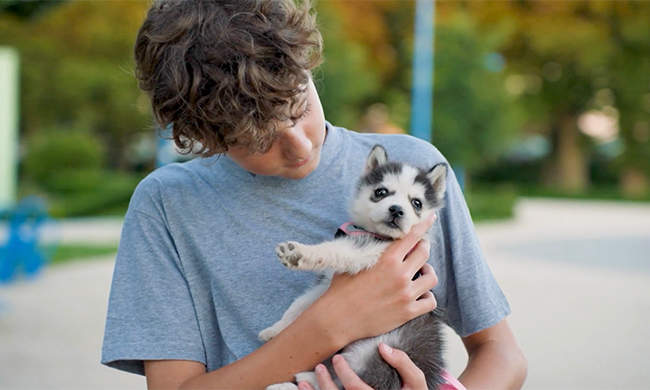
(Feature Impact) April 28, 2026, marks the third annual National Parvo Awareness Day, aimed at bringing awareness to this devastating and often-fatal virus. Canine parvovirus (parvo) is a highly contagious and potentially fatal disease that can affect dogs of all ages, though it is particularly dangerous for unvaccinated puppies.
Early detection is the key to survival. As pet owners, recognizing the signs can save a life. Common symptoms include severe lethargy, loss of appetite, abdominal pain, and persistent vomiting. One of the most critical warning signs is severe, often bloody, diarrhea. If your dog exhibits any of these symptoms, it is imperative to act immediately – every minute counts.
Ask your veterinarian about Trutect™ if your dog is diagnosed with parvovirus. Trutect™, formerly Canine Parvovirus Monoclonal Antibody, is the only USDA-approved treatment for parvo.
While vaccination remains the cornerstone of prevention, knowing the symptoms and seeking rapid veterinary care is essential. This National Parvo Awareness Day, let’s work together to protect our pets.
Learn more at StopParvo.com.
Watch the video below:
PM-US-26-0651


SOURCE:
Our Lifestyle section on STM Daily News is a hub of inspiration and practical information, offering a range of articles that touch on various aspects of daily life. From tips on family finances to guides for maintaining health and wellness, we strive to empower our readers with knowledge and resources to enhance their lifestyles. Whether you’re seeking outdoor activity ideas, fashion trends, or travel recommendations, our lifestyle section has got you covered. Visit us today at https://stmdailynews.com/category/lifestyle/ and embark on a journey of discovery and self-improvement.





