Give the Gift of Recovery… Help fitness enthusiasts keep their New Year’s resolutions with recovery-focused gifts. Discover science-backed compression therapy tools from Mueller Sports Medicine that reduce pain, boost circulation, and accelerate workout recovery.
(Family Features) If your holiday gift list features a fitness-minded loved one, finding the perfect present means looking beyond a new water bottle, set of weights or clothes for the gym to help them not give up on resolutions. Because most people who are passionate about their performance know “fitness resolution dropout” happens shortly after the new year, they know recovery is key to staying active, motivated and pain-free.
Recovery doesn’t mean rest, however; it means staying ready for the next round. Over time, exercise can lead to fatigue, pain, swelling and reduced circulation, among other ailments, all of which can affect performance and comfort. That’s where the right recovery gear comes into play.
With a rich history of more than 65 years in sports medicine innovation, Mueller Sports Medicine’s extensive line, which includes braces, supports, tape, REVIVE compression therapy tools and more, is designed to help athletes train smarter, recover faster and perform at their peak so you can give a gift that helps loved ones keep their New Year’s fitness resolutions.
Consider these science-backed gift ideas that aid workout achievement, aim to enhance circulation, boost the lymphatic system, help reduce pain and speed up recovery from fatigue then visit muellersportsmed.com to find more options that help your recipient do more than just recover.
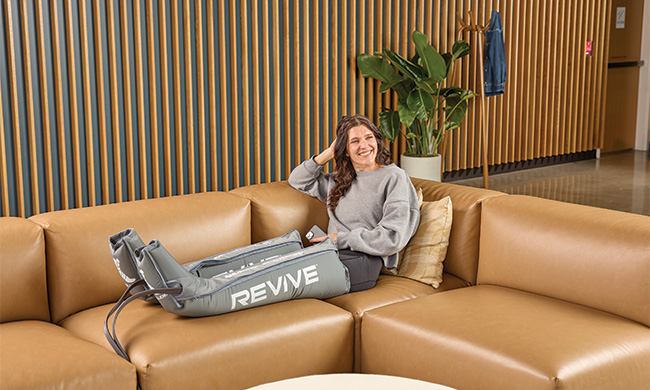
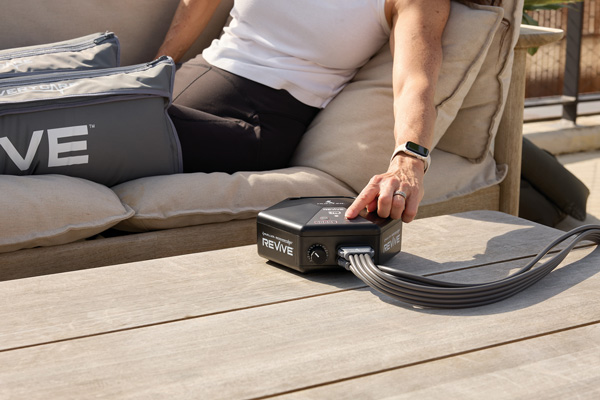
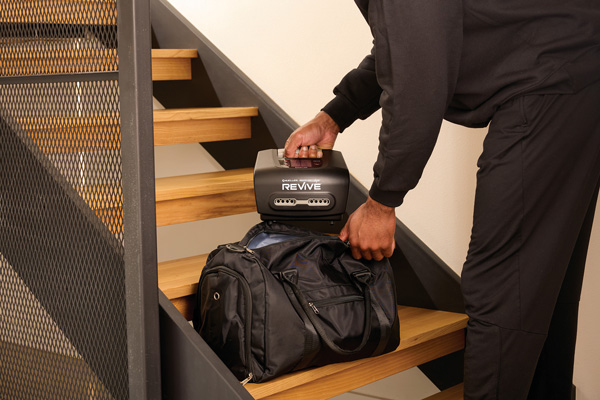
Accelerate Recovery to Improve Performance Being prepared for the next workout, rather than physically sore or achy, is key to maintaining motivation day after day. By stimulating the body’s natural circulation with precisely controlled compression, the Mueller RecoveryCare REVIVE M2 Gear Pack – available in small, medium or large – promotes faster recovery before, during and after workouts, walking or just standing on your feet through innovative compression leg sleeves that feature overlapping compression chambers that apply pressure where it’s needed most to remove soreness with what feels like a massage. The durable, portable and lightweight unit is plug-and-play with button operation, simple to clean, powered by 8-hour battery life and backed by a 90-day risk-free trial.
Fully Customize Recovery Sessions From tracking progress for that joyous feeling of achievement to adjusting pressure levels and duration, athletes can finetune their treatments and keep workout goals on track with the Mueller RecoveryCare REVIVE M4 Gear Pack. Enhanced with Bluetooth technology to track personalized treatments on a mobile device, the console offers five modes and five adjustable time sessions to fully customize recovery sessions, boosting lymphatic fluid movement, increasing circulation and aiding with fracture and soft tissue healing. Available with three leg sleeve sizes, the adjustable system features a heavy-duty handle and easy-to-clean medical grade material, all backed by a risk-free trial and long battery life.
Our Lifestyle section on STM Daily News is a hub of inspiration and practical information, offering a range of articles that touch on various aspects of daily life. From tips on family finances to guides for maintaining health and wellness, we strive to empower our readers with knowledge and resources to enhance their lifestyles. Whether you’re seeking outdoor activity ideas, fashion trends, or travel recommendations, our lifestyle section has got you covered. Visit us today at https://stmdailynews.com/category/lifestyle/ and embark on a journey of discovery and self-improvement.
Advertisement
STM Daily News is a multifaceted podcast that explores a wide range of topics, from life and consumer issues to the latest in food and beverage trends. Our discussions dive into the realms of science, covering everything from space and Earth to nature, artificial intelligence, and astronomy. We also celebrate the amateur sports scene, highlighting local athletes and events, including our special segment on senior Pickleball, where we report on the latest happenings in this exciting community. With our diverse content, STM Daily News aims to inform, entertain, and engage listeners, providing a comprehensive look at the issues that matter most in our daily lives. https://stories-this-moment.castos.com/
Loving-kindness, the feeling cultivated in metta meditation, is very different from romantic love. Anna Sunderland Engels
What loving-kindness meditation is and how to practice it in the new year
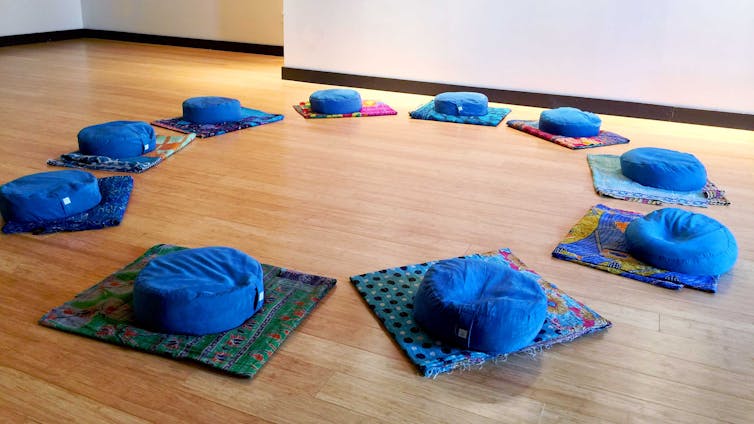
Jeremy David Engels, Penn State A popular New Year’s resolution is to take up meditation – specifically mindfulness meditation. This is a healthy choice. Regular mindfulness practice has been linked to many positive health benefits, including reduced stress and anxiety, better sleep and quicker healing after injury and illness. Mindfulness can help us to be present in a distracted world and to feel more at home in our bodies, and in our lives. There are many different types of meditation. Some mindfulness practices ask meditators simply to sit with whatever thoughts, sensations or emotions arise without immediately reacting to them. Such meditations cultivate focus, while granting more freedom in how we respond to whatever events life throws at us. Other meditations ask practitioners to deliberately focus on one emotion – for example, gratitude or love – to deepen the experience of that emotion. The purpose behind this type of meditation is to bring more gratitude, or more love, into one’s life. The more people meditate on love, the easier it is to experience this emotion even when not meditating. One such meditation is known as “metta,” or loving-kindness. As a scholar of communication and mindfulness, as well as a longtime meditation teacher, I have both studied and practiced metta. Here is what loving-kindness means and how to try it out for yourself:
Unbounded, universal love
Loving-kindness, or metta, is the type of love which is practiced by Buddhists around the world. Like many forms of meditation today, there are both secular and religious forms of the practice. One does not need to be a Buddhist to practice loving-kindness. It is for anyone and everyone who wants to live more lovingly. Loving-kindness, the feeling cultivated in metta meditation, is very different from romantic love. In the ancient Pali language, the word “metta” has two root meanings: The first is “gentle,” in the sense of a gentle spring rain that falls on young plants, nourishing them without discrimination. The second is “friend.” Metta is limitless and unbounded love; it is gentle presence and universal friendliness. Metta practice is meant to grow people’s ability to be present for themselves and others without fail.A guided loving-kindness meditation practice. Metta is not reciprocal or conditional. It does not discriminate between us and them, rich and poor, educated and uneducated, popular or unpopular, worthy and unworthy. To practice metta is to give what I describe in my research as “the rarest and most precious gift” – a gift of love offered without any expectation of it being returned.
How to practice loving-kindness meditation
In the fifth century, a Sri Lankan monk, Buddhaghosa, composed an influential meditation text called the “Visuddhimagga,” or “The Path of Purification.” In this text, Buddhaghosa provides instructions for how to practice loving-kindness meditation. Contemporary teachers tend to adapt and modify his instructions. The practice of loving-kindness often involves quietly reciting to oneself several traditional phrases designed to evoke metta, and visualizing the beings who will receive that loving-kindness. Traditionally, the practice begins by sending loving kindness to ourselves. It is typical during this meditation to say:
May I be filled by loving-kindness
May I be safe from inner and outer dangers
May I be well in body and mind
May I be at ease and happy
After speaking these phrases, and feeling the emotions they evoke, next it’s common to direct loving-kindness toward someone – or something – else: It can be a beloved person, a dear friend, a pet, an animal, a favorite tree. The phrases become:
May you be filled by loving-kindness
May you be safe from inner and outer dangers
May you be well in body and mind
May you be at ease and happy
Next, this loving-kindness is directed to a wider circle of friends and loved ones: “May they …” The final step is to gradually expand the circle of well wishes: including the people in our community and town, people everywhere, animals and all living beings, and the whole Earth. This last round of recitation begins: “May we …” In this way, loving-kindness meditation practice opens the heart further and further into life, beginning with the meditator themselves.
Loving-kindness and mindful democracy
Clinical research shows that loving-kindness meditation has a positive effect on mental health, including lessening anxiety and depression, increasing life satisfaction and improving self-acceptance while reducing self-criticism. There is also evidence that loving-kindness meditation increases a sense of connection with other people. The benefits of loving-kindness meditation are not just for the individual. In my research, I show that there are also tremendous benefits for society as a whole. Indeed, the practice of democracy requires us to work together with friends, strangers and even purported “opponents.” This is difficult to do if our hearts are full of hatred and resentment. Each time meditators open their hearts in metta meditation, they prepare themselves to live more loving lives: for their own selves, and for all living beings. Jeremy David Engels, Liberal Arts Endowed Professor of Communication, Penn State This article is republished from The Conversation under a Creative Commons license. Read the original article.
Why do people get headaches? – Evie V., age 10, Corpus Christi, Texas
Whether sharp and stabbing or dull and throbbing, a headache can ruin your day. But your brain doesn’t actually feel pain. So what is going on when it feels like your head is in a vise or about to explode? I am a child neurologist – that is, a doctor who specializes in diseases of the brain in kids. Most of my patients are kids and adolescents who are struggling with headaches. Head pain is complicated, and there is still a lot to learn about what causes it and how it can be treated. But researchers know there are a few key players that take part in generating pain.
What are headaches?
Nerves communicate information like pain through electrical signals between the body and the brain. While the brain itself doesn’t have any nerve sensors to feel pain, blood vessels in the head and structures that protect and surround the brain do sense pain. When these tissues detect injury or damage, they release chemicals that trigger transmission of electrical signals through nerves to tell the brain the head is hurting. The brain will also use nerves to signal the body to respond to pain with symptoms like feeling tired, teary eyes, runny nose, upset stomach and discomfort in bright or loud environments. It’s not clear why humans evolved to feel these symptoms, but some scientists theorize that this can lead to healthier lifestyle choices to decrease the chance of future headache attacks.Weather changes are one of the most commonly reported migraine triggers. Danielle Wilhour, a neurologist and headache specialist at University of Colorado Anschutz Medical Campus, explains why shifts in weather can bring on migraines — and what you can do to ease the pain.
What causes headaches?
Often, headaches are a sign that the body is under some kind of stress. That stress triggers chemical and physical changes to the nerves and blood vessels around your brain, head and neck that can cause headaches. Many types of stresses can cause headaches, including an infection, allergies, hormone changes during puberty and menstrual cycles, not getting enough sleep, not drinking enough water, skipping meals or drinking too much caffeine or alcohol. Sometimes, headaches happen with emotional stress, like feeling anxious or depressed. Even pressure in your sinuses due to changes in the weather can cause your head to hurt. One in 11 kids have had a type of severe headache called a migraine. They feel like a pulsing and pounding pain in your head and come with other symptoms, including nausea or being sensitive to lights and sounds. During a migraine, it can be hard to do everyday activities because they can make the pain worse. It is also very common to feel unwell or irritable before the head pain starts and after the pain is gone.Migraines and chronic headaches can be debilitating.Viktoriya Skorikova/Moment via Getty Images Migraines occur when the nerves and other structures used in signaling and interpreting pain aren’t working properly, leading to pain and discomfort from stimulation that wouldn’t normally provoke this. There are many environmental and genetic factors that contribute to this dysfunction. Some people are born with a higher risk of developing migraines. Most people with migraines have someone in their family who also experiences them.
What can treat and prevent headaches?
Identifying what type of headache you’re experiencing is crucial to making sure it is treated properly. Because migraines can be severe, they’re the type of headache that most often leads to doctor’s visits for both kids and adults. There are several ways to reduce your chances of having headaches, such as drinking plenty of water and limiting caffeine. Eating, sleeping and exercising regularly are other ways you can help prevent headaches.Sleep deprivation can worsen headaches.DjelicS/iStock via Getty Images Plus While painkillers like ibuprofen are often enough to relieve a headache, prescription medications are sometimes necessary to make head pain more bearable. Some medications can also help control or prevent headache episodes. Physical therapy to exercise the body or behavioral therapy to work on the mind can also help you manage headache pain. There are even electronic devices to treat headaches by stimulating different parts of the nervous system. It is important to talk with a doctor about headaches, especially if it’s a new problem or you experience a change in how they usually feel. Sometimes, brain imaging or blood tests are needed to rule out another health issue. Recognizing a headache problem early will help your doctor get started on helping you figure out the best way to treat it.Hello, curious kids! Do you have a question you’d like an expert to answer? Ask an adult to send your question to CuriousKidsUS@theconversation.com. Please tell us your name, age and the city where you live.And since curiosity has no age limit – adults, let us know what you’re wondering, too. We won’t be able to answer every question, but we will do our best.Katherine Cobb-Pitstick, Assistant Professor of Child Neurology, University of Pittsburgh This article is republished from The Conversation under a Creative Commons license. Read the original article.
High cholesterol and age are two significant risk factors for heart disease, which is the leading cause of death in the United States. Test your heart health knowledge and learn more about managing your risk factors, including high cholesterol, with this quick quiz.
(Family Features) As you age, your doctor’s interest in your cholesterol level is likely to increase. That’s no coincidence. High cholesterol and age are two significant risk factors for heart disease, which is the leading cause of death in the United States. You may not be able to slow the hands of time, but elevated low-density lipoprotein (LDL) cholesterol, also known as “bad” cholesterol, is one of the most significant addressable risk factors for the development of cardiovascular disease. Uncontrolled high LDL-C can lead to death, heart attack, stroke or the need for a coronary revascularization. While statins are considered first-line treatment for people with high LDL cholesterol, an estimated 29% of patients stop taking their statin within the first year, based on findings published in the “American Journal of Cardiology.” Up to 30% of people have some degree of statin intolerance, according to research published in the “Journal of Clinical Lipidology.” Test your heart health knowledge and learn more about managing your risk factors, including high cholesterol, with this quick quiz:
1. Do cardiovascular diseases, including heart disease and stroke, claim more lives in the U.S. than all forms of cancer and accidental deaths (the Nos. 2 and 3 causes of death, respectively) combined?
Yes. Cardiovascular disease is the No. 1 killer of men and women in America and worldwide, killing more people than both cancer and accidents each year.
2. According to the American Heart Association, which of the following are true?
Men are more likely to have heart attacks at a younger age than women.
Women experience different symptoms indicating potential heart disease.
Women have a higher risk of fatality because their symptoms are frequently misunderstood or misdiagnosed, leading to delayed treatment.
All are True. While many factors are at play, one major underlying issue is historically, women simply haven’t been well represented in clinical trials of heart-related conditions. However, Harvard Health reports that culture is slowly changing and some of the gaps are starting to close.
3. Does statin intolerance mean statins are not effective?
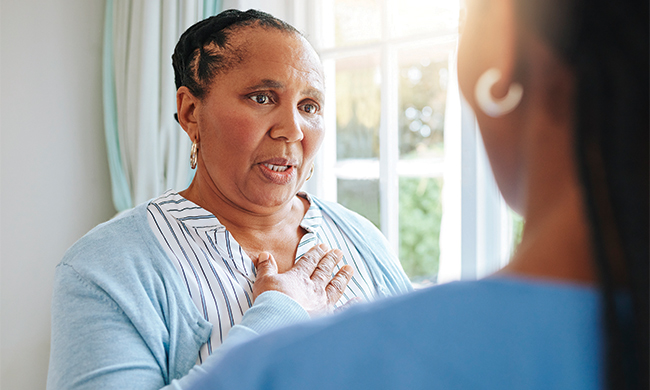
No. On the contrary, statins are the standard of care to lower LDL cholesterol. However, some people cannot take statins at any dose because of statin intolerance symptoms such as muscle pain, while others may have their LDL cholesterol remain uncontrolled because they are not able to take higher doses.
4. Are women more likely to be statin intolerant than men?
Yes. According to the National Institutes of Health, being female is a risk factor for statin intolerance.
5. If a person is statin intolerant, are there other treatments available to help lower their uncontrolled LDL-C?
Yes. Alternative treatments are available for people with statin intolerance. A health care provider can help explain what options are available if you experience potential statin-associated side effects.
6. Are muscle-related symptoms typically the most common side effect of statins?
Yes. Muscle pains or cramps (myalgias) are the most common symptoms people experience. Your health care provider may run tests or change your medication to address these symptoms.
For more information on statin intolerance, talk with your health care provider or visit statinalternatives.info.
How to Lower Bad Cholesterol
LDL cholesterol, commonly referred to as “bad” cholesterol, leads to plaque in your arteries, reducing blood flow and potentially damaging your cardiovascular system. If your bloodwork shows elevated LDL cholesterol levels, you can take steps to reduce it.
Eat a healthy diet low in saturated and trans fats and high in fiber, with an emphasis on fruits, vegetables and whole grains.
Get at least 30 minutes of exercise daily, and if you carry extra weight, work to lose it.
Talk to your health care provider about cholesterol-lowering medications, which can help lower bad cholesterol and reduce the risks associated with heart disease.


 Recovery doesn’t mean rest, however; it means staying ready for the next round. Over time, exercise can lead to fatigue, pain, swelling and reduced circulation, among other ailments, all of which can affect performance and comfort. That’s where the right recovery gear comes into play.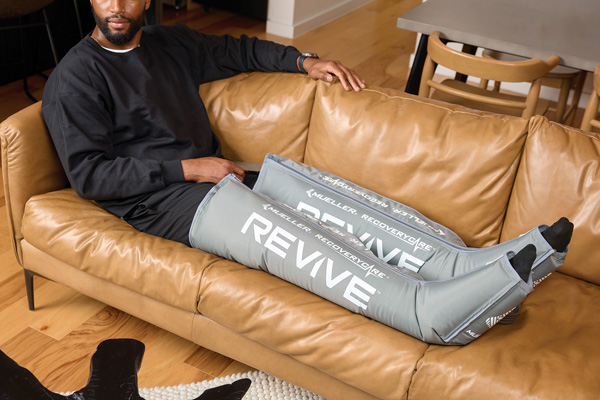





 3. Does statin intolerance mean statins are not effective?




