

Food and Beverage
A Full, Festive Menu for Holiday Celebrations
From the hors d’oeuvres to the main course and all the way through dessert, creating a full holiday menu doesn’t have to be hard.

Last Updated on July 15, 2024 by Daily News Staff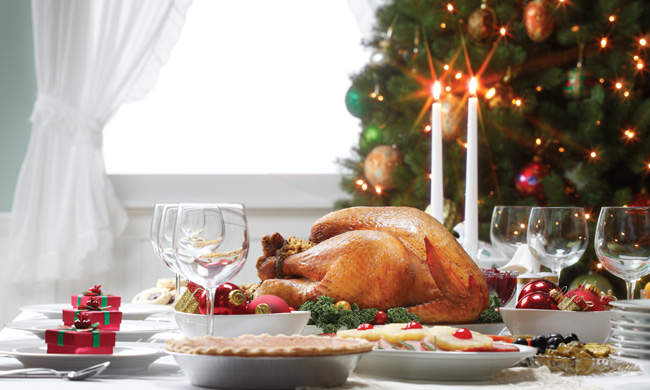
(Family Features) From the hors d’oeuvres to the main course and all the way through dessert, creating a full holiday menu doesn’t have to be hard.
The key to a successful feast is focusing on dishes that can please loved ones of all ages and palates, such as a festive salad before the turkey or ham main dish, which can be accompanied by complementary sides like au gratin potatoes. Finally, top off the celebration with a divine dessert featuring classic cranberry flavor.
To find more holiday recipe inspiration, visit Culinary.net.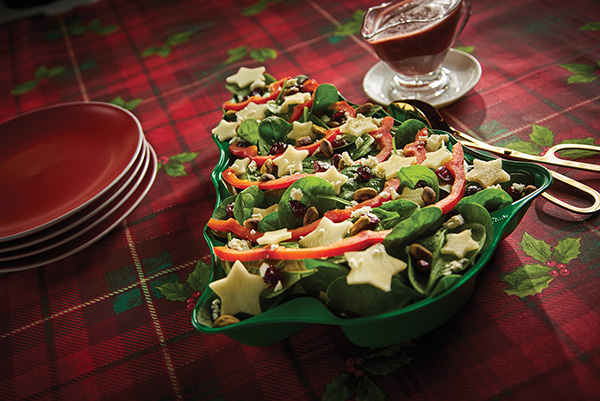
Start Holiday Celebrations with a Salad
With a bed of tender, leafy green spinach and pops of red cranberries, a salad lends itself perfectly to the colors and flavors of the holiday season. Plus, as a lighter bite ahead of the big meal, it makes for a delicious introduction to festive dinner parties, family gatherings and get-togethers.
This Spinach Christmas Tree Salad offers a fresh, festive option that adds a seasonal presentation to the table while inviting guests to take a bite. Harvested at the peak of flavor, tender Fresh Express Baby Spinach has a mild and delicate taste that makes it an ideal addition to recipes throughout the holidays.
Find more ways to freshen up your holiday menu at FreshExpress.com.
Spinach Christmas Tree Salad
Servings: 6
- 2 packages (5 ounces each) Fresh Express Baby Spinach
- 1/2 cup dried cranberries, divided
- 1/3 cup pistachios, divided
- 1/2 cup feta cheese, divided
- 1 red pepper, cored, cut into thin strips
- 1 large apple, thinly sliced, cut into star shapes
Dressing:
- 1 cup whole berry cranberry sauce
- 3 tablespoons cranberry juice
- 2 tablespoons balsamic vinegar
- 2 tablespoons honey
- 1/4 cup olive oil
- 1 tablespoon light brown sugar
- 1/4 teaspoon salt
- In large bowl, toss baby spinach with 1/4 cup dried cranberries, 1/6 cup pistachios and 1/4 cup feta cheese. Transfer to Christmas tree cake mold. Neatly arrange spinach leaves to create smooth surface.
- Arrange red pepper strips, trimming as needed, to create garland. Arrange remaining dried cranberries, remaining pistachios and remaining feta cheese as “ornaments” on top of spinach. Create tree topper with one apple star; place remaining apple stars around “tree.”
- To make dressing: In blender, process cranberry sauce, cranberry juice, balsamic vinegar, honey, olive oil, brown sugar and salt until smooth.
A Hearty Holiday Side Dish
From appetizers and snacks to the main course, sides and sweets, almost everyone has a favorite holiday dish. However, it’s the pairings and complementary dishes that make festive get-togethers special.
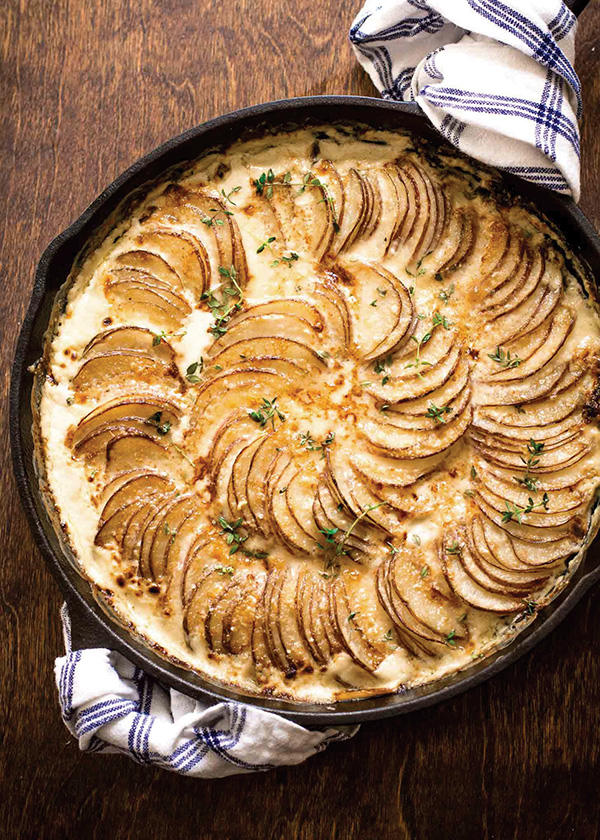
This Creamy Au Gratin Potatoes with Kale and Gruyere is an ideal example of a savory side that goes well with a variety of holiday meals, making it a perfect option for families seeking a versatile recipe to serve with dinner. Rosy-skinned and white-fleshed, Wisconsin Round Red potatoes have a firm, smooth and moist texture, making them well-suited for roasting in this hearty dish.
Visit eatwisconsinpotatoes.com to discover more recipes fit for serving your loved ones.
Creamy Au Gratin Potatoes with Kale and Gruyere
Recipe courtesy of Wisconsin Potatoes
- 1 1/2 cups heavy cream
- 1/2 teaspoon salt
- 1/2 teaspoon black pepper
- 2 cloves garlic, smashed
- 3 sprigs fresh thyme
- 2 tablespoons butter
- 3 cloves shallots, diced
- 4 large kale leaves, finely chopped (discard stems)
- 2 pounds red potatoes, sliced 1/8 inch
- 2 ounces gruyere cheese, grated
- 1 ounce Parmesan cheese, grated
- Heat oven to 325 F.
- In small saucepan over medium heat, combine cream, salt, black pepper, garlic and thyme; stir constantly, until cream starts to bubble, 4-6 minutes. When bubbling, remove from heat and stir until slightly cooled. Let cream sit.
- Heat large (12-inch) oven-safe skillet over medium-high heat. Add butter. When butter melts, add shallots and kale leaves. Saute until kale is tender and bright green, about 4 minutes. Turn off burner.
- Add sliced potatoes to skillet, fanning over top of kale.
- Use slotted spoon to remove garlic and thyme from heavy cream. Pour heavy cream over potatoes.
- Cover skillet tightly with foil and bake until potatoes are tender, 75-85 minutes.
- Remove skillet from oven and turn on broiler. Discard foil.
- Sprinkle gruyere and Parmesan cheeses over potatoes, tucking some cheese between potato slices.
- Return skillet to oven and broil until top is golden brown, 5-6 minutes.
Dish Up a Divine Holiday Dessert
Give your holiday gatherings a new twist this year with a creamy cranberry delight that’s a cause for celebration all on its own. Smooth, divine taste at the dessert table can be the memorable moment your family craves year after year.
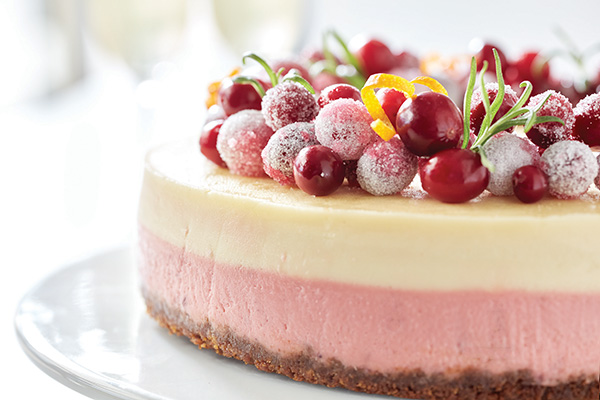
This rich, festive Cranberry Cheesecake combines classic flavor with a homemade cranberry compote-infused layer above a crust sweetly made using C&H Light Brown Sugar and graham crackers. Top it all off with fresh and sugared cranberries, rosemary springs and whipped cream for a tempting treat that tastes as good as it looks.
To find more sweet eats to celebrate the holidays, visit chsugar.com.
Cranberry Cheesecake
Prep time: 45 minutes
Cook time: 1 hour, 15 minutes
Cranberry Compote:
- 2 cups fresh cranberries
- 1 cup C&H Light Brown Sugar
- 1/4 cup freshly squeezed orange juice
- 1 teaspoon freshly grated orange zest
Crust:
- 2 cups graham cracker crumbs
- 6 tablespoons unsalted butter, melted
- 3 tablespoons C&H Light Brown Sugar
- 1/4 teaspoon salt
Cheesecake:
- 3 packages (8 ounces each) cream cheese, at room temperature
- 2 cups C&H Organic Raw Cane Sugar
- 3 tablespoons all-purpose flour
- 2 teaspoons pure vanilla extract
- 1/4 teaspoon salt
- 4 large eggs, at room temperature
- 1/2 cup sour cream, at room temperature
- 1/2 cup cranberry compote
- fresh cranberries
- sugared cranberries
- rosemary sprigs
- whipped cream
- To make cranberry compote: In medium saucepan, bring cranberries, brown sugar, orange juice and orange zest to boil. Lower heat and simmer 10-15 minutes, or until most cranberries burst. Remove from heat. Cool completely at room temperature then transfer to bowl; refrigerate.
- To make crust: Preheat oven to 350 F. Butter 8-inch springform pan and line bottom with parchment paper. Set aside.
- In medium bowl, mix cracker crumbs, butter, brown sugar and salt. Press crumb mixture into bottom of prepared pan. Bake 15 minutes. Remove from oven and set aside. Reduce oven temperature to 325 F.
- To make cheesecake: In bowl of electric mixer fitted with paddle attachment, beat cream cheese at medium speed until smooth. Add cane sugar and beat 2-3 minutes. Scrape sides of bowl as needed. Add flour, vanilla and salt. Beat 1 minute until incorporated.
- Add one egg at a time, mixing until incorporated. Add sour cream and mix 1 minute. Scrape sides of bowl as needed. In medium bowl, mix half of cheesecake batter with 1/2 cup cranberry compote.
- Wrap springform pan with aluminum foil and place in large roasting pan. Pour cream cheese and cranberry mixture into prepared pan. Top with remaining cream cheese batter. Place roasting pan in oven and add hot water to 1-inch of springform pan. Bake 1 hour, 15 minutes, or until cake looks set in center. Remove from oven and rest 1 hour. Refrigerate in pan overnight.
- Decorate cake with fresh and sugared cranberries, rosemary springs and whipped cream.
SOURCE:
Fresh Express
Wisconsin Potatoes
C&H Sugar
At our core, we at STM Daily News, strive to keep you informed and inspired with the freshest content on all things food and beverage. From mouthwatering recipes to intriguing articles, we’re here to satisfy your appetite for culinary knowledge.
Visit our Food & Drink section to get the latest on Foodie News and recipes, offering a delightful blend of culinary inspiration and gastronomic trends to elevate your dining experience.
https://stmdailynews.com/category/food-and-beverage
You can also find food and beverage-related videos on our YouTube channel, where we regularly post new content and share tips, recipes, and demonstrations. https://youtube.com/playlist?list=PLEhXBupt8tVynuUhpQZMxQt4lvPmOiAtQ&si=InDwc7YaB0KIwmxy
Author


Food and Beverage
Big Chicken Goes Global: Shaquille O’Neal’s Restaurant Brand Debuts in Honduras
Big Chicken, founded by Shaquille O’Neal, debuts in Honduras with new restaurants in San Pedro Sula and La Ceiba, marking its Central America expansion.

SAN PEDRO SULA & LA CEIBA, Honduras — The global expansion of celebrity-backed dining concepts continues to gain momentum as Shaquille O’Neal brings his fast-growing restaurant brand, Big Chicken, to Central America for the first time.

Founded in 2018, Big Chicken has quickly built a reputation for blending comfort food favorites with bold, modern flavors—and now it’s making its mark in Honduras with the opening of two new locations in San Pedro Sula and La Ceiba.
A Strategic Central American Launch
The new restaurants—located at Plaza Masdeval in San Pedro Sula and Plaza Corvey in La Ceiba—represent a significant milestone in the brand’s international growth strategy. Both cities offer strong economic and cultural appeal:
- San Pedro Sula serves as Honduras’ industrial and commercial hub
- La Ceiba is a vibrant coastal destination known for tourism and Caribbean energy
Together, they provide an ideal entry point for a brand built around high-energy dining and community engagement.
The expansion is led by international franchise operator Thomas Talarico, CEO of BLT UK Holdings Limited, who is spearheading Big Chicken’s rollout across the region. Following Honduras, plans are already in motion for additional locations in Costa Rica, El Salvador, Guatemala, and Panama.
What’s on the Menu?
Big Chicken’s Honduras menu delivers the same fan-favorite offerings that have fueled its success in North America, including:
- Signature sandwiches like “The Original” and “The Shaq Attack”
- Crispy chicken tenders and “Dunks” (bite-sized chicken pieces)
- Hand-spun milkshakes and indulgent sides
- New “Shaq Snacks,” featuring tenders paired with garlic toast and bold toppings
In a move tailored to local tastes, the brand also plans to introduce limited-time menu items inspired by Honduran flavors, blending global appeal with regional culinary identity.
Riding the Fast-Casual Boom
Big Chicken’s expansion comes at a time when the Latin American fast-casual dining sector is experiencing rapid growth. Industry projections estimate the market will surpass $70 billion by 2026, driven by increasing demand for convenient, high-quality dining options.
The brand’s strategy—combining recognizable celebrity influence, scalable franchising, and localized menu innovation—positions it well to compete in this evolving market.
More Than Just a Celebrity Brand
While Shaquille O’Neal’s name brings instant recognition, Big Chicken’s leadership emphasizes that its long-term success hinges on more than star power. CEO Josh Halpern highlighted the importance of local partnerships and community-driven experiences as key to the brand’s international growth.
With more than 40 locations already operating across North America and beyond—and dozens more in development—Big Chicken is rapidly evolving into a global fast-casual contender.
The Bigger Picture
From arenas and airports to cruise ships and now Central American city centers, Big Chicken’s footprint continues to expand across diverse markets. Its arrival in Honduras signals not just a new dining option for local communities, but also a broader trend: the globalization of American fast-casual brands with localized twists.
As the brand builds momentum across the Americas, one thing is clear—Big Chicken is betting big on flavor, fun, and international growth.
Related Links
Big Chicken Official Website
Franchise Opportunities
Source
- Shaquille O’Neal’s Big Chicken Touches Down in Central America with Honduras Debut — PR Newswire (Craveworthy Brands), March 18, 2026
For more Food News and Recipes, visit STM Daily News…
SAN DIEGO, CA — The award-winning JOEY Restaurant Group is continuing its U.S. expansion with the debut of its first San Diego location, JOEY La Jolla, opening April 23, 2026. The new restaurant will be located at Westfield UTC, one of Southern California’s premier retail and lifestyle destinations.
A New Dining Destination for La Jolla
Set in the heart of La Jolla, the 10,600-square-foot restaurant is designed to deliver a vibrant, upscale-yet-approachable experience. Guests can expect a seamless blend of indoor and outdoor dining, complete with a welcoming fire feature, lush landscaping, and a covered patio that opens into an expansive, modern interior.
Inside, the space features a lively bar and lounge area, complete with a DJ booth for select evenings, a curated wine wall, and contemporary art installations. The dining room centers around a striking olive tree beneath a wood canopy, creating a warm and immersive atmosphere ideal for everything from casual lunches to late-night gatherings.
Elevated Cuisine Meets Global Inspiration
JOEY Restaurants has built its reputation on globally inspired dishes and high-quality ingredients—and JOEY La Jolla is no exception.
The menu will showcase a wide range of offerings, including:
- Premium steak cuts like Bone-In Prime Ribeye and Tomahawk
- Fire-torched sushi and fresh seafood
- Shareable plates and handcrafted bowls
- Signature creations like Truffle Udon Carbonara
The beverage program is equally robust, featuring a curated wine selection and handcrafted cocktails such as the Good Life Margarita and Woodsmoked Old Fashioned. Guests can also explore “JOEY Supers,” a creative take on the classic highball with a refreshing twist.
Leadership Behind the Experience
The culinary and beverage program is led by an award-winning team, including:
- Matthew Stowe, Executive Chef and Top Chef alumnus
- Jay Jones, Bar Development Leader and Hall of Fame inductee
- Jason Yamasaki, Group Sommelier
Their combined expertise is expected to elevate JOEY La Jolla into one of San Diego’s standout dining destinations.
Soft Opening and Reservations
Diners eager to get an early look can reserve a table during the restaurant’s limited preview period from April 18–22, ahead of its official grand opening on April 23. Once open, JOEY La Jolla will offer full-service dining daily, including lunch, happy hour, dinner, and late-night service.
Hours of Operation:
- Sunday–Thursday: 11 AM – 12 AM
- Friday–Saturday: 11 AM – 1 AM
Location:
4489 La Jolla Village Drive, Suite 1600
San Diego, CA 92122
A Strategic Expansion into Southern California
According to company leadership, the move into San Diego marks a significant milestone in JOEY’s broader growth strategy. With its strong culinary culture and coastal lifestyle, La Jolla provides an ideal backdrop for the brand’s signature blend of hospitality, design, and globally influenced cuisine.
As San Diego’s dining scene continues to evolve, JOEY La Jolla is positioned to become a go-to destination for locals and visitors seeking a dynamic and elevated dining experience.
At our core, we at STM Daily News, strive to keep you informed and inspired with the freshest content on all things food and beverage. From mouthwatering recipes to intriguing articles, we’re here to satisfy your appetite for culinary knowledge.
Visit our Food & Drink section to get the latest on Foodie News and recipes, offering a delightful blend of culinary inspiration and gastronomic trends to elevate your dining experience. https://stmdailynews.com/food-and-drink/
Author

Food and Beverage
Dirty Birds Expands to Downtown Long Beach, Signaling Continued Urban Revival
San Diego’s Dirty Birds sports bar is opening a new location in Downtown Long Beach, highlighting the city’s ongoing revitalization and growth ahead of the 2028 Olympics.


Downtown Long Beach is getting a flavorful new addition as The Bascom Group announces a lease agreement bringing San Diego’s popular sports bar chain Dirty Birds to a prime retail space at 200 Pine Avenue.
The deal marks another milestone in the ongoing revitalization of Long Beach, particularly within its bustling downtown entertainment corridor.
A Prime Location in the Heart of Downtown

The newly leased space spans 3,039 square feet on the ground floor of 200 Pine Avenue, a six-story office tower that has undergone significant renovations in recent years. The building, a recognizable fixture in the downtown skyline, includes:
- Class “A” upgraded common areas
- A 123-stall parking structure
- Strong tenant retention history
- Existing retail neighbors like Agaves Kitchen & Tequila and Agaves Ultra Lounge
An additional 4,923-square-foot lower-level space remains available and is already attracting interest for a potential speakeasy-style nightclub concept.
Dirty Birds Brings Its Signature Energy North
Founded in San Diego, Dirty Birds has built a loyal following as a high-energy sports bar known for:
- Award-winning chicken wings with unique flavors like Dirty Blue and Apple Bourbon Chipotle
- A lively, fan-focused atmosphere filled with sports memorabilia
- A diverse menu including burgers, sandwiches, salads, and craft beer
With multiple locations across San Diego neighborhoods like Pacific Beach, Ocean Beach, and near San Diego State University, the brand has established itself as a go-to destination for sports fans.
Its expansion into Long Beach represents a strategic move into a rapidly growing urban market.
Downtown Long Beach’s Ongoing Transformation
The arrival of Dirty Birds reflects broader momentum in downtown Long Beach, fueled by public and private investment. According to Bascom leadership, the area is experiencing a surge in activity driven by:
- Community events like the DTLB Live! series
- Streetscape and public space improvements
- Increased residential and mixed-use development
Nearby landmarks include:
- Billie Jean King Main Library
- Long Beach City Hall
- Long Beach Convention & Entertainment Center
The location also benefits from excellent transit access, including proximity to the Metro A Line.
Olympic Spotlight and Future Growth
Looking ahead, Long Beach is poised for global attention as a key venue city for the 2028 Summer Olympics. The city is expected to host 11 sporting events, making it one of the most active Olympic hubs outside Los Angeles itself.
This global spotlight is accelerating over $1.7 billion in development projects, including:
- Waterfront transformations
- Expanded residential housing
- Infrastructure upgrades through the Elevate 28 program
What This Means for Long Beach
The addition of Dirty Birds is more than just a new restaurant—it’s another indicator of a city on the rise. As downtown Long Beach continues to evolve into a vibrant live-work-play destination, high-profile tenants like Dirty Birds help:
- Strengthen the local economy
- Enhance nightlife and dining options
- Attract both residents and visitors
With an anticipated opening later this year, Dirty Birds is set to become a new hotspot for sports fans and food lovers alike.
Related Links
- 200 Pine Avenue Property Details
- LoopNet Listing for 200 Pine Avenue
- The Bascom Group Official Website
- Downtown Long Beach Plan
At our core, we at STM Daily News, strive to keep you informed and inspired with the freshest content on all things food and beverage. From mouthwatering recipes to intriguing articles, we’re here to satisfy your appetite for culinary knowledge.
Visit our Food & Drink section to get the latest on Foodie News and recipes, offering a delightful blend of culinary inspiration and gastronomic trends to elevate your dining experience. https://stmdailynews.com/food-and-drink/






