

Urbanism
Addressing Safety Concerns on LA Metro: Let’s Ride Safely Together
LA Metro, safety, Let’s Ride Safely Together, security, cleanliness, customer care, Metro Ambassadors, homeless outreach, rules, students, parents

Last Updated on July 4, 2024 by Daily News Staff
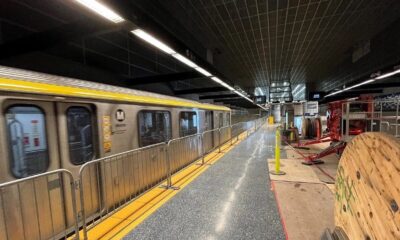
Public transportation plays a vital role in the bustling city of Los Angeles, connecting thousands of commuters to their destinations every day. However, recent safety concerns on LA Metro trains and buses have raised eyebrows and prompted action. In response, LA Metro has launched the “Let’s Ride Safely Together” campaign, aiming to ensure a secure and pleasant experience for all passengers. This blog post explores the measures implemented by LA Metro to address these safety concerns and foster a safer environment for commuters.

Enhanced Security:
LA Metro’s commitment to passenger safety is evident through strategic investments in people, infrastructure, and technology. The presence of security staff and law enforcement personnel helps enforce Metro rules and swiftly address any criminal activities. Additionally, the installation of more lighting, security cameras, and Blue Light Call Boxes enhances overall safety. Metro’s dedicated CCTV team continuously monitors the system, ensuring prompt responses to incidents and dispatching assistance when needed. To further empower passengers, LA Metro provides the LA Metro Transit Watch app, enabling users to connect with Metro Security 24/7 and report safety issues.

Customer Care:
LA Metro recognizes the importance of providing assistance to passengers in need. By increasing personnel across the system, they ensure a safe and smooth journey for every rider. The introduction of Metro Ambassadors serves the dual purpose of helping passengers navigate the system and reporting any issues that require attention. Moreover, LA Metro is expanding its homeless outreach efforts, connecting the unhoused population with shelter and essential services. Soon, crisis intervention teams will be deployed to aid those in need.

Commitment to Cleanliness:
A clean environment is essential for ensuring safety. LA Metro is intensifying its efforts to maintain cleanliness throughout the system. By adding more cleaning staff during the day, they aim to improve the overall appearance and hygiene of vehicles and stations. To address passenger feedback, LA Metro is accelerating the replacement of cloth seating with vinyl seats, ensuring easier maintenance and cleanliness. Passengers are encouraged to play an active role in keeping the system clean by reporting any issues they notice to the appropriate channels.
The LA Metro campaign
LA Metro’s “Let’s Ride Safely Together” campaign demonstrates a steadfast commitment to passenger safety and satisfaction. Through investments in security personnel, enhanced technology, and increased customer care initiatives, LA Metro is actively addressing safety concerns. The implementation of cleanliness measures further contributes to a safer and more pleasant commuting experience. By treating fellow riders and Metro employees with respect and kindness, passengers can collectively contribute to a culture of safety and mutual consideration. As LA Metro continues its efforts to improve the system, let’s all play our part in riding safely together. For more information, please visit: https://www.metro.net/riding/safety-security/
https://stmdailynews.com/category/the-bridge/urbanism
About LA Metro
Los Angeles County Metropolitan Transportation Authority (LACMTA), branded as Metro, is the county agency responsible for planning, operating, and coordinating funding for a substantial portion of the public transportation system in Los Angeles County, California, the most populous county in the United States.
Metro directly operates an extensive transit network that includes bus, light rail, heavy rail (subway), and bus rapid transit services, offering a variety of options to meet the diverse transit needs of the county’s residents.
In addition to its direct operations, Metro provides substantial funding for other transit services that it does not run itself. This includes support for Metrolink commuter rail, various municipal bus operators, and paratransit services, ensuring a comprehensive and interlinked transportation system. The agency also plays a pivotal role in the planning and funding of railroad and highway projects across Los Angeles County.
Metro’s commitment to excellence is reflected in its ridership numbers. In 2023, the Metro system saw a total ridership of 284.9 million, with 903,000 riders per weekday by the first quarter of 2024. These figures solidify Metro’s position as the largest transit agency by ridership in the state of California, and the third-largest in the United States.
Moreover, Metro is continuously improving and expanding its services to accommodate the growing population and to make public transportation more accessible and efficient. These efforts include new rail extensions, enhancements in bus services, and the development of innovative transit solutions.
As Los Angeles County continues to grow and evolve, Metro’s role becomes increasingly vital, not just in moving people, but in shaping the future of transportation and contributing to the overall quality of life for its residents. Through strategic planning, sustainable practices, and community involvement, Metro is poised to meet the challenges of tomorrow while serving the needs of today. (Wikipedia)




The Knowledge
Exploring the Best Neighborhoods in Downtown Los Angeles
From the Arts District and Little Tokyo to the Historic Core and Bunker Hill, discover the best neighborhoods in Downtown Los Angeles and what makes each one worth exploring.
Last Updated on August 5, 2026 by Daily News Staff
The Best Neighborhoods in Downtown Los Angeles
Downtown Los Angeles has undergone one of the most remarkable transformations of any urban center in the United States. Once known primarily as the city’s business district, DTLA has evolved into a vibrant collection of neighborhoods, each offering its own unique character, history, dining, entertainment, and cultural experiences.
Whether you’re a first-time visitor, a longtime Angeleno, or planning your next weekend adventure, these are some of Downtown LA’s must-visit neighborhoods.
Arts District: Where Creativity Comes to Life
The Arts District has become one of the city’s most exciting destinations. Former warehouses have been transformed into lofts, art galleries, coffee shops, breweries, and award-winning restaurants.
Visitors can spend hours exploring colorful murals, browsing independent boutiques, and discovering public art around nearly every corner. It’s a neighborhood that celebrates creativity while preserving its industrial roots.
Perfect for: Art lovers, photographers, foodies, and nightlife.
Historic Core: A Walk Through Old Los Angeles
The Historic Core showcases Downtown LA’s architectural heritage. Along Broadway and surrounding streets, beautifully restored theaters, historic hotels, and early 20th-century buildings tell the story of a booming city during Hollywood’s Golden Age.
Highlights include the iconic Bradbury Building, Grand Central Market, and numerous rooftop restaurants overlooking the skyline.
Perfect for: History buffs and architecture enthusiasts.
South Park: Entertainment Central
South Park is home to some of Los Angeles’ biggest attractions, including LA Live and Crypto.com Arena. The neighborhood has added thousands of apartments, new restaurants, hotels, and entertainment venues over the past two decades.
Whether you’re attending a Lakers game, a concert, or simply enjoying dinner before an event, South Park offers something for everyone.
Perfect for: Sports fans, concerts, and nightlife.
Little Tokyo: A Cultural Treasure
One of only a handful of historic Japantowns remaining in the United States, Little Tokyo offers authentic Japanese cuisine, specialty shops, cultural events, museums, and peaceful gardens.
From fresh sushi and ramen to Japanese bakeries and tea houses, visitors can experience generations of cultural heritage in just a few city blocks.
Perfect for: Families, food lovers, and cultural exploration.
Bunker Hill: Downtown’s Cultural Heart
Bunker Hill combines modern architecture with world-class arts and culture. Home to Walt Disney Concert Hall, The Broad, the Museum of Contemporary Art, and Grand Park, this neighborhood is ideal for visitors looking to experience Downtown’s artistic side.
Its dramatic skyline and public spaces also make it one of the most photographed areas in Los Angeles.
Perfect for: Museum lovers and architecture fans.
Financial District: The Skyline of Los Angeles
Glass skyscrapers, luxury hotels, and bustling sidewalks define the Financial District. While it remains the city’s business center during the workweek, the neighborhood also offers excellent dining, rooftop lounges, and convenient access to other parts of Downtown.
Chinatown: Tradition Meets Modern LA
Los Angeles’ Chinatown blends rich history with a growing collection of contemporary restaurants, galleries, and community events. Visitors can enjoy traditional cuisine alongside modern culinary experiences while exploring one of the city’s oldest cultural neighborhoods.
Fashion District: A Shopper’s Paradise
Covering more than 100 city blocks, the Fashion District is one of the largest garment centers in the country. Whether you’re searching for fabrics, clothing, accessories, or bargains at Santee Alley, this neighborhood attracts shoppers from across Southern California.
A Downtown That Continues to Evolve
Downtown Los Angeles isn’t just one destination—it’s a collection of neighborhoods that reflect the city’s diversity, creativity, and resilience. From historic landmarks and world-class museums to vibrant street art and internationally inspired cuisine, DTLA offers something new around nearly every corner.
Whether you’re planning a day trip or an extended visit, exploring these neighborhoods is one of the best ways to experience the energy and history of Los Angeles.
Related External Links
- Discover Los Angeles – Explore Downtown LA
- Grand Central Market
- The Broad Museum
- Walt Disney Concert Hall
- Japanese American National Museum (Little Tokyo)
- Arts District Los Angeles
- LA Live
- LA Metro – Getting Around Downtown Los Angeles
- Olvera Street and El Pueblo Historic Monument
- Visit California – Los Angeles Travel Guide
📰 Enjoying STM Daily News? Join the conversation!
💬 Leave a comment, share your thoughts, and subscribe to our newsletter for the latest stories, updates, and “News You Can Use This Moment!” delivered to your inbox.
Stay connected with STM Daily News!

Few transportation systems in the world are as instantly recognizable as the cable cars of San Francisco. Climbing steep hills with a steady hum and a nostalgic charm, these moving landmarks are more than just a tourist attraction—they’re a triumph of innovation born out of necessity.
🐎 A Problem on the Hills
In the mid-1800s, San Francisco was growing rapidly, but its geography posed a serious challenge. The city’s steep inclines made travel difficult, especially for horse-drawn streetcars, which were the primary form of public transportation at the time.
Horses often struggled to pull heavy loads uphill, and accidents were common. In some cases, animals collapsed under the strain. This dangerous and inefficient system needed a solution.
💡 The Vision of Andrew Hallidie
That solution came from Andrew Smith Hallidie, an engineer and entrepreneur who envisioned a safer, more reliable way to move people through the city.
Hallidie developed a system in which streetcars would be pulled by a continuously moving cable running beneath the street—eliminating the need for horses altogether.
⚙️ The First Cable Car Line
On August 2, 1873, Hallidie launched the world’s first cable car system: the Clay Street Hill Railroad.
This groundbreaking line proved that cable-powered transit could successfully navigate San Francisco’s steep terrain. Instead of relying on animal power, cars used a mechanical grip to latch onto a moving cable underground, allowing them to glide smoothly up and down hills.
The innovation quickly captured public attention—and demand.
🚀 A City Transformed
Following the success of the Clay Street line, cable car systems spread rapidly across San Francisco.
By the late 19th century:
- Dozens of routes crisscrossed the city
- Cable cars became the backbone of urban transportation
- The system helped shape the city’s growth and accessibility
For a time, San Francisco operated the largest and most advanced cable car network in the world.
⚡ The Rise of Electric Streetcars
Despite their success, cable cars faced competition from emerging electric streetcar systems in the early 20th century. Electric trolleys were cheaper to build and operate, and they didn’t require the complex underground cable infrastructure.
The turning point came after the devastating 1906 San Francisco earthquake, which destroyed much of the city—including large portions of the cable car network.
When rebuilding began, many lines were converted to electric systems instead of restoring the older cable technology.
San Francisco’s cable car system, first launched in 1873, remains the last manually operated system of its kind. According to the San Francisco Municipal Transportation Agency (SFMTA) , the system was designed to safely navigate the city’s steep terrain.
The cable cars are now designated as a National Historic Landmark, recognized for their cultural and engineering significance by the National Park Service .
Visitors can explore the history and mechanics of the system at the San Francisco Cable Car Museum , which preserves original equipment and archives.
🛑 Saving a Symbol
By the 1940s, cable cars were on the brink of extinction.
That’s when Friedel Klussmann stepped in. A passionate preservationist, Klussmann led a public campaign to protect the remaining lines from being dismantled.
Her efforts culminated in a successful 1947 voter referendum that ensured the survival of San Francisco’s cable cars—transforming them from everyday transit into a preserved cultural landmark.
🌉 Cable Cars Today
Today, San Francisco’s cable cars are:
- The last manually operated cable car system in the world
- A National Historic Landmark
- One of the most visited attractions in California
Three lines remain in operation:
- Powell–Hyde Line
- Powell–Mason Line
- California Street Line
While they still function as public transit, they now serve as a moving museum—connecting modern riders with the city’s past.
🎯 Why It Matters
San Francisco’s cable cars represent more than a mode of transportation. They tell a story of innovation, resilience, and community action.
From solving a practical problem to becoming a global icon, the cable car system reflects how cities adapt—and how people fight to preserve what makes them unique.
📌 “Now You Know”
San Francisco’s cable cars weren’t built for tourism—they were invented to solve a life-and-death problem on steep city streets. Today, they remain the last system of their kind anywhere in the world.
🔗 External Sources & Related Links
- SFMTA – Cable Cars Overview
- San Francisco Cable Car Museum
- National Park Service – Historic Landmark Info
- Britannica – Cable Car History
- History.com – Invention of Cable Cars
Explore the latest in innovation, AI, gadgets, startups, and digital trends in STM Daily News’ Techsection.
Transportation
California High-Speed Rail Reaches Major Milestone as Track Installation Nears
California High-Speed Rail project reaches a major milestone with over 80 miles of guideway completed and track installation approaching. Learn what this means for the future of high-speed rail in the United States.
For years, California’s High-Speed Rail project has been the subject of debate, delays, and soaring cost estimates. Yet despite the challenges, the state’s ambitious effort to build America’s first true high-speed rail system has reached a significant milestone that signals tangible progress.
According to the California High-Speed Rail Authority, more than 80 miles of guideway structures have now been completed across the Central Valley, with active construction underway on approximately 119 miles of the future rail corridor. The project has also completed dozens of major infrastructure structures, including bridges, viaducts, and grade separations designed to carry trains traveling at speeds of up to 220 mph.
Perhaps the most important milestone is what comes next: track installation. After years of earthmoving, bridge construction, and utility relocation, the project is transitioning from building the pathway to building the railroad itself. This shift marks one of the clearest signs yet that the long-discussed system is moving closer to becoming operational.
Building the First Operating Segment
Current efforts are focused on creating an initial operating segment connecting Merced and Bakersfield through California’s Central Valley. Once completed, the line will serve communities including Merced, Fresno, Kings County, Tulare County, and Bakersfield.
The first operating segment is expected to span approximately 171 miles and is targeted for passenger service in the early 2030s. While this initial section does not yet connect the Bay Area or Los Angeles, state officials view it as a critical foundation for future expansion.
A Vision Decades in the Making
California voters approved funding for high-speed rail in 2008 with the vision of linking San Francisco and Los Angeles through a fast, environmentally friendly transportation system. Since then, the project has faced legal challenges, political opposition, funding uncertainties, and rising construction costs.
Supporters argue that the project will reduce highway congestion, lower greenhouse gas emissions, create jobs, and provide a modern transportation alternative for one of the nation’s most populated states.
Critics continue to question the project’s overall cost and timeline, particularly regarding future extensions to major metropolitan areas.
Why This Milestone Matters
Large infrastructure projects often progress slowly and out of public view. The completion of major structures and the upcoming installation of track represent visible signs that California’s high-speed rail system is advancing beyond planning and engineering.
While significant work remains before passengers can board a train, the project has entered a new phase—one focused on turning years of construction into a functioning rail network.
For Californians who have followed the project since its inception, this milestone serves as a reminder that despite setbacks and controversy, the state’s high-speed rail vision is steadily taking shape across the Central Valley.
As construction continues, the coming years will determine whether this first operating segment can become the launching point for a statewide high-speed transportation system connecting California’s largest cities.
Learn More About High-Speed Rail and Transportation Infrastructure
- California High-Speed Rail Authority Project Overview
- California High-Speed Rail Construction Updates
- Federal Railroad Administration: High-Speed Rail Information
- Brightline West: High-Speed Rail Connecting Southern California and Las Vegas
- Amtrak: America’s Passenger Rail Network
Source:
The California High-Speed Rail Authority (HSRA) project updates and 2026 Business Plan.
STM Daily News is a vibrant news blog dedicated to sharing the brighter side of human experiences. Emphasizing positive, uplifting stories, the site focuses on delivering inspiring, informative, and well-researched content. With a commitment to accurate, fair, and responsible journalism, STM Daily News aims to foster a community of readers passionate about positive change and engaged in meaningful conversations. Join the movement and explore stories that celebrate the positive impacts shaping our world.




