

home improvement
Be Ready for Winter Weather: 5 tips to prep your home for cold, wet conditions
Americans should brace for a potentially cold and wet winter, according to NOAA and this year’s Farmer’s Almanac Winter Outlook. That means now is a perfect opportunity to think about preparing your family and home for the colder months ahead.

Last Updated on November 30, 2024 by Daily News Staff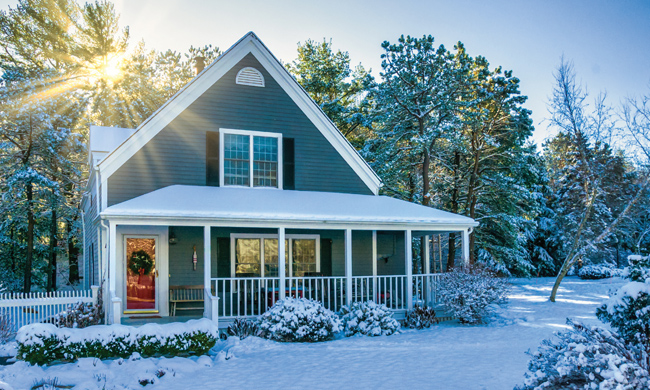
(Family Features) Americans should brace for a potentially cold and wet winter, according to NOAA and this year’s Farmer’s Almanac Winter Outlook. That means now is a perfect opportunity to think about preparing your family and home for the colder months ahead.
From heating homes with a high-performing furnace or fireplace to keeping children warm and comfortable on school buses, propane can help keep families cozy this winter.
Relying on a diverse energy mix – including propane, solar and wind – can help ensure you’re prepared for whatever winter brings and reduce the strain on the fragile electric grid. Plus, propane is a stable energy source that is stored on-site and can keep homes operating during severe weather or utility power interruptions. Using propane also produces 43% fewer greenhouse gas emissions than an equivalent amount of electricity generated from the grid.
Get winter-ready with these tips from the experts at the Propane Education & Research Council:
Have Your Furnace Serviced. Proactively think about ways you can reduce the demand on your heating system. In addition to scheduling routine maintenance by a trained professional, there are a few things homeowners can do. First, open all air vents and make sure they are uncovered as blocked airflow forces the furnace to work harder.
Check the thermostat to ensure it’s working properly by increasing the temperature by 5 F and waiting to hear the furnace turn on. Consider setting the thermostat a couple degrees cooler than what might feel comfortable as doing so not only saves money but lessens the load from your furnace. Keep thermostats at 65 F during the day and 55 F at night, closing off rooms that don’t need to be heated.
Using a programmable thermostat can save homeowners as much as 10% per year on heating costs, according to the U.S. Department of Energy. It’s also a good idea to replace air filters every 1-3 months to help keep your furnace working efficiently and effectively.
Upgrade Your Furnace. If it’s time to upgrade your home’s climate control system, it’s a smart idea to do your homework and explore your options. There are several state and federal incentive programs to help homeowners upgrade their current systems to a clean energy option like propane. Propane is an affordable, comfortable, reliable and efficient energy source. It’s also a clean, low-carbon option. What’s more, propane-powered furnaces last 50% longer than electric heat pumps, which means a lower lifetime investment. Propane furnaces also provide warmer air than other heat sources (115-125 F), are less impacted by outdoor temperatures and produce 50% fewer greenhouse gas emissions than electric furnaces and 12% less than fuel oil furnaces.
Rethink Your Boiler System. For a home that runs on a boiler system, you can make upgrades that improve performance while providing space savings and the versatility to provide heating, hot water and even snow melt. High-efficiency propane boilers can last up to 30 years and have significantly lower emissions than those fueled by heating oil.
Take Advantage of Your Fireplace. The warm glow of a fire isn’t only comforting; it can be a practical and effective way to increase the heat inside your home. Not only do propane fireplaces offer 5-6 times the heating capacity of electric fireplaces, they’re also more energy efficient, environmentally friendly, convenient to use and easier to install than woodburning models. They also emit less soot and other emissions.
Be Efficient with Water Heating. Water heating can be a large expense, accounting for 14-18% of home utility bills, according to the U.S. Department of Energy. Set your water heater no higher than 120 F and install low-flow shower heads or temperature-sensitive shower valves to reduce energy consumption. High-performance propane tankless water heaters can reduce a home’s energy consumption because it only heats the water when you need it, ultimately saving you money.
Find more tips to prepare your home for winter weather at Propane.com.
Preparing for Winter Storms
Before, during and after a storm, consider these key factors to help keep your family and home as safe as possible.
Have an Adequate Propane Supply
Discuss the possibility of scheduling regular winter visits with your propane supplier so you always have an adequate supply of propane in your tank. This can reduce your chances of running empty in times of heavy snowfall when roads may be inaccessible for delivery.
Create an Emergency Plan
Work with your family to create a plan in the event of a winter storm. Gather contact information for emergency services and utility companies, including your local propane supplier, along with instructions for turning off your propane, electricity and water. If you turn off your propane, contact a service technician to inspect your system before turning it back on.
Install Carbon Monoxide Detectors
Because carbon monoxide is an odorless, colorless gas that is highly poisonous, the International Association of Fire Chiefs recommends installing a carbon monoxide detector listed by Underwriters Laboratories (UL) on every level of your home, including the basement. Make sure to follow the manufacturer’s instructions regarding installation, location and maintenance.
Plan for Communications
Keep a battery-powered radio handy, so you always have a way to receive updates on weather conditions. As storms approach, it’s also smart to charge your smartphone to use as an additional tool for communication through a power outage. Purchasing a propane generator is another option to ensure you always have reliable power, even during blackouts.
Inspect Damage Cautiously
If a storm causes harm to your property, be careful when assessing damage. Downed power lines, damaged gas lines and dislodged propane tanks can lead to dangerous situations. In the dark, use a flashlight instead of candles to avoid combustion if there is a leak.
Call the Experts in Dangerous Situations
Your utility company, fire department and propane supplier have expert training to handle your home’s systems in potentially dangerous situations. Additionally, if a storm damages your property, it’s a good idea to have a qualified service technician perform a complete inspection of your propane system to look for damage.
SOURCE:
Propane Education & Research Council
Our Lifestyle section on STM Daily News is a hub of inspiration and practical information, offering a range of articles that touch on various aspects of daily life. From tips on family finances to guides for maintaining health and wellness, we strive to empower our readers with knowledge and resources to enhance their lifestyles. Whether you’re seeking outdoor activity ideas, fashion trends, or travel recommendations, our lifestyle section has got you covered. Visit us today at https://stmdailynews.com/category/lifestyle/ and embark on a journey of discovery and self-improvement.
Author


home improvement
Going Beyond Aesthetics: 7 Home Design Trends for 2026
Heading into a new year, home design is once again evolving. Homeowners are blending comfort, personality, sustainability and connections to the outside world this year. Whether you’re refreshing a room or planning a full-blown makeover, consider these ideas for inspiration that feels both timeless and fresh.

Last Updated on April 2, 2026 by Daily News Staff
(Feature Impact) Heading into a new year, home design is once again evolving. Homeowners are blending comfort, personality, sustainability and connections to the outside world this year. More than just aesthetics, these trends are warm, intentional and rooted in real life.
Whether you’re refreshing a room or planning a full-blown makeover, consider these ideas for inspiration that feels both timeless and fresh.
Warm, Earthy Palettes
This year, say goodbye to whites and cool grays. Instead, cozy earth tones like clay, sage, caramel and rich neutrals create a grounded, inviting atmosphere. Refresh walls or cabinetry with these earthy hues or try color-drenching – using a single hue in varying tones across walls, trim and ceilings – for a bold new vibe that feels both timeless and modern.
Flowing, Curved Shapes
As homes trend more toward feeling lived-in rather than staged, hard edges and rigid forms are taking a backseat. In 2026, curves are everywhere: soft archways, rounded furniture and curved statement pieces – think circular mirrors or oversized armchairs – create fluid, comforting spaces.
Natural Materials and Textures
Designs this year celebrate materials that age beautifully, like natural stone, reclaimed wood and textiles that tell a story. Consider woven pillows and throws, handmade pottery, textured walls and wood with visible grain to enrich rooms with sensory detail and an artisanal feel.
Personalized Nostalgia
Blend vintage finds with contemporary art to create a space that’s truly your own. That means vintage finds, heirloom pieces and decor that evokes memory – even quilted textiles or classic checkered tiles – styled in fresh, modern ways to add warmth and individuality.
Attention to Statement Details
Small details are getting big attention this year. Swapping out basic cabinet hardware and lighting fixtures for artisanal, tactile metals can help elevate kitchen cabinets or bathroom vanities, turning them into design statements.
Flexible, Multifunctional Spaces
With hybrid work and lifestyle blending continuing into 2026, rooms should be designed to serve multiple purposes. Reading nooks can double as workstations. Living rooms effortlessly transition from day to night. Adaptable furniture, hidden storage and smart layouts help make multifunctional spaces feel intentional and uncluttered.
Outdoor-Inspired Interiors
The connection to nature grows stronger inside homes with greenery, natural light and materials that echo the outdoors. From indoor-outdoor flow to plant-rich spaces that feel alive and tranquil, biophilic design promotes calm, comfort and connection.
Visit eLivingtoday.com to find more design inspiration to make your home more personal and grounded in comfort.
Photo courtesy of Shutterstock

SOURCE:
Welcome to the Consumer Corner section of STM Daily News, your ultimate destination for savvy shopping and informed decision-making! Dive into a treasure trove of insights and reviews covering everything from the hottest toys that spark joy in your little ones to the latest electronic gadgets that simplify your life. Explore our comprehensive guides on stylish home furnishings, discover smart tips for buying a home or enhancing your living space with creative improvement ideas, and get the lowdown on the best cars through our detailed auto reviews. Whether you’re making a major purchase or simply seeking inspiration, the Consumer Corner is here to empower you every step of the way—unlock the keys to becoming a smarter consumer today!
Last Updated on April 2, 2026 by Daily News Staff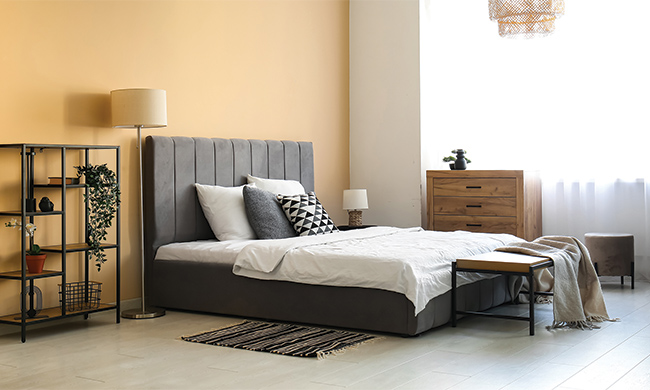
(Feature Impact) Making changes to a bedroom doesn’t have to break the bank. Simple swaps, a little DIY and some inexpensive purchases can go a long way toward freshening up the place you lay your head.
Better Bedding
If you can’t remember the last time you bought a new comforter, it may be time to snag one. Think beyond the luxury home stores and check out discount home decor retailers and even thrift stores, where you can often find new, unopened bedding at a fraction of the cost. A fluffy throw blanket in a dynamic new color might be the perfect way to rejuvenate your bed.
Playful Pillows
Few things spruce up a bedroom more than new throw pillows. Available in a myriad of sizes and shapes – from squares to rectangles to asymmetrical – there is no shortage of ways to use these functional pieces to brighten up a space.
Uplifting Light
Old-fashioned lamps, ancient wall sconces and dusty chandeliers can make a room feel stale. Scouring consignment stores and estate sales for new lighting can take a bedroom from dated to delightful without spending a ton of cash. If big box stores are more your thing, you can find budget lamps in unexpected departments; for example, try the back-to-school sections for dorm-friendly finds like twinkle lights and small bedside lamps. These little pops of light can both brighten and cozy up a room with minimal effort.
Punchy Paint
Repainting a room is a doable DIY project, and it can make a huge difference in how a room looks andfeels. Give yourself time to peruse the countless paint swatches at specialty paint stores or home improvement stores. If you’ve always gravitated toward earthy tones, maybe opt for a color with a little more depth or saturation. If brighter hues are your thing, go a little darker. If you love the idea of painting but worry about buyer’s remorse, start with an accent wall.
Heavenly Hardware
Functional hardware like drawer pulls and doorknobs can be replaced without much effort or money. Secondhand stores, online marketplaces and even furniture boutiques can be a goldmine for offbeat and unique hardware. Be sure to think beyond your bedside, too. Wardrobe handles, closet rods, sconces, wall hooks and hinges can be swapped out easily and inexpensively.
Find more tips and guidance to give your bedroom a budget-friendly upgrade at eLivingtoday.com.
Photo courtesy of Shutterstock

SOURCE:
Welcome to the Consumer Corner section of STM Daily News, your ultimate destination for savvy shopping and informed decision-making! Dive into a treasure trove of insights and reviews covering everything from the hottest toys that spark joy in your little ones to the latest electronic gadgets that simplify your life. Explore our comprehensive guides on stylish home furnishings, discover smart tips for buying a home or enhancing your living space with creative improvement ideas, and get the lowdown on the best cars through our detailed auto reviews. Whether you’re making a major purchase or simply seeking inspiration, the Consumer Corner is here to empower you every step of the way—unlock the keys to becoming a smarter consumer today!

Refresh Your Home: A Room-by-Room Spring Cleaning Checklist
(Feature Impact) After months of winter, spring cleaning isn’t just about dusting and vacuuming – it’s about inviting sunlight and fresh air into your space through the open windows and giving yourself a fresh start for the longer days ahead.
It’s also a perfect opportunity to clear out the old and make room for new experiences, memories and energy. Whether you’re tackling deep cleaning for the first time or you have seasonal rituals for tidying up your home, this room-by-room guide can help you plan and conquer seasonal chores.
Whole Home:
- Declutter spaces: Donate, recycle or discard what you don’t need
- Wash windows inside and out
- Dust baseboards, walls, vents and ceiling fans
- Wipe down doors, knobs and light switches
- Vacuum and clean under and behind furniture
- Clean curtains and blinds
- Store seasonal items like winter clothing and decor
- Replace air filters
- Shampoo carpet
Kitchen:
- Empty and wipe down refrigerator and freezer
- Clean oven, stovetop and microwave
- Scrub countertops and backsplashes
- Clean out the garbage disposal
- Sweep and mop floors
- Organize the pantry and throw away any expired items
Bathrooms:
- Scrub grout and tile
- Clean mirrors and glass surfaces
- Deep clean toilets
- Wipe down cabinets and bathroom fixtures
- Wash rugs, floor mats and the shower curtain and liner
- Empty trash and clean the bin
Bedrooms and Other Living Areas:
- Wash bedding, pillows and linens
- Organize closets and drawers
- Vacuum chair, couches and mattresses as well as under cushions
- Dust shelves and decor
- Clean light fixtures and lampshades
Outdoor Areas:
- Power wash patios, sidewalks and driveways
- Wipe down outdoor furniture and replace textiles like pillows, cushions and umbrellas
- Clear debris from garden beds
- Prune shrubs, plants and trees
- Organize garages and sheds
- Reconnect hoses and sprinklers
- Prep lawn equipment such as mowers, weed eaters and blowers
For more spring cleaning tips and tricks, visit eLivingtoday.com.
Photo courtesy of Shutterstock


SOURCE:
Welcome to the Consumer Corner section of STM Daily News, your ultimate destination for savvy shopping and informed decision-making! Dive into a treasure trove of insights and reviews covering everything from the hottest toys that spark joy in your little ones to the latest electronic gadgets that simplify your life. Explore our comprehensive guides on stylish home furnishings, discover smart tips for buying a home or enhancing your living space with creative improvement ideas, and get the lowdown on the best cars through our detailed auto reviews. Whether you’re making a major purchase or simply seeking inspiration, the Consumer Corner is here to empower you every step of the way—unlock the keys to becoming a smarter consumer today!





