

Consumer Corner
Bird flu flares up again in Michigan poultry – an infectious disease expert explains the risk to humans, chickens, cows and other animals


Kimberly Dodd, Michigan State University
After a relatively quiet fall, there’s been another spike in cases of bird flu in Michigan.
When state officials announced on Dec. 16, 2024, that bird flu had been found in another poultry facility in Ottawa County, it was the first time the H5N1 virus had been detected in Michigan poultry in over six months. Since then, the U.S. Department of Agriculture has confirmed seven more outbreaks – in five commercial and two backyard flocks – in the state, the most recent in Oakland County.
Meanwhile, on Jan. 6, 2025, the Centers for Disease Control and Prevention reported the first human death from bird flu in the U.S., in Louisiana.
Bird flu is a complex and evolving disease with significant impact to the poultry and dairy industries. Since the beginning of the outbreaks in poultry and cattle, almost 135 million birds and more than 900 cattle herds have been affected nationwide. A significant number of wild animals – such as raccoon, skunks, foxes and bobcats – as well as marine mammals and domestic cats have also died from the virus.
Kimberly Dodd, dean of Michigan State University’s College of Veterinary Medicine, is an expert in outbreak response for emerging infectious diseases. Michigan was among the first states to see H5N1 outbreaks in commercial poultry and dairy facilities. Both state and federal officials have worked closely with the Michigan State University Veterinary Diagnostic Laboratory to identify newly infected herds, while continuing to provide surveillance for the virus in poultry and wild birds.
Dodd talked to The Conversation U.S. about the risks H5N1 presents to families, pets and livestock, and how researchers are working together to find ways to limit its spread.
What are Michigan researchers learning about the outbreak?
In the case of H5N1 in cows, scientists and animal health experts here in Michigan and around the country are working to understand a familiar disease in a novel species.
The transmission of the avian flu virus H5N1 to dairy cattle was first confirmed in March 2024 in Texas and has since spread to 15 other U.S. states, most recently California.
The virus impacts milk production and poses significant risks to other bird species, particularly domestic poultry as well as some mammals. The CDC has also confirmed mild cases in humans, and a fatal one in Louisiana in January 2025.
Diagnosticians at Michigan State University and the USDA’s National Animal Health Laboratory Network provide rapid diagnostics to identify infected herds and monitor the virus in wild birds and mammals, helping control the spread.
We’ve learned, based on sequencing the circulating viruses, that there is a specific virus strain or H5N1 genotype, B3.13, circulating in cows and poultry. Subtle changes over time in the genetic makeup of the virus points to a single spillover event. This means the virus likely spread from wild birds to a cow in Texas, and then spread from cow to cow. We also know that there is a separate H5N1 genotype, D1.1, that is currently circulating in wild birds and domestic poultry.
Researchers in our College of Veterinary Medicine are working with federal and state officials and farmers to determine how long cows produce infectious milk. The goal is to understand how cows are becoming infected within and across herds so that we can better mitigate the spread.
Why is it called bird flu if it sickens other animals too?
Influenza viruses affect many animals including humans, pigs, dogs and horses.
There are four types of influenza viruses: A, B, C and D, which are loosely defined by the species they can infect. Avian influenza viruses are considered influenza A viruses. Interestingly, influenza D viruses are the ones that primarily infect cattle. But the current H5N1 circulating in dairy cattle is the same influenza A virus as seen in the ongoing outbreak in birds.
This is of particular concern, as only influenza A viruses have been associated with human pandemics.
Avian influenza viruses circulate in wild birds but don’t typically cause them significant disease. While many avian influenza viruses can infect poultry, their behavior in those hosts classifies the virus as either highly pathogenic or low pathogenic. It’s important to note that this classification doesn’t necessarily indicate how easily it spreads or the likelihood that the virus will jump to other species.
The currently circulating strain is classified as highly pathogenic avian influenza, or HPAI, based on the high mortality it causes domestic poultry. One of the many unusual characteristics of the current outbreak is the high mortality seen in wild birds; as a result, we have seen many species of young carnivores and scavengers infected by the virus.
Infection in other species often requires exposure to a large amount of virus, or a compromised or underdeveloped immune system. These are typically “dead-end hosts.” They become infected but do not play a role in virus spread because either the animal dies or it becomes infected but not infectious.
The current outbreak of HPAI H5N1 has been ongoing since 2021. The outbreak is notable for its duration, wide geographic spread and unusual impact on nonpoultry species as well. It has caused significant illness and death in wild birds like ducks and geese, as well as mammals exposed to infected bird carcasses like cats and skunks.
However when the USDA unexpectedly confirmed that H5N1 was the cause of significant disease in dairy cattle in early 2024, it marked the first time that the virus was detected in U.S. dairy cattle.
What does the virus do to cattle?
Most cows infected with H5N1 recover on their own without treatment. Symptoms include fever and sluggishness. There is also decreased appetite and a significant drop in milk production in lactating cows, as the virus is concentrated in the mammary glands and milk.
There are three reasons to care about the ongoing H5N1 outbreak in dairy cattle:
First, the drop in milk production and the virus’s infectious nature create challenges for farmers to control the infection and lead to economic losses. In addition to the production losses, there are additional labor and supply costs to manage the outbreak in the herd, including separation and supportive care of sick cows. Workers also need to use personal protective equipment to prevent spread of the virus to healthy animals and to protect themselves from potential infection.
Second, dairy cows produce large amounts of the virus in milk, which is highly infectious. While pasteurization kills the virus, raw milk remains a major infection risk. Significant numbers of wild mammals and domestic cats on dairy farms have died from the virus after consuming raw milk. It also poses a risk to dairy workers.
The virus has also spread from dairy farms to poultry facilities, causing high bird mortality. Experts are exploring the possibility that clothing, shoes, trucks, equipment and other items that have been contaminated with raw milk containing the virus can lead to inadvertent, and lethal, exposure for poultry.
Third, prolonged circulation in cattle increases the risk of the virus adapting to mammals, including humans.
To monitor this risk, all H5N1-positive samples are sent to the USDA for genetic sequencing to identify mutations that may increase the virus’s ability to infect mammals and to provide important information about how the virus spreads within and between populations.
How do we manage H5N1 moving forward?
Biosecurity for poultry and dairy facilities is more critical than ever. Biosecurity measures include limiting visitors to farms and facilities; disinfecting tools, footwear and equipment; avoiding contact between infected and noninfected species; and isolating sick animals.
These measures play an important role in both containing the virus and keeping it away from other animals, properties and people.
Kimberly Dodd, Dean of College of Veterinary Medicine, Michigan State University
This article is republished from The Conversation under a Creative Commons license. Read the original article.
Author

Discover more from Daily News
Subscribe to get the latest posts sent to your email.





Last Updated on December 15, 2025 by Rod Washington

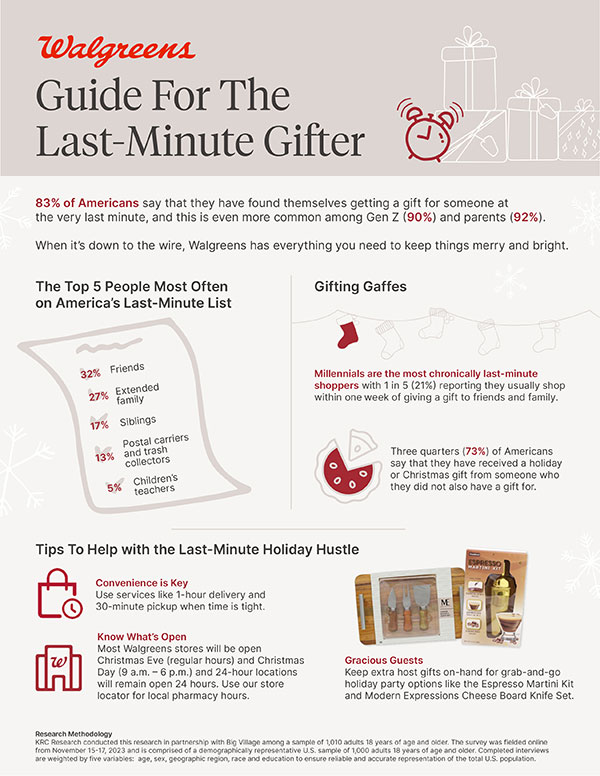
(Family Features) If you’ve ever found yourself buying a holiday gift for someone on your list at the last minute, you’re not alone. According to a Walgreens U.S. gift-giving survey, 83% of Americans found themselves getting a gift for someone at the last minute – a trend even more common among Gen Z (90%) and parents (92%). To help keep things merry and bright, consider these tips to help with the last-minute holiday hustle, and visit Walgreens.com or a store near you to find deals and gift inspiration.
SOURCE:
Walgreens
Author
Discover more from Daily News
Subscribe to get the latest posts sent to your email.
Automotive
Set Yourself Up for Safe Winter Driving
Set yourself up for safe winter driving with these essential tips: switch to winter tires, check air pressure, protect off-season wheels, and maintain tread depth. Learn how to prepare your car for snow and ice so you can drive with confidence all season.

Set Yourself Up for Safe Winter Driving
(Family Features) Waiting for the first snow or ice storm to hit puts you and your tires behind the curve when it comes time to get behind the wheel. Preparing your vehicle and brushing up on smart winter driving tips helps ensure you arrive at your destination safely, no matter the weather. Consider Winter Tires When temperatures drop below 45 F, winter tires maintain flexibility and road grip, contrary to all-season tires that don’t perform as well in these conditions. Winter tires are designed for better traction and stopping power in ice, slush and snow. Change Out Seasonal Wheels and Rims Swapping summer or all-season tires for winter ones will ensure your vehicle has the best traction possible, but that’s just part of the story. Slippery, wet and icy roads mean vehicles tend to skid and lose control, striking curbs and other objects that scratch, dent and scuff. Snow and winter wheels are a smart way to protect summer rims from snow, ice and road-clearing chemicals like salt. Protect Offseason Tires It’s important to protect your offseason tires from below freezing temperatures, sunlight, moisture and other harsh weather conditions. Consider Discount Tire’s Tire Hotel service, available at select locations, where stores help preserve the condition of tires, handling tire rotations, inspections and maintenance when it’s time to change the winter tires back. Maintain Target Air Pressure The impact changing temperatures have on your tire pressure can create numerous issues, including poor handling, worse gas mileage, excessive wear and overloading. Prevent problems by checking your air pressure at least once a month when your tires are cool and before any long trip. For every 10 F in ambient temperature change, tire air pressure changes 1 PSI (pound per square inch). That means you need to check your tires more frequently as temperatures fluctuate and settle into lower winter levels. Check Tread Depth Regularly Your vehicle’s tread depth plays a vital role in traction, which can affect your safety while driving in winter conditions. To ensure you have ample tread, stick a penny upside-down in a tread groove. It’s time to replace if Lincoln’s head is visible. You can also visit your local Discount Tire store for a free tire safety check. Practice Good Tire Maintenance Taking care of your tires ensures you get the longest life and best wear. Most experts recommend rotating your tires every 6,000 miles. Knowing the age of your tires, which can be found by looking at the DOT number stamped on their sidewalls, is important since tire rubber becomes harder and more brittle as it ages, increasing the risk of failure. Choose Tires Wisely Selecting the tires that are best suited for where you drive, how you drive and what you drive helps protect you and your passengers, ensuring your vehicle is prepared for winter weather. When shopping, consider using an online tire guide like Treadwell, which provides personalized recommendations on the best tires for your driving needs. Find the tool online at DiscountTire.com/Treadwell. Photo courtesy of ShutterstockThe Legacy of the Datsun 510: How a Game-Changing Car Helped Nissan Conquer the US MarketLink: https://stmdailynews.com/the-legacy-of-the-datsun-510-how-a-game-changing-car-helped-nissan-conquer-the-us-market/
Discover more from Daily News
Subscribe to get the latest posts sent to your email.
Blog
Glad and Oscar the Grouch Team Up for a Trashy, Toe-Tapping Campaign
Glad teams up with Oscar the Grouch for a playful revival of the “Don’t Get Mad. Get Glad.” campaign, featuring a musical number, limited-edition Oscar-inspired trash bags, and a fresh take on making trash day fun for all ages.

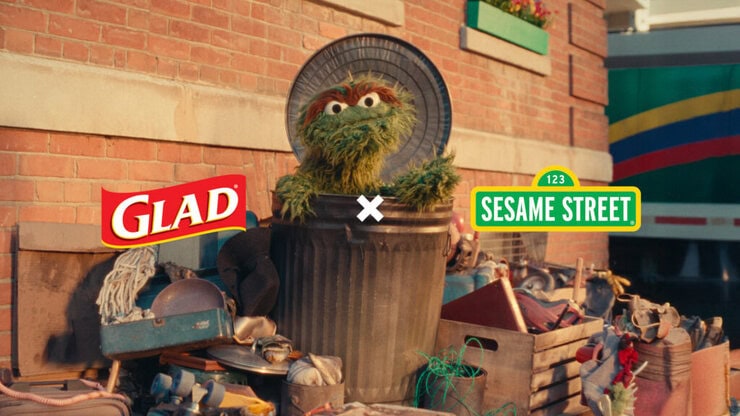
Glad revives its most popular, decades-long, star-studded ad campaign, “Don’t Get Mad. Get Glad.”
A Classic Campaign Gets a Grouchy Remix
Why Oscar? Why Now?
Nostalgia Meets New Audiences
Limited-Edition Oscar Goodies and Where to Find Them
Where to Watch
-

- Glad revives its most popular, decades-long, star-studded ad campaign, “Don’t Get Mad. Get Glad.”
-

- Glad revives its most popular, decades-long, star-studded ad campaign, “Don’t Get Mad. Get Glad.”
Bringing the Campaign Home: Phoenix Community Clean-Up
- “Phoenix, let’s get grouchy about litter and Glad about clean streets! Join our community clean-up and share your photos with #GladToCleanPHX.”
- “Spotted: Oscar the Grouch in Phoenix! Grab your Glad bags, clean up your neighborhood, and tag #OscarLovesTrash for a chance to be featured.”
- “Spring cleaning in Phoenix just got a lot more fun—thanks to Glad and Oscar! Who’s joining our next clean-up day? #GladToCleanPHX”
About the Brands
- Glad Products Company
- Sesame Workshop
- PRNewswire
- Press release via Glad, Dec 2, 2025 (based on IRI data, last 52 weeks ending 10/26/2025)
High Demand Marks “Veggies for Veterans” Event Amid SNAP Delays
Discover more from Daily News
Subscribe to get the latest posts sent to your email.





