

Food and Beverage
Chiquita Completes “Yelloway” Banana Pan-Genome, Aiming to Speed Up Disease-Resistant, Climate-Ready Bananas

Chiquita says it has reached a major scientific milestone in banana innovation: the completion of the Yelloway banana pan-genome—an advanced genetic “map” designed to help researchers and breeders develop banana varieties that can better withstand disease and adapt to climate pressures.
Announced Feb. 10, 2026, the breakthrough is positioned as a foundational tool for the global banana industry at a moment when two major threats—Fusarium wilt Tropical Race 4 (TR4) and Black Sigatoka—continue to strain growers and supply chains worldwide.
What the “banana pan-genome” actually means
In simple terms, a pan-genome goes beyond a single reference genome. Instead of looking at one “standard” genetic blueprint, it captures a broader range of naturally occurring genetic variation across bananas. Chiquita says this wider view allows for more precise research, supports biodiversity preservation, and strengthens long-term breeding programs.
The pan-genome focuses on Musa acuminata, the species behind widely known banana varieties such as Gros Michel and Cavendish—names that matter because they represent the kinds of bananas consumers recognize and buy every day.
Yelloway: the partnership behind the research
The pan-genome was developed through Yelloway B.V., an innovation joint venture between Chiquita and agricultural technology company KeyGene. According to the announcement, Yelloway was created to unlock banana genetic diversity and advance classical breeding using advanced genomic tools.
Chiquita said the pan-genome was developed using Oxford Nanopore sequencing technology, and that the effort included collaboration across the banana value chain. One notable partner: Innocent Drinks, which provided match funding through its Farmer Innovation Fund.
Why this matters now: TR4 and Black Sigatoka
The timing is not accidental. TR4—often described as one of the most serious disease threats to bananas—continues to spread globally. Meanwhile, Black Sigatoka is driving more than $100 million in annual protective costs, according to the release.
Chiquita’s message is clear: if breeders can identify resilient genetic traits faster and with more accuracy, the industry can move from broad genetic exploration to targeted breeding decisions—potentially accelerating the development of bananas that are more disease-resistant, more climate-resilient, and still aligned with what consumers expect from the fruit aisle.
Researchers compare it to upgrading from highways to GPS
Professor Gert Kema, a Yelloway board member and emeritus professor of phytopathology at Wageningen University, described the pan-genome as a high-resolution guide to banana genetics.
He compared earlier genetic tools to driving “mainly on highways,” enough to reach major destinations—but not enough to navigate the full landscape. The pan-genome, he said, provides the “GPS coordinates” needed to explore the entire genomic terrain in detail.
Fernando Garcia-Bastidas, Head of the Yelloway Banana Breeding Program, emphasized the practical impact: the pan-genome helps researchers analyze, select, and deploy the most relevant genetic material—speeding up the development of improved banana varieties resistant to major threats like TR4 and Black Sigatoka.
Chiquita Sustainability Director Peter Stedman added that the work is meant to extend beyond one company, pointing to collaboration across the supply chain as a key driver of progress.
Spotlight at Fruit Logistica in Berlin
Chiquita also shared insights from the project at Fruit Logistica in Berlin, where Stedman participated in the event’s Sustainability Panel. The company highlighted science-based innovation and cross-industry collaboration as essential for building a more resilient banana supply chain.
Opening access to researchers
In a move aimed at broader industry impact, Yelloway plans to provide academic researchers access to the banana pan-genome through a dedicated web portal—supporting continued collaboration and advancement in banana research and breeding.
What to Watch For
- Research access: When Yelloway’s web portal goes live and how widely academic teams use the pan-genome.
- Breeding timeline: Early signals on how quickly the tool translates into new varieties with stronger resistance to TR4 and Black Sigatoka.
- Field performance: Whether future banana candidates hold up in real-world growing conditions while maintaining taste, texture, and shelf-life.
- Supply chain collaboration: More cross-industry funding and partnerships (like Innocent Drinks’ Farmer Innovation Fund support) that speed adoption.
- Cost impact: Any reduction over time in the high annual protective costs tied to Black Sigatoka management.
About Chiquita
Chiquita is a global produce company operating across nearly 70 countries and has produced bananas for more than 150 years. The company says its sustainability work is guided by its “Behind the Blue Sticker” initiative, and it recently received recognition including being named one of America’s Most Loved Brands by Newsweek and a 2025 Good Housekeeping Snack Award winner.
For the banana industry—and for consumers who rely on the Cavendish as a grocery-store staple—the completion of the Yelloway banana pan-genome signals a push toward a more resilient future, where science and collaboration could help keep bananas on shelves despite escalating disease and climate challenges.
Source: Chiquita Brands International, Inc. (PRNewswire), Feb. 10, 2026
If you want, I can also format this for STM Daily News with: 5 SEO headline options, a meta description, suggested tags, and a short “What to Watch For” box for the end of the post.
Related Links (Further Information)
- PRNewswire (Press Release Distribution) – The distribution platform where Chiquita’s announcement was published.
- Chiquita Brands International – Company background, sustainability initiatives, and brand updates.
- KeyGene – The plant breeding and genomics partner in the Yelloway innovation joint venture.
- Oxford Nanopore Technologies – Information on the sequencing technology referenced in the announcement.
- Fruit Logistica (Berlin) – Event details and sustainability programming referenced in the release.
Stay Updated with STM Daily News
For more Food & Beverage coverage—industry innovation, supply chain updates, and the stories shaping what ends up on our plates—visit STM Daily News – Food & Beverage . We’re tracking the headlines and the “what it means” so you can stay current without the fluff.

Food and Beverage
Serve Up Smiles with Favorite Holiday Sides
Turkey and ham may sit centerstage, but classic holiday sides can make the season truly special. You can bring smiles to your loved ones’ faces by dishing out those favorite recipes everyone asks for year after year.

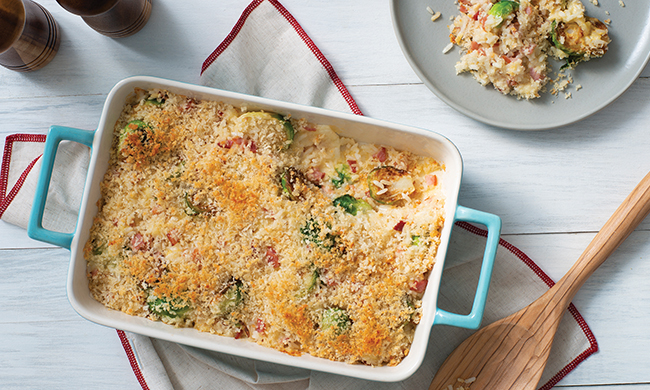
(Family Features) Turkey and ham may sit centerstage, but classic holiday sides can make the season truly special. You can bring smiles to your loved ones’ faces by dishing out those favorite recipes everyone asks for year after year.
Made with a delicious combination of rice, cheddar cheese, cream of mushroom soup and broccoli florets, this quick and easy version of Broccoli and Cheese Rice Casserole is an ideal one-pot dish to keep the holidays simple. With three easy steps and everyday ingredients, it comes together with minimal effort for traditional casserole taste.
When it comes to feeding a crowd, it’s often best to let your oven do the work. This Brussels Sprouts and Ham Rice Gratin recipe allows you to serve up a filling favorite with little effort using pantry staples. Plus, it’s a kid-friendly way to encourage veggies at this year’s holiday meal with gooey cheese providing tempting taste bud motivation.
These seasonal classics and more are made quick and easy with an option like Success Boil-in-Bag Rice, a pre-measured, mess-free way to make fluffy, high-quality rice. It’s cooked by simply dropping a bag of rice in a pot of water or broth then boiling it for 10 minutes. BPA-free and FDA-approved, the bags are safe to use and made to withstand high temperatures.
An added bonus: If you’re aiming to achieve a particular flavor, just season the rice by cooking in water infused with herbs, spices, broth, coconut milk or other liquids like juice for sweeter recipes.
Visit SuccessRice.com to find more holiday recipe inspiration.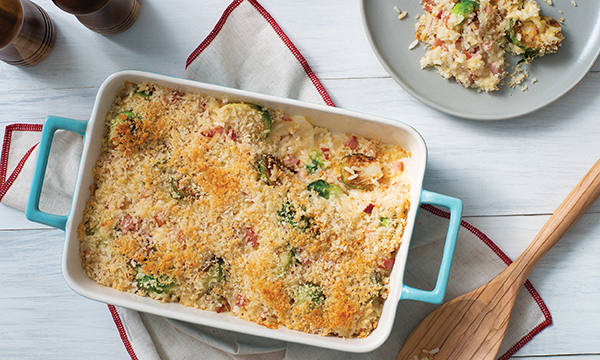
Brussels Sprouts and Ham Rice Gratin
Prep time: 20 minutes
Cook time: 25 minutes
Servings: 4
- 1 bag Success White Rice
- 1/2 pound Brussels sprouts, trimmed and halved
- 1/3 cup diced ham
- 1 clove garlic, minced
- 1 tablespoon olive oil
- 3/4 teaspoon salt, divided
- 3/4 teaspoon black pepper, divided
- 1 cup heavy cream
- 2 tablespoons finely chopped fresh chives
- 2 tablespoons Dijon mustard
- 1 cup shredded sharp cheddar cheese
- 1/2 cup grated Parmesan cheese, divided
- 1/3 cup breadcrumbs
- 2 tablespoons butter, melted
- Preheat oven to 450 F. Prepare rice according to package directions.
- In large bowl, toss Brussels sprouts, ham, garlic, olive oil, 1/4 teaspoon salt and 1/4 teaspoon pepper. Place on parchment paper-lined baking tray and roast 12-15 minutes, or until caramelized. Decrease oven temperature to 425 F.
- In large bowl, toss rice, Brussels sprouts mixture, cream, chives, Dijon mustard, remaining salt and remaining pepper. Stir in cheddar and 1/3 cup Parmesan cheese. Transfer mixture to greased, 2-quart baking dish.
- In small bowl, stir breadcrumbs, remaining Parmesan and melted butter. Sprinkle over rice mixture.
- Bake 12-15 minutes, or until golden brown and bubbling.
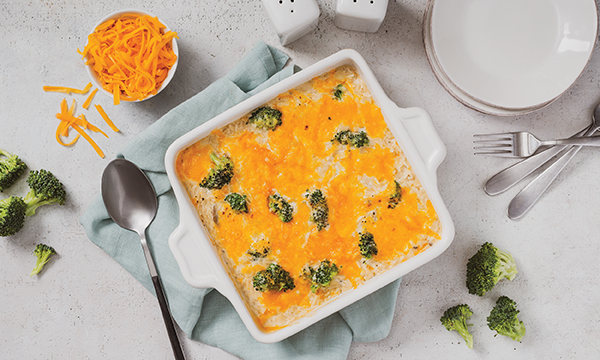
Broccoli and Cheese Rice Casserole
Prep time: 5 minutes
Cook time: 30 minutes
Servings: 4-6
- 1 bag Success White Rice or Brown Rice
- nonstick cooking spray
- 1 can (10 3/4 ounces) condensed cream of mushroom soup
- 2 cups frozen broccoli florets, thawed and drained
- 1 1/2 cups shredded cheddar cheese, divided
- 1/2 cup evaporated milk
- 3 tablespoons butter, melted
- 1 tablespoon grated onion
- 1/2 teaspoon salt
- 1/2 teaspoon black pepper
- Prepare rice according to package directions. Preheat oven to 350 F.
- Coat 2-quart casserole dish with nonstick cooking spray. In medium bowl, combine soup, broccoli, 1 cup cheddar cheese, evaporated milk, butter, onion, salt and pepper. Fold in rice.
- Pour mixture into prepared dish and top with remaining cheddar cheese. Bake 20 minutes.
SOURCE:
Success Rice
At our core, we at STM Daily News, strive to keep you informed and inspired with the freshest content on all things food and beverage. From mouthwatering recipes to intriguing articles, we’re here to satisfy your appetite for culinary knowledge.
Visit our Food & Drink section to get the latest on Foodie News and recipes, offering a delightful blend of culinary inspiration and gastronomic trends to elevate your dining experience.
https://stmdailynews.com/category/food-and-beverage
You can also find food and beverage-related videos on our YouTube channel, where we regularly post new content and share tips, recipes, and demonstrations. https://youtube.com/playlist?list=PLEhXBupt8tVynuUhpQZMxQt4lvPmOiAtQ&si=InDwc7YaB0KIwmxy

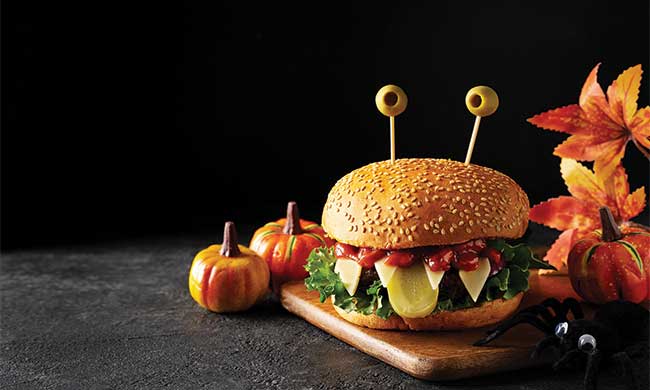
(Feature Impact) Out with the ordinary, in with the weird – that’s what the Halloween season is all about. These Halloween Monster Burgers give a ghoulishly fun twist on burger night, featuring all your favorite toppings transformed into olive eyes, cheese fangs and a pickle tongue.
Whether you reach for a traditional hamburger patty or switch it up with chicken, turkey, bean or veggie options, the effect is the same: a dinner that looks like it escaped from a mad scientist’s lab. It’s a good way to get some protein and veggies into kids before the trick-or-treating sugar rush, and you can even make it interactive by inviting them to decorate their own monsters and come up with creative variations.
Alternatively, if you’re looking for some spooky hors d’oeuvres to impress at this year’s Halloween party, these burgers are easy to size down into slider form. Serve a whole tray of mini monsters ready to devour – or be devoured by – hungry guests.
Find more Halloween recipe inspiration at Culinary.net.
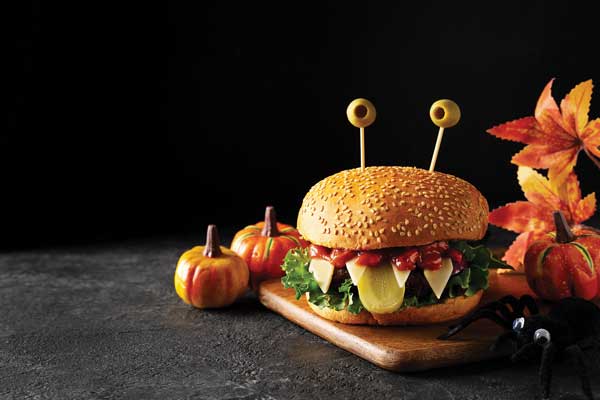
Halloween Monster Burgers
Recipe adapted from Happy Foods Tube
Prep time: 10 minutes
Total time: 18 minutes
Servings: 4
- 4 hamburger, chicken or veggie patties
- 4 tablespoons mayonnaise
- 4 teaspoons ketchup, plus additional, to taste, divided
- 4 hamburger buns
- 8 leaves baby romaine lettuce
- 4 slices dill pickles, sliced lengthwise
- 4 cheese slices
- 8 large green olives, pits removed
- Cook burger patties until they reach desired doneness.
- In small bowl, combine mayonnaise and 4 teaspoons ketchup. Spread each bun base with about 1 tablespoon mayo sauce then add two lettuce leaves and cooked burger patty.
- Add pickle slice as monster “tongue.” Take each cheese slice and cut triangles into one side to resemble teeth; add to burger then cover with ketchup “blood,” to taste.
- Stick olives on toothpicks and add two to each top bun as “eyeballs.”
Photo courtesy of Shutterstock

SOURCE:
Food and Beverage
4 Ways to Enjoy Fresher Foods at Home
Fresher Foods at Home: Knowing your food was grown from the earth and nurtured by the sun and rain can add a whole new dimension of enjoyment to your meals, which processed foods often can’t replicate. Recipes like these Chicken and Avocado Rollups can be an easy solution for putting fresh foods like avocados on the menu.
4 Ways to Enjoy Fresher Foods at Home
(Feature Impact) Fresh fruits and vegetables add color, nourishment and satisfaction to life. Knowing your food was grown from the earth and nurtured by the sun and rain can add a whole new dimension of enjoyment to your meals, which processed foods often can’t replicate.
However, if you’ve ever bought a cart full of produce with the best intentions – only to watch as half of it goes bad before you’ve managed to use it – you aren’t alone. Eating fresh foods is often easier in your healthy-eating dreams than in reality. With small habit changes, though, you can transform your household into a place where fresh, whole-food ingredients are at the center of your daily routines.
Consider these suggestions from the fresh produce experts at Avocados from Colombia.
Shop with a Plan
Meal-planning before you shop can help ensure every ingredient you buy has a purpose within its shelf life. Instead of picking out fruits and vegetables with vague aspirations of figuring out something to do with them later, you can simply consult your list and remember you need peppers, onions and avocados for that breakfast burrito recipe you want to try.
Pay Attention to Where Food Comes From
The source of your food can make a big difference in its freshness. When produce is grown and harvested with care then shipped quickly to its destination, it preserves quality and simplifies the journey from the farm to your table.
Consider fresh fruits like Avocados from Colombia, which aren’t just grown but raised at high altitude in rich volcanic soil, nourished by mountain rain and harvested by the hands of growers who care about their land and their craft. The fruit reaches U.S. shipping ports in as little as 3-5 days, so you can confidently choose flavorful produce that arrives as fresh as possible from beautiful Colombian orchards.
With two harvest seasons across nine growing regions, fresh Colombian avocados can be enjoyed throughout the entire year, whether you want to serve bright guacamole or dice an avocado as a cool, creamy topping for a warm winter chili.
Use Fresh Ingredients in a Variety of Ways
It’s always easier to use fresh ingredients when you’re brimming with ideas of things to do with them. For instance, avocados can be transformed into guacamole, creamy salad dressing or flavorful sauces; sliced for use in grain bowls, salads or avocado toast; or frozen to blend into smoothies. This also makes it easier to buy produce in bulk or take advantage of sales.
Find Inspiration Online
Recipes like these Chicken and Avocado Rollups can be an easy solution for putting fresh avocados on the menu, offering the type of everyday joy the growers behind Avocados from Colombia hope you taste. Their new “Raised by Colombia” short film puts faces to that idea, following Don Hernando, a grower of 40 harvests, and his granddaughter Camila, who brought the science of growing home. It ends where your avocado does: at a family table, where the grandmother of the house serves it in a kitchen like yours.
To watch the film and discover more recipe ideas, visit AvocadosColombia.com/RaisedByColombia.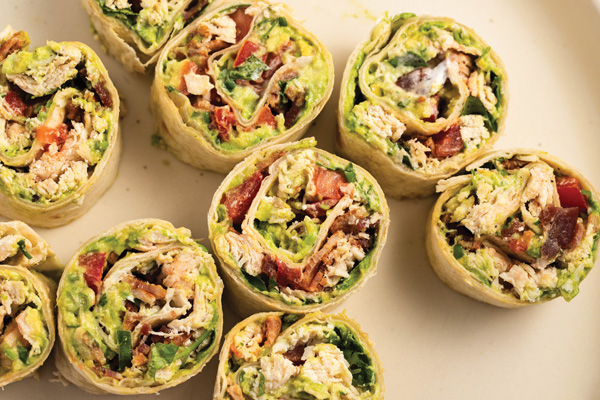
Chicken and Avocado Rollups
Recipe courtesy of Avocados from Colombia
Total time: 20 minutes
Servings: 5-6
- 2 tablespoons mayo
- 2 tablespoons sour cream
- 1 tablespoon lime juice
- 3 large flour tortillas, warmed
- 1 large avocado, smashed
- 2 Roma tomatoes, diced
- 1/4 cup red onion, diced
- 3 tablespoons cilantro, chopped
- 1 cup cooked chicken breast
- 6 slices bacon, cooked and crumbled
- salt, to taste
- pepper, to taste
- In small bowl, mix mayo, sour cream and lime juice.
- Place tortilla on flat service and spread with lime crema followed by smashed avocado.
- Layer with tomatoes, red onion, cilantro, chicken and bacon. Season with salt and pepper, to taste.
- Roll tortilla into tube shape and cut into pieces. Repeat with remaining tortillas and fillings.
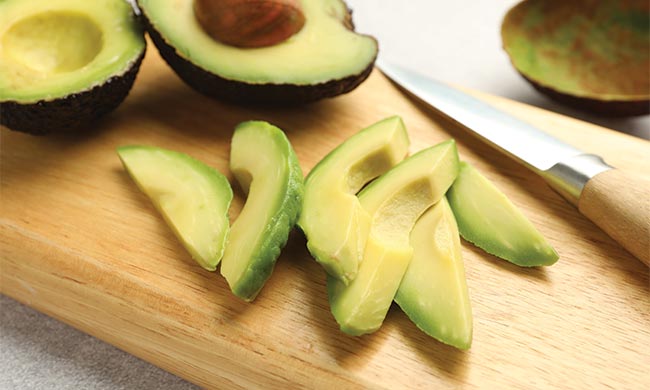
Photo courtesy of Shutterstock (avocado on cutting board)
SOURCE:




