

Food and Beverage
DORITOS® and EMPIRICAL Launch First-Ever Nacho Cheese Spirit
Collaboration Imbues Iconic Nacho Cheese Flavor of Doritos Into a First-of-Its-Kind Distilled Spirit

Last Updated on July 9, 2024 by Daily News Staff
PLANO, Texas /PRNewswire/ — Doritos today unveiled a collaboration with global flavor innovator Empirical: Empirical x Doritos® Nacho Cheese Spirit. This limited-release offers a multi-sensorial, delicious beverage experience that smells and tastes just like the real thing – bringing the iconic flavor of Doritos Nacho Cheese Chips into the spirits aisle.
The iconic flavor of Doritos Nacho Cheese Chips now in the spirits aisle with Empirical x Doritos Nacho Cheese Spirit.Tweet
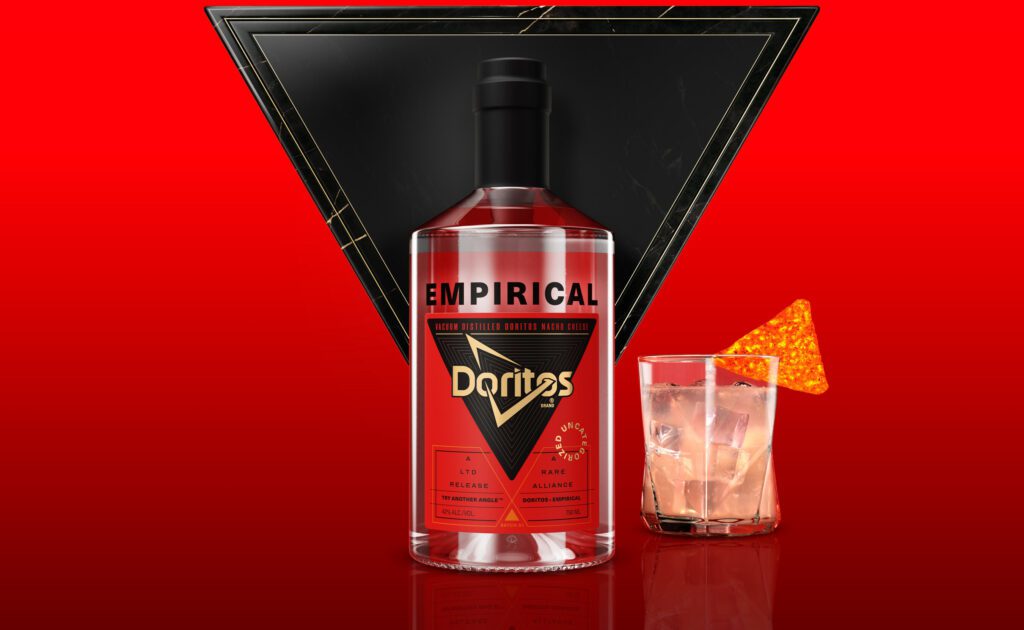
“Doritos is all about disrupting culture and bringing our fans unexpected, bold experiences,” said Tina Mahal, Senior Vice President of Marketing for Frito-Lay North America. “We’re always pushing our fans to try new things, so we figure it’s time we disrupt the spirits category by offering our iconic nacho cheese flavor in a bottle.”
The partnership marks a first-of-a-kind innovation for both brands and brings fans a truly new experience. To create the flavor, the many flavor layers of Doritos Nacho Cheese are extracted through Empirical’s innovative production process, using real Doritos chips and retaining their essence through vacuum distillation. Unlike traditional distillation methods, vacuum distillation operates at lower temperatures, preserving the full spectrum of flavors derived from Doritos.
“Empirical is an ‘uncategorized’ spirits company, so it allows us the freedom to experiment with really interesting flavors and not have to be stuck in a gin box or tequila box or whiskey box,” says Lars Williams, Chef/Distiller & CEO, Empirical. “And we can take something that has a unique and amazing flavor, like Doritos, and evolve it into something completely new.”
Limited-edition bottles of Empirical x Doritos Nacho Cheese Spirit will be available next month for a suggested retail price of $65.00 (42% ABV, 750ml) online and in select New York and California markets. Pre-orders begin December 13, 2023 at doritos.x.empirical.co. For more information, visit empirical.co and follow along @doritos.
TASTING NOTES: Empirical x Doritos® Nacho Cheese SpiritFLAVOR Nacho Cheese, corn tostada, umami, hint of acidity ENJOY In a Margarita, Bloody Mary, Old Fashioned, neat or over ice, or any way Doritos fans like! TASTES LIKE The real thing! Experience the indulgent flavors of your favorite snack in liquid form. The spirit opens with umami and tangy aromas of nacho cheese, moving to the deeper, corn-forward flavors of the chip to finish on a soft salty note.
COCKTAILS: Empirical x Doritos® Nacho Cheese Spirit
Double Triangle Margarita
1 oz Empirical x Doritos® Nacho Cheese Spirit
1 oz blanco tequila
.75 oz fresh lime juice
.75 oz agave syrup (3:1)
Add all ingredients to a cocktail shaker with ice. Shake hard for 10 to 12 seconds. Strain into a rocks glass over ice. Garnish with a Tajín salt rim and a lime wheel.
Mary Mary
1.5 oz Empirical x Doritos® Nacho Cheese Spirit
.5 oz tequila
3 oz tomato juice
1 barspoon lemon juice
1 barspoon Worcestershire sauce
Big pinch of celery salt
Big pinch of cracked black pepper
Tiny pinch of cayenne
Build all ingredients in a Collins glass. Add ice and pass a barspoon through the drink 3 to 4 times. Garnish with pepperoncini, seasoned celery and a pickled onion.
Doritos Bangarang
2 oz Empirical x Doritos® Nacho Cheese Spirit
1 pinch smoked sea salt
1 squeeze fresh grapefruit (or citrus of choice)
Top with Pepsi®
Fill Collins glass with ice. Add Empirical x Doritos® Nacho Chip Spirit, sea salt, grapefruit and top with Pepsi®. Stir 3 – 4 times. Garnish with grapefruit wedge.
About Empirical
Founded in Copenhagen, Denmark, in 2017, Empirical is a flavor company by Lars Williams and Mark Emil Hermansen. The two deep-thinking visionaries are inspired by the role flavor plays in their ability to create and transport experiences. The company does things its own way, having custom-built machinery, developed hybrid fermentation techniques, augmented low-temperature distillation, and traveled globally to source the highest quality ingredients. Taking a flavor-first approach means that Empirical does not pay attention to the conventional categories that traditionalists often want to cast their creations into. The result is something that is uncategorized, democratic, shareable, and driven by the journey of creating unique and unexpected flavors. Empirical is writing a playbook that does not exist—one distillation, one spirit and one flavor at a time. For more information, please visit empirical.co, follow us on X, Facebook and Instagram at @empiricalcph and on YouTube. Please Drink Responsibly. Must be 21+. Vacuum Distilled Spirits, 42% Alc by Vol., Empirical.co
About Doritos
Doritos believes there’s boldness in everyone. We champion those who are true to themselves, who live life fully engaged and take bold action by stepping outside of their comfort zone and pushing the limits. Doritos is one of many Frito-Lay North America brands – the $23 billion convenient foods division of PepsiCo, Inc. (NASDAQ: PEP), which is headquartered in Purchase, NY. Follow Doritos on X, Instagram, YouTube, Facebook and TikTok. Learn more about Frito-Lay at the corporate website, www.fritolay.com, and on X.
About Frito-Lay North America
Frito-Lay North America is the $23 billion convenient foods division of PepsiCo, Inc. (NASDAQ: PEP), which is headquartered in Purchase, NY. Frito-Lay snacks include Lay’s and Ruffles potato chips, Doritos and Tostitos tortilla chips and branded dips, Cheetos snacks, Stacy’s pita chips, PopCorners popped-corn snack, SunChips multigrain snacks and Fritos corn chips. The company operates 30+ manufacturing facilities across the U.S. and Canada, more than 200 distribution centers and services 315,000 retail customers per week through its direct-store-delivery model. Learn more about Frito-Lay at the corporate website, www.fritolay.com, on X (@fritolay), on Instagram (@fritolay) and on Facebook (Frito-Lay).
About PepsiCo
PepsiCo products are enjoyed by consumers more than one billion times a day in more than 200 countries and territories around the world. PepsiCo generated more than $79 billion in net revenue in 2021, driven by a complementary beverage and convenient foods portfolio that includes Lay’s, Doritos, Cheetos, Gatorade, Pepsi-Cola, Mountain Dew, Quaker, and SodaStream. PepsiCo’s product portfolio includes a wide range of enjoyable foods and beverages, including many iconic brands that generate more than $1 billion each in estimated annual retail sales.
Guiding PepsiCo is our vision to Be the Global Leader in Beverages and Convenient Foods by Winning with PepsiCo Positive (pep+). pep+ is our strategic end-to-end transformation that puts sustainability and human capital at the center of how we will create value and growth by operating within planetary boundaries and inspiring positive change for planet and people. For more information, visit www.pepsico.com, and follow on X, Instagram, Facebook and LinkedIn @PepsiCo.
ENJOY RESPONSIBLY. Empirical x Doritos® Nacho Cheese Spirit, 42% ALC./VOL, developed by Empirical Inc.. ©2023 Empirical Inc., Barrel Brothers Brewing Company, Windsor, CA.
SOURCE Frito-Lay
At our core, we at STM Daily News, strive to keep you informed and inspired with the freshest content on all things food and beverage. From mouthwatering recipes to intriguing articles, we’re here to satisfy your appetite for culinary knowledge.
Visit our Food & Drink section to get the latest on Foodie News and recipes, offering a delightful blend of culinary inspiration and gastronomic trends to elevate your dining experience.
https://stmdailynews.com/category/food-and-beverage
You can also find food and beverage-related videos on our YouTube channel, where we regularly post new content and share tips, recipes, and demonstrations. https://youtube.com/playlist?list=PLEhXBupt8tVynuUhpQZMxQt4lvPmOiAtQ&si=InDwc7YaB0KIwmxy


Food and Beverage
Serve Up Smiles with Favorite Holiday Sides
Turkey and ham may sit centerstage, but classic holiday sides can make the season truly special. You can bring smiles to your loved ones’ faces by dishing out those favorite recipes everyone asks for year after year.
(Family Features) Turkey and ham may sit centerstage, but classic holiday sides can make the season truly special. You can bring smiles to your loved ones’ faces by dishing out those favorite recipes everyone asks for year after year.
Made with a delicious combination of rice, cheddar cheese, cream of mushroom soup and broccoli florets, this quick and easy version of Broccoli and Cheese Rice Casserole is an ideal one-pot dish to keep the holidays simple. With three easy steps and everyday ingredients, it comes together with minimal effort for traditional casserole taste.
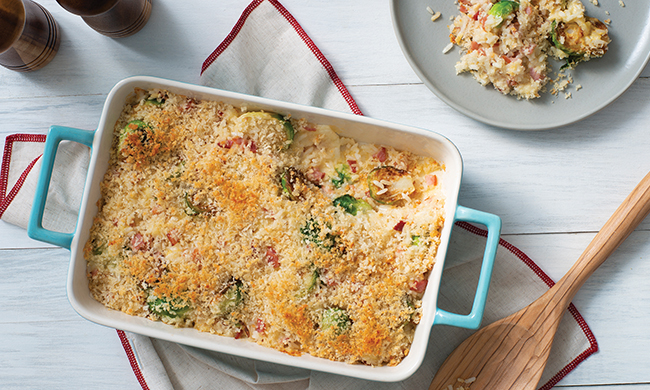
When it comes to feeding a crowd, it’s often best to let your oven do the work. This Brussels Sprouts and Ham Rice Gratin recipe allows you to serve up a filling favorite with little effort using pantry staples. Plus, it’s a kid-friendly way to encourage veggies at this year’s holiday meal with gooey cheese providing tempting taste bud motivation.
These seasonal classics and more are made quick and easy with an option like Success Boil-in-Bag Rice, a pre-measured, mess-free way to make fluffy, high-quality rice. It’s cooked by simply dropping a bag of rice in a pot of water or broth then boiling it for 10 minutes. BPA-free and FDA-approved, the bags are safe to use and made to withstand high temperatures.
An added bonus: If you’re aiming to achieve a particular flavor, just season the rice by cooking in water infused with herbs, spices, broth, coconut milk or other liquids like juice for sweeter recipes.
Visit SuccessRice.com to find more holiday recipe inspiration.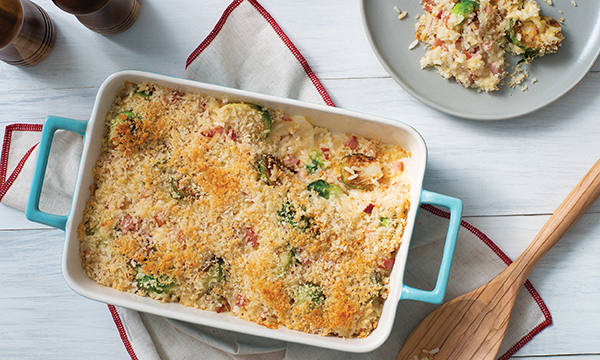
Brussels Sprouts and Ham Rice Gratin
Prep time: 20 minutes
Cook time: 25 minutes
Servings: 4
- 1 bag Success White Rice
- 1/2 pound Brussels sprouts, trimmed and halved
- 1/3 cup diced ham
- 1 clove garlic, minced
- 1 tablespoon olive oil
- 3/4 teaspoon salt, divided
- 3/4 teaspoon black pepper, divided
- 1 cup heavy cream
- 2 tablespoons finely chopped fresh chives
- 2 tablespoons Dijon mustard
- 1 cup shredded sharp cheddar cheese
- 1/2 cup grated Parmesan cheese, divided
- 1/3 cup breadcrumbs
- 2 tablespoons butter, melted
- Preheat oven to 450 F. Prepare rice according to package directions.
- In large bowl, toss Brussels sprouts, ham, garlic, olive oil, 1/4 teaspoon salt and 1/4 teaspoon pepper. Place on parchment paper-lined baking tray and roast 12-15 minutes, or until caramelized. Decrease oven temperature to 425 F.
- In large bowl, toss rice, Brussels sprouts mixture, cream, chives, Dijon mustard, remaining salt and remaining pepper. Stir in cheddar and 1/3 cup Parmesan cheese. Transfer mixture to greased, 2-quart baking dish.
- In small bowl, stir breadcrumbs, remaining Parmesan and melted butter. Sprinkle over rice mixture.
- Bake 12-15 minutes, or until golden brown and bubbling.
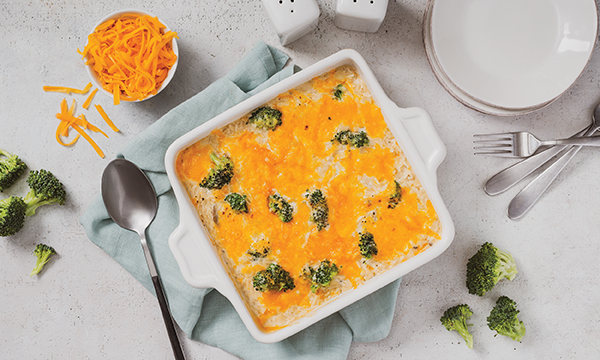
Broccoli and Cheese Rice Casserole
Prep time: 5 minutes
Cook time: 30 minutes
Servings: 4-6
- 1 bag Success White Rice or Brown Rice
- nonstick cooking spray
- 1 can (10 3/4 ounces) condensed cream of mushroom soup
- 2 cups frozen broccoli florets, thawed and drained
- 1 1/2 cups shredded cheddar cheese, divided
- 1/2 cup evaporated milk
- 3 tablespoons butter, melted
- 1 tablespoon grated onion
- 1/2 teaspoon salt
- 1/2 teaspoon black pepper
- Prepare rice according to package directions. Preheat oven to 350 F.
- Coat 2-quart casserole dish with nonstick cooking spray. In medium bowl, combine soup, broccoli, 1 cup cheddar cheese, evaporated milk, butter, onion, salt and pepper. Fold in rice.
- Pour mixture into prepared dish and top with remaining cheddar cheese. Bake 20 minutes.
SOURCE:
Success Rice
At our core, we at STM Daily News, strive to keep you informed and inspired with the freshest content on all things food and beverage. From mouthwatering recipes to intriguing articles, we’re here to satisfy your appetite for culinary knowledge.
Visit our Food & Drink section to get the latest on Foodie News and recipes, offering a delightful blend of culinary inspiration and gastronomic trends to elevate your dining experience.
https://stmdailynews.com/category/food-and-beverage
You can also find food and beverage-related videos on our YouTube channel, where we regularly post new content and share tips, recipes, and demonstrations. https://youtube.com/playlist?list=PLEhXBupt8tVynuUhpQZMxQt4lvPmOiAtQ&si=InDwc7YaB0KIwmxy
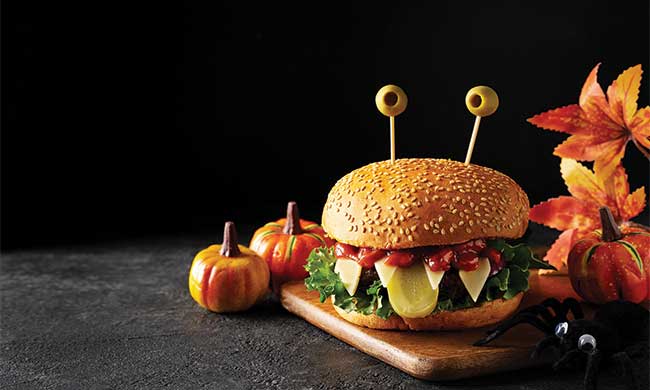
(Feature Impact) Out with the ordinary, in with the weird – that’s what the Halloween season is all about. These Halloween Monster Burgers give a ghoulishly fun twist on burger night, featuring all your favorite toppings transformed into olive eyes, cheese fangs and a pickle tongue.
Whether you reach for a traditional hamburger patty or switch it up with chicken, turkey, bean or veggie options, the effect is the same: a dinner that looks like it escaped from a mad scientist’s lab. It’s a good way to get some protein and veggies into kids before the trick-or-treating sugar rush, and you can even make it interactive by inviting them to decorate their own monsters and come up with creative variations.
Alternatively, if you’re looking for some spooky hors d’oeuvres to impress at this year’s Halloween party, these burgers are easy to size down into slider form. Serve a whole tray of mini monsters ready to devour – or be devoured by – hungry guests.
Find more Halloween recipe inspiration at Culinary.net.
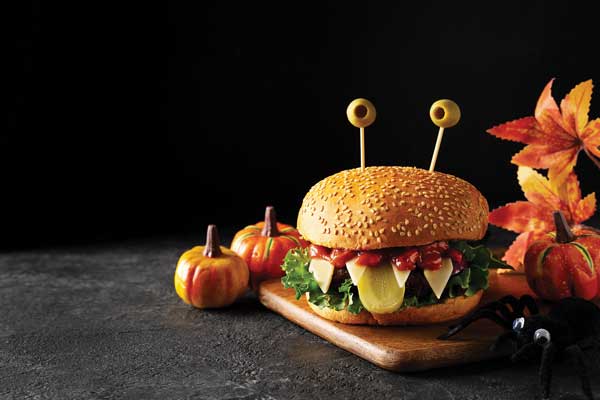
Halloween Monster Burgers
Recipe adapted from Happy Foods Tube
Prep time: 10 minutes
Total time: 18 minutes
Servings: 4
- 4 hamburger, chicken or veggie patties
- 4 tablespoons mayonnaise
- 4 teaspoons ketchup, plus additional, to taste, divided
- 4 hamburger buns
- 8 leaves baby romaine lettuce
- 4 slices dill pickles, sliced lengthwise
- 4 cheese slices
- 8 large green olives, pits removed
- Cook burger patties until they reach desired doneness.
- In small bowl, combine mayonnaise and 4 teaspoons ketchup. Spread each bun base with about 1 tablespoon mayo sauce then add two lettuce leaves and cooked burger patty.
- Add pickle slice as monster “tongue.” Take each cheese slice and cut triangles into one side to resemble teeth; add to burger then cover with ketchup “blood,” to taste.
- Stick olives on toothpicks and add two to each top bun as “eyeballs.”
Photo courtesy of Shutterstock

SOURCE:
Food and Beverage
4 Ways to Enjoy Fresher Foods at Home
Fresher Foods at Home: Knowing your food was grown from the earth and nurtured by the sun and rain can add a whole new dimension of enjoyment to your meals, which processed foods often can’t replicate. Recipes like these Chicken and Avocado Rollups can be an easy solution for putting fresh foods like avocados on the menu.
4 Ways to Enjoy Fresher Foods at Home
(Feature Impact) Fresh fruits and vegetables add color, nourishment and satisfaction to life. Knowing your food was grown from the earth and nurtured by the sun and rain can add a whole new dimension of enjoyment to your meals, which processed foods often can’t replicate.
However, if you’ve ever bought a cart full of produce with the best intentions – only to watch as half of it goes bad before you’ve managed to use it – you aren’t alone. Eating fresh foods is often easier in your healthy-eating dreams than in reality. With small habit changes, though, you can transform your household into a place where fresh, whole-food ingredients are at the center of your daily routines.
Consider these suggestions from the fresh produce experts at Avocados from Colombia.
Shop with a Plan
Meal-planning before you shop can help ensure every ingredient you buy has a purpose within its shelf life. Instead of picking out fruits and vegetables with vague aspirations of figuring out something to do with them later, you can simply consult your list and remember you need peppers, onions and avocados for that breakfast burrito recipe you want to try.
Pay Attention to Where Food Comes From
The source of your food can make a big difference in its freshness. When produce is grown and harvested with care then shipped quickly to its destination, it preserves quality and simplifies the journey from the farm to your table.
Consider fresh fruits like Avocados from Colombia, which aren’t just grown but raised at high altitude in rich volcanic soil, nourished by mountain rain and harvested by the hands of growers who care about their land and their craft. The fruit reaches U.S. shipping ports in as little as 3-5 days, so you can confidently choose flavorful produce that arrives as fresh as possible from beautiful Colombian orchards.
With two harvest seasons across nine growing regions, fresh Colombian avocados can be enjoyed throughout the entire year, whether you want to serve bright guacamole or dice an avocado as a cool, creamy topping for a warm winter chili.
Use Fresh Ingredients in a Variety of Ways
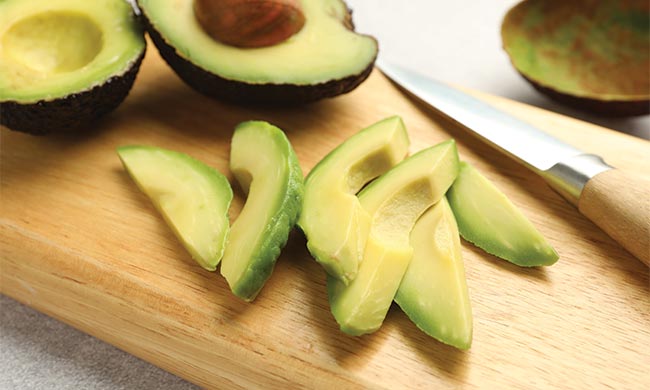
It’s always easier to use fresh ingredients when you’re brimming with ideas of things to do with them. For instance, avocados can be transformed into guacamole, creamy salad dressing or flavorful sauces; sliced for use in grain bowls, salads or avocado toast; or frozen to blend into smoothies. This also makes it easier to buy produce in bulk or take advantage of sales.
Find Inspiration Online
Recipes like these Chicken and Avocado Rollups can be an easy solution for putting fresh avocados on the menu, offering the type of everyday joy the growers behind Avocados from Colombia hope you taste. Their new “Raised by Colombia” short film puts faces to that idea, following Don Hernando, a grower of 40 harvests, and his granddaughter Camila, who brought the science of growing home. It ends where your avocado does: at a family table, where the grandmother of the house serves it in a kitchen like yours.
To watch the film and discover more recipe ideas, visit AvocadosColombia.com/RaisedByColombia.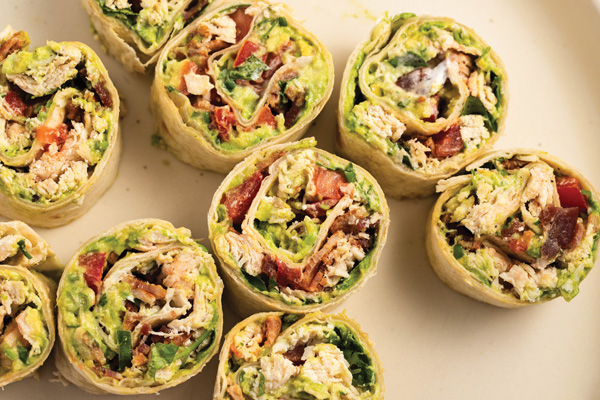
Chicken and Avocado Rollups
Recipe courtesy of Avocados from Colombia
Total time: 20 minutes
Servings: 5-6
- 2 tablespoons mayo
- 2 tablespoons sour cream
- 1 tablespoon lime juice
- 3 large flour tortillas, warmed
- 1 large avocado, smashed
- 2 Roma tomatoes, diced
- 1/4 cup red onion, diced
- 3 tablespoons cilantro, chopped
- 1 cup cooked chicken breast
- 6 slices bacon, cooked and crumbled
- salt, to taste
- pepper, to taste
- In small bowl, mix mayo, sour cream and lime juice.
- Place tortilla on flat service and spread with lime crema followed by smashed avocado.
- Layer with tomatoes, red onion, cilantro, chicken and bacon. Season with salt and pepper, to taste.
- Roll tortilla into tube shape and cut into pieces. Repeat with remaining tortillas and fillings.
Photo courtesy of Shutterstock (avocado on cutting board)
SOURCE:




