

Food and Beverage
Master the Art of Italian Comfort Cuisine
Cool, crisp days call for comfort foods, like the classic flavors of traditional Italian cooking. Whether you’re Italian by heritage or simply by heart, learning the art of Italian cuisine may be easier than you may think.

Last Updated on July 14, 2024 by Daily News Staff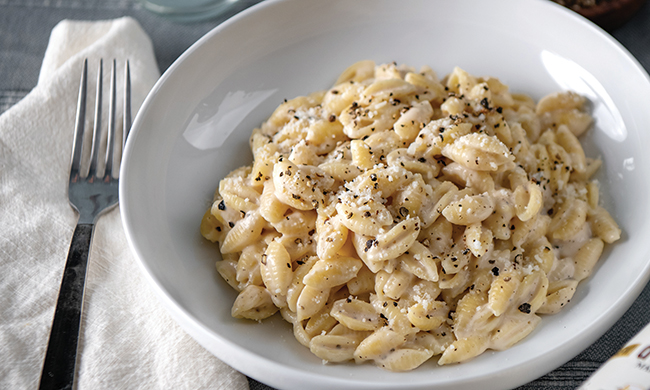
(Family Features) Cool, crisp days call for comfort foods, like the classic flavors of traditional Italian cooking. Whether you’re Italian by heritage or simply by heart, learning the art of Italian cuisine may be easier than you may think.
Perfect your pasta game. Limp, mushy, overcooked pasta can ruin an otherwise delicious Italian dish. Aim for al dente pasta, which is soft but still firm. It’s important to note variables like the type of pasta, size of your pot and amount of water can all affect cooking time. Treat the package instructions as a guide and start taste testing 1-2 minutes before you expect it to be done.
Be choosy about your ingredients. Many of the best Italian dishes are incredibly simple, so it’s important to select quality ingredients that allow the flavors to really stand out. Made in Italy, Bertolli d’Italia sauces are available in premium red and white varieties to elevate the at-home culinary experience and bring the authentic and delicious flavors of Italy to your table. Every jar reflects more than 150 years of authentic Italian culinary tradition using high-quality ingredients like tomatoes vine-ripened under the Italian sun, finely aged Italian cheeses, fresh cream and Mediterranean olive oil.
Give seasonings time to simmer. Great things come to those who wait. That’s why the best Italian chefs sample their sauces along the way, adding and adjusting until the taste is just right. Then, they allow the ingredients to simmer together to create a perfectly balanced harmony of flavors.
Experiment with proteins and veggies. For many Italian recipes, you can create an entirely new dish by adding or swapping the protein and adding fresh produce. Try introducing juicy strips of grilled chicken and fresh, steamed broccoli to an alfredo pasta like this Cavatelli with Cacio e Pepe Sauce. Or, if you’re a seafood lover, reimagine this Fresh Tomato Bruschetta Chicken by swapping in a mild white fish like halibut, cod or snapper.
Get cozy in your kitchen this fall with more comforting recipes at Bertolli.com.
Cavatelli with Cacio e Pepe Sauce
Prep time: 5 minutes
Cook time: 10 minutes
Servings: 4
- Salt, to taste
- 1 box dry Cavatelli pasta
- 1 jar (16.9 ounces) Bertolli d’Italia Cacio e Pepe Sauce
- 1 cup finely grated Pecorino Romano cheese, or to taste
- freshly ground black pepper, to taste
- Bring large pot of cold water to boil. Salt water heavily.
- Cook dry pasta according to package instructions until al dente. Strain pasta, reserving pasta water.
- In large saucepan over low heat, warm pasta sauce 3-5 minutes. Add 1-2 tablespoons pasta water.
- Transfer cooked pasta to saucepan.
- Stir and toss pasta approximately 30 seconds over medium heat to integrate it with sauce. Add pasta water as needed for creamier texture.
- Plate pasta and top with finely grated Pecorino Romano and freshly ground black pepper, to taste.
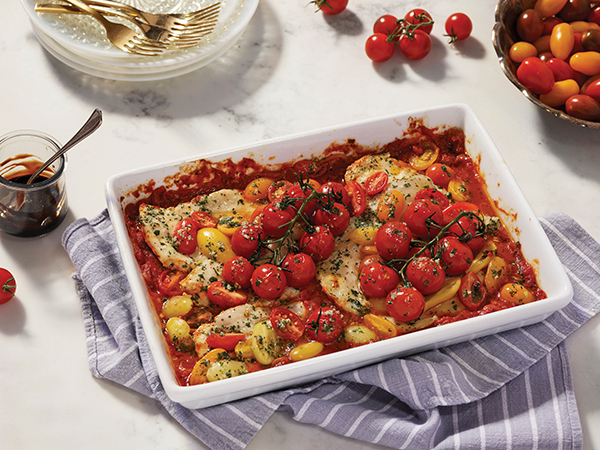
Fresh Tomato Bruschetta Chicken
Prep time: 15 minutes
Cook time: 28 minutes
Servings: 6
- 1/3 cup extra-virgin olive oil
- 3 tablespoons finely chopped fresh basil, plus additional, for garnish
- 3 cloves garlic, minced
- 2 teaspoons kosher salt
- 1/2 teaspoon ground black pepper
- 1/2 teaspoon dried oregano
- 6 thinly sliced boneless, skinless chicken breast cutlets (about 1 1/2 pounds)
- 1 large onion, thinly sliced
- 1 jar (24.7 ounces) Bertolli d’Italia Marinara Sauce
- 2 cups multi-colored grape tomatoes, halved
- 2 stems cherry tomatoes on the vine
- 1/2 cup shredded Parmesan cheese
- 2 tablespoons balsamic glaze
- Preheat oven to 400 F.
- In small bowl, whisk olive oil, basil, garlic, salt, pepper and oregano until combined. Combine 2 tablespoons oil mixture and chicken in resealable plastic bag. Let stand 5-10 minutes at room temperature to marinate.
- In medium skillet, heat 2 tablespoons oil mixture over medium heat. Add onions; cook 3-4 minutes, or until crisp-tender. Stir in marinara sauce. Pour mixture into lightly greased 13-by-9-inch baking dish. Arrange chicken breasts in dish, overlapping if necessary. Top with grape tomatoes and cherry tomato stems. Spoon remaining oil mixture over tomatoes.
- Bake, covered, 25 minutes, or until chicken is done (165 F) and tomatoes start to burst. Sprinkle with Parmesan, drizzle with balsamic glaze and garnish with fresh basil leaves before serving.
SOURCE:
Bertolli
At our core, we at STM Daily News, strive to keep you informed and inspired with the freshest content on all things food and beverage. From mouthwatering recipes to intriguing articles, we’re here to satisfy your appetite for culinary knowledge.
Visit our Food & Drink section to get the latest on Foodie News and recipes, offering a delightful blend of culinary inspiration and gastronomic trends to elevate your dining experience.
https://stmdailynews.com/category/food-and-beverage
You can also find food and beverage-related videos on our YouTube channel, where we regularly post new content and share tips, recipes, and demonstrations. https://youtube.com/playlist?list=PLEhXBupt8tVynuUhpQZMxQt4lvPmOiAtQ&si=InDwc7YaB0KIwmxy
Author


Food and Beverage
Purely Elizabeth Launches Purely Glow Granola, Its First Beauty-Inspired Limited Edition
Purely Elizabeth debuts Purely Glow Salted Vanilla Pistachio Granola, a limited-edition, beauty-inspired blend with collagen peptides and biotin, timed to New York Fashion Week.

Last Updated on April 1, 2026 by Daily News Staff
Purely Elizabeth is stepping beyond the breakfast bowl and into the “glow-from-within” conversation.
The Boulder-based natural foods brand announced the launch of Purely Glow Salted Vanilla Pistachio Granola, a limited-edition flavor that blends its signature crunchy clusters with beauty-inspired functional ingredients—including collagen peptides and biotin. The drop is timed to New York Fashion Week, signaling how quickly wellness brands are borrowing cues from beauty culture: trend-driven, ritual-focused, and built for social.
Why a “beauty granola” now?
If you’ve spent any time on TikTok lately, you’ve seen the shift: wellness content is increasingly framed like skincare—daily routines, “non-negotiables,” and ingredients people swear by.
Purely Elizabeth points to that momentum in the announcement, noting that TikTok posts featuring collagen increased by 70% over the past year compared to the previous two years. At the same time, pistachio has had its own breakout moment, with 55,000 pistachio-related TikTok posts in the most recent year—a 104% increase over the prior 24 months.
Translation: consumers aren’t just shopping for flavor anymore. They’re shopping for function, aesthetic, and ritual.
What’s inside Purely Glow Salted Vanilla Pistachio Granola
On the flavor side, Purely Glow is positioned as an elevated, dessert-leaning blend built around a salty-sweet profile:
- Organic oats
- Roasted pistachios
- Real vanilla bean
- A hint of sea salt
From a nutrition and formulation standpoint, the granola is:
- Gluten-free
- Sweetened with coconut sugar
- Baked with coconut oil
- A good source of fiber
- Enriched with collagen peptides, coconut water powder, and biotin
Founder and CEO Elizabeth Stein says the concept comes from a personal place—bringing together “nourishing food and daily beauty rituals,” and leaning into the idea that what you eat can be part of how you care for yourself.
A collab that takes it beyond the grocery aisle
To push the launch into lifestyle territory, Purely Elizabeth is partnering with Cha Cha Matcha for a limited-time “Purely Glow” menu at all locations.
The menu includes:
- Pistachio Matcha Lattes (hot or iced)
- A Purely Glow Yogurt Parfait layered with coconut yogurt, matcha chia pudding, and topped with Purely Glow Granola
The brand is also hosting “Glow Up” pop-up events to bring the product to life:
- Cha Cha Matcha Flatiron (NYC): February 12, 1:00 p.m. to 5:00 p.m., plus the weekend
- Cha Cha Matcha Beverly Hills: February 20–22
Availability and price
Purely Glow Granola launches February 12 for $7.99 and will be sold until it sells out. It’s available exclusively via:
- PurelyElizabeth.com
- TikTok Shop
- Cha Cha Matcha locations
A brand move that fits the moment
Purely Elizabeth has been around for 16 years and says it has remained the #1 granola brand in the natural channel for more than eight consecutive years—so this isn’t a reinvention as much as a strategic expansion.
The bigger takeaway: food brands are increasingly marketing like beauty brands. Limited editions. Ingredient storytelling. Collabs. Pop-ups. Social-first launches.
Purely Glow is a clean example of that playbook—built around a trending flavor (pistachio), a trending function (collagen/biotin), and a cultural moment (NYFW) that makes the product feel like more than breakfast.
For more details, visit purelyelizabeth.com.
Food and Beverage
Easy, Approachable Solutions for At-Home Lenten Meals
At-Home Lenten Meals: Lent is an opportunity for families to explore new seafood flavors, making mealtime enjoyable. Simple recipes, like One-Pot Creamy Shrimp Scampi, encourage kids to confidently try seafood, enhancing family meals.
Last Updated on April 1, 2026 by Daily News Staff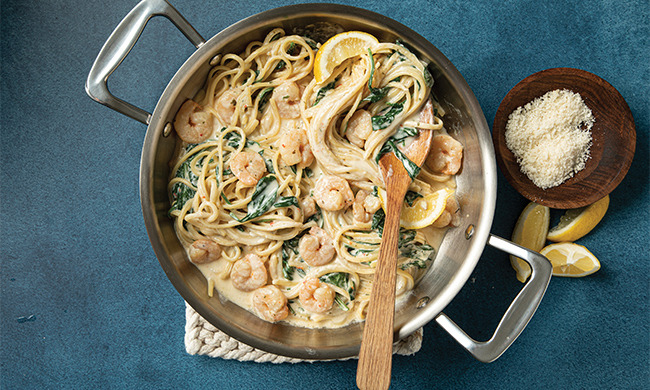
Easy, Approachable Solutions for At-Home Lenten Meals
(Feature Impact) Lent has long been a season of tradition and reflection, and it can also be an opportunity to introduce your family to exciting new flavors that may become staples in your kitchen.
If preparing seafood feels intimidating, try starting with dishes that are easy, familiar and approachable. For example, One-Pot Creamy Shrimp Scampi features a velvety sauce, earthy spinach and buttery, delicious shrimp – a recognizable and approachable recipe that can be a gateway to discovery.
Made with SeaPak frozen shrimp, you can help picky eaters in your home feel more confident in saying “yes” to something new. Frozen seafood is a perfect partner for familiar favorites like pasta, making it a playful, stress-free solution for encouraging exploration at mealtime.
“For many families, Lent often brings a shift at the dinner table – and this year, parents are turning it into an opportunity to try something new,” said Diana Rice, child nutritionist and registered dietitian. “When food feels approachable, it lowers stress for everyone. Familiar flavors help kids say ‘yes’ more often, and those positive moments can make seafood a feel-good part of family meals during Lent and beyond.”
When kids see foods that look and taste familiar – like the crunch of crispy fried shrimp – they may feel more comfortable giving it a try. That’s why discovery can extend beyond the dinner table to snack time, too.
Give kiddos the energy they need for homework assignments with Butterfly Shimp Bruschetta, a quick solution for after-school or weekend snacking. As your pickier loved ones dive in for something new, those small wins can build confidence to try new things – one bite at a time.
This Lent, swap “giving up” for “try this” with more approachable frozen seafood solutions and family-friendly recipes at SeaPak.com.
//www.youtube.com/embed/006rXnSXZGY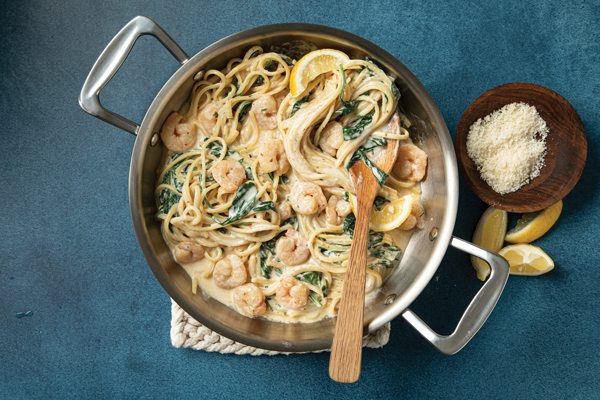
One-Pot Creamy Shrimp Scampi
Prep time: 5 minutes
Cook time: 25 minutes
Servings: 4
- 1 package (12 ounces) SeaPak Shrimp Scampi
- 1 1/4 cups half-and-half or milk
- 1 1/4 cups chicken stock
- 8 ounces linguine noodles
- 6 cups fresh spinach
- 1/4 cup grated Parmesan cheese
- 4 lemon wedges
- In large, high-sided saute pan, add shrimp and cook according to package directions. Remove shrimp to bowl and keep warm.
- In same pan with scampi sauce, stir in half-and-half and stock. Bring to low boil. Add pasta. Cook, stirring occasionally, until pasta is cooked al dente, 8-10 minutes.
- Stir in spinach and cook just until beginning to wilt. Stir reserved shrimp into pan.
- To serve, divide shrimp scampi between four bowls and top each with grated Parmesan. Serve with lemon wedges.
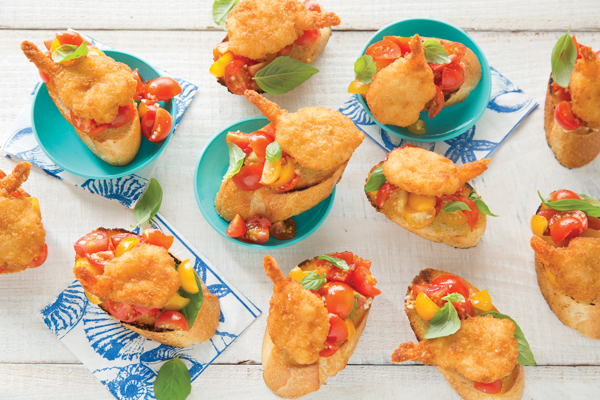
Butterfly Shrimp Bruschetta
Prep time: 15 minutes
Cook time: 15 minutes
Servings: 6
- 1 package (9 ounces) SeaPak Jumbo Butterfly Shrimp
- 1 baguette
- 3 garlic cloves, divided
- 6 tablespoons olive oil, divided
- 3 cups grape or cherry tomatoes, seeded and finely diced
- 1/3 cup chopped basil, plus additional for garnish
- salt, to taste
- pepper, to taste
- Preheat oven to 425 F. Bake shrimp according to package directions and keep warm.
- Slice baguette to match number of shrimp. Rub one garlic clove over one side of each slice of bread. Brush garlic-rubbed sides with 3 tablespoons olive oil. Set aside.
- Finely dice remaining garlic.
- In medium mixing bowl, stir tomatoes, remaining olive oil, diced garlic and 1/3 cup chopped basil. Season with salt and pepper, to taste, and set aside.
- In large, hot skillet, working in batches, add baguette slices oil sides down and cook until browned around edges. Remove from pan.
- Top each baguette slice with small spoonful of tomato mixture and one shrimp. Garnish with basil leaf.

SOURCE:
At our core, we at STM Daily News, strive to keep you informed and inspired with the freshest content on all things food and beverage. From mouthwatering recipes to intriguing articles, we’re here to satisfy your appetite for culinary knowledge.
Visit our Food & Drink section to get the latest on Foodie News and recipes, offering a delightful blend of culinary inspiration and gastronomic trends to elevate your dining experience. https://stmdailynews.com/food-and-drink/
Author

Food and Beverage
Create Little Moments of Happiness This Spring with Family-Friendly Potato Recipes
As spring encourages outdoor activities, The Little Potato Company offers time-saving products, like pre-washed Little Potatoes and crispy snacks. Enjoy convenient family meals and enter their sweepstakes for a chance to win travel and grocery prizes.
(Feature Impact) As the weather breaks and spring brings increased opportunities for families to get outside, activities, adventures and jam-packed calendars abound. All those special moments spent at the park, the sports field or in the backyard may leave lasting memories, but they can also leave you feeling short on time in the kitchen.
Bring a little moment of happiness to busy family mealtimes during the spring season with The Little Potato Company’s line of easy-to-prepare Little Potatoes. They come pre-washed, require no peeling and are small enough that they don’t need to be cut, allowing for less time in the kitchen and more family time around the table as the days get longer – no extra spring cleaning required. For an added helping of convenience, their Microwave Ready Little Potato Kits come with delicious seasoning packs; simply pop into the microwave, sprinkle on the included seasoning and enjoy.
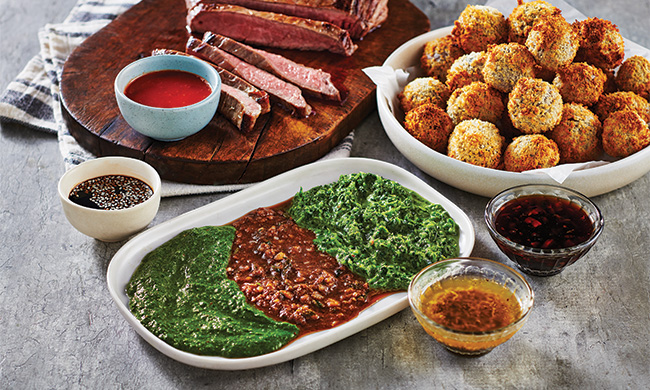
For a fun after-school or game-night snack, these Crispy Air Fryer Potato Nuggets pair perfectly with a variety of delicious dips. The air fryer cooks the potatoes in minutes, creating a crispy snack with minimal prep – no chopping or peeling needed.
Or you can make a delicious side dish a cinch with pesto, which adds a bright, flavorful twist to a classic in these Basil Pesto Mashed Potatoes. They pair perfectly with everyday family meals using Little Potatoes that require no chopping or peeling thanks to their naturally thin skins, helping cut down on prep time while bringing fresh flavor to the dinner table.
To help fuel families’ spring vacation plans and everyday meals, The Little Potato Company is giving you a chance to enter a sweepstakes through May 25 to win a $10,000 travel voucher with additional prizes including 10 grocery gift cards valued at $1,000.
Enter the sweepstakes at TheLittleSpringtimeSweeptakes.com, and find more ways to make spring meals a breeze by visiting LittlePotatoes.com.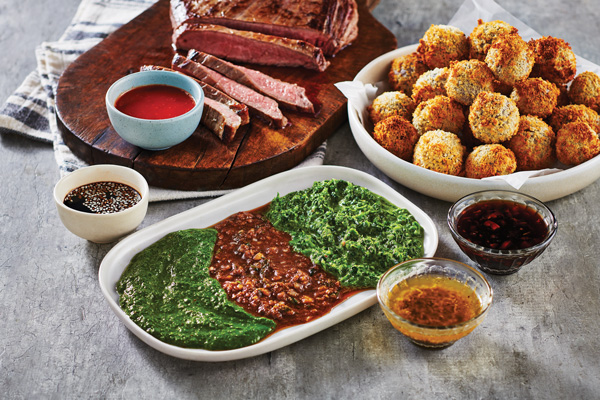
Crispy Air Fryer Potato Nuggets and Dip
Prep time: 10 minutes
Cook time: 24 minutes
Servings: 4
Potatoes:
- 1 cup all-purpose flour
- 1 teaspoon salt
- 1 teaspoon garlic powder
- 1/2 teaspoon pepper
- 1 cup milk
- 1 1/2 cups panko breadcrumbs
- 1 1/2 pounds Little Potatoes
Chimichurri:
- 1 bunch cilantro
- 1 bunch parsley
- 3 limes, juice only
- 2 tablespoons honey
- 2 teaspoons salt
- 1/2 teaspoon pepper
- 1 teaspoon chili flakes
- 1 cup canola oil
- Heat air fryer to 390 F.
- To make potatoes: In a shallow bowl, combine flour, salt, garlic powder and pepper. Whisk in milk until smooth.
- Place panko in a separate shallow bowl.
- Working in batches, coat potatoes in batter then toss in panko until fully coated.
- Place potatoes in the air fryer and cook 24 minutes, flipping halfway.
- To make chimichurri: In a blender, blend cilantro, parsley, lime juice, honey, salt, pepper, chili flakes and canola oil until smooth.
- Serve potato nuggets with chimichurri.
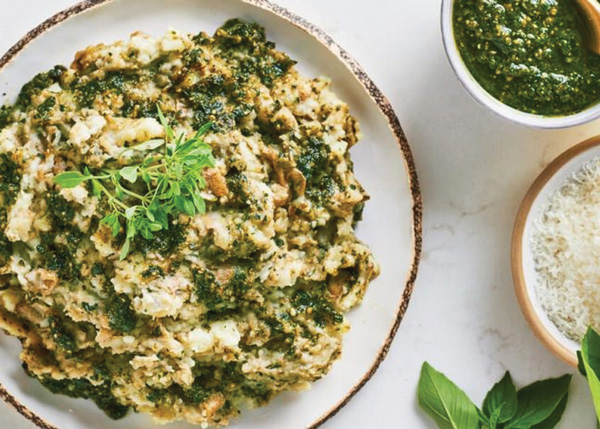
Basil Pesto Mashed Potatoes
Prep time: 5 minutes
Cook time: 20 minutes
Servings: 4
- 1 1/2 pounds Little Potatoes
- water
- 1 teaspoon salt, plus additional for seasoning, to taste, divided
- 2 1/2 cups fresh basil
- 4 cloves garlic
- 1/3 cup pine nuts
- 1/2 cup Parmesan, grated
- 2/3 cup olive oil
- pepper, to taste
- 1/2 cup milk
- 2 tablespoons butter
- Add potatoes to a large pot and cover with water. Add 1 teaspoon salt and bring to a boil for 15 minutes, or until potatoes are tender.
- In a food processor, place basil, garlic, pine nuts and Parmesan. Add oil and pulse until mixed then season with salt and pepper, to taste.
- In a small saucepot over low heat, heat milk and butter until butter is melted and milk is steaming.
- Once potatoes are cooked, strain and transfer to a medium mixing bowl.
- Using a potato masher, smash potatoes with milk and butter mixture then season with salt and pepper, to taste. Stir in pesto mixture.


SOURCE:
STM Daily News’ Food and Drink section highlights the stories, trends, flavors, and events shaping today’s food culture. From recipes to restaurant news, it keeps readers connected to what’s fresh and worth tasting.





