

Foodie News
National Nachos Day: Celebrating the Irresistible Snack
“Discover the origins, history, and delicious toppings of nachos as we celebrate National Nachos Day on November 6th. Get ready to indulge!”

Last Updated on November 6, 2025 by Rod Washington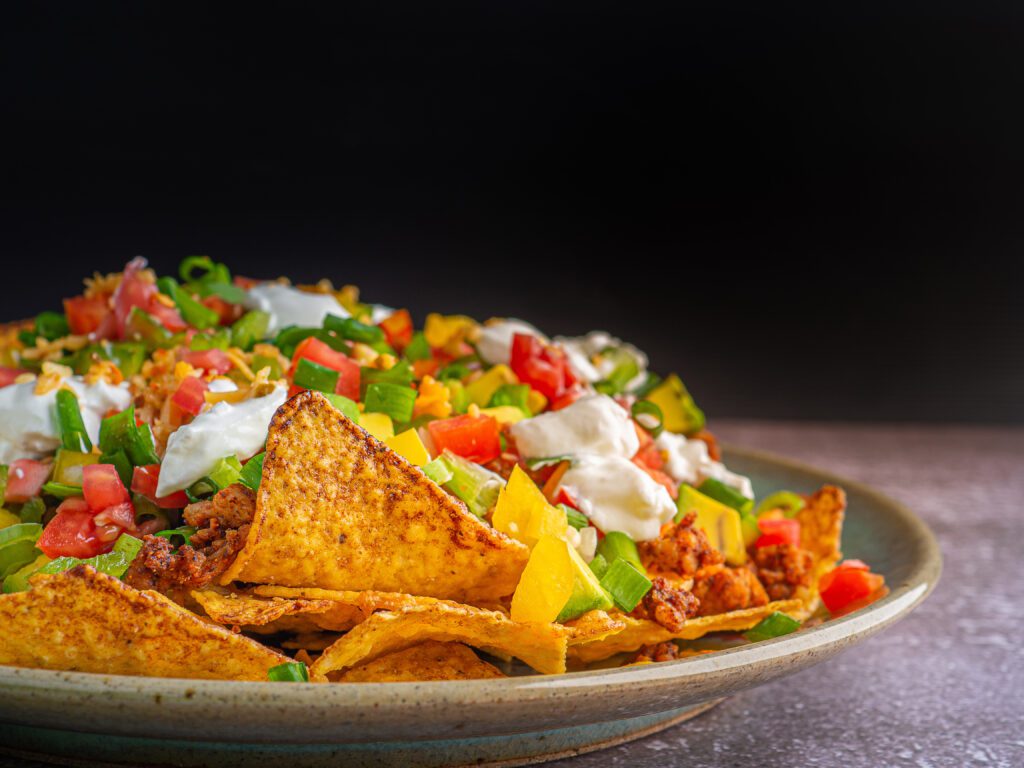
National Nachos Day, celebrated on November 6th, is a tribute to the beloved snack that has become a staple at sporting events and gatherings across the United States. Nachos, in their simplest form, consist of tortilla chips smothered in melted cheese and served with salsa.
The origins of nachos can be traced back to 1943 when Ignacio “Nacho” Anaya, the maître d’ at El Moderno Restaurant in Piedras Negras, Mexico, created the dish. When a group of hungry U.S. Army wives visited the restaurant, Nacho prepared a delicious snack by topping tostadas with shredded cheese and sliced jalapenos. The Army wives loved it and named it “Nacho’s Special.”
Since then, nachos have evolved and expanded in popularity. Today, we find nachos with a wide variety of toppings, including beef, chicken, seafood, and various seasonings. They can be enjoyed as a snack, an appetizer, or even as a full meal. Nachos have also transcended cultural boundaries, with different cuisines incorporating their unique flavors into the dish.
On National Nachos Day, indulge in your nacho cravings and experiment with different toppings. Share the celebration with friends and family, try new recipes, and don’t forget to share your nacho creations on social media using the hashtag #NationalNachosDay. Whether you prefer traditional nachos or a creative twist, this day is all about enjoying this delicious and versatile snack. So grab some chips, melt that cheese, and savor the flavors of National Nachos Day! https://www.nationaldaycalendar.com/national-day/national-nachos-day-november-6
Author








Food and Beverage
BJ’s Restaurant & Brewhouse Turns April Fool’s Day Into a Real Menu Moment With Sweet Heat Pepperoni Pizookie
Last Updated on March 31, 2026 by Daily News Staff
BJ’s Restaurant & Brewhouse is leaning into April Fool’s Day with a menu item that sounds made up but is very real. The casual dining chain has introduced the Sweet Heat Pepperoni Pizookie, a one-day-only dessert available April 1 for $4.01.
BJ’s Unveils Sweet Heat Pepperoni Pizookie in One-Day-Only April Fool’s Day Offer
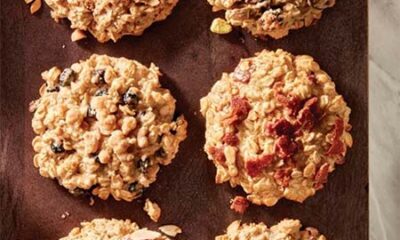
The limited-time item remixes two of BJ’s best-known menu identities: its deep-dish pizza flavors and its signature Pizookie dessert. The Sweet Heat Pepperoni Pizookie starts with a warm Chocolate Chunk Pizookie base and is topped with Rich Vanilla Bean ice cream, crispy cup-and-char pepperoni, and a drizzle of Mike’s Hot Honey.
According to the company, the idea builds on previous playful Pizookie launches, including the Pizickle Pizookie in 2024 and the Fryckle Pizookie in 2025. This year’s version pushes the concept further by combining sweet, savory, and spicy flavors into a single dessert designed to surprise guests.
“We’ve always believed that great ideas can come from unexpected places,” said Heidi Rogers, chief marketing officer at BJ’s Restaurants, Inc., in the announcement. She described the Sweet Heat Pepperoni Pizookie as a creative and intentional twist that made April Fool’s Day the right moment for the launch.
The dessert will be available for dine-in only on April 1. BJ’s says the item includes two scoops of vanilla bean ice cream and is finished with the same hot honey flavor profile that has appeared in its seasonal pizza offerings.
The promotion gives BJ’s a timely way to turn novelty into foot traffic, especially around a date when brands often compete for attention with joke announcements. In this case, BJ’s is using the holiday to offer something guests can actually order.
BJ’s Restaurants, Inc., founded in 1978, operates more than 200 restaurants across 31 states. The brand is known for its deep-dish pizzas, broad casual dining menu, and its long-running Pizookie dessert line.
Guests looking to try the Sweet Heat Pepperoni Pizookie will need to act quickly. The item is only available on April 1, making it one of the brand’s shortest limited-time offers of the year.
For more information, visit bjsrestaurants.com.
Hungry for what’s next? STM Daily News’ Food and Drink section dishes up the latest in restaurant news, beverage trends, seasonal recipes, culinary events, and food culture stories readers love to share.
Authors

Food and Beverage
JonnyPops Launches Refreshing New “No Sugar Added with Electrolytes” Mini Frozen Pops
JonnyPops is launching No Sugar Added with Electrolytes mini frozen pops—an organic, dye-free treat with hydration support—coming April 2026.

Last Updated on March 31, 2026 by Daily News Staff

JonnyPops Launches Refreshing New “No Sugar Added with Electrolytes” Mini Frozen Pops.
JonnyPops Launches Refreshing New “No Sugar Added with Electrolytes” Mini Frozen Pops
A better-for-you frozen treat meets hydration support in a grab-and-go mini format.
If you’ve ever reached for something cold after a workout, a long day outside, or when you’re just not feeling 100%, you’re not alone — and JonnyPops says its fans have been telling that story for a while.
The Minnesota-based frozen treat brand announced it’s expanding its No Sugar Added Minis lineup with a new option designed to be both refreshing and functional: JonnyPops “No Sugar Added with Electrolytes” mini frozen pops.
Fans asked for hydration-friendly pops — JonnyPops listened
According to the company, the new product was inspired by emails and social media comments from customers who were already using JonnyPops as a simple way to cool down and feel a little more hydrated.
JonnyPops says consumers shared stories about playing sports in the heat, spending time outdoors, or recovering from an illness — and how a frozen treat with hydration support would be the perfect pop for those moments.
That feedback led the brand to add electrolytes to its popular No Sugar Added Minis.
What’s inside the new minis
JonnyPops says the new “No Sugar Added with Electrolytes” minis are built around the same standards fans expect from the brand, including:
- Organic ingredients
- No artificial dyes
- No added sugar
- Electrolytes for hydration support
- Layered flavors designed for a fun, refreshing bite
“Consumers often share with us how JonnyPops is part of their everyday moments,” said Erik Brust, Co-Founder of JonnyPops. “We hope that these new frozen pops will be loved by our fans and enjoyed in all moments that need a refreshing treat.”
When you can find them
JonnyPops says the new minis are expected to hit stores in April 2026.
For updates on availability and additional product news, visit www.jonnypops.com and follow JonnyPops on social media.
About JonnyPops
JonnyPops’ tagline is “A Better Pop for a Better World!™” and the company says its mission is to make “delicious, magical products” while helping make the world a kinder place.
The brand notes its pops are free from artificial dyes, made in a peanut-free facility, and include a kind deed printed on every pop stick.
JonnyPops was founded in a St. Olaf College dorm room and sold its first pops at Twin Cities farmers’ markets and local cafes in 2012. Today, the company employs 200+ people, produces its frozen pops in-house, and is sold through major retailers across all 50 states.
Learn more at jonnypops.com or follow @jonnypops on Instagram.
Media contact
At our core, we at STM Daily News, strive to keep you informed and inspired with the freshest content on all things food and beverage. From mouthwatering recipes to intriguing articles, we’re here to satisfy your appetite for culinary knowledge.
Visit our Food & Drink section to get the latest on Foodie News and recipes, offering a delightful blend of culinary inspiration and gastronomic trends to elevate your dining experience. https://stmdailynews.com/food-and-drink/
Authors

Food and Beverage
Survey Finds Cooking Oil Now Influences Where Many Americans Choose to Eat
A new survey suggests cooking oil is no longer just a kitchen detail. Coast Packing found that 43% of Americans say a restaurant’s cooking oil influences where they choose to eat.


New national survey data suggests cooking oil is becoming a visible factor in restaurant selection, with younger diners showing the strongest preferences.
A new national survey suggests that cooking oil is no longer just a back-of-house decision for restaurants. It is increasingly becoming part of how consumers decide where to eat.
According to new data released by Coast Packing Company, 43% of Americans say a restaurant’s cooking oil influences their dining choice. The survey, based on responses from 1,005 U.S. consumers, points to a clear shift in how ingredient decisions are perceived by the public.
The strongest signal comes from younger diners. Among adults ages 18 to 34, 52% say knowing whether a restaurant uses Beef Tallow or seed oils affects where they choose to eat. Among consumers 55 and older, that number falls to 33%.
The preference gap also shows up when diners are asked to choose between two otherwise identical restaurants. In that scenario, 31% of adults ages 18 to 34 say they would choose the restaurant using Beef Tallow, compared with 19% of adults 55 and older.
The survey also found that 24.7% of diners prefer restaurants to use traditional animal fats such as butter or Beef Tallow, while 15.6% prefer seed or vegetable oils. That suggests ingredient choices once treated mainly as operational decisions may now be influencing brand perception, menu appeal, and customer loyalty.
For restaurant operators, the findings point to a broader change in consumer behavior. Diners, especially younger ones, appear increasingly interested in how food is prepared and what ingredients are used behind the scenes. That shift aligns with wider food industry trends that emphasize transparency, flavor, and traditional preparation methods.
Coast Packing says the data builds on years of tracking consumer attitudes toward animal fats. Earlier research showed growing openness to ingredients such as Lard and Beef Tallow, particularly among younger consumers who associate them with flavor and old-school cooking. This latest survey goes a step further by suggesting those views are now influencing actual dining behavior.
The findings also match broader market signals. Whole Foods Market’s 2026 food trend forecast identified Beef Tallow as an emerging ingredient gaining visibility, while analysts continue to project growth in the global tallow sector through 2030.
Restaurants are unlikely to overhaul kitchen practices overnight. Still, the survey suggests cooking oil is becoming more than a technical ingredient choice. For a growing share of consumers, it is part of the dining experience itself.
For more information, visit Coast Packing Company.
External Links
- Back to Flavor, Back to Tallow white paper
- Email to request the full survey results
- Coast Packing Company official website
- Coast Packing TasteMap
- Healthy Fats Coalition
Visit the Food and Drink section on STM Daily News for the latest food news, beverage trends, restaurant stories, seasonal recipes, culinary events, and community-driven lifestyle coverage.





