

Entertainment
NIOSA 2026 Locks In Dates, Ticket Deals, and La Villita Layout Changes Ahead of Fiesta San Antonio
NIOSA 2026: “A Night in Old San Antonio” (NIOSA) will take place from April 21-24, 2026, in La Villita. The festival maintains its 14 cultural areas with food, music, and entertainment while slightly adjusting some layouts. Discounted tickets are available, supporting historic preservation efforts.

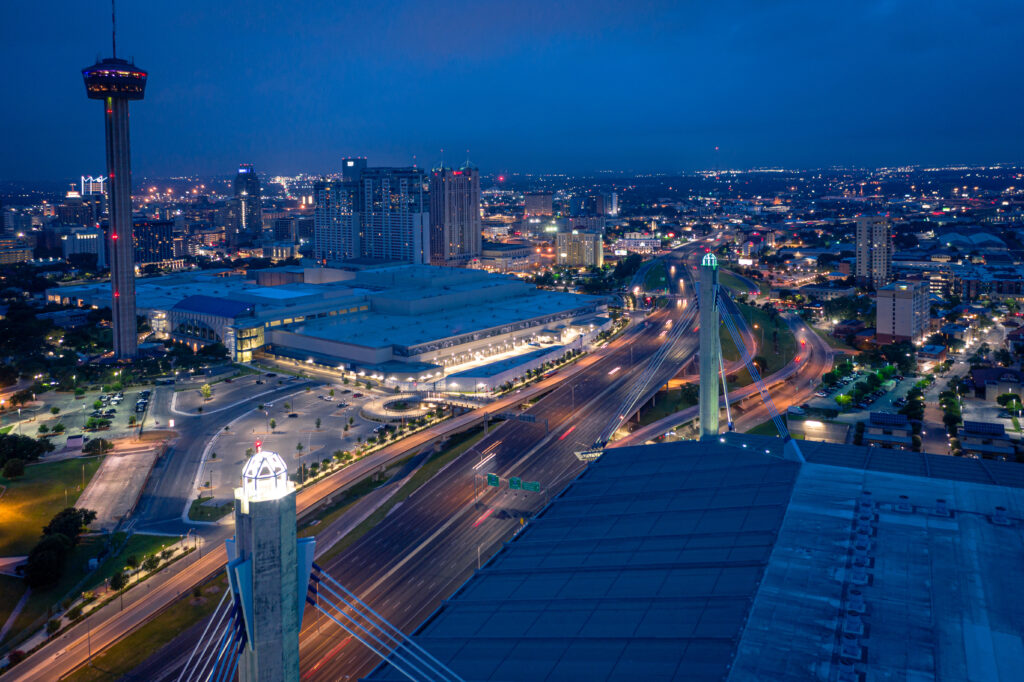
NIOSA 2026 Locks In Dates, Ticket Deals, and La Villita Layout Changes Ahead of Fiesta San Antonio
“A Night in Old San Antonio” (NIOSA) is already in full build mode for 2026, and for longtime Fiesta fans, the headline is simple: the experience is staying familiar—just with a few on-the-ground tweaks.
NIOSA, the four-night festival known for turning La Villita Historic Arts Village into a packed, music-filled maze of cultural neighborhoods, will run April 21–24, 2026, from 5:30 p.m. to 10:30 p.m. nightly, during Fiesta San Antonio. The event remains centered in La Villita, in the heart of downtown San Antonio, with organizers confirming that all 2025 areas will return—though some entertainment and dining areas will be moved around within the roughly five-acre footprint.
A Fiesta favorite with a preservation purpose
Celebrating its 78th presentation in 2026, NIOSA is more than a marquee Fiesta party. Organizers describe it as the top fundraiser for historic preservation in the United States, operating under the motto “A Celebration for Preservation.”
NIOSA is produced by and benefits The Conservation Society of San Antonio, one of the nation’s oldest historic preservation organizations, which marked its 100th anniversary in 2024. Proceeds support the Society’s work preserving historic properties and parks, along with education and advocacy efforts that include scholarships, grants, and funding support for research and restoration projects.
According to the release, NIOSA provides the Society over $1 million annually on average, helping fund preservation seminars, scholarships, a resource library, and house museums. The event also invests heavily back into the community through local suppliers and operational costs tied to hosting the festival in La Villita.
The 14 areas that make NIOSA feel like its own city
The core of NIOSA’s draw is its immersive layout: 14 cultural areas filled with food, music, décor, and continuous entertainment. The press release highlights the festival’s mix of atmosphere booths, entertainment stages, decorations, souvenirs, and an all-hands volunteer effort that brings the village to life each night.
The 14 areas include:
- The Mission Trail, celebrating early San Antonio history with colorful mission-inspired façades
- Arneson Theatre, set along the River Walk with an amphitheater built in 1941
- China Town, featuring Asian flavors
- French Quarter, where beignets share the menu with escargot
- Frontier Town, bringing the old west to life (and home to the famous Shypoke Eggs)
- Irish Flat, known for favorites like Potato Skins
- Haymarket, featuring Tejano sounds and handmade Maria’s Tortillas
- Clown Alley, built for nostalgic fun
- Froggy Bottom, where the music rocks while fans line up for Chicken on a Stick
- Main Street USA, where it’s always the 4th of July
- Mexican Market, featuring popular Anticuchos beef kabob
- Sauerkraut Bend, serving sizzling sausage with a German Oompa band
- South of the Border, with Northern Mexico-influenced cuisine like Pollo Rancho
- Villa España, surrounded by colorful Spanish murals
Organizers note that while some areas will shift locations within La Villita, every area from 2025 will still exist in 2026—meaning the festival’s “choose-your-own-adventure” feel should remain intact, even if your usual route through the grounds changes.
What’s staying the same (for the better)
NIOSA’s message for 2026 is that the fan favorites aren’t going anywhere.
The festival will again serve a long list of staples, including Mr. Chicken, Maria’s Tortillas, Anticuchos, German sausage, Bongo-K-Bobs, Shypoke Eggs, Beignets, Fried Mushrooms, Yak-i-Tori, Steer on a Stick, Gorditas, and Fajitas de Pollo. Organizers also say NIOSA’s favorite entertainers will return nightly for continuous entertainment, and popular souvenirs will be back, including 2026 NIOSA medalsand the event’s collectible beer cups.
A private medal unveiling ceremony is planned for late January, open to media.
NIOSA also emphasizes that it operates rain or shine, with no refunds on tickets.
Tickets: early discounts and member pricing
For those planning ahead, NIOSA is pushing early ticket savings now.
- Discount tickets are on sale for $17 through January 4, 2026.
- Those tickets are valid for any night of NIOSA 2026.
- Tickets are sold online at: https://niosa2023.ticketspice.com/a-night-in-old-san-antonio-2026
Families should also note: Children 12 and under are admitted free with a paying adult.
The release also points to the best discounted option for regular attendees: joining The Conservation Society of San Antonio by the end of March 2026. Discounted member tickets are listed at $15 per person, with the added benefit of supporting the preservation mission behind the festival.
Powered by volunteers, built for community
NIOSA’s scale is massive—and it runs on volunteer power. The release states that the entire event, including food booths, is operated by an “army” of 10,000 volunteers, with many booths staffed by second- and third-generation families. Volunteers travel from across the country to participate.
The 2026 NIOSA Chair is Julie Terrill, supported by Vice Chairs Monica Reyes, Anita Gonzalez, Lisa Pierce, and Abbi Power, with DeAnna Keesee serving as Treasurer.

The bottom line
NIOSA 2026 is set for April 21–24 at La Villita, keeping its signature mix of cultural areas, live entertainment, and iconic Fiesta food—while shifting a few dining and entertainment zones around the grounds. Early-bird tickets are already available, and organizers are positioning membership as the best way to save while backing San Antonio preservation efforts.
For more information, visit https://www.niosa.org/ or follow NIOSA on Facebook and Instagram.


Cineverse Partners With VA Media to Expand YouTube Monetization Strategy
Cineverse has announced a strategic partnership with VA Media to accelerate growth and digital monetization across its expanding portfolio of fandom-focused YouTube channels.
The agreement will bring a YouTube-first strategy to Cineverse’s channel network, including longform and shortform content planning, channel optimization, financial modeling, and broader monetization support. The partnership will begin with Dog Whisperer with Cesar Millan, which Cineverse identified as its top revenue-generating YouTube channel.
Cineverse said its owned or operated YouTube channels currently account for more than 10 million subscribers and over 200 million video views. The company’s digital portfolio spans genres including horror, anime, romance, indie film, Asian cinema, and other fandom-driven categories.
VA Media, which specializes in YouTube strategy and social video monetization, will work with Cineverse to improve discoverability, strengthen channel performance, and unlock new revenue opportunities across YouTube and adjacent platforms.
The partnership reflects the growing role of YouTube as a core distribution and monetization channel for premium entertainment content.
For more information, visit Cineverse.
External Links
STM Daily News’ Entertainment section delivers the latest on movies, television, music, pop culture, events, and industry buzz. From breaking news and trending stories to feature coverage and community-centered entertainment reporting, it keeps readers connected to what’s happening on screen, on stage, and beyond.
McDonald’s is blending fast food, fandom and Korean-inspired flavors in a new collaboration with Netflix tied to the hit film KPop Demon Hunters. Beginning March 31, the chain will roll out two limited-time adult meals inspired by the movie’s rival groups, HUNTR/X and the Saja Boys, along with collectible photocards and app-based fan experiences. The promotion will be available at participating McDonald’s restaurants nationwide.


McDonald’s KPop Demon Hunters meals
The campaign introduces two themed meals built around the film’s central rivalry. The Saja Boys Breakfast Meal includes a Spicy Saja McMuffin, hash browns and a small soft drink, while the HUNTR/X Meal features a 10-piece Chicken McNuggets, medium soft drink, Ramyeon McShaker Fries, Hunter Sauce and Demon Sauce. McDonald’s said the menu was inspired in part by flavors from its South Korea restaurants, aiming to connect fans to the movie through food as well as pop culture.
The promotion also includes collectible card packs with each meal. Customers will receive a photocard featuring either HUNTR/X or the Saja Boys, plus a Derpy access card that can be scanned and entered in the McDonald’s app by April 26 to unlock early access to exclusive content and a special reveal tied to the “Battle for the Fans.” A new Derpy McFlurry, made with vanilla soft serve, berry popping pearls and wild berry sauce, will also be sold separately during the promotion.
McDonald’s and Netflix both described the collaboration as a way to bring fans deeper into the world of KPop Demon Hunters through menu items and interactive experiences. For STM Daily News readers in the food and drink section, the release highlights how major brands are increasingly turning entertainment partnerships into immersive dining promotions that combine limited-time flavors, collectible merchandise and digital engagement.
Related Links
Source
Entertainment
One More Christmas Begins Production as Great American Media Unveils 2026 Holiday Original


Great American Media has announced One More Christmas, a new original holiday film starring Candace Cameron Bure and Jonathan Scarfe, now in production for Great American Christmas 2026. The film adds another early title to the network’s seasonal lineup as it heads into its sixth year of Christmas programming built around faith, family, hope, and redemption.
In the film, Bure plays Anna, a woman who has been divorced from James Campbell, played by Scarfe, for five years. The former couple reunites over Christmas after their daughter invites the family to a Smoky Mountain cabin to meet her serious boyfriend. What starts as an uneasy holiday gathering shifts when a major ice storm traps Anna and James together, forcing them to revisit the past and consider whether their story is really over.
Why It Stands Out
The setup gives One More Christmas a built-in second-chance romance angle, but the family dynamic may be what gives it the most emotional pull. Great American Media is clearly leaning into the kind of heartfelt, values-driven storytelling its audience expects, while continuing to build Candace Cameron Bure’s presence across its holiday slate.
Bure is also serving as an executive producer on the film. Great American Media said she will star in two original movies for the 2026 season and executive produce another holiday feature still to be announced. Bill Abbott, President and CEO of Great American Media, said Bure continues to help define the tone and quality of the network’s Christmas programming.
Creative Team
One More Christmas is executive produced by Candace Cameron Bure, Jeffery Brooks, Ford Englerth, and Tim Owens for CandyRock Entertainment, with Eric Jarboe and Holly Hines executive producing for Happy Accidents. The screenplay is written by Taylor Kalupa and Masey McLain.
CandyRock Entertainment, Bure’s joint venture with Ford Englerth and Jeffery Brooks, has produced and distributed more than 40 television and film projects focused on family-friendly entertainment.
What to Watch For
As Great American Media continues to expand its holiday lineup, One More Christmas looks positioned as one of the network’s early attention-grabbers for 2026. Between Bure’s ongoing creative role, Scarfe’s addition, and the familiar mix of Christmas setting and emotional reconciliation, the film fits squarely within the network’s brand while giving viewers a story built around family tension, weather-forced closeness, and possible renewal.
Source
Related External Links
Source
Visit the Entertainment section on STM Daily News for the latest entertainment news, movie updates, TV coverage, music stories, pop culture trends, and event highlights.





