

Lifestyle
Popilush Jumpsuits Collection Blends Function and Style with New Designs

WILLIAMSBURG, Va. /PRNewswire/ — In an era where athleisure is booming, Popilush, a pioneer in shapewear apparel, is excited to launch a collection of jumpsuits that seamlessly blends style, comfort, and athletic functionality.

The Popilush jumpsuits collection stands out for its innovative design elements that address both aesthetics and functionality. At the forefront is the seamless design, which not only enhances comfort but also ensures a smooth, flattering fit that enhances the wearer’s silhouette. The absence of seams reduces chafing and irritation, making the collection ideal for prolonged wear, no matter the activity.
In addition to comfort, the collection features advanced sewing techniques that significantly increase the durability of each piece. This meticulous craftsmanship ensures that the products can withstand the rigors of sports activities while maintaining their pristine appearance. The three-dimensional support lines for the chest provide exceptional support and a natural shaping effect, allowing women to move freely and confidently during any activity.
The Shapewear Romper Pet Hair Resistant Workout with its front chest hollow embellishment, built-in dual side pockets, and shorts, is perfect for the pickleball or tennis court. It provides the necessary support and freedom of movement, enhancing athletic performance while maintaining a chic appearance. The Shapewear Dresses Pet Hair Resistant Square Neck Workout boasts a unique design with an innovative feature at the back waistline for easy shorts removal. Equipped with built-in pockets on both sides and crafted from pet hair-resistant fabric, it’s the perfect choice for sports enthusiasts who enjoy the company of their pets. The design ensures both style and functionality, allowing the wearer to perform at their best while looking fabulous.
Whether running errands, grabbing brunch with friends, or engaging in a light workout, the collection offers unparalleled confidence and comfort. The functional and fashionable designs make this a versatile addition to any wardrobe.
About Popilush
Popilush is a pioneer of apparel with built-in shapewear that empowers women of all shapes and sizes to look as good as they feel, every day. They design shapewear apparel that includes garments innovated with built-in lifting, smoothing, and shaping, for everyday support. Their mission is to uplift all women so they can feel their best, and have the freedom and confidence to be themselves. Their high-quality apparel is available in a diverse range of sizes at an affordable price. With Popilush, you can confidently express your unique style while enjoying the benefits of premium apparel. To learn more about Popilush and explore their products, visit their official website and Amazon store, or join the Popilush community on Instagram @popilush.
SOURCE POPILUSH LLC
Our Lifestyle section on STM Daily News is a hub of inspiration and practical information, offering a range of articles that touch on various aspects of daily life. From tips on family finances to guides for maintaining health and wellness, we strive to empower our readers with knowledge and resources to enhance their lifestyles. Whether you’re seeking outdoor activity ideas, fashion trends, or travel recommendations, our lifestyle section has got you covered. Visit us today at https://stmdailynews.com/category/lifestyle/ and embark on a journey of discovery and self-improvement.
Author


recipes
Say ‘Yes, Please’ to The Grilled Cheese of the Year: Gooey Goodness with a Protein Punch
Tne Grilled Cheese of the Year: A grilled cheese sandwich isn’t just a lunchtime staple; it’s a beloved cultural icon. There is a universal magic in the combination of ooey-gooey cheese, golden bread and a little butter – but in 2026, this comfort food classic is getting a functional upgrade in recipes like The Protein Powerhouse and The Classic.

Say ‘Yes, Please’ to The Grilled Cheese of the Year: Gooey Goodness with a Protein Punch
(Feature Impact) A grilled cheese sandwich isn’t just a lunchtime staple; it’s a beloved cultural icon. There is a universal magic in the combination of ooey-gooey cheese, golden bread and a little butter – but in 2026, this comfort food classic is getting a functional upgrade.
It’s also safe to say nostalgia is delicious and addicting, which is why Borden Cheese is sharing not one, but two, prize-worthy recipes, one of which packs a protein punch and another that’s a pure classic, perfect for spreading smiles and happy bellies.
Protein, Please: The Protein Powerhouse is the Grilled Cheese of the Year, and it’s easy to see why. It’s a protein-packed masterpiece designed for the modern appetite. Featuring a creamy, dual-cheese combo of mild cheddar and Borden Mozzarella Cheese Melts, the sandwich is melted over 5 ounces of tender sliced chicken breast and delivers more than 40 grams of protein and about 8 grams of fiber when paired with the right bread. Served with a tangy Greek yogurt and Dijon mustard “powerhouse sauce” and pressed between golden, crispy bread, this grilled cheese isn’t your ordinary melt. It has been transformed into a massive protein boost.
Tried n’ True: While modern flavors and trends are delicious, nostalgia is too. In fact, a whopping 20,000 fans cast their votes for America’s Favorite Grilled Cheese, asserting a fervor that’s unmatched when it comes to their perfect melt, and awarded The Classic the title of “America’s Favorite.” This comforting recipe pairs extra sharp melts with American singles on sliced white bread for a perfect, ooey-gooey bite that reminds you the cheese truly “makes” the sandwich.
VisitBordenCheese.com/grilled-cheese-day for other ooey-gooey grilled cheese recipes created for 2026.
The Protein Powerhouse
- 1 tablespoon butter, softened
- 2 slices bread fortified with protein and fiber
- 2 Borden Mild Cheddar Slices
- 1 slice Borden Mozzarella Melts
- 5 ounces sliced chicken breast (deli-shaved or thinly carved)
“Powerhouse” Sauce:
- 2 tablespoons non-fat Greek yogurt
- 1 teaspoon Dijon mustard
- 1/2 teaspoon garlic powder
- 1/2 teaspoon smoked paprika
- Heat griddle to medium heat. Butter bread. Layer cheeses and chicken on top of bread.
- Place bread on griddle and cook until lightly toasted. Flip and cook other side.
- Remove sandwich from skillet or griddle.
- To make powerhouse sauce: Mix Greek yogurt, Dijon mustard, garlic powder and smoked paprika until well blended. Slice sandwich in half and drizzle with Powerhouse sauce.

The Classic
- 1 tablespoon butter, softened
- 2 slices white bread
- 2 slices Borden Extra Sharp Melts
- 2 slices Borden American Singles
- Heat skillet or griddle over medium heat.
- Spread butter on one side of each slice bread.
- Place cheese slices on unbuttered side of bread. Top with other slice of bread with butter facing upward.
- Place sandwich on skillet or griddle and cook 3-4 minutes on each side. Using spatula, lightly press sandwich down gently while cooking to melt cheese better.
- Remove from skillet or griddle and slice in half.

SOURCE:
Borden
At our core, we at STM Daily News, strive to keep you informed and inspired with the freshest content on all things food and beverage. From mouthwatering recipes to intriguing articles, we’re here to satisfy your appetite for culinary knowledge.
Visit our Food & Drink section to get the latest on Foodie News and recipes, offering a delightful blend of culinary inspiration and gastronomic trends to elevate your dining experience. https://stmdailynews.com/food-and-drink/
health and wellness
Stacking Healthy Habits for Progress, Not Perfection
Healthy Habits: Many struggle with building healthier habits due to unrealistic expectations rather than lack of motivation. The American Heart Association’s My Life Check tool offers personalized heart health insights, helping to set attainable goals. Simple lifestyle changes—focused on nutrition, movement, sleep, and stress management—can gradually lead to significant health improvements.
Last Updated on April 10, 2026 by Daily News Staff
(Feature Impact) Despite the best of intentions, it’s common for plans to build healthier habits to fall flat. Often, the culprit isn’t a lack of motivation or discipline; rather, it’s unrealistic expectations.
Overhauling your lifestyle requires a level of commitment that isn’t always practical. Understanding your personal health needs and the challenges you need to overcome can help give you a more realistic roadmap toward better health.
Tools to Guide You
Every plan needs a starting point and there are many reputable sources that can help guide you toward a plan that addresses your personal health needs.
For example, the American Heart Association introduced My Life Check, a simple, free tool to help individuals understand their heart health and what’s driving it. Users answer simple questions about their daily habits and health factors to get a personalized Heart Health Score in minutes.
The results are private and downloadable, giving you full control of your information. The tool turns big goals into small, specific actions you can start right away. Knowing your numbers relative to your heart health (and where you are in comparison to target ranges for optimal health) can help you decide how to build a better map to get you where you want to be.
While the report is customized to each individual, no personal data is stored and answers are only used to calculate health scores and provide personalized recommendations and practical steps to improve your health, so you can use your results to focus on what matters most to you. Every small step you take, such as moving more, eating smarter, sleeping better or managing stress, can add up over time.
Finding Your Path
Once you’re armed with data and know where you stand on your heart health numbers, small steps become clearer and more manageable. That knowledge makes it easier to choose one area to focus on, such as getting more sleep, taking daily walks or adding more color to your meals.
Healthy changes don’t need to be expensive or complicated. The best habits are ones that fit real life when every action you take moves you closer to your goals.
Eat Smart
Choose foods that help you feel your best, one meal at a time. Add more color to your plate and focus on balance, not restriction. Simple, affordable swaps can make a real difference.
Move More
Find movement that fits your life, such as a walk, a stretch or dancing while you cook. Every bit of activity counts and it all supports your heart and mind. Move for joy, not just for results.
Sleep Well
Rest is a foundation of good health, not a reward. Protect your bedtime routine and give your body the recovery it deserves. Notice how good sleep makes everything else easier.
Manage Stress
Check in with yourself regularly, both mentally and emotionally. Create simple moments to pause, breathe, laugh or step outside. Connection, kindness and calm all support a healthy heart.
Staying motivated and on track is also easier when you can check back in, see your progress and realize the steps you’re taking are making an impact. Checking in every few months to see how you can grow gives you the chance to celebrate your progress, learn from challenges and keep building lasting habits that feel good.
To get started with personalized tips to set your own health goals, visit heart.org/mylifecheck.
Photos courtesy of Shutterstock
<img src="https://ssl.google-analytics.com/collect?v=1&tid=UA-482330-7&cid=1955551e-1975-5e52-0cdb-8516071094cd&sc=start&t=pageview&dl=http%3A%2F%2Ftrack.familyfeatures.com%2F17763%2F10236&dt=STACKING-HEALTHY-HABITS-FOR-PROGRESS-NOT-PERFECTION" />
https://erp.featureimpact.com/api/v1/tracking/17763/10236/track.js
<script type="text/javascript">
(function () {
var image = new Image(1, 1);
image.src = 'https://erp.featureimpact.com/api/v1/tracking/17763/10236/track.gif?referrer=' + window.location.href;
image.id = 'feature-impact-content-tracking-pixel';
image.style.position = 'absolute';
image.style.top = 0;
image.style.left = 0;
document.body.appendChild(image);
})();
</script>SOURCE:
home gardening
Grow Healthier Plants (and Use Less Water) by Improving Your Soil
Biochar enhances soil health by improving water retention and nutrient availability, supporting stronger plant growth. It offers a sustainable solution by sequestering carbon and can also be used for composting and livestock bedding.
Last Updated on April 10, 2026 by Daily News Staff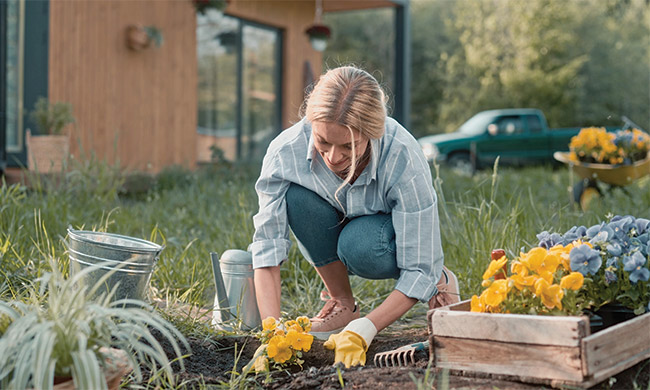
(Feature Impact) Almost every gardener knows the frustration: One corner of the garden bursts with life while another struggles to hang on. Flowers are slow to open, vegetables disappoint and the soil seems to drink up water and ask for more.
However, seasoned gardeners know the difference between a struggling garden and a thriving one almost always comes down to what’s beneath the surface.
Success Runs Soil Deep
The change in seasons can leave soil compacted and depleted, so spending some time giving it a boost can set the stage for strong, healthy plants. It may also be easier than many gardeners think to give soil the help it needs. Blending in amendments like biochar improves soil health, helps retain water and locks in nutrients.
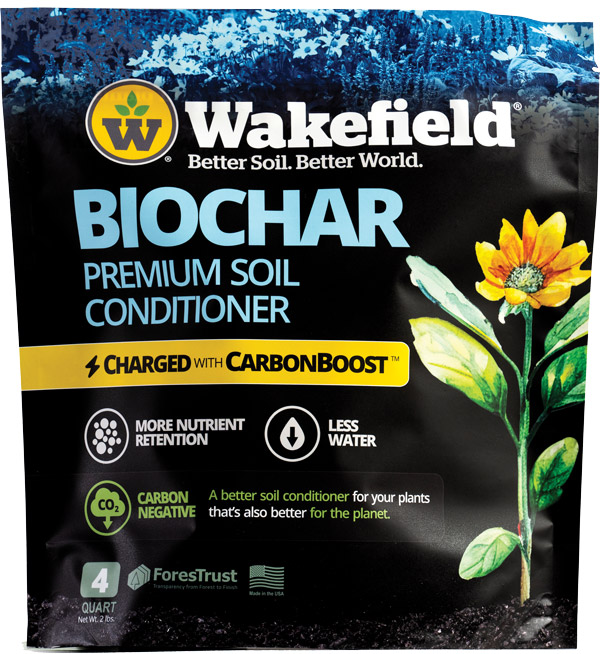
An easy-to-use yet powerful conditioner that helps balance soil pH, Wakefield BioChar boosts soil fertility and supports stronger, healthier plant growth. Once it’s mixed into soil, biochar becomes a powerhouse worker. It holds onto water like a sponge, slowly releasing and making the water accessible, so plants continually receive moisture and gardeners need to water less. It also makes nutrients more available to plants, resulting in healthier gardens and greener lawns.
 An Easy-to-Use Boost
When planting in the garden or pots, biochar should make up approximately 10% of the soil mix. If you’re setting up a garden bed, mix it into the soil to a depth of 4-6 inches (1 cubic foot is plenty for a 4-by-8-foot garden bed). For trees and shrubs, adding biochar directly to the roots helps them get off to a strong start and supports healthy growth.
It’s also a natural way to improve a lawn’s look and performance. To add biochar to your lawn to prepare for warm weather, spread it evenly across the grass, either by hand or with a broadcast spreader for larger areas. Aim for a thin, even layer to ensure all parts of your lawn benefit from its properties, improving long-term soil health. For newly planted lawns, mix 1 cubic foot of biochar into every 100 square feet of soil, making sure it penetrates 2-4 inches deep.
No matter where you use biochar, water regularly for the first week to activate its benefits. Watering helps biochar settle into the soil and start working, as its porous structure holds moisture, helping keep gardens and lawns hydrated.
Sustainable from the Ground Up
Not only does biochar deeply nourish your garden or lawn, it also helps create a more sustainable environment for years to come. It’s made by heating natural materials, such as organic wood waste, in a way that stores carbon rather than releasing it into the atmosphere as greenhouse gases.
The process – called pyrolysis – locks carbon into a stable form that doesn’t break down as quickly as mulch or compost and transforms into a light, porous material that stays active, season after season, to ensure nutrient-rich soil for years to come.
Beyond the Lawn
It isn’t just for providing plants with healthier soil. Bring biochar along on camping trips, as it also works wellfor composting toilets and has the added benefit of controlling odors and absorbing waste, making it a sustainable option that can be composted afterward.
It can also be used as livestock bedding as it absorbs liquids, neutralizes odors and can be mixed with manure to create a more nutrient-rich compost for plants and crops.
Learn more about planting healthy gardens and green spaces at WakefieldBiochar.com/grow.
Photo courtesy of Shutterstock (woman gardening)


SOURCE:
Wakefield BioChar





