

indie film production
“STAMPILA”: A Cinematic Revolution That Became Reality
“STAMPILA” sparked a real revolution in Moldova, proving the film’s power to ignite change and challenge corruption.

In an extraordinary blend of art and real-life political upheaval, “STAMPILA,” the first American-Moldovan co-production, has not just captured imaginations but also played a pivotal role in sparking a genuine revolution in Eastern Europe. Directed by the visionary American filmmaker David Larson, this film transcends the boundaries of typical storytelling, demonstrating vividly how a movie can influence societal change and even assist in toppling a corrupt regime.
The Birth of “STAMPILA”
Set against the backdrop of Moldova, a vibrant yet tumultuous region plagued by political corruption, “STAMPILA” unfolds through the eyes of a daring middle-aged woman determined to dethrone the oligarch strangling her country. This character, fueled by nothing but wit and stolen government stamps, embarks on a perilous journey to ignite a nationwide revolution.
The inception of this project was anything but ordinary. Larson, armed with dual scripts—one as a decoy for the prying eyes of government officials and the other the real screenplay—shot the film in a whirlwind 21 days, under the ever-watchful eye of the Moldovan government. The audacity of filming a politically charged satire in such an environment is a testament to Larson’s commitment to his craft and his desire to make a meaningful impact.
The Impact
Larson’s strategic release of “STAMPILA” was timely and struck a chord with the Moldovan populace, eventually contributing to a real-life uprising against the oligarch depicted in the film. The filmmaker’s clever ploy to film the revolution scenes with hundreds of extras in the main square masquerading as protestors helped raise awareness and unite the people. It blurred the lines between fiction and reality, eventually making the depicted revolution a tangible goal for citizens.
This phenomenon highlights the profound effect cinema can have on society, serving as a catalyst for public discourse and action. Larson’s film did more than entertain; it rallied a nation to fight against oppression, leading to the ouster of a real-life oligarch who had long exploited their resources and trust.
Critical and Public Reception
Following its dramatic and covert production phase, “STAMPILA” premiered to a packed house in Moldova, met with applause and cheers from an audience who saw their struggles and hopes reflected on the big screen. The film has not only been a success at home but has also garnered international acclaim, winning multiple awards at the Jersey Shore Film Festival including Best of the Fest and Best Feature.
Conclusion
“STAMPILA” stands as a brilliant example of the power of film as an agent of change. David Larson’s daring and innovative approach to filmmaking has not only set a precedent for American-Moldovan collaborations but also proven that cinema possesses the incredible power to influence political landscapes and inspire real-world action. The revolution sparked by “STAMPILA” is a narrative of courage, unity, and the unyielding spirit of a people bound by the desire for freedom and justice.
As Larson’s masterpiece continues to tour the film festival circuit and seeks global distribution, its story remains a resounding reminder of the role creative expression can and does play in shaping our world. For more updates on “STAMPILA” and to catch a glimpse of this revolutionary film, follow its journey on Instagram, Facebook, and its official website.
Instagram | Facebook | Official Website
“STAMPILA” not only illuminates the power of storytelling but also encapsulates the essence of cinema as a mirror to society and a beacon of change.
Looking for an entertainment experience that transcends the ordinary? Look no further than STM Daily News Blog’s vibrant Entertainment section. Immerse yourself in the captivating world of indie films, streaming and podcasts, movie reviews, music, expos, venues, and theme and amusement parks. Discover hidden cinematic gems, binge-worthy series and addictive podcasts, gain insights into the latest releases with our movie reviews, explore the latest trends in music, dive into the vibrant atmosphere of expos, and embark on thrilling adventures in breathtaking venues and theme parks. Join us at Looking for an entertainment experience that transcends the ordinary? Look no further than STM Daily News Blog’s vibrant Entertainment section. Immerse yourself in the captivating world of indie films, streaming and podcasts, movie reviews, music, expos, venues, and theme and amusement parks. Discover hidden cinematic gems, binge-worthy series and addictive podcasts, gain insights into the latest releases with our movie reviews, explore the latest trends in music, dive into the vibrant atmosphere of expos, and embark on thrilling adventures in breathtaking venues and theme parks. Join us at [insert website URL] and let your entertainment journey begin! https://stmdailynews.com/category/entertainment/
and let your entertainment journey begin!
Author


documentaries
“1001 Crowns for My Head”: A Powerful Celebration of Afro Hair, Identity, and Pride
Habibata Ouarme’s documentary “1001 Crowns for My Head” debuts October 27 on TFO.org, celebrating the cultural pride and heritage of Afro-descendant women through the art and history of hair.
Last Updated on October 26, 2025 by Daily News Staff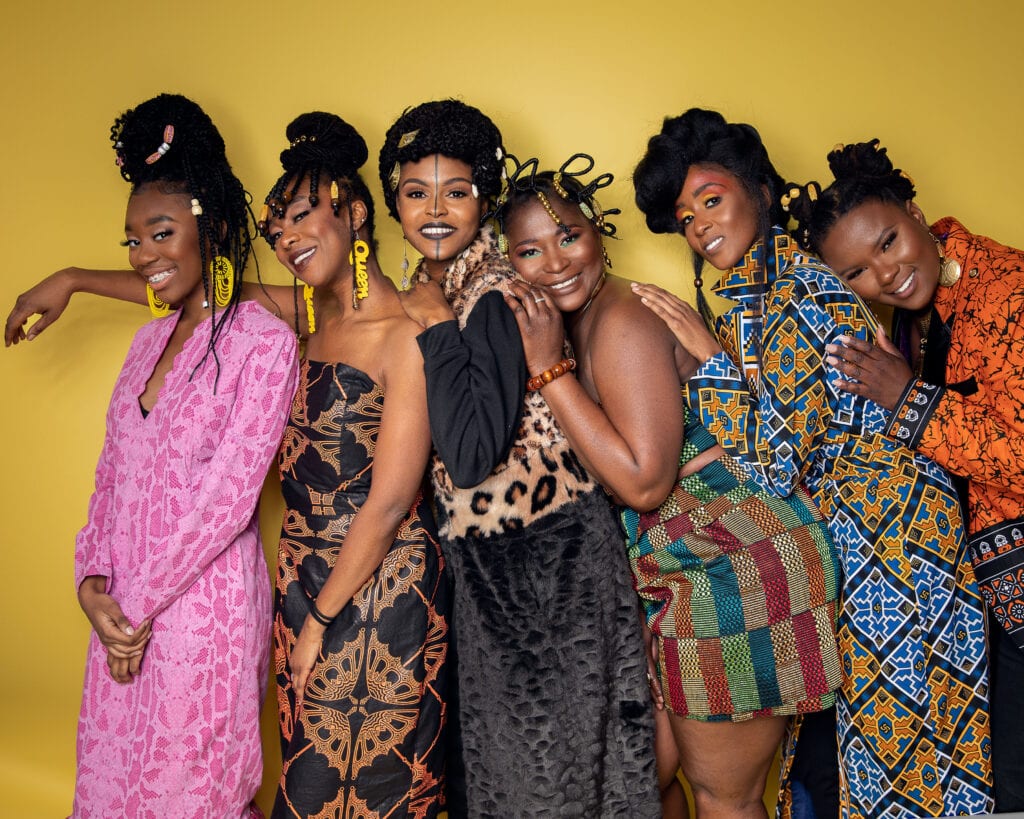
Airing October 27, 2025, on TFO.org
(Montreal, QC) — October 13, 2025) — Hair is more than just style—it’s a story, a legacy, and a declaration of self. The new documentary 1001 Crowns for My Head by acclaimed filmmaker Habibata Ouarme (of KOROMOUSSO: Big Sister fame) brings that truth to life in a dazzling, heartfelt tribute to the beauty, resilience, and hair heritage of women of African descent.
Premiering October 27, 2025, at 9:00 PM on TFO, and streaming online the same day at TFO.org, 1001 Crowns for My Head explores the deep cultural roots of African and Afro-descendant hairstyles—from ancient civilizations to the modern diaspora. Each braid, curl, and twist tells a story of survival, self-expression, and shared memory.
🎥 Watch the trailer: https://vimeo.com/1091820352/e4cd2a903a
A Crown of History and Identity
Through vibrant visuals and deeply personal storytelling, 1001 Crowns for My Head examines how hair has served as both an act of self-affirmation and a symbol of identity. The documentary brings together an impressive lineup of Afro-descendant women—leaders, artists, scholars, and activists—each sharing their unique relationship with their hair and culture.
Among the featured voices are:
- Dr. Afua Cooper, Canadian scholar, author, and artist
- Juliette Sméralda, sociologist and writer
- Martine Musau Muele, lawyer, actress, and President of the Montreal City Council
- Isabelle Massé, director at La Presse, author, and columnist
- Keithy Antoine, artist and entrepreneur
Together, these women bridge generations, challenging stereotypes and reclaiming narratives that have long been shaped by colonial and cultural pressures. Their testimonies, filled with courage and creativity, redefine beauty on their own terms—through authenticity and pride.
The Filmmaker’s Vision
For Habibata Ouarme, a socially engaged filmmaker from the Ivory Coast now based in Canada, 1001 Crowns for My Head is both personal and political.
“What drives me as a documentary filmmaker is giving a voice to the voiceless and highlighting diverse communities,” Ouarme explains. “1001 Crowns was born from my own relationship with my natural hair and my desire to understand the history and meaning of this cultural heritage.”
Through her lens, Ouarme transforms everyday hair rituals into symbols of resistance and empowerment. The film reminds audiences that the beauty of Black hair is not merely aesthetic—it is a living, breathing connection to ancestry, community, and strength.
Beyond the cultural narrative, Ouarme’s message extends to unity and empathy.
“I hope this film inspires audiences to better understand the journey and identity of Afro-descendant women. The world needs listening, connection, and sharing to build bridges between communities,” she says.

Behind the Scenes
1001 Crowns for My Head was written, directed, and produced by Habibata Ouarme through her company KOROMOUSSO Media Inc. Executive producers include Alexandrine Torres de Figueiredo and Byron A. Martin, with cinematography by Ricardo Diaz, André Dufour, Jim Donovan, and Juozas Cernius.
The film’s editing is handled by Boban Chaldovich, and the original score—composed by Benoît Groulx and Chihiro Nagamatsu—provides an evocative backdrop that enhances the film’s emotional depth.
Supported by Telefilm Canada (Talent to Watch), the Canada Media Fund, the Canada Council for the Arts, and TFO, the documentary stands as a shining example of the growing recognition and support for diverse stories in Canadian cinema.
A Journey Through Time and Texture
From intricate braids that once signified tribal belonging to natural hairstyles that now symbolize freedom and self-acceptance, 1001 Crowns for My Head paints an exquisite picture of cultural evolution. The film doesn’t just document hairstyles—it celebrates the spiritual and emotional power woven into each strand.
As the documentary unfolds, viewers are invited to reflect on how beauty standards have evolved and how Afro-descendant women continue to redefine them on their own terms. The result is a vibrant cinematic experience filled with humanity, hope, and heritage.
About the Director
Habibata Ouarme is an award-winning filmmaker and activist whose work focuses on human rights, cultural identity, and women’s empowerment. Her first documentary, KOROMOUSSO (Big Sister)—co-directed and produced by the National Film Board of Canada—examined female genital mutilation through a courageous, empathetic lens.
With 1001 Crowns for My Head, Ouarme continues her mission of storytelling as activism. She is also developing her first fiction feature, Tonton Patrick, and remains actively involved in community-based projects promoting women’s health and cultural awareness.
How to Watch & Connect
📺 Premiere Date: Monday, October 27, 2025, at 9:00 PM
🌐 Where to Watch: TFO.org
🎬 Official Website: www.1001CrownsFilm.com
Follow Habibata Ouarme:
- Instagram: @habibata_o
- Facebook: @Lankoande.Habibata
Follow the Film:
- Facebook: @1001-Couronnes-Pour-Ma-Tête
Final Thoughts
1001 Crowns for My Head is more than a documentary—it’s a love letter to Afro hair, a tribute to identity, and a call to embrace heritage without apology. In a world still learning to celebrate difference, Ouarme’s film stands as a radiant reminder: every crown tells a story worth hearing.
Looking for an entertainment experience that transcends the ordinary? Look no further than STM Daily News Blog’s vibrant Entertainment section. Immerse yourself in the captivating world of indie films, streaming and podcasts, movie reviews, music, expos, venues, and theme and amusement parks. Discover hidden cinematic gems, binge-worthy series and addictive podcasts, gain insights into the latest releases with our movie reviews, explore the latest trends in music, dive into the vibrant atmosphere of expos, and embark on thrilling adventures in breathtaking venues and theme parks. Join us at STM Entertainment and let your entertainment journey begin! https://stmdailynews.com/category/entertainment/
and let your entertainment journey begin!
Author
STM Blog
Framing the Final Light: The Power of the Setting Sun Shot in Film
Explore how filmmakers use the setting sun shot to create emotion and meaning in film — from Sergio Leone’s westerns to Saguaro Court by Rodney Washington.

The Power of the Setting Sun Shot in Film
There’s a certain magic that happens when a camera captures the last light of the day. The sun dips low, shadows stretch long, and everything takes on a warm, golden glow that can turn even the simplest scene into something timeless. Filmmakers call it the “magic hour,” and it’s been used for decades to convey emotion, finality, and visual poetry.
I learned this firsthand in 2002, when I produced a short film called Saguaro Court. The story closed with a powerful image — the supposed bad guy standing over the supposed good guy, revealing a sudden plot twist as the Arizona sun sank behind them. The setting sun wasn’t just a backdrop; it was a visual exclamation point. That warm, fading light symbolized moral ambiguity and the shifting of power in a way that dialogue alone never could.
But not everyone agreed. After the film was finished, I had a heated debate with someone who insisted that using the setting sun as a backdrop “had never been done before” — and that I was wrong for ending my film that way. I couldn’t help but laugh. The truth is, that technique has been a cinematic staple for generations. In fact, some of the greatest directors in film history have built unforgettable moments around it.
Classic Westerns and the Mythic Glow
Few genres embraced the sunset more than the Western. Director Sergio Leone turned the setting sun into a character of its own in The Good, the Bad and the Ugly (1966). Cinematographer Tonino Delli Colli often shot Clint Eastwood during the golden hour, bathing his silhouette and poncho in a desert glow that defined the spaghetti western aesthetic. Leone would even structure his production schedule around those few precious minutes when the light was perfect.
Later, Eastwood paid homage to Leone’s technique in his Oscar-winning film Unforgiven (1992), where several key moments — including the final ride into the storm — were filmed under the fading light of day. Likewise, Shane (1953) used the sunset for one of the most poignant endings in all of cinema, with the hero riding into the horizon as the sky dimmed behind him.
Modern Masters of the Golden Hour
Outside of the Western, visionary directors have continued to use this visual language.
Terrence Malick’s Days of Heaven (1978) is considered the masterpiece of natural light cinematography, with nearly every shot filmed during magic hour. David Lean’s Lawrence of Arabia (1962) captured the desert’s vastness and isolation in golden tones that remain unmatched. Roger Deakins, one of today’s greatest cinematographers, used the setting sun in films like No Country for Old Men (2007) and Skyfall (2012) to heighten drama and atmosphere. Even Ridley Scott’s Gladiator (2000) ends with a wheat-field vision glowing in the light of dusk — a visual metaphor for peace and release.
Why the Setting Sun Works
There’s something deeply human about the symbolism of sunset. It marks the end of a day, a life chapter, or a story. It’s universal — everyone recognizes what it feels like to watch the day fade away. The soft, directional light adds warmth, realism, and melancholy all at once. It’s not just beautiful; it’s emotional shorthand.
When we see a character framed against that low sun, we instinctively feel tension, change, or closure — the end of something and the beginning of something else.
Back to Saguaro Court
In Saguaro Court, the closing shot against the Arizona sunset wasn’t just about style — it was about storytelling. The light deepened the moral twist at the end, amplifying the shock and emotion of the scene. And that’s why filmmakers return to the setting sun again and again: because sometimes, the light says everything.
So to anyone who claims “it’s never been done before,” history — and a century of golden light — say otherwise.
Further Viewing
The Good, the Bad and the Ugly – Wikipedia
Days of Heaven – IMDb Shane – Wikipedia
Lawrence of Arabia – Wikipedia
Written by Rodney Washington, filmmaker and publisher of STM Daily News
Consumer Corner
Cinematic Anamorphic Lens Mod for GoPro HERO13 Black Now Shipping and Available Internationally

Last Updated on May 4, 2025 by Daily News Staff
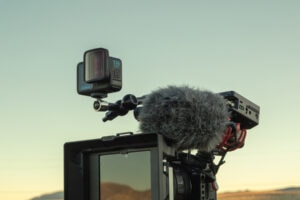
GoPro Anamorphic Lens Mod + HERO13 Black
Anamorphic Lens Mod for HERO13 Black Delivers Dramatic, Hollywood-like Video for Creators and Filmmakers in a Tremendously Affordable Package
SAN MATEO, Calif., April 3, 2025 /PRNewswire/ — GoPro (NASDAQ: GPRO) is now shipping the Anamorphic Lens Mod for its new camera, HERO13 Black. Anamorphic Lens Mod delivers expanded performance for creators and filmmakers looking to achieve cinematic and artistic video from HERO13 Black. With a Hollywood-ready 21:9 aspect ratio and ultra-wide field of view complemented by lessened distortion, the Anamorphic Lens Mod is perfect for professional cinematographers, photographers, and creators looking to achieve sought-after Anamorphic perspectives and lens flares in a package that costs a fraction of similar professional systems.
Starting today, Anamorphic Lens Mod for HERO13 Black is shipping on GoPro.com for $129.99 MSRP and is available at retailers internationally.
Anamorphic Lens Mod is quickly becoming a go-to lens for creators and filmmakers looking to achieve cinematic results in a small and affordable camera system.
“Anamorphic Lens Mod and HERO13 Black have expanded what I can create with my GoPro,” says GoPro Creator and commercial filmmaker, Chris Rogers. “With the addition of the Anamorphic Lens Mod to my GoPro camera kit, I can capture incredibly dramatic and cinematic perspectives in a durable, and portable package that’s stands alongside professional setups that cost tenfold more.”
Anamorphic Lens Mod is compatible with HERO13 Black’s Auto Detect feature, which intelligently senses Anamorphic Lens Mod and switches the camera into the corresponding mode. In-camera “de-squeezing” delivers video immediately available for review and allows for streamlined post-production editing. The Lens Mod is waterproof and tough enough to withstand the elements – helping you get the shots you need.
Anamorphic Lens Mod ($129.99) joins three other Lens Mod accessories that complete the HB-Series Lens Collection.
- Ultra Wide Lens Mod ($99.99): Transforms HERO13 Black into the ultimate POV camera by capturing more in every shot with a 177° field of view and new 1:1 aspect ratio.
- Macro Lens Mod ($129.99): Expands the creative possibilities of HERO13 Black with variable focus on objects up to 4x closer than the standard GoPro Lens.
- ND Filter 4-Pack ($69.99): Delivers smart, cinematic motion blur in photos and videos with ND4 / ND8 / ND16 / ND32 for pros and novices alike.
Also available this week, the new HB-Series Lens Collection includes the Ultra Wide Lens Mod, Macro Lens Mod, Anamorphic Lens Mod, and ND Filter 4-Pack – all together in one convenient, protective case for $349.99. Later in Q2, customers will also be able to purchase the HERO13 Black + HB-Series Lens Collection as a single bundle for $699.99 to leverage the full power of the HERO13 Black and HB-Series Lens Collection – also packaged together in a protective case.
HERO13 Black, Anamorphic Lens Mod, Ultra Wide Lens Mod, Macro Lens Mod, and ND Filter 4-Pack are all now available individually on GoPro.com.
About GoPro, Inc. (NASDAQ: GPRO)
GoPro helps the world capture and share itself in immersive and exciting ways.
GoPro has been recognized as an employer of choice by both Outside Magazine and U.S. News & World Report for being among the best places to work. Open roles can be found on our careers page. For more information, visit GoPro.com.
Connect with GoPro on Facebook, Instagram, LinkedIn, TikTok, X, YouTube, and GoPro’s blog, The Current. GoPro customers can submit their photos and videos to GoPro Awards for an opportunity to be featured on GoPro’s social channels and receive gear and cash awards. Members of the press can access official logos and imagery on our press portal.
GoPro, HERO and their respective logos are trademarks or registered trademarks of GoPro, Inc. in the United States and other countries.
SOURCE GoPro, Inc.





