

Entertainment
The best horror movie you’ve never seen

Last Updated on March 11, 2026 by Daily News Staff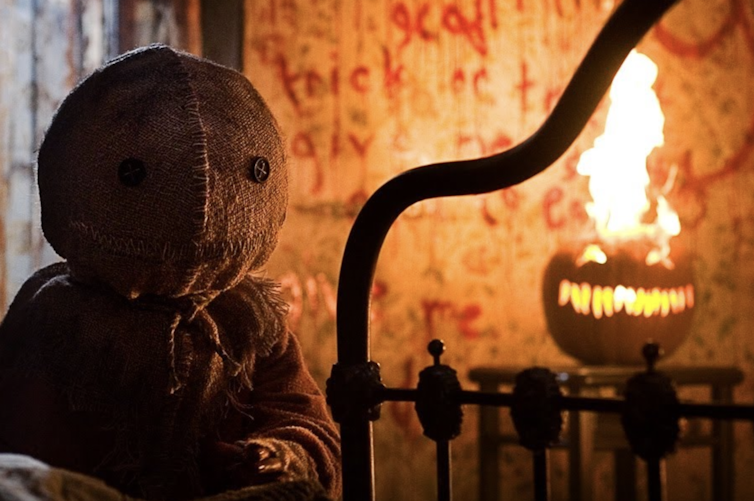
Scott Malia, College of the Holy Cross
It’s scary movie season, a time when many people watch films about zombies, serial killers, werewolves, magic and mysterious monsters who are impossible to kill.
However, as far as I know, there’s only one film that features all of those elements – and you’ve probably never seen it.
Made in 2007, “Trick ‛r Treat” consists of four interconnected horror stories, each about 15 to 20 minutes long, that all take place on a single Halloween night.
While characters from one story sometimes appear in other segments, the unifying force in the film is Sam, a mysterious creature wearing a burlap mask. He takes umbrage whenever a character disrespects a Halloween tradition, whether it’s by scaring away trick-or-treaters or blowing out a jack-o’-lantern before Halloween is over. Each meets a gruesome end.
Horror buffs eventually discovered the film. Today, it’s hailed as a modern classic. https://www.youtube.com/embed/NJ66Htmmq4M?wmode=transparent&start=0 ‘Trick ‛r Treat’ ended up forgoing a theatrical run. 
What went wrong?
“Trick ‛r Treat” was produced by a major studio, Warner Bros. It featured A-list stars, such as Brian Cox and Oscar-winner Anna Paquin. It was produced by Bryan Singer, who was known for churning out hits such as “X-Men” and “The Usual Suspects.” And though its director, Mike Dougherty, was making his directorial debut, he had worked as a screenwriter on films such as “X2: X-Men United” and “Superman Returns.”
Despite all of these credentials, the film’s theatrical release was delayed from fall 2007 to 2008. Then a theater run was canceled altogether, with Warner Bros. finally releasing it on video in 2009.
The studio never gave an official reason for pulling the theatrical release; however, some critics have speculated that the box office success of the “Saw” franchise and Rob Zombie’s “Halloween” remake were factors.
Other reports suggest that the film’s anthology format, its mixture of horror and comedy, and a plot featuring murdered children made it too hard a sell.
Given the cost of marketing and promoting “Trick ‛r Treat” to a nationwide audience, perhaps the risk wasn’t worth it for a film with a relatively small US$5 million budget. Dougherty himself said these hang-ups constituted a “perfect storm,” suggesting that no one development sealed the film’s fate.
Bypassing the box office
As recently as a decade ago, films released directly to DVD were viewed as flops or cash grabs. In fact, there’s an entire subgenre called “mockbusters” – low-budget rip-offs of studio films, such as “Transmorphers,” which tried to piggyback the success of the “Transformers” franchise, and “Atlantic Rim,” which attempted to do the same for the 2013 blockbuster “Pacific Rim.”
Then there are direct-to-video sequels meant to capitalize off hits. Disney made a lot of money in the late 1990s and early 2000s producing widely panned, direct-to-video animated features such as “The Return of Jafar” and “Pocahontas II: Journey to a New World.”
But second lives for films that were initially snubbed or ignored are nothing new.
“The Boondock Saints” was briefly screened in a handful of theaters for a single week in 1999 before being dumped into the video market. Only then did viewers find it, and it became a cult favorite that eventually begat a sequel.
The stigma of direct-to-video release has diminished over the past decade thanks to the rise of streaming, in which content made directly for home viewing can receive critical acclaim and attract subscribers.
Actor Nicolas Cage has made a cottage industry of this format. While some have attributed his massive output in the past decade to his financial difficulties, Cage’s films “Joe” (2013), “Mandy” (2018) and “Pig” (2021) have all received critical acclaim, despite sometimes only running in a handful of theaters for a week before their release into streaming markets and video on demand.
It’s this sort of tradition that led to the rediscovery of “Trick ‛r Treat.”
Hipster horror
The appeal of “Trick ‛r Treat” is rooted in its subversion of horror tropes.
For example, women and children, who’ve historically served as victims in the genre, have a lot more agency in Dougherty’s Halloween tale. In fact, the mysterious Sam was played by Quinn Lord, who was only 8 years old when the film was shot. In the film, the character’s origin, age and gender remain undefined since Sam is masked or covered in prosthetics for the entire film, blurring the line between human and monster.
In addition, the film’s complex structure, which some speculated might have hurt its chances for commercial success, helped fuel the film’s critical praise. Dougherty called it “‘Pulp Fiction’ meets ‘Halloween,’” a nod to the interlocking structure of Quentin Tarantino’s breakout film and the setting of John Carpenter’s horror staple, which also unfolds over one Halloween night.
It has become somewhat of a cliché to say that esteemed art, initially overlooked, was “ahead of its time.”
Still, it would be fair to say that “Trick ‘r Treat” arrived on the cusp of what has been called a “horror renaissance” in the past 15 years. Directors like Jordan Peele, Ari Aster, Robert Eggers and Mike Flanagan have found critical and commercial success by branding themselves as horror auteurs.
In addition, Peele and directors like Nia Dacosta, who helmed 2021’s “Candyman,” have opened up a brand of horror that deals with social issues and identity. Dougherty’s film also anticipated a trend of horror films with a darkly humorous streak, including Peele’s “Get Out” and David Gordon Green’s reimagined “Halloween” sequels.
Despite the film’s rocky beginnings, “Trick ‛r Treat” received a belated theatrical release in 2022, which has spurred talk of a potential sequel.
Dougherty even acknowledges that the film may owe its current popularity to its botched release. While some mainstream films disappear quickly, “Trick ‛r Treat” – currently streaming on Max – reappears every Halloween. Just like Sam.
Scott Malia, Associate Professor of Theatre, College of the Holy Cross
This article is republished from The Conversation under a Creative Commons license. Read the original article.
Looking for an entertainment experience that transcends the ordinary? Look no further than STM Daily News Blog’s vibrant Entertainment section. Immerse yourself in the captivating world of indie films, streaming and podcasts, movie reviews, music, expos, venues, and theme and amusement parks. Discover hidden cinematic gems, binge-worthy series and addictive podcasts, gain insights into the latest releases with our movie reviews, explore the latest trends in music, dive into the vibrant atmosphere of expos, and embark on thrilling adventures in breathtaking venues and theme parks. Join us at STM Entertainment and let your entertainment journey begin! https://stmdailynews.com/category/entertainment/
and let your entertainment journey begin!


Entertainment
Lights, Camera, Snackers: How Aspiring Filmmakers Can Enter to Win $25,000
The director’s chair is open and the opportunity to create the next great snack-sized movie could be yours. Aspiring filmmakers and creators have the chance to turn a prewritten script into an original short film for a $25,000 prize.

Lights, Camera, Snackers: How Aspiring Filmmakers Can Enter to Win $25,000
(Feature Impact) The director’s chair is open and the opportunity to create the next great snack-sized movie could be yours.
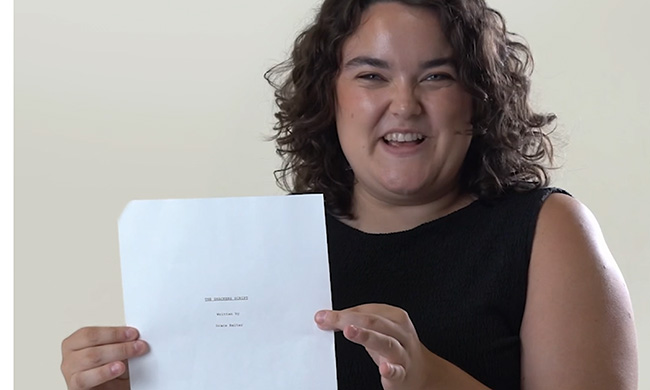
For the second year, Bumble Bee is bringing back its Tuna “Cans”Film Festival, giving aspiring filmmakers and creators the chance to turn a script written by comedian and actress, Grace Reiter, into an original short film starring its deliciously convenient tuna Snackers.
Watch the video to learn more!
“I love a chance to support those starting out in the film industry – and this time, I’m partnering with Bumble Bee for the Tuna Cans Film Festival to do it,” Reiter said. “Plus, I’m making it easy: I already wrote the script.”
Using Reiter’s scripted lines, creators can make the story entirely their own, bringing their vision to life through original characters, settings, music, editing and creative flair.
The creative brief is simple: The finished film must be 60 seconds or less and Bumble Bee Snackers™ need to get their moment in the spotlight.
Plus, the stakes are bigger than ever: The winning filmmaker will take home a $25,000 grand prize to help make their filmmaking dreams a reality.
Creators can submit their original short film by Oct. 23, 2026, at 11:59 p.m. PT.
The film can be funny, dramatic, unexpected or all three. The lines are already written but the order, arrangement and any additions are open to creative interpretation. Now it’s time to see what you can do with it.
Visit tunacansfilmfest.com, where you can find Reiter’s original script, submission instructions and complete contest details, to get started.
SOURCE:
Bumble Bee

Last Updated on October 9, 2026 by Daily News Staff
From haunted mazes after dark to daytime trick-or-treating with Snoopy, Knott’s offers two ways to celebrate Halloween in 2026.
BUENA PARK, Calif. — Halloween season is underway at Knott’s Berry Farm, where visitors can choose between the nighttime frights of Knott’s Scary Farm and the playful daytime activities of Knott’s Spooky Farm.
For readers planning a Southern California outing this October, the two celebrations offer different ways to get into the Halloween spirit.
Scary Farm brings new nightmares after dark
Knott’s Scary Farm runs on select nights through October 31, 2026, transforming the park with haunted mazes, scare zones, shows, and more than 1,000 creatures, according to Knott’s.
Two new mazes join this year’s lineup. Inked turns a cartoonist’s creations into a nightmare, while Unearthed sends visitors into an excavation where an ancient evil has awakened.
Also new for 2026 is Color Collect, an activity in which guests use an interactive lantern to activate pillars around the park and collect six colors.
Scary Farm requires its own paid event admission. As of October 4, online single-night tickets are advertised from $65, with taxes potentially additional. Knott’s does not recommend the event for children under 13.
Spooky Farm offers daytime Halloween fun
For families seeking a gentler celebration, Knott’s Spooky Farm takes place Thursdays through Sundays, September 24–October 31, plus October 12, according to the park’s events calendar, which lists the additional date as Columbus Day.
Children can trick-or-treat through Ghost Town, enjoy games and spooky stories with Snoopy and the Peanuts characters, and show off their Halloween outfits at Snoopy’s Spooktacular Costume Party.
Other activities include the Creepy Critters of Calico, cookie decorating in the pumpkin patch, and performances by the Bob Baker Marionette Theater. Cookie decorating carries an additional fee.
The daytime celebration gives families a chance to enjoy Halloween decorations, treats, and entertainment together before the nighttime haunt begins.
Planning your visit
Knott’s Berry Farm is located at 8039 Beach Boulevard in Buena Park, California. Before heading out, check the park’s official calendar for your chosen date, operating hours, admission options, and event policies.
Whether your Halloween plans call for a bag of candy or a trip through a haunted maze, Knott’s has a seasonal celebration to match.
Keep the fun going: Visit STM Daily News for more entertainment news, theme park updates, and stories worth sharing.
Official sources
- Knott’s Scary Farm: attractions and tickets
- Knott’s Spooky Farm: activities and entertainment
- Knott’s Berry Farm: seasonal event dates
Information checked October 4, 2026. Event schedules, offerings, and ticket prices may change.


The next round of Street Fighter is heading to the big screen. Paramount Pictures and Legendary Pictures will release the new live-action movie exclusively in theaters on October 16, 2026, bringing Capcom’s video game characters into a story built around rivalries, a dangerous tournament, and a conspiracy lurking behind the competition.
Directed by Kitao Sakurai, the film features Andrew Koji as Ryu, Noah Centineo as Ken Masters, and Callina Liang as Chun-Li, alongside an ensemble that includes Jason Momoa, Curtis “50 Cent” Jackson, and wrestling stars Roman Reigns and Cody Rhodes.
Ryu and Ken Face a Fight Beyond the Arena
Set in 1993, the movie finds Ryu and Ken estranged when Chun-Li draws them back into combat for the next World Warrior Tournament. What initially looks like a chance to test their fighting skills becomes something much more dangerous.
According to the studio’s synopsis, a deadly conspiracy puts the two fighters on a collision course, forcing them to confront both each other and unresolved struggles from their past. That setup gives the film a personal conflict to explore alongside its tournament action.
For viewers who remember gathering around an arcade cabinet, the 1993 setting offers a nostalgic hook. The studio is also promising familiar signature moves, including Hadoukens and roundhouse kicks, as the game’s combat makes the jump to live action.
A Cast Packed With Familiar Fighters
Beyond its central trio, the announced lineup brings together actors, comedians, musicians, wrestlers, and martial artists. Among the character pairings:
- Joe “Roman Reigns” Anoai as Akuma
- David Dastmalchian as M. Bison
- Cody Rhodes as Guile
- Vidyut Jammwal as Dhalsim
- Orville Peck as Vega
- Olivier Richters as Zangief
- Hirooki Goto as E. Honda
- Mel Jarnson as Cammy
- Curtis “50 Cent” Jackson as Balrog
- Jason Momoa as Blanka
The cast also includes Andrew Schulz as Dan Hibiki, Eric André as Don Sauvage, Rayna Vallandingham as Juli, Kyle Mooney as Marvin, and Alexander Volkanovski as Joe.
With so many characters sharing the screen, one question will be how the movie balances the wider roster with Ryu and Ken’s central story. The announced cast gives longtime fans plenty of familiar names to watch for.
Who Is Behind the Movie?
Paramount Pictures and Legendary Pictures present Street Fighter in association with Capcom. The Legendary Pictures production is based on the Capcom video game, with a story by Dalan Musson and Gary Dauberman and a screenplay by T.J. Fixman and Kitao Sakurai.
Producers include Mary Parent, Cale Boyter, Jason Momoa, Takayuki Nakayama, and Stefan Makhoul. The supplied production announcement notes that credits are subject to change.
Release Date and Rating
Street Fighter opens only in theaters October 16, 2026. The film is rated PG-13 for violence/action, bloody images, strong language, sexual references, partial nudity, and brief smoking, according to the supplied studio announcement.
Fans can visit Paramount’s official Street Fighter page for the trailer and film information, and follow #StreetFighterMovie for promotional updates.
Which fighter are you most excited to see in live action? Share your pick in the comments, and visit STM Daily News for more Entertainment coverage and newsletter updates.
Source: Supplied Paramount Pictures/Legendary Pictures production announcement; release date, synopsis, and selected credits checked against Paramount’s official film page. This article is a preview, not a review.





