

Community
The Power of Community Involvement: How to Get Involved and Make a Positive Impact on Your Health and Well-Being
Getting involved in your community can have a positive impact on your physical and mental well-being, as well as the health of your community. Learn how to get involved and make a difference.

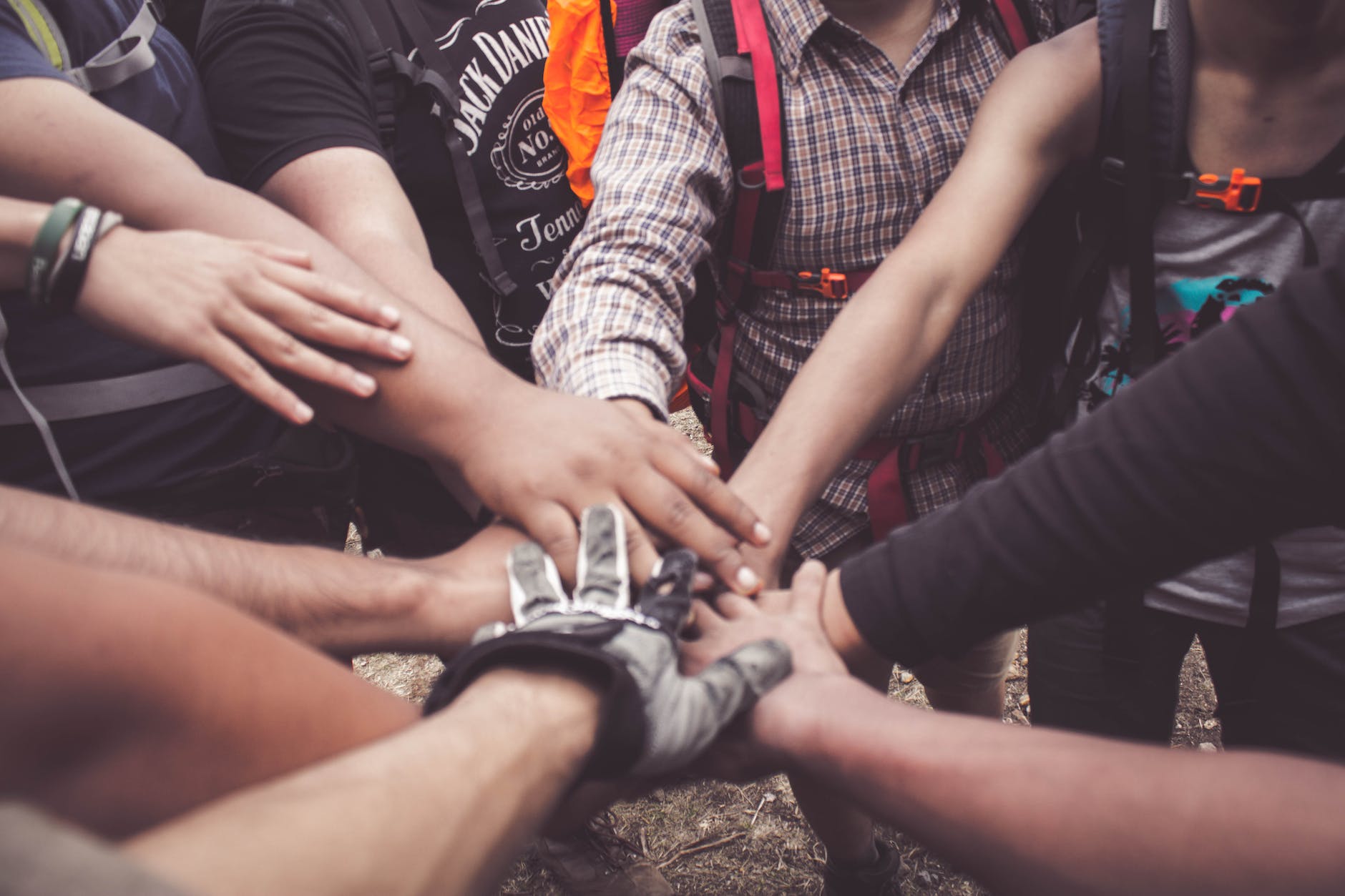
Community involvement can have a positive impact on our physical and mental well-being, as well as the health of our community. Whether it’s volunteering at a local organization, attending community events, or simply getting to know your neighbors, there are many ways to get involved and make a difference. Here are some of the benefits of community involvement and tips for getting started.
- Connect with others: Community involvement allows us to connect with others who share our interests and values. This can help us feel more connected and less isolated, which can have a positive impact on our mental health.
- Develop new skills: Volunteering or participating in community events can help us develop new skills and gain valuable experience. This can be beneficial for our personal and professional growth.
- Improve physical health: Community involvement often involves physical activity, which can improve our overall health and well-being. For example, volunteering at a local park or community garden can provide opportunities for exercise and fresh air.
- Make a difference: Community involvement allows us to make a positive impact on our community and the lives of others. This can be a rewarding and fulfilling experience.
So how can you get involved in your community? Here are some tips:
- Find local organizations: Research local organizations that align with your interests and values. Many organizations are in need of volunteers or support.
- Attend community events: Attend community events such as festivals, farmers markets, or concerts. This can be a great way to meet new people and get involved in your community.
- Join a community group: Join a community group or club that interests you, such as a book club, hiking group, or volunteer organization.
- Get to know your neighbors: Take the time to get to know your neighbors and build relationships. This can help create a sense of community and support.
- Participate in local government: Attend city council meetings or get involved in local politics. This can be a way to make a difference and have a voice in your community.
Community involvement can have a positive impact on our overall health and well-being, as well as the health of our community. By getting involved and making a difference, we can create a stronger, more connected, and more vibrant community.
Check out this link for ideas to get involved: https://www.dosomething.org/us/articles/community-service-project-ideas
https://stmdailynews.com/category/the-bridge/
Author

Discover more from Daily News
Subscribe to get the latest posts sent to your email.


Feeding America is marking National Agriculture Day by recognizing farmers, ranchers, and producers as key partners in the fight against hunger.
In a March 24 press release, the organization said the agricultural community plays a vital role in helping food banks and pantries deliver fresh, nutritious food to families across the country. Feeding America noted that produce, dairy, and protein are among the most requested foods by neighbors facing hunger and make up half of all food distributed through its network.
The organization said that in 2025, its network worked with growers to rescue 971 million pounds of fresh produce, helping redirect surplus food to communities in need. Feeding America also pointed to federal nutrition and farm support programs, saying government purchases from U.S. growers provide more than 20% of the food distributed through its network.
Ami McReynolds, Feeding America’s chief advocacy and community partnerships officer, said supporting farmers is directly connected to helping families access healthy meals. The organization is also urging Congress to support additional farm aid and a Farm Bill that strengthens nutrition programs.
Feeding America said a recent poll found that 95% of voters view hunger as a nonpartisan issue, reinforcing support for collaborative solutions between agriculture, food banks, and policymakers.
Related Links
Source Links
The Bridge is a section of the STM Daily News Blog meant for diversity, offering real news stories about bona fide community efforts to perpetuate a greater good. The purpose of The Bridge is to connect the divides that separate us, fostering understanding and empathy among different groups. By highlighting positive initiatives and inspirational actions, The Bridge aims to create a sense of unity and shared purpose. This section brings to light stories of individuals and organizations working tirelessly to promote inclusivity, equality, and mutual respect. Through these narratives, readers are encouraged to appreciate the richness of diverse perspectives and to participate actively in building stronger, more cohesive communities.
https://stmdailynews.com/the-bridge
Author
Discover more from Daily News
Subscribe to get the latest posts sent to your email.
Community
McDonald’s First Job Confessional Turns Career Stories Into Free Meal Opportunity
McDonald’s is launching First Job Confessional, a campaign inviting fans to share first job stories for a chance to receive a $15 gift card in select cities.

First Job Confessional
McDonald’s is putting first jobs in the spotlight with a new campaign that asks fans to share the real-world skills they gained early in their working lives. Launched on National Employee Appreciation Day, the brand’s First Job Confessional invites people to reflect on how those first roles helped shape their careers — and, in some cases, earn a free meal in the process.
The campaign is built around a simple idea: first jobs often teach lasting skills that deserve more recognition. Whether someone learned problem-solving while babysitting, communication during a lunch rush, or teamwork behind a counter, McDonald’s is framing those experiences as valuable career foundations. The company says those are the same kinds of skills employers continue to prioritize as workplace demands evolve.

How the First Job Confessional Works
In select cities, McDonald’s is setting up confessional booths designed to look like ordering kiosks. But instead of placing a meal order, participants can record a story about their first job and the skills they picked up along the way. Those who take part in person will have the opportunity to receive a $15 McDonald’s gift card, while supplies last.
Fans who cannot attend in person can still join online by posting their stories using #FirstJobConfessional. McDonald’s says selected videos may also be featured on its YouTube channel, extending the campaign beyond the live events.
External Related Links
- McDonald’s corporate article: McDonald’s is Asking Fans to Get Real About Their First Job Skills in Exchange for Free Meals
- McDonald’s 1 in 8: First Job Confessional
- McDonald’s 1 in 8 home page
- Marketing Dive coverage of the campaign
- Parade coverage of the First Job Confessional tour
Source Links
- Original PRNewswire press release from McDonald’s USA, LLC
- McDonald’s official corporate story
- McDonald’s 1 in 8 First Job Confessional page
- McDonald’s 1 in 8 official website
The Bridge is a section of the STM Daily News Blog meant for diversity, offering real news stories about bona fide community efforts to perpetuate a greater good. The purpose of The Bridge is to connect the divides that separate us, fostering understanding and empathy among different groups. By highlighting positive initiatives and inspirational actions, The Bridge aims to create a sense of unity and shared purpose. This section brings to light stories of individuals and organizations working tirelessly to promote inclusivity, equality, and mutual respect. Through these narratives, readers are encouraged to appreciate the richness of diverse perspectives and to participate actively in building stronger, more cohesive communities.
https://stmdailynews.com/the-bridge
Discover more from Daily News
Subscribe to get the latest posts sent to your email.
Entertainment
Subaru Cherry Blossom Festival Returns to Philadelphia March 28-29, Celebrating 100 Years of Sakura Friendship


Subaru Cherry Blossom Festival
Philadelphia’s annual Subaru Cherry Blossom Festival will return to Fairmount Park on Saturday, March 28, and Sunday, March 29, 2026, with a special focus on the 100th anniversary of Japan’s gift of cherry trees to the city. Hosted by the Japan America Society of Greater Philadelphia and Subaru of America, Inc., the two-day event will run from 10 a.m. to 5 p.m. at the Horticulture Center and Shofuso Japanese Cultural Center.
Organizers say the family-friendly, dog-friendly festival will feature live music, Japanese cultural performances, cosplay and alternative fashion shows, karaoke, tea ceremonies, calligraphy, ikebana demonstrations, a vendor fair, artist alley, and a food court highlighting Japanese and Asian cuisine. A “Prettiest in Pink” Pet Contest & Parade is also scheduled for Sunday, March 29. The event comes after the festival drew more than 25,000 attendees in 2025 and will expand its footprint this year to improve the visitor experience.
General admission is $15 in advance and $20 at the gate, while children under 12 and JASGP members can attend for free. Organizers said the festival will be held rain or shine, with parking available at the Highmark Mann Center for $10 per vehicle. More information and tickets are available at PhillySakura.org.
STM Daily News’ Entertainment section delivers the latest on movies, television, music, pop culture, events, and industry buzz. From breaking news and trending stories to feature coverage and community-centered entertainment reporting, it keeps readers connected to what’s happening on screen, on stage, and beyond.
Discover more from Daily News
Subscribe to get the latest posts sent to your email.





