

Food and Beverage
The Sweet Legacy of M&M’s: A Crunchy, Colorful Delight

Last Updated on September 21, 2024 by Daily News Staff
What does the name printed on the candy’s hard surface mean? For those of us who can’t resist indulging in a bag of M&M Plain—my personal favorite—it’s much more than just a catchy title; it represents a rich history of collaboration and innovation in confectionery. Let’s take a stroll down memory lane to uncover the origins of this iconic candy.
In the early 1940s, two confectionery entrepreneurs named Forrest Mars and Bruce Murrie crossed paths at a pivotal moment. Forrest, the son of the founder of the Mars Company, had an inventive streak and a passion for candy-making, while Bruce, the son of Hershey Chocolate’s founder, inherited a love for rich chocolate and a flair for flavor.
During World War II, while serving overseas, Forrest noticed soldiers enjoying portable chocolate-covered candies that resisted melting in warm climates. Inspired by this observation, he envisioned a similar treat. Upon his return to the United States, he partnered with Bruce to craft a recipe for a new candy: smooth chocolate coated in a vibrant, colorful sugar shell.

Vintage 1941 picture of M&Ms: Image Credit: N/A – N/A Fair use
In 1941, the first batch of M&M’s was produced in Newark, New Jersey. To honor their collaboration, they decided to name the candy after themselves. Thus, the letters “M” and “M” stand for Mars and Murrie, a brand that would soon delight taste buds around the world.
The Rise of M&M’s
With its whimsical name and colorful design, M&M’s quickly captured the hearts of consumers, becoming an instant favorite and selling millions of packages annually. As the years passed, M&M’s diversified, introducing countless flavors and bright colors, embedding itself in American culture.
Today, the letters M & M symbolize not only the partnership of two visionary candy makers but also a timeless legacy of sweetness that continues to bring joy to millions across the globe.
The Many Flavors of M&M’s
So, how many varieties of M&M’s can you name? Whether you’re a fan of the classic or prefer a unique twist, the M&M family has something special for everyone. Here’s a list of the delicious varieties you might enjoy:
- M&M Plain – The classic chocolate filling, sugar-coated.
- Peanut M&M’s – A crunchy peanut center coated in chocolate and a candy shell.
- Peanut Butter M&M’s – Creamy peanut butter enveloped in a rich chocolate shell.
- Almond M&M’s – An almond center surrounded by milk chocolate and a candy coat.
- Crispy M&M’s – Crispy rice centers covered in milk chocolate and a colorful shell.
- Pretzel M&M’s – Bite-sized pretzel pieces coated with chocolate and a crunchy candy shell.
- Dark Chocolate M&M’s – A rich dark chocolate filling wrapped in the classic shell.
- Caramel M&M’s – Soft caramel surrounded by chocolate and a colorful coating.
- Seasonal Varieties – These might include flavors like Pumpkin Spice, Candy Corn, or even holiday-themed creations!
- Limited Editions – M&M’s frequently introduces unique flavors for a limited time, which may vary by region or special occasions.
The Sweet Impact
Though the colorful, candy-coated chocolate treats carry different names and flavors, they all share the same delightful spirit that ignited their creation. M&M Plain continues to hold a special place in the hearts of candy lovers—simple, satisfying, and undeniably iconic.
As you savor your next handful of M&M’s, think about the sweet history behind these irresistible candies and the creativity that continues to bring new flavors to our favorite shelves today. Now, it’s your turn! How many of these M&M varieties have you tried? Which one is your favorite? 🍬✨
Wikipedia: https://en.wikipedia.org/wiki/M%26M%27s
At our core, we at STM Daily News, strive to keep you informed and inspired with the freshest content on all things food and beverage. From mouthwatering recipes to intriguing articles, we’re here to satisfy your appetite for culinary knowledge.
Visit our Food & Drink section to get the latest on Foodie News and recipes, offering a delightful blend of culinary inspiration and gastronomic trends to elevate your dining experience.
Metrolink’s SCORE Program: A Path Towards a Sustainable Future for Southern California’s Rail System
Author

Discover more from Daily News
Subscribe to get the latest posts sent to your email.


Food and Beverage
Create Little Moments of Happiness This Spring with Family-Friendly Potato Recipes
As spring encourages outdoor activities, The Little Potato Company offers time-saving products, like pre-washed Little Potatoes and crispy snacks. Enjoy convenient family meals and enter their sweepstakes for a chance to win travel and grocery prizes.

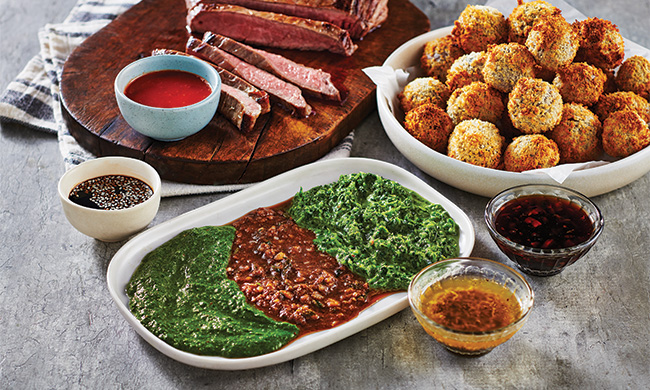
(Feature Impact) As the weather breaks and spring brings increased opportunities for families to get outside, activities, adventures and jam-packed calendars abound. All those special moments spent at the park, the sports field or in the backyard may leave lasting memories, but they can also leave you feeling short on time in the kitchen.
Bring a little moment of happiness to busy family mealtimes during the spring season with The Little Potato Company’s line of easy-to-prepare Little Potatoes. They come pre-washed, require no peeling and are small enough that they don’t need to be cut, allowing for less time in the kitchen and more family time around the table as the days get longer – no extra spring cleaning required. For an added helping of convenience, their Microwave Ready Little Potato Kits come with delicious seasoning packs; simply pop into the microwave, sprinkle on the included seasoning and enjoy.
For a fun after-school or game-night snack, these Crispy Air Fryer Potato Nuggets pair perfectly with a variety of delicious dips. The air fryer cooks the potatoes in minutes, creating a crispy snack with minimal prep – no chopping or peeling needed.
Or you can make a delicious side dish a cinch with pesto, which adds a bright, flavorful twist to a classic in these Basil Pesto Mashed Potatoes. They pair perfectly with everyday family meals using Little Potatoes that require no chopping or peeling thanks to their naturally thin skins, helping cut down on prep time while bringing fresh flavor to the dinner table.
To help fuel families’ spring vacation plans and everyday meals, The Little Potato Company is giving you a chance to enter a sweepstakes through May 25 to win a $10,000 travel voucher with additional prizes including 10 grocery gift cards valued at $1,000.
Enter the sweepstakes at TheLittleSpringtimeSweeptakes.com, and find more ways to make spring meals a breeze by visiting LittlePotatoes.com.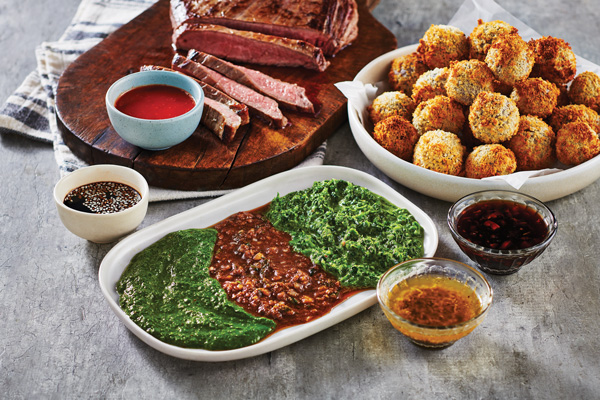
Crispy Air Fryer Potato Nuggets and Dip
Prep time: 10 minutes
Cook time: 24 minutes
Servings: 4
Potatoes:
- 1 cup all-purpose flour
- 1 teaspoon salt
- 1 teaspoon garlic powder
- 1/2 teaspoon pepper
- 1 cup milk
- 1 1/2 cups panko breadcrumbs
- 1 1/2 pounds Little Potatoes
Chimichurri:
- 1 bunch cilantro
- 1 bunch parsley
- 3 limes, juice only
- 2 tablespoons honey
- 2 teaspoons salt
- 1/2 teaspoon pepper
- 1 teaspoon chili flakes
- 1 cup canola oil
- Heat air fryer to 390 F.
- To make potatoes: In a shallow bowl, combine flour, salt, garlic powder and pepper. Whisk in milk until smooth.
- Place panko in a separate shallow bowl.
- Working in batches, coat potatoes in batter then toss in panko until fully coated.
- Place potatoes in the air fryer and cook 24 minutes, flipping halfway.
- To make chimichurri: In a blender, blend cilantro, parsley, lime juice, honey, salt, pepper, chili flakes and canola oil until smooth.
- Serve potato nuggets with chimichurri.
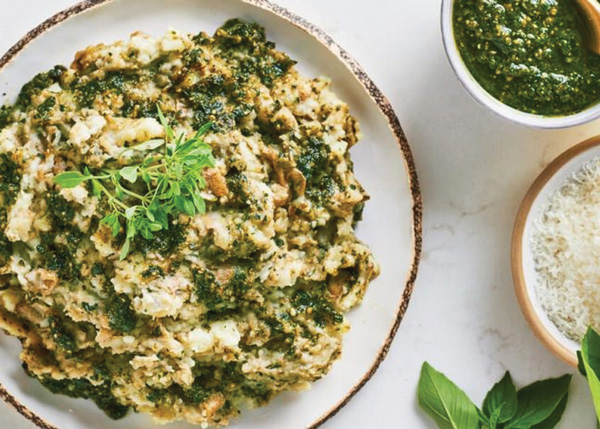
Basil Pesto Mashed Potatoes
Prep time: 5 minutes
Cook time: 20 minutes
Servings: 4
- 1 1/2 pounds Little Potatoes
- water
- 1 teaspoon salt, plus additional for seasoning, to taste, divided
- 2 1/2 cups fresh basil
- 4 cloves garlic
- 1/3 cup pine nuts
- 1/2 cup Parmesan, grated
- 2/3 cup olive oil
- pepper, to taste
- 1/2 cup milk
- 2 tablespoons butter
- Add potatoes to a large pot and cover with water. Add 1 teaspoon salt and bring to a boil for 15 minutes, or until potatoes are tender.
- In a food processor, place basil, garlic, pine nuts and Parmesan. Add oil and pulse until mixed then season with salt and pepper, to taste.
- In a small saucepot over low heat, heat milk and butter until butter is melted and milk is steaming.
- Once potatoes are cooked, strain and transfer to a medium mixing bowl.
- Using a potato masher, smash potatoes with milk and butter mixture then season with salt and pepper, to taste. Stir in pesto mixture.


SOURCE:
STM Daily News’ Food and Drink section highlights the stories, trends, flavors, and events shaping today’s food culture. From recipes to restaurant news, it keeps readers connected to what’s fresh and worth tasting.
Author

Discover more from Daily News
Subscribe to get the latest posts sent to your email.
recipes
Go Green with a Fresh Spring Salad
Welcome spring with a refreshing Spring Greens Salad featuring mozzarella and a homemade lemon vinaigrette. This light dish offers a tasty alternative to heavier meals, perfect for enhancing your dining routine. Discover more spring recipes at Culinary.net.
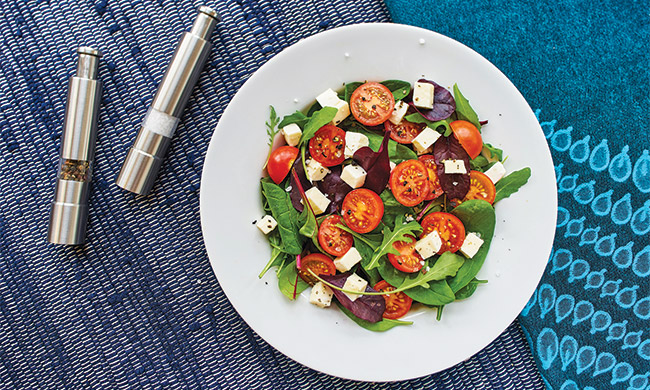
Go Green with a Fresh Spring Salad
(Feature Impact) While most people think of dirty kitchens, cramped closets and grimy garages when they hear “spring cleaning,” the popular phrase can apply to your menu, too. Refresh your family’s regular dining routines with fresh ingredients that call to mind the flavors of the season.
When it’s time to put the slow cooker away, consider this Spring Greens Salad with Mozzarella. Paired with an easy homemade lemon vinaigrette, it’s a delicious way to swap out heavier meals for a lighter lunch.
To find more springtime solutions, visit Culinary.net.
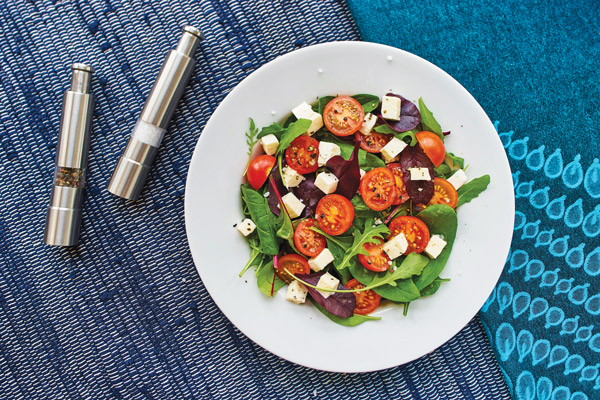
Spring Greens Salad with Mozzarella
Recipe adapted from Organic Authority
Servings: 4
- 4 cups baby arugula or spring mix
- 1/2 cup cubed mozzarella cheese
- 1 tablespoon lemon zest
- 2 tablespoons extra-virgin olive oil
- 1 tablespoon fresh lemon juice
- sea salt, to taste
- freshly ground black pepper, to taste
- halved cherry tomatoes (optional)
- In large mixing bowl, combine arugula or spring mix, mozzarella and lemon zest; set aside.
- In small bowl, whisk olive oil and lemon juice vigorously with fork until smooth. Season with salt and pepper, to taste.
- Pour vinaigrette over greens; toss gently to coat. Top with halved cherry tomatoes, if desired.
Photo courtesy of Unsplash


SOURCE:
Visit the Food and Drink section on STM Daily News for the latest food news, beverage trends, restaurant stories, seasonal recipes, culinary events, and community-driven lifestyle coverage.
Discover more from Daily News
Subscribe to get the latest posts sent to your email.
Food and Beverage
JonnyPops Launches Refreshing New “No Sugar Added with Electrolytes” Mini Frozen Pops
JonnyPops is launching No Sugar Added with Electrolytes mini frozen pops—an organic, dye-free treat with hydration support—coming April 2026.

Last Updated on March 31, 2026 by Daily News Staff

JonnyPops Launches Refreshing New “No Sugar Added with Electrolytes” Mini Frozen Pops.
JonnyPops Launches Refreshing New “No Sugar Added with Electrolytes” Mini Frozen Pops
A better-for-you frozen treat meets hydration support in a grab-and-go mini format. If you’ve ever reached for something cold after a workout, a long day outside, or when you’re just not feeling 100%, you’re not alone — and JonnyPops says its fans have been telling that story for a while. The Minnesota-based frozen treat brand announced it’s expanding its No Sugar Added Minis lineup with a new option designed to be both refreshing and functional: JonnyPops “No Sugar Added with Electrolytes” mini frozen pops.Fans asked for hydration-friendly pops — JonnyPops listened
According to the company, the new product was inspired by emails and social media comments from customers who were already using JonnyPops as a simple way to cool down and feel a little more hydrated. JonnyPops says consumers shared stories about playing sports in the heat, spending time outdoors, or recovering from an illness — and how a frozen treat with hydration support would be the perfect pop for those moments. That feedback led the brand to add electrolytes to its popular No Sugar Added Minis.What’s inside the new minis
JonnyPops says the new “No Sugar Added with Electrolytes” minis are built around the same standards fans expect from the brand, including:- Organic ingredients
- No artificial dyes
- No added sugar
- Electrolytes for hydration support
- Layered flavors designed for a fun, refreshing bite
When you can find them
JonnyPops says the new minis are expected to hit stores in April 2026. For updates on availability and additional product news, visit www.jonnypops.com and follow JonnyPops on social media.About JonnyPops
JonnyPops’ tagline is “A Better Pop for a Better World!™” and the company says its mission is to make “delicious, magical products” while helping make the world a kinder place. The brand notes its pops are free from artificial dyes, made in a peanut-free facility, and include a kind deed printed on every pop stick. JonnyPops was founded in a St. Olaf College dorm room and sold its first pops at Twin Cities farmers’ markets and local cafes in 2012. Today, the company employs 200+ people, produces its frozen pops in-house, and is sold through major retailers across all 50 states. Learn more at jonnypops.com or follow @jonnypops on Instagram.Media contact
JonnyPops@dkcnews.comAt our core, we at STM Daily News, strive to keep you informed and inspired with the freshest content on all things food and beverage. From mouthwatering recipes to intriguing articles, we’re here to satisfy your appetite for culinary knowledge.
Visit our Food & Drink section to get the latest on Foodie News and recipes, offering a delightful blend of culinary inspiration and gastronomic trends to elevate your dining experience. https://stmdailynews.com/food-and-drink/
Authors

Discover more from Daily News
Subscribe to get the latest posts sent to your email.





