Parents can enhance their children’s screen-time value by choosing high-quality media – that is, content with educational benefit. PBS Kids has many popular shows, from “Nature Cat” to “Sid the Science Kid,” that would qualify as educational. Two other elements contribute to the quality of screen time. First, screen content should be age-appropriate – that is, parents should choose shows, apps and games that are specifically designed for young children. Using a resource such as Common Sense Media allows parents to check recommended ages for television shows, movies and apps. Second, parents can look for shows that use evidence-based educational techniques, such as participatory cues. That’s when characters in shows break the “fourth wall” by directly talking to their young audience to prompt reflection, action or response. Research shows that children learn new words better when a show has participatory cues – perhaps because it encourages active engagement rather than passive viewing. Many classic, high-quality television shows for young children feature participatory cues, including “Mickey Mouse Clubhouse,” “Dora the Explorer,” “Go Diego Go!” and “Daniel Tiger’s Neighborhood.”
Point out basic concepts, such as letters and colors.
Model more advanced language using a “think aloud” approach, such as, “That surprised me! I wonder what will happen next?”
No. 3: Connect what’s on screen to real life
Learning from media is challenging for young children because their brains struggle to transfer information and ideas from screens to the real world. Children learn more from screen media, research shows, when the content connects to their real-life experiences. To maximize the benefits of screen time, parents can help children connect what they are viewing with experiences they’ve had. For example, while watching content together, a parent might say, “They’re going to the zoo. Do you remember what we saw when we went to the zoo?” This approach promotes language development and cognitive skills, including attention and memory. Children learn better with repeated exposure to words, so selecting media that relates to a child’s real-life experiences can help reinforce new vocabulary.
No. 4: Enjoy screen-free times
Ensuring that a child’s day is filled with varied experiences, including periods that don’t involve screens, increases language exposure in children’s daily routines. Two ideal screen-free times are mealtimes and bedtime. Mealtimes present opportunities for back-and-forth conversation with children, exposing them to a lot of language. Additionally, bedtime should be screen-free, as using screens near bedtime or having a TV in children’s bedrooms disrupts sleep. Alternatively, devoting bedtime to reading children’s books accomplishes the dual goals of helping children wind down and creating a language-rich routine. Having additional screen-free, one-on-one, parent-child play for at least 10 minutes at some other point in the day is good for young children. Parents can maximize the benefits of one-on-one play by letting their children decide what and how to play.Even in small doses, parent-child playtime is important.Vera Livchak/Moment via Getty Images A parent’s role here is to follow their child’s lead, play along, give their child their full attention – so no phones for mom or dad, either – and provide language enrichment. They can do this by labeling toys, pointing out shapes, colors and sizes. It can also be done by describing activities – “You’re rolling the car across the floor” – and responding when their child speaks. Parent-child playtime is also a great opportunity to extend interests from screen time. Including toys of your child’s favorite characters from the shows or movies they love in playtime transforms that enjoyment from screen time into learning.Erika Squires, Assistant Professor, Wayne State University and Lucy (Kathleen) McGoron, Assistant Professor of Child and Family Development, Wayne State University This article is republished from The Conversation under a Creative Commons license. Read the original article.
Unwrap the Holidays: Whataburger Launches 12 Days of Whatacheer With Daily App Deals
Celebrate the holidays with Whataburger’s 12 Days of Whatacheer! Discover daily in-app deals, exclusive to Rewards members, from December 12–23. Unwrap new menu favorites, BOGO offers, and festive savings—only on the Whataburger App.
As the holiday lights go up and the year winds down, Whataburger is serving up more than just its signature burgers—it’s delivering a sleigh-full of savings and cheer to its loyal fans. For Rewards members, the season just got a whole lot tastier.
12 Days of Whatacheer: Festive Deals for Rewards Members
From December 12 through December 23, Whataburger is rolling out a new holiday tradition: the 12 Days of Whatacheer. Each day, Rewards members can unlock a fresh, exclusive deal in the Whataburger App—think crave-worthy classics, “buy one, get one” surprises, and complimentary add-ons that make every meal feel like a celebration.
Whether you’re craving a hot Honey Butter Chicken Biscuit to start your morning, a classic Whataburger for lunch, or a sweet Strawberry Shake to cap off your evening, there’s a daily treat waiting to be unwrapped. Just sign in to your Rewards account, check the app, and claim your deal to add a little extra joy to your holiday routine.
How It Works
Who: Whataburger Rewards members (sign up in the app if you’re not already!)
When: December 12–23, with a new offer every day
How: Open the Whataburger App, claim the day’s deal, and enjoy with your next order
A new reward pops up each morning—so there’s always a reason to check in, tap, and treat yourself. According to Scott Hudler, Whataburger’s Chief Marketing Officer, “12 Days of Whatacheer is Whataburger’s way of celebrating the season with a bit of holiday magic and special savings just for our Rewards members.”
Holiday-themed graphic reading ‘12 Days of WhataCheer’ on a red background with white dots. Below the text are images of Whataburger menu items: a Cinnamon Roll, Onion Rings, a Whataburger, a Whatafresher, a Honey Butter Chicken Biscuit, and a Strawberry Shake.
Why Join the Whataburger Rewards Fun?
It’s not just about the deals (though those are pretty great). It’s about celebrating the season with a brand that’s been a community favorite for 76 years. With over 1,100 locations across 17 states, Whataburger’s family members serve up more than just food—they deliver hospitality and hometown spirit.
Plus, the Whataburger App makes it easy to order, customize, and save—right from your phone. If you haven’t joined the Rewards program yet, now’s the perfect time to start.
Get Started
Ready to add some Whatacheer to your holiday countdown? Download the Whataburger App on iOS or Android, create your Rewards account, and get set to unwrap a new deal every day. For more details, visit Whataburger.com.
Wishing you a season of flavor, fun, and festive deals—see you in the drive-thru!
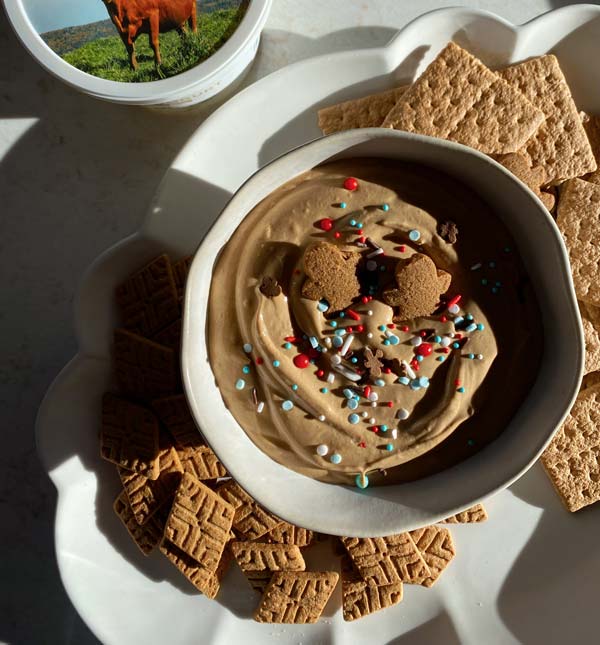
Holiday Desserts: From festive cookies to indulgent dips, these delicious desserts bring people together to create memories that will last a lifetime. If you’re looking to impress guests, Santa Cookies are the ultimate treat. For a unique twist, try Gingerbread Dip, featuring vanilla Greek yogurt made with 100% grass-fed organic milk.
(Family Features) Holiday desserts set the stage for seasonal delight and add a touch of joy to gatherings. From festive cookies to indulgent dips, these delicious desserts bring people together to create memories that will last a lifetime. If you’re looking to impress guests, Santa Cookies are the ultimate treat. Made with Maple Hill Salted Butter, they’re rich, soft and full of festive spirit. For a unique twist, try Gingerbread Dip, featuring vanilla Greek yogurt made with 100% grass-fed organic milk. Whether you’re hosting or deciding what to bring to the potluck, Maple Hill’s 100% grass-fed organic dairy makes it easy to whip up desserts that are as wholesome as they are delicious. Rich in nutrients and free from GMOs, hormones and antibiotics, each product comes from farms that prioritize regenerative practices as nature intended. With a 40% healthier ratio of omega 3:6 and 40% higher levels of CLA fatty acids compared to traditional organic dairy, you can feel good about sweet treats at the holiday table. To find more recipes, visit MapleHill.com.
Preheat oven to 350 F and line two baking sheets with parchment paper.
In large mixing bowl, beat butter, sugar and vanilla until light and fluffy. Add egg and beat until combined. Add flour and salt; mix until dough begins to form ball.
Remove 1 cup dough and set aside. Add red food coloring to remaining dough.
From red cookie dough, make one 1-inch ball and five 1/2-inch balls. From plain cookie dough, make one 3/4-inch ball and five 1/4-inch balls.
On prepared baking sheet, place red 1-inch ball and gently flatten until 1/2-inch thick. Attach four red 1/2-inch balls for arms and legs. Attach plain 3/4-inch ball for head and gently flatten until 1/2-inch thick. Attach plain 1/4-inch balls for hands and feet. Shape remaining red 1/2-inch ball into triangle for hat and attach. Repeat with remaining dough, arranging cookies 2 inches apart on baking sheet. Add chocolate candies for eyes and buttons.
Bake 12-15 minutes, or until lightly golden.
To make frosting: In medium bowl, beat butter and cream cheese until light and fluffy, about 3 minutes. Add vanilla and powdered sugar; mix until combined.
To decorate: Place half of frosting in piping bag with small tip to line Santa’s arms and legs. Place other half in second piping bag with small star tip to add Santa’s beard, hat and hands. Put small dot of icing between eyes and beard and place red mini chocolate-coated candy on face for nose.
In medium bowl using electric mixer on medium speed, beat cream cheese and sugars about 1 minute. Add molasses and mix until combined.
Add Greek yogurt, ginger, cinnamon and nutmeg; beat until combined. Fold in whipped cream and mix until fully incorporated. Refrigerate 1 hour before serving or overnight.
At our core, we at STM Daily News, strive to keep you informed and inspired with the freshest content on all things food and beverage. From mouthwatering recipes to intriguing articles, we’re here to satisfy your appetite for culinary knowledge.
Visit our Food & Drink section to get the latest on Foodie News and recipes, offering a delightful blend of culinary inspiration and gastronomic trends to elevate your dining experience. https://stmdailynews.com/food-and-drink/
Festive Blooms: How to Use Popular Christmas Flowers
Christmas Flowers: Whether you’re decorating your space with a wreath or garland, giving a fresh gift or crafting the centerpiece for your holiday table, these festive blooms can bring a touch of nature’s joy to your celebrations and showcase the beauty that thrives even during the coldest season.
Festive Blooms: How to Use Popular Christmas Flowers
Whether you’re decorating your space with a wreath or garland, giving a fresh gift or crafting the centerpiece for your holiday table, these festive blooms can bring a touch of nature’s joy to your celebrations and showcase the beauty that thrives even during the coldest season. Poinsettias One of, if not the most iconic, flowers of the holiday season, poinsettias are recognized by their bright red “blooms,” which are actually colorful bracts surrounding small yellow flowers. A symbol of love, hope and Christmas cheer, poinsettias thrive indoors with bright, indirect light and can be used for holiday decor, festive centerpieces or given as a potted gift. Amaryllis Popular for creating holiday arrangements or as a long-lasting indoor plant, the amaryllis features large, trumpet-shaped flowers in shades of red, white, pink or striped varieties. Grown from a bulb, they bloom year after year with proper care, including during the winter months. Holly Featuring glossy green leaves and bright red berries, holly has been a holiday staple for centuries. The flowers are commonly used in wreaths, garlands and other Christmas arrangements and can be displayed on mantels, doors or around doorways. However, holly berries are toxic if ingested, so keep arrangements away from children and pets. Christmas Rose (Hellebore) With blooms that typically appear around Christmas, the Christmas rose is a perennial that thrives in shaded garden beds, even in cooler weather. It brightens up winter landscapes with its creamy white or pink-tinted flowers, which have come to symbolize hope amid the snow. Paperwhites Ideal for tabletop decor or window displays, paperwhites, a type of narcissus, produce clusters of delicate white blooms with a sweet fragrance. They’re easy to grow from bulbs indoors during the winter months and can add a natural holiday touch to any room by simply placing in decorative containers filled with pebbles and water. Learn more about Christmas flowers and find additional seasonal advice at eLivingtoday.com. Photo courtesy of Shutterstock SOURCE:eLivingtoday.com





 Erika Squires, Assistant Professor, Wayne State University and Lucy (Kathleen) McGoron, Assistant Professor of Child and Family Development, Wayne State University This article is republished from The Conversation under a Creative Commons license. Read the original article.