

home gardening
Transform Your Autumn Garden with Fall Mulching

Last Updated on November 9, 2025 by Daily News Staff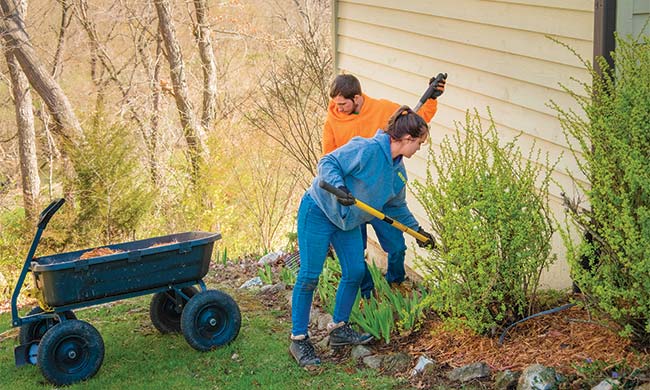
Transform Your Autumn Garden with Fall Mulching
(Family Features) Applying mulch during the fall months provides multiple benefits for your garden and landscape. A key element in boosting curb appeal, mulch also insulates soil, protecting plant roots from extreme temperature fluctuations, and suppresses weed growth.
The optimal time to apply mulch is after the first hard frost but before the ground freezes solid. Applying mulch too early can attract pests and diseases that thrive in warm, moist environments. Conversely, mulching too late can prevent the soil from warming up sufficiently, potentially stressing plants.
Consider these steps for effective fall mulch application:
Prepare Your Outdoor Space
Remove weeds and debris from the area you plan to mulch. This allows for even distribution and ensures the mulch layer is free from potential pest habitats.
Choose Your Mulch
Select an appropriate type of mulch based on your garden needs and aesthetic preferences. Consider materials that provide both insulation and nutrient benefits, such as organic mulches like wood chips, shredded leaves or compost that break down over time and add organic matter to the soil. For decorative purposes, bark mulch can provide an aesthetically pleasing appearance while performing similar protective functions.
Apply the Mulch
Spread a layer of mulch about 2-4 inches thick around your plants to allow for adequate air circulation and moisture retention, making sure to keep the mulch a few inches away from plant stems to prevent rot and pest infestations. For trees and shrubs, create a donut-shaped ring of mulch around the base.
Check and Maintain Mulch
Regularly check the mulch throughout the cooler months. Add more mulch if necessary to maintain the desired thickness, especially after heavy rains or wind.
Visit eLivingtoday.com for more fall lawn and garden advice.
Photo courtesy of Shutterstock
SOURCE:
eLivingtoday.com
Our Lifestyle section on STM Daily News is a hub of inspiration and practical information, offering a range of articles that touch on various aspects of daily life. From tips on family finances to guides for maintaining health and wellness, we strive to empower our readers with knowledge and resources to enhance their lifestyles. Whether you’re seeking outdoor activity ideas, fashion trends, or travel recommendations, our lifestyle section has got you covered. Visit us today at https://stmdailynews.com/category/lifestyle/ and embark on a journey of discovery and self-improvement.
Discover more from Daily News
Subscribe to get the latest posts sent to your email.


Last Updated on February 27, 2026 by Daily News Staff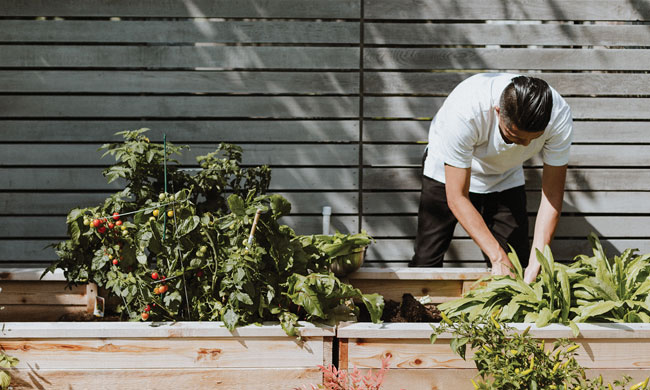
7 Vegetables to Grow Easily in Your Home Garden
(Family Features) Growing fresh, healthy vegetables at home may not be as hard as it sounds. Novice gardeners just need good dirt, easy plants to grow, lots of sunshine and the right amount of water.
Once you’ve prepared your garden plot, select one or all of these vegetables, which are among the easiest to grow:
- Lettuce – Plant lettuce seeds directly into the garden or a pot then repeat every two weeks. It can be cut a few weeks after planting. Some harvest lettuce by pulling it up – roots and all – but cutting a little off the top every few days can keep it growing until summer’s heat turns it too bitter.
- Spinach – This vitamin-packed green is planted and harvested just like lettuce.
- Cucumbers – Make several mounds of dirt near the edge of your garden and place 2-3 plants around the center of each. Cucumbers are notorious for growing vines that overtake other plants, so be vigilant about keeping them contained.
- Squash – Like cucumbers, summer squash is planted on small mounds at the edges of a garden so their vines can be contained. Most varieties, such as yellow squash and zucchini, are quite prolific and just a few plants can feed a large family all summer long.
- Tomatoes – Purchase plants that grow best in your area of the country from your local garden center. All plants should be staked or enclosed in tomato cages because successful plants produce an abundance of large, heavy fruit throughout the summer months.
- Bell Peppers – Bell peppers are easiest to grow from plants. Space them about 1 foot apart then watch them take off with little care required. The only real trick to growing bell peppers is knowing when to harvest. If you’re growing red, orange or yellow varieties, they’ll start out green then turn color as soon as they ripen.
- Carrots – Dig a long, shallow trench in soil that is free of rock. Sprinkle the seeds along the row, cover lightly with topsoil and wait for the top of the carrot to pop through the soil. Once a bit of orange appears, pull and enjoy.
Find more tips for growing a bountiful garden at eLivingtoday.com.
Photo courtesy of Unsplash
SOURCE:
Family Features
Author

Discover more from Daily News
Subscribe to get the latest posts sent to your email.
Last Updated on February 27, 2026 by Daily News Staff
4 Tips to Plan a Bountiful Garden
(Family Features) Whether you’re a novice just learning to cultivate a magical display or an avid gardener with years of experience, early planning can help bring this year’s garden to life.
These simple tips can help you start planning, and before you know it, you can start putting your plans into action.
Assess your environment. Determine what factors may aid or hinder your garden’s success. What do you know about the soil? Lighting? Exposure to threats such as hungry or curious wildlife? Uncovering potential roadblocks early can help you identify potential solutions or alternatives that may help you bypass issues altogether.
Create a mental image. Look through seed catalogs, magazines and books, and browse the internet for inspiration. Vibrant colors and textures are the hallmarks of a beautiful spring garden, but spend time learning exactly what appeals to you most. Take notes, particularly as you identify new species you may want to introduce. You’ll need to do additional research to ensure their growing requirements are consistent with your environment.
Put it to paper. Transferring your vision to paper can help you plan appropriately and ensure you’re not overfilling or leaving unsightly gaps in your garden. Understanding where each plant will go and how much each needs to flourish before you turn a spade of soil can help make planting a breeze. Remember it is easier to change your mind with a pen and paper in hand than with fragile vegetation.
Create a calendar. Timing is critical to maximizing the time you are able to enjoy your garden. Understand the growing season for each plant and map it all out on a calendar so you can stagger when new varieties emerge and keep your garden active and thriving. Be sure to give yourself some wiggle room for unforeseen circumstances, such as weather, that may prevent you from planting exactly as you’ve planned.
For more tips to safely begin planting, visit eLivingtoday.com.
Photo courtesy of Unsplash
SOURCE:
Family Features
Author
Discover more from Daily News
Subscribe to get the latest posts sent to your email.
home gardening
A Guide to Growing Thriving Plants Indoors
This guide provides essential tips for successfully growing indoor plants. Key points include selecting plants suited to light conditions, ensuring proper watering and soil quality, using adequate pots, and nurturing plants with appropriate fertilizers during their active growth season. Following these steps can create a thriving indoor garden.
A Guide to Growing Thriving Plants Indoors
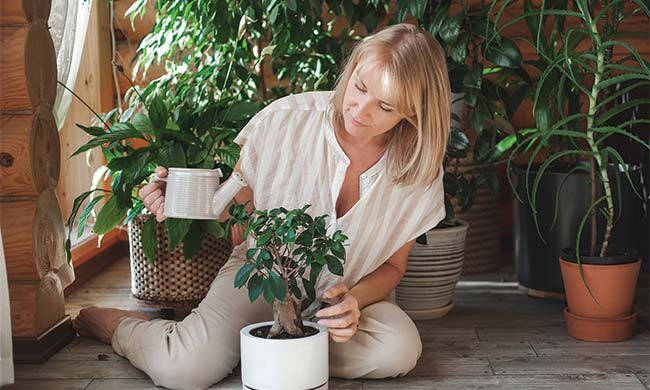
(Feature Impact) Lush greenery can add a sense of calm to many homes and bringing it indoors can help transform nearly any room into a relaxing oasis.
Whether you’re a seasoned plant parent or just beginning your indoor gardening journey, this guide can help you get started – and succeed in – growing healthy plants indoors.
Choose the Right Plants
Not all houseplants are created equal, and the first step toward a flourishing indoor garden is picking plants that align with your home’s conditions. If your home has several bright and sunny rooms, light-loving varieties will likely thrive. For shadier spots, look for low-light tolerant plants, which are often easier to care for and more forgiving.
Provide Adequate Light
Most houseplants prefer bright, indirect light – that soft glow when positioned just inside a window (and turned regularly for even light). However, some can tolerate lower light levels. If natural sunlight is limited where you live, consider grow lights that mimic the sun’s spectrum and help plants keep their color and strong growth without plenty of daylight.
Avoid Overwatering
Too much water can lead to root rot and is one of the most common mistakes even the most experienced gardeners make. Rather than watering on a strict schedule, check the soil first. If the top inch is dry, it’s usually time to give your plant a drink. Add warm or room-temperature water until you see moisture come out of the pot’s drainage holes then let the soil dry before watering again.
Consider the Soil, Pot and Growth Space
Use a high-quality potting mix designed for indoor plants along with pots featuring proper drainage. If you prefer decorative planters without holes, consider placing your plant in a smaller pot inside the decorative one to ensure proper drainage. As plants grow, they may need repotted to give their roots room to spread and continue healthy growth.
Nourish During the Growing Season
Plants use more nutrients in spring and summer, so feed them with a balanced, diluted fertilizer every 4-6 weeks during active months. In fall and winter, most indoor plants grow more slowly and need less feeding. Also remember to regularly prune dead or yellowing leaves to help plants focus on new growth.
Find more tips and guidance to help your indoor plants thrive at eLivingtoday.com.
Photo courtesy of Shutterstock
SOURCE:
Discover more from Daily News
Subscribe to get the latest posts sent to your email.





