

Lifestyle
Understanding Men’s Health Care Priorities and Trends

Last Updated on October 1, 2025 by Daily News Staff
(Family Features) There’s a life expectancy gap between men and women, according to data from the Centers for Disease Control and Prevention. While the causes are multifaceted and complex, regular visits to the doctor can contribute to better long-term health.
When Zocdoc realized only 34% of the health care appointments booked via its marketplace were for men, the health care company commissioned Censuswide to survey 1,003 men ages 16 and older in the United States to understand what’s getting in their way. Consider these five key findings, along with insights from founder and CEO, Oliver Kharraz, M.D.
No. 1: Men rank personal health as their secondpriority behind family.
“Men said family is the only thing that comes before their personal health,” Kharraz said. “Furthermore, 4 out of 5 men said regular exams contribute to a longer and healthier life. As it turns out, there is a disconnect between their beliefs and behaviors.”
No. 2: About 1 in 4 men would rather change a flat tire than see the doctor.
“Anxiety, cost and scheduling difficulties are the top reasons men aren’t going to the doctor,” Kharraz said. “These obstacles have created an alarming reality where a large portion of men would prefer to handle an objectively difficult or unpleasant task rather than one that’ll improve their health.”
No. 3: About 1 in 3 men said booking an appointment is more tedious than attending it.
“This issue is rooted in our health care system’s complexity and fragmentation,” Kharraz said. “Booking a doctor’s visit should be as easy as booking a flight or shopping online. Making health care a few clicks away can encourage men to be more proactive.”
No. 4: Eighty-one percent of men’s health care appointments are booked by women.
“It’s time for men to meaningfully take their health into their own hands and own this process for themselves,” Kharaz said. “We can make this possible by making it easier to find and book care.”
No. 5: Men’s psychotherapy appointments increased 172% between 2022 and 2023.
“Despite men’s range of appointment aversions, our data shows men are taking a more proactive approach when it comes to managing their mental health,” Kharraz said. “This is a positive sign.”
Removing barriers to accessing care can go a long way toward helping men prioritize their well-being. Men can take their care into their own hands by visiting zocdoc.com to find the right doctor for their needs and instantly book an appointment.
Photo courtesy of Adobe Stock
SOURCE:
Zocdoc



(Feature Impact) Menopause is a phase of life every woman knows will come eventually yet few are truly prepared for. Beyond stereotypical symptoms like hot flashes and mood swings, the other realities of menopause can be mysterious, taking women by surprise when their experiences differ from expectations.
Rather than being a single event, menopause involves a gradual transition that happens as estrogen production changes – meaning symptoms can appear and evolve unpredictably. According to a survey commissioned by the National Menopause Foundation, 63% of U.S. women ages 35-54 experienced symptoms they believed may be related to perimenopause or menopause, yet nearly half (49%) said they weren’t prepared for the changes beforehand.
When women and their loved ones understand what they’re facing, they can approach this time with patience and compassion, which can make a real difference to the 71% of women who wished the people in their lives understood more about perimenopause or menopause. Consider these five facts to help fill in the menopause knowledge gap.
Perimenopause Can Start Years Before Menopause
The physiological transition to menopause can happen up to 10 years before a woman’s final menstrual period, although the average length of perimenopause is about four years. Symptoms may quietly begin in a woman’s 30s, 40s or 50s, and what might look like an isolated problem at first – like brain fog, a night of insomnia or an irregular monthly cycle – could be connected to broader hormonal changes.
Menopause Is More Than Just “Hot Flashes”
Since more than half of women surveyed were already aware of menopause symptoms like hot flashes, mood changes, anxiety and fatigue, these may not take them by surprise. Little-known symptoms are a different story – the majority of respondents didn’t anticipate menopausal issues like rage, inner-ear itching or reduced joint mobility. According to the National Menopause Foundation, women may also experience sleep disturbances, sweating, changes in libido, vaginal dryness, incontinence, weight changes and more.
Every woman’s experience is unique, so these symptoms could present in different combinations and intensities during menopausal years or may not appear at all.
Talking About Menopause Can Be Difficult
Even as women go through these physical and emotional shifts, many struggle to open up about their experiences. In fact, women rank menopause symptoms (17%) more difficult to discuss than hot-button topics like political views (13%), weight (13%) and religious beliefs (10%).
However, suffering in silence can lead to feelings of isolation, relationship misunderstandings and hesitation to seek help, which is why 66% of women said the lack of open discussion about menopause makes the experience worse.
Menopause Isn’t All Bad News
Although this season of life comes with challenges, there are joys to embrace as well. Women navigating midlife can come out the other side with more resilience, emotional awareness and a stronger sense of self. In fact, 44% of women surveyed said their outlook on life became more positive since their transition.
What Loved Ones Can Actually Do
Menopause is a highly individual experience, but that doesn’t mean women have to navigate it alone. Support from partners, families and friends can lift women up during difficult moments, and it can be as simple as taking the time to ask questions, listen and learn about how menopause is affecting their lives. With 30% of women in the U.S. labor force – approximately 15-16 million – in the age range corresponding to menopausal transition (ages 45-60), workplaces can also take steps to become more menopause friendly.
For more resources to help understand symptoms and discuss the transition with loved ones, visit nationalmenopausefoundation.org.
Photo courtesy of Shutterstock

SOURCE:

home gardening
Beyond the Leaf Pile: 4 Tips for Autumn Lawn Care
4 Tips for Autumn Lawn Care: Many people associate fall yardwork with raking up the crispy, colorful leaves that have drifted down from surrounding trees. Don’t let that be the only task on your outdoor agenda, however, because this season is also an opportunity to improve the overall health of your lawn so it’s ready to thrive once spring arrives.
Beyond the Leaf Pile: 4 Tips for Autumn Lawn Care
(Feature Impact) Many people associate fall yardwork with raking up the crispy, colorful leaves that have drifted down from surrounding trees. Don’t let that be the only task on your outdoor agenda, however, because this season is also an opportunity to improve the overall health of your lawn so it’s ready to thrive once spring arrives.
Start with these autumn lawn care tips:
- Continue Mowing
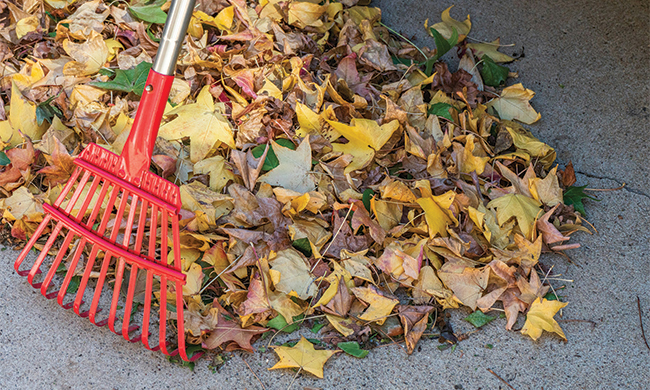
As long as the grass keeps growing, homeowners should keep mowing – with a couple of smart seasonal adjustments. First, lower the mower height for your final two cuts so the grass isn’t too tall going into winter. Second, instead of raking all the leaves up beforehand, think about leaving a layer on the lawn so the mower can shred them and effectively turn them into mulch, returning their nutrients to the soil.
- Fertilize the Lawn
Especially if you grow cool-weather grass varieties like rye or fescue, feeding your lawn can actually be most effective in the fall. Fertilizer helps nourish the roots of your grass, strengthening it through the winter and preparing it to grow lush and green in the spring and summer. Aim to feed it once in the beginning of the season then again 6-8 weeks later or according to the recommended schedule for your region.
- Battle Stubborn Weeds
If you’ve been dealing with perennial weeds throughout the summer, fall could mean your chance to get rid of them once and for all. Weeds absorb herbicides readily on days with moderate temperatures and moist soil, so this task might be well-timed after some autumn rain has fallen.
- Add Grass Seed to Thin Spots
Whether you have bare patches on your lawn or areas of thinning grass, fall is the best time to seed cool-season lawns. (Skip this tip if you live in the South and have a warm-season lawn.) At least six weeks before the first hard frost in your area, spread grass seed over the areas you want to replenish or thicken then keep the lawn consistently watered until it germinates. Aerating the soil first can help the seed take root.
Find more seasonal home and garden tips by visiting eLivingtoday.com.
Photo courtesy of Unsplash
SOURCE:
Lifestyle
7 Fire Prevention Tips to Protect Your Home and Community
7 Fire Prevention Tips: Fires can be devastating, but many of them are preventable with simple precautions and smart everyday choices. Consider these tips to reduce the risk of fires and keep your household, family and community safe.
7 Fire Prevention Tips to Protect Your Home and Community
(Feature Impact) In observance of National Fire Prevention Month, it’s a good time to review your fire safety habits at home and in your neighborhood. Fires can be devastating, but many of them are preventable with simple precautions and smart everyday choices.
Consider these tips to reduce the risk of fires and keep your household, family and community safe.
Test Your Smoke Alarms
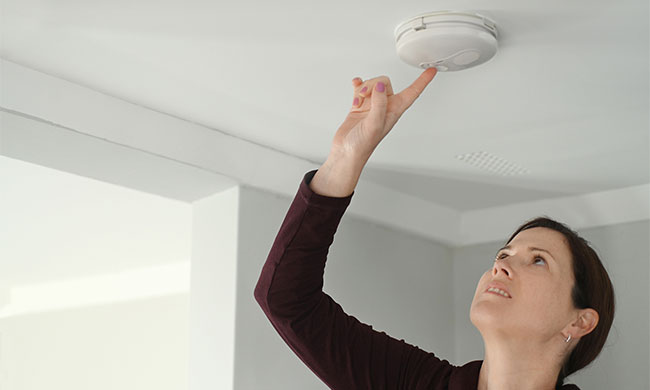
Smoke detectors are one of the simplest yet most important tools for protecting your home, loudly alerting you to potential danger at any time of the day or night. Test them monthly, follow manufacturer’s instructions for replacement and change batteries as needed.
Heat Your Home Safely
Depending on how you heat your home, there can be different hazards to remain aware of. Never leave fireplaces unattended when in use and have them inspected and maintained as recommended by a trained professional. If you use portable heaters, keep them at least three feet away from curtains, bedding, furniture and other flammable materials.
Prevent Electrical Fires
Frayed cords, damaged outlets or overloaded appliances can pose real danger to your home when they overheat or spark. Particularly if you live in an older home or have outdated appliances, keep an eye out for warning signs like tripped circuit breakers, malfunctioning devices or the smell of burning. If you’re concerned, have your system inspected by a qualified electrician.
Store Flammable Objects Carefully
Keeping matches and lighters out of reach of children is always a smart first step for household fire safety. Also follow safe storage practices for items like lighter fluid, propane, aerosol cans and other household products that could potentially ignite when exposed to heat or a stray spark.
Practice Smart Kitchen and Grill Habits
From sparks flying off the grill to hot oil forgotten in the frying pan, cooking is the leading cause of household fires. Stay attentive in the kitchen, never leave cooking food unattended and avoid setting combustible materials like paper plates or fabric towels too close to a stove or grill. Also keep your appliances cleaned and well-maintained.
Plan Your Escape Route
Fires can spread quickly, which is why it’s important for everyone in your household to know the plan (and backup plan) for safely exiting different areas of the house during an emergency. Decide on a specific meeting place outside and practice quick fire drills together to build muscle memory.
Observe Local Fire Safety Rules
Where you live determines what kinds of fire risks affect your community, so make sure you stay informed about local regulations. For instance, areas prone to drought or wildfire may have rules about outdoor burning, and local fire prevention ordinances may outline specific requirements for smoke alarms in your home.
Find more home safety tips at eLivingtoday.com.
Photo courtesy of Shutterstock
SOURCE:
eLivingtoday.com





