

Food
What Are Comfort Foods—and Why Do We Crave Them?
Comfort foods go beyond taste—they offer emotional reassurance, cultural identity, and nostalgia. Learn why we crave them and how they connect us.

What Are Comfort Foods—and Why Do We Crave Them?
Food & Beverage | The Knowledge
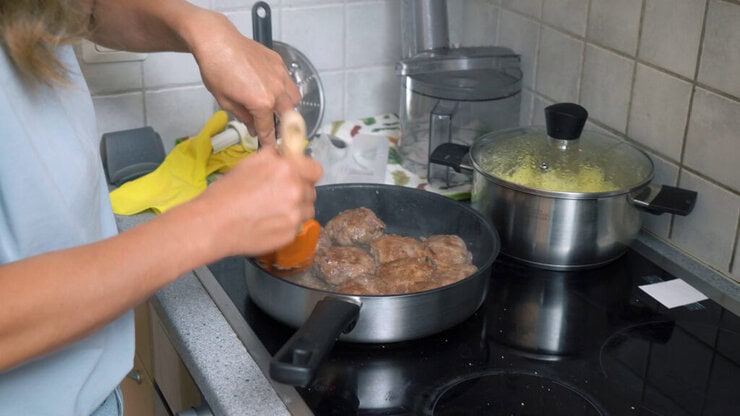
Comfort foods are more than just meals—they are emotional touchstones. From a bowl of chicken noodle soup to a plate of mac and cheese, comfort foods provide familiarity, warmth, and reassurance during moments of stress, illness, or nostalgia.
While comfort foods vary by culture and personal experience, their purpose is universal: they make us feel grounded, safe, and connected.
What Defines Comfort Food?
Although comfort foods differ from person to person, they often share common characteristics:
- Familiar and nostalgic – Foods tied to childhood or family traditions
- Warm and filling – Soups, casseroles, stews, and baked dishes
- Emotionally satisfying – Comforting beyond physical hunger
- Rich in carbohydrates or fats – Which can influence mood-regulating chemicals in the brain
These foods are rarely chosen for convenience alone—they’re chosen because they feel like home.
The Science Behind Comfort Foods
There is real science behind why comfort foods make us feel better. Carbohydrate-rich foods can increase the production of serotonin, a neurotransmitter that helps regulate mood and promote a sense of calm.
Warm foods also play a role. Studies suggest that warmth can enhance feelings of safety and emotional comfort, which may explain why soups, stews, and hot meals are commonly craved during stressful times or colder seasons.
In short, comfort foods don’t just satisfy hunger—they support emotional well-being.
Comfort Foods Are Cultural
Every culture has its own version of comfort food, shaped by tradition, availability, and shared history:
- United States: Mac and cheese, meatloaf, mashed potatoes
- Mexico: Tamales, pozole
- Italy: Pasta, lasagna
- Japan: Ramen, curry rice
- India: Dal with rice
What makes these foods comforting isn’t the recipe—it’s the memory and meaning attached to them.
Why We Turn to Comfort Foods
People often crave comfort foods during moments of emotional or physical vulnerability, including:
- Stress or anxiety
- Illness or fatigue
- Homesickness
- Major life changes
- Celebrations and family gatherings
In uncertain moments, familiar flavors help restore a sense of normalcy and emotional balance.
More Than a Meal
Comfort food isn’t about indulgence or nutrition alone—it’s about connection. These dishes link us to people, places, and moments that shaped us.
That’s why comfort foods endure across generations, cultures, and changing trends.
Comfort food doesn’t just feed the body. It feeds the moment.
Related Reading
- Why We Crave Comfort Foods – Smithsonian Magazine
- Why Comfort Foods Comfort – Psychology Today
- Why Comfort Foods Make Us Feel Better – Harvard Health
- Comfort Food and Cultural Identity – National Geographic
- The Science Behind Comfort Foods – BBC Future
Get The Knowledge—only on STM Daily News.


STM Blog
Golden Bird in Compton: When Mom Took a Night Off
Golden Bird in Compton was an occasional Friday or Saturday treat when Mom wanted a break from cooking. A personal look back at its Alondra Boulevard location and the memories that linger.

Some childhood meals stay with you for decades. For me, Golden Bird fried chicken in Compton is one of them.
Growing up in the Los Angeles area, an occasional Friday or Saturday meant my mom wanted a break from cooking. Those were the nights when takeout became a treat, and Golden Bird was one of the places I remember enjoying most.
The location on East Alondra Boulevard sounds like the one we visited. Researching it brought me to 2600 East Alondra Boulevard, Compton—an address listed in Los Angeles County records under Golden Bird #1.
An address can help place a memory on a map. But what I remember most is much simpler: the chicken was delicious, and getting it was a welcome weekend treat.
Part of Our Family’s Takeout Rotation
Golden Bird wasn’t our only chicken stop. Over the years, there was Pioneer, KFC, Church’s, Louisiana Fried Chicken, and later Popeyes. I also remember Jim Dandy from when I was very young, especially its crinkle-cut fries.
Each name brings back a different memory. Golden Bird brings me back to Compton and those evenings when my mother could take some time off from preparing dinner.
As a kid, I thought about enjoying the food. Looking back, I also appreciate what those meals meant for her: one less dinner to cook and a chance to take a break.
The History Behind the Address
Golden Bird’s own history describes a family recipe associated with Zelma and a wet batter designed to give the chicken a crisp outside while keeping the meat moist. My own memory is simply that I loved eating it.
The Alondra Boulevard location also connects to another chapter in Southern California’s fried-chicken history. Vincent Williams opened a Compton Golden Bird franchise in 1983, according to the Los Angeles Times.
A later profile described Williams developing his Honey’s Kettle concept in his former Compton franchise location. Honey’s Kettle dates its beginnings on Alondra Boulevard to 2000, and a 2012 restaurant visit documented its original location at 2600 East Alondra Boulevard. Those accounts point to a connection between the two businesses at that address.
I haven’t established who operated the restaurant during every year my family visited. But learning about its history adds another layer to a place I remember through its food.
A Weekend Memory Worth Keeping
For me, Golden Bird’s place in the story starts with family. It was an occasional treat, a meal I enjoyed, and a Friday or Saturday when Mom could let someone else handle the cooking.
Decades later, that is still a good reason to remember a neighborhood restaurant.
Editor’s note: Golden Bird is still serving fried chicken in South Los Angeles at 8300 South Western Avenue, at West 83rd Street. For those of us who remember it as a weekend family treat, it’s good to know the Golden Bird name remains part of LA’s food scene. Order pickup and delivery
Did you eat at the Golden Bird on Alondra Boulevard—or another Golden Bird location? Share your memories and favorite orders in the comments.
Explore more food stories in STM Daily News’ Food & Drink section.

Food and Beverage
Philly-Style Chicken Cheesesteak Sandwiches: An Easy, Cheesy Dinner
Bring sandwich night home with these Philly-style chicken cheesesteaks. Thinly sliced chicken, sautéed onions and peppers, and melted cheese fill toasted hoagie rolls for a satisfying meal in about 35 minutes.

Food & Drink
Easy Philly Chicken Cheesesteak Recipe
Tender chicken, golden onions, sautéed peppers, and melted cheese tucked into a toasted hoagie roll—this Philly-style chicken cheesesteak brings plenty of comfort to the dinner table without a complicated ingredient list.
Inspired by the beef cheesesteak, this chicken version makes a satisfying lunch, a casual weekend meal, or an easy dinner when you want something warm and filling. The trick is to slice the chicken thin, give it room to brown, and melt the cheese right over the filling before scooping everything into the rolls.
This home-style recipe includes bell peppers, with mushrooms as an optional addition. Make it your own with creamy white American cheese, mild provolone, or a slice of each.
Recipe at a Glance
● Servings: 4 sandwiches
● Prep time: Approximately 15 minutes
● Cook time: Approximately 20 minutes
● Total time: Approximately 35 minutes
● Equipment: Large skillet with a lid, cutting board, sharp knife, and a separate skillet or oven for toasting rolls
Ingredients
For the filling
● 1½ pounds boneless, skinless chicken breasts or thighs, very thinly sliced across the grain
● 1 medium yellow onion, thinly sliced
● 1 large green bell pepper, seeded and thinly sliced
● 2 tablespoons olive oil or neutral cooking oil, divided
● 1 teaspoon garlic powder
● ½ teaspoon paprika
● ½ teaspoon salt, or to taste
● ½ teaspoon freshly ground black pepper
● 8 slices provolone or white American cheese, or a combination
For the sandwiches
● 4 hoagie rolls
● 2 tablespoons softened butter
● Mayonnaise, optional
● Hot sauce or sliced pickled peppers, optional
Optional addition: 8 ounces sliced mushrooms. Cook them with the vegetables, working in batches if needed so they brown instead of steam.
How to Make Philly-Style Chicken Cheesesteaks
1. Slice and season the chicken
Slice the chicken as thinly as you comfortably can, cutting across the grain. Toss with the garlic powder, paprika, salt, and black pepper.
Kitchen tip: If the chicken is difficult to slice, place it in the freezer for 15–20 minutes to firm it slightly first. This optional chilling time is additional to the recipe’s listed prep time.
2. Sauté the onions and peppers
Heat 1 tablespoon of oil in a large skillet over medium-high heat. Add the onion and bell pepper. Cook for approximately 6–8 minutes, stirring occasionally, until softened and lightly browned.
Transfer the vegetables to a plate.
3. Cook the chicken
Add the remaining tablespoon of oil to the skillet. Add the chicken in an even layer, cooking in batches if necessary.
Cook for approximately 5–7 minutes, turning and separating the pieces as they cook. Timing will vary with the thickness of the chicken and the heat of your pan. Cook until the chicken reaches 165°F, checking the thickest pieces with a food thermometer.
Use a spatula to break the cooked chicken into smaller, sandwich-friendly pieces.
4. Toast the rolls
While the chicken cooks, split the hoagie rolls without cutting all the way through. Spread the cut sides with softened butter.
Toast them butter-side down in a separate skillet over medium heat until lightly golden. Alternatively, toast them cut-side up under the broiler, watching closely.
5. Combine the filling and melt the cheese
Return the cooked vegetables to the skillet with the chicken and toss together. Reduce the heat to low.
Arrange the filling into four portions and place two slices of cheese over each portion. Cover the skillet briefly, just until the cheese melts. If your skillet is too small, melt the cheese over two portions at a time.
6. Fill and serve
Spread a little mayonnaise inside the rolls if desired. Scoop a portion of cheesy chicken and vegetables into each roll.
Finish with hot sauce or pickled peppers if you like a little heat, and serve immediately.
Tips for a Better Sandwich
Keep the chicken thin. Thin slices cook quickly and make the sandwich easier to bite into.
Give the pan some space. Crowding traps moisture. Cooking in batches helps the chicken develop a browned surface.
Choose a sturdy roll. A roll with a soft interior and enough structure to hold the filling works well. Light toasting helps it stand up to the juices.
Pick your cheese. White American gives the filling a creamy texture. Provolone adds a mild, slightly tangy flavor. Combining them gives you a little of both.
Adjust the vegetables. Try red bell pepper for a sweeter filling, add mushrooms, or keep it simple with onions and cheese.
What to Serve With Chicken Cheesesteaks
French fries, potato wedges, coleslaw, or a crisp green salad all make easy sides. For a simple lunch, add a dill pickle and a handful of potato chips.
Can You Make the Filling Ahead?
Yes. Cook the chicken and vegetables ahead, then keep the filling separate from the rolls. Reheat it until hot throughout before adding cheese and assembling the sandwiches. Toast the rolls just before serving for the best texture.
A Comfort-Food Favorite for Your Dinner Rotation
These Philly-style chicken cheesesteaks turn a handful of everyday ingredients into a hearty meal. With tender chicken, sautéed vegetables, and cheese melted into every serving, they’re an easy option for sandwich night.
What goes on your chicken cheesesteak—provolone, white American, mushrooms, or extra peppers? Tell us in the comments.
Find more recipes and meal inspiration in the STM Daily News Food & Drink section.
Related reading from STM Daily News
- Easy Homemade Chicken Alfredo Recipe Another comforting chicken dinner to try.
- Fried Chicken from the Comfort of Home More inspiration for homemade chicken meals.
- How to Make Country Style Lemonade A refreshing drink to serve with your sandwiches.
- STM Daily News Food & Drink Explore more recipes, food news, and meal ideas.
Helpful cooking reference
Safe Minimum Internal Temperatures — FoodSafety.gov Supports the recipe’s instruction to cook chicken to 165°F.
- Philadelphia Cheesesteaks — Visit Philadelphia — Explore Philadelphia’s signature sandwich and cheesesteak culture. Visit Philadelphia
- A Guide to the Best Cheesesteaks in Philadelphia — Includes shops serving traditional and chicken variations. Visit Philadelphia
- Chicken From Farm to Table — USDA — Guidance on handling, thawing, cooking, and storing chicken. Food Safety and Inspection Service
- Leftovers and Food Safety — USDA — Helpful storage and reheating guidance for leftover sandwich filling. Food Safety and Inspection Service

Food and Beverage
Simplify Family Dinners with Easy, One-Pan Meals
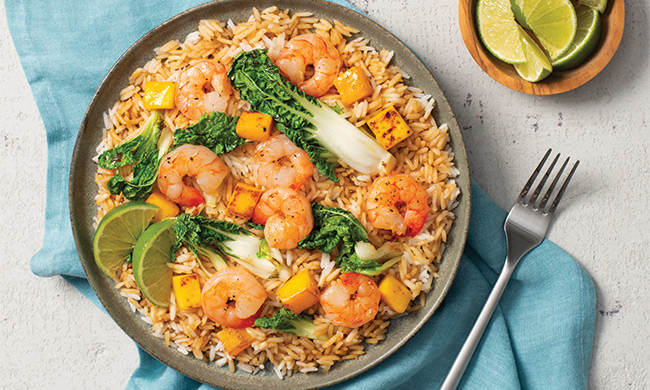
One-Pan Meals: When busy weeknights leave little time for prepping dinner – or cleaning it up afterward – simple recipes can make a difference. Try this this zesty, Asian-inspired Lime-Ginger Shrimp Fried Rice or Broccoli Cheese Rice Casserole.
Simplify Family Dinners with Easy, One-Pan Meals
(Feature Impact) When busy weeknights leave little time for prepping dinner – or cleaning it up afterward – simple recipes can make a difference. With a few flavorful ingredients and a single pan or casserole dish, you can get a satisfying meal on the family table without spending hours in the kitchen or leaving behind a sink full of dirty dishes.
Convenient ingredients like rice lend themselves well to a variety of easy recipes. For example, this zesty, Asian-inspired Lime-Ginger Shrimp Fried Rice combines sauteed shrimp with sweet mango, citrusy lime, savory bok choy and fragrant Success Boil-in-Bag Jasmine Rice in a weekly favorite that’s ready in about 25 minutes using just a wok or large skillet.
With no additives or preservatives, and now available in a shareable 32-ounce family size, the certified kosher, gluten-free, non-GMO long grain rice’s sweet buttery flavor makes it an easy base for the customizable dish. While the recipe calls for bok choy, you can mix and match vegetables based on what vegetables you already have on hand, including leftovers from another meal, such as carrots, onions, peppers, zucchini, mushrooms, snap peas or corn.
For another easy option, this Broccoli Cheese Rice Casserole comes together in just four simple steps and requires a single casserole dish for baking. Using no measure, no mess Success Boil-in-Bag White Rice ensures perfect, fluffy rice that folds into a creamy combination of cream of mushroom soup, broccoli and cheddar cheese for a bubbling, hearty dinner straight from the oven in about half an hour.
For more recipes that make it easy to get a homemade meal on the table with less cleanup, visit SuccessRice.com.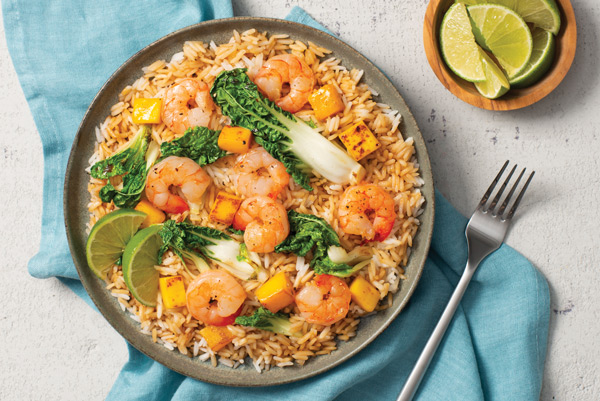
Lime-Ginger Shrimp Fried Rice
Prep time: 10 minutes
Cook time: 15 minutes
Servings: 4
- 2 bags Success Boil-in Bag Jasmine Rice
- 2 tablespoons canola oil
- 1 pound peeled, deveined medium shrimp, tails removed
- 8 baby bok choy, trimmed and quartered
- 1/2 cup diced fresh mango
- 1 tablespoon minced fresh ginger root
- 1/4 teaspoon salt
- 3 tablespoons soy sauce
- 2 tablespoons lime juice
- Prepare rice according to package directions. Allow to cool completely.
- In wok or large skillet, heat oil over medium-high heat. Add shrimp, bok choy, mango, ginger and salt; saute 3-5 minutes, or until shrimp start to curl and bok choy starts to wilt.
- Stir in rice. Cook 2-3 minutes, or until well coated. Stir in soy sauce and lime juice; cook 2-3 minutes, until rice is heated through.
Tip: If you don’t have bok choy on hand, use small broccoli florets, trimmed green beans or leftover vegetables of choice.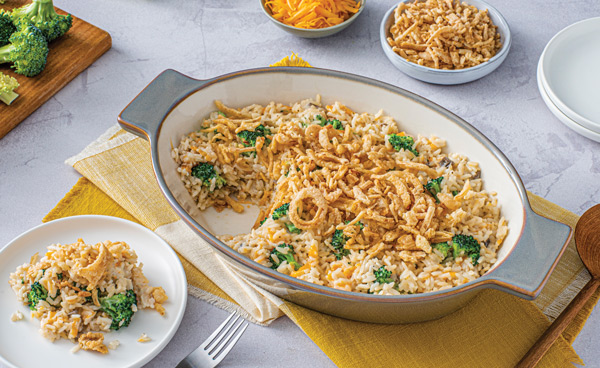
Broccoli Cheese Rice Casserole
Prep time: 5 minutes
Cook time: 30 minutes
Servings: 4-6
- 1 bag Success Boil-in-Bag White Rice
- nonstick cooking spray
- 1 can (10.75 ounces) condensed cream of mushroom soup
- 2 cups frozen broccoli florets, thawed and drained
- 1 1/2 cups shredded cheddar cheese, divided
- 1/2 teaspoon black pepper
- 1/2 cup crispy fried onions
- Prepare rice according to package directions. Preheat oven to 350 F.
- Coat 2-quart casserole dish with nonstick cooking spray. In medium bowl, combine soup, broccoli, 1 cup cheddar cheese and pepper. Fold in rice.
- Pour mixture into prepared dish and top with remaining cheddar cheese.
- Top with crispy fried onions. Bake 20 minutes, until bubbling.

SOURCE:




