

small business
When TV Talks About Gentrification and Shopping Local — and Where It Gets It Right (and Wrong)
A closer look at how the TV show The Neighborhood tackles gentrification and shopping local—and where the reality of online sales and small business survival is more complex.

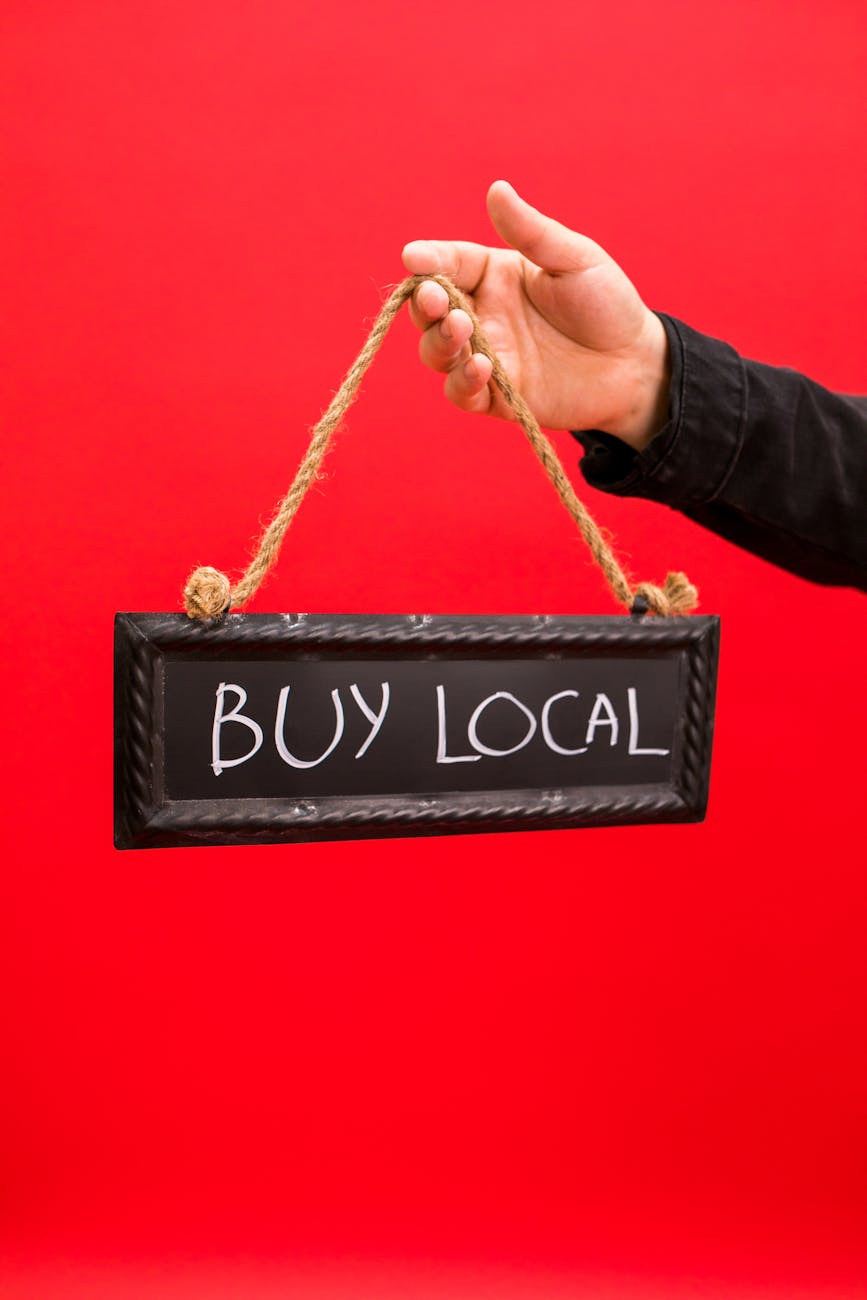
In our continuing look at how entertainment—television, movies, and streaming shows—grapples with real-world issues, this time we turn our attention to gentrification and the often-repeated call to “shop local.” Once again, we examine how popular culture frames these conversations, this time through the CBS sitcom The Neighborhood and the episode “Welcome Back to What Used to Be the Neighborhood.”
A Familiar Story: When the Neighborhood Changes
In the episode, Calvin’s favorite longtime restaurant closes its doors and is replaced by a flashy new pet spa. To Calvin, the change symbolizes something much bigger than a single business closing—it represents the slow erosion of the neighborhood he knows and loves. In response, he launches a campaign urging friends and neighbors to buy local in order to protect small businesses from disappearing.
Emotionally, the episode hits home. Many communities across the country have watched beloved neighborhood institutions vanish, replaced by businesses that feel disconnected from the area’s history and culture. In that sense, The Neighborhood gets something very right: gentrification often shows up one storefront at a time.
Where Television Simplifies a Complicated Reality
But, as is often the case with television, the episode also simplifies a much more complex economic reality.
The show frames “shopping local” as a direct alternative to shopping online, subtly suggesting that online platforms are inherently harmful to small businesses. In real life, however, the line between “local” and “online” is no longer so clear.
Many local and small businesses now survive precisely because they sell online—through their own websites, through Amazon, or through other platforms that support independent sellers. For some, online sales are not a threat to local commerce; they are a lifeline.
Why Brick-and-Mortar Isn’t Always Sustainable
Rising costs are a major factor driving these changes. Commercial leases, insurance premiums, utilities, staffing costs, and local fees have all increased dramatically in many cities. For small business owners, keeping a physical storefront open can become financially impossible—even when customer support remains strong.
As a result, some businesses choose to close their brick-and-mortar locations while continuing to operate online. Others scale back to pop-ups, shared spaces, or hybrid models. These businesses may no longer have a traditional storefront, but they are still local—employing local workers, paying local taxes, and serving their communities in new ways.
The Real Issue Behind “Shop Local”
Where The Neighborhood succeeds is in capturing the emotional truth of gentrification: the sense of loss, displacement, and cultural change that comes with rising rents and shifting demographics.
Where it misses the mark is in suggesting that consumer choices alone—simply avoiding online shopping—can solve the problem.
The real challenges facing local and small businesses go far beyond individual buying habits. They include zoning policies, commercial rent practices, corporate consolidation, and economic systems that increasingly favor scale over community presence.
A Conversation Worth Having—Even If TV Can’t Finish It
The Neighborhood deserves credit for bringing these issues into mainstream conversation. It sparks discussion, even if it wraps a complicated topic in a sitcom-friendly moral lesson.
The reality is messier. Supporting local businesses today often means rethinking what “local” looks like in a digital economy—and recognizing that survival sometimes requires adaptation, not nostalgia.
Further Reading & External Resources
- U.S. Small Business Administration: Marketing & Online Sales for Small Businesses
Explains how small businesses use websites, marketplaces, and digital tools to survive and grow. - Brookings Institution: Understanding Gentrification
A research-based overview of gentrification, its causes, and its impact on local communities. - National Main Street Center: Supporting Local Small Businesses
Resources focused on preserving local businesses while adapting to economic change. - SCORE: Why Going Online Is Critical for Small Business Survival
Mentorship-backed guidance on how digital sales help small businesses remain competitive. - Harvard Business Review: How Small Businesses Can Compete in an Online Economy
An analysis of how independent businesses adapt to large online platforms without losing identity.
At STM Daily News, our Local and Small Business coverage continues to explore these real-world dynamics beyond the TV screen, highlighting the challenges, innovations, and resilience of the businesses that keep communities alive—whether their doors are on Main Street or their storefronts live online.
📍 Read more Local and Small Business coverage at: STM Daily News


Understanding and Improving Business Credit Can Support Financing Readiness, Credibility and Long-Term Confidence
(Feature Impact) Nearly 60% of small business owners seek financing each year, according to the Federal Reserve’s 2025 Small Business Credit Survey, but only about 2 in 5 secure the full amount they request.
It’s not uncommon for business owners to be caught off guard by a credit issue just when they’re poised to take their companies to the next level. To help business owners better understand how business credit can aid growth, consider this information from Chase for Business.
The Hidden Impact of Business Credit
Many owners miss the importance of business credit – 74% of business owners have used personal credit cards or lending products that rely on their personal credit score for business purposes, according to a May 2026 Chase small business survey. However, business credit can play an important role in accessing capital, managing operations and planning for the future. Without a clear understanding of their business credit profiles, owners may miss out on opportunities or face unexpected challenges when seeking loans, negotiating with suppliers or expanding their businesses. That’s why it’s essential for small business owners to proactively monitor and manage their business credit.
Managing Business Credit
 To help millions of small business owners better understand and manage this part of their financial picture, Chase for Business introduced Business Credit Journey, a complimentary digital tool designed to help owners establish, monitor and improve their business credit.
The tool brings together credit monitoring, score insights, actionable steps and educational resources in one place. It builds on the American Dream Initiative, a nationwide effort to help power 10 million small businesses, offering resources beyond basic credit tracking to help owners spot issues early, understand what’s driving their scores and take action before opportunities slip away.
“Small business owners aren’t overlooking business credit, they just can’t see it clearly or aren’t sure how to use that information,” said Jameson Troutman, head of product for Chase for Business. “This tool is meant to change that, offering owners an easier, accessible way to understand their business credit scores and empowering them to take action over time.”
Why Business Credit Matters
Business credit is only one part of the financing equation, but it can influence how prepared a business is for future opportunities, help owners make informed decisions and avoid surprises when it matters most.
Why Business Credit Can be Easy to Overlook
For many owners, business credit is easy to put off while managing the daily demands of running their businesses. That can be especially true when they’re focused on growth, and nearly 80% of business owners expect growth in 2026, according to Chase’s Business Leaders Outlook.
In that environment, business credit may not get attention until a financing need or growth opportunity puts it into focus. That often means businesses confront their credit profile only when it starts to limit their options.
How Digital Tools Can Help
Created to make business credit easier to understand and manage, the tool allows business owners to monitor their credit scores, see what is influencing them and receive insights and actionable steps tailored to their business profile. It’s designed to help owners stay on top of changes over time and take a more proactive approach to strengthening their business credit.
“Small business owners deserve resources that help them make more informed decisions,” Troutman said.
For many small businesses, credit only becomes visible when something depends on it. Having a clearer view earlier can change the decisions owners make long before that moment. Visit chase.com/business/creditjourney to learn more.

SOURCE:
📰 Thanks for reading STM Daily News – your source for News You Can Use This Moment!
We love hearing from our readers. Share your thoughts in the comments section and join the conversation with our growing community. Your feedback helps us create the stories and features that matter most to you.
Don’t miss the latest news, inspiring stories, lifestyle tips, food and drink features, and exclusive updates. Subscribe to the STM Daily News newsletter and get our top stories delivered directly to your inbox.
💬 Leave a comment.
📧 Subscribe to our newsletter.
📢 Share your favorite stories with friends and family.
Stay informed, stay connected, and be part of the STM Daily News community at STMDailyNews.com.
Business and Finance
Consumer Alert: AI-Powered Fake Businesses Are Fooling Online Shoppers
AI-generated storefronts, fake founders, and emotional marketing are being used to trick online shoppers. Learn how to spot the warning signs and protect yourself.
Last Updated on June 14, 2026 by Rod Washington
Consumers today are increasingly making purchasing decisions based on more than just price. Many actively seek out local businesses, family-owned companies, veteran-owned enterprises, and Black-owned businesses in an effort to support communities and entrepreneurs they believe in.
Unfortunately, scammers are exploiting that goodwill.
A growing number of fraudulent online stores are using artificial intelligence to create convincing business identities designed to gain consumer trust. These AI-powered storefronts often feature realistic founder photos, emotional backstories, glowing customer reviews, and professional-looking websites that appear legitimate at first glance.
In reality, some of these businesses may not exist at all.
The Rise of AI-Generated Storefronts
Artificial intelligence has made it easier than ever to create realistic images, videos, and written content. While these tools have many legitimate uses, bad actors are increasingly using them to create fake online businesses.
These websites often claim to be small businesses facing hardship, family-owned operations struggling to survive, or businesses representing specific communities. Their marketing is designed to connect emotionally with consumers who want their purchases to make a positive impact.
Social media advertisements frequently promote urgent “closing sales,” liquidation events, or limited-time discounts that encourage shoppers to act quickly before researching the company.
Why These Scams Work
Trust has become a powerful marketing tool.
Many consumers intentionally support businesses they believe align with their values. Scammers understand this and use carefully crafted stories to create an emotional connection before a purchase is made.
AI-generated founder photos and biographies can make a website appear authentic even when the people featured do not exist. Combined with fake testimonials and professional branding, these tactics can create the illusion of a thriving small business.
The Impact on Legitimate Businesses
The consequences extend beyond individual consumers who lose money.
Authentic small businesses work hard to earn customer trust through years of service, community involvement, and reputation building. When fraudulent websites falsely present themselves as community-focused businesses, they can damage confidence in legitimate entrepreneurs.
As consumers become more skeptical, genuine business owners may find it harder to convince customers that their stories, products, and missions are real.
Warning Signs to Watch For
Before making a purchase, consumers should look for potential red flags:
- Founder photos that appear overly polished or artificial.
- Business histories that cannot be independently verified.
- Recently created social media accounts with little engagement.
- Deep discounts and constant “going out of business” sales.
- Generic customer reviews lacking specific details.
- Limited contact information or nonexistent customer service.
- Return policies that require shipping products overseas despite claims of being U.S.-based.
Protect Yourself Before You Buy
A few minutes of research can prevent costly mistakes.
Consider searching for independent reviews, verifying business addresses, checking domain registration history, and conducting a reverse image search on founder photographs. Consumers should also be cautious when encountering emotional stories that create a sense of urgency or pressure immediate purchases.
Trust but Verify
Artificial intelligence is transforming commerce and communication, but it is also creating new opportunities for deception.
Supporting small businesses remains one of the most effective ways to strengthen local economies and communities. In the age of AI, however, consumers may need to take an extra step to ensure the businesses they support are truly who they claim to be.
The best defense against AI-powered scams is simple: trust, but verify.
Closing Footnote
As artificial intelligence continues to transform online commerce, consumers should remain vigilant when shopping online. A compelling backstory, professional website, or realistic founder photo is no longer proof that a business is legitimate. Taking a few minutes to verify a company’s identity can help protect your wallet and ensure your support goes to genuine entrepreneurs rather than scammers. https://apnews.com/article/2b83cb87d450f22ac0211bfa52ee7b7f?utm_source=chatgpt.com
Related External Links for Further Reading
You can include these resources in your research or share them with readers interested in learning more about AI-generated business scams, online shopping fraud, and consumer protection.
- FTC Consumer Alerts – Official consumer warnings and scam prevention resources from the Federal Trade Commission. “`
- FTC Shopping & Online Buying Advice – Guidance on safe online shopping, evaluating reviews, and avoiding deceptive sellers.
- Better Business Bureau Scam Tracker – Search reported scams and see examples of online shopping fraud reported by consumers.
- BBB Scam Tracker – Report a Scam – Report suspicious businesses and learn how scam investigations work.
- National Cyber Security Centre: Online Shopping Fraud – Advice on identifying suspicious online stores and protecting yourself from shopping fraud.
- AP News: Beware of Online Ads with Elaborate Backstories – Investigation into fake online boutiques that use emotional stories and misleading branding to gain consumer trust.
- FTC Cracks Down on Fake and AI-Generated Reviews – Overview of federal efforts to combat deceptive reviews and AI-generated testimonials. “`
Additional Research Resources
For a deeper dive into the growing problem of AI-assisted scams:
- ScamFerret: Detecting Scam Websites with Large Language Models – Research paper exploring how AI can be used to identify fraudulent websites. “`
- LOKI: Proactively Discovering Online Scam Websites – Research paper examining methods used to identify thousands of previously unknown scam websites. “`
Protect yourself from the latest online scams with STM Daily News. From AI-powered fraud schemes to consumer safety tips, our Consumer Corner delivers practical information to help you make informed decisions. Visit STM Daily News for more news you can use this moment, and don’t forget to subscribe to our newsletter for updates delivered straight to your inbox.
Last Updated on May 16, 2026 by Daily News Staff

National Small Business Month
Every May, communities across the United States recognize Small Business Month, a time dedicated to celebrating the entrepreneurs, family-owned companies, startups, and local shops that help drive the American economy. From neighborhood restaurants to innovative tech startups, small businesses continue to play a vital role in creating jobs, supporting communities, and inspiring innovation.
According to the U.S. Small Business Administration, small businesses account for millions of jobs nationwide and represent the backbone of local economies. Throughout May, organizations, chambers of commerce, and business leaders host networking events, educational workshops, and promotional campaigns to support entrepreneurs and encourage consumers to shop locally.
One of the highlights of the month is National Small Business Week, which honors outstanding entrepreneurs and business owners making a difference in their communities.
For consumers, Small Business Month is also a reminder that supporting local businesses helps strengthen neighborhoods and keeps communities thriving. Whether it’s dining at a local café, shopping at an independent store, or hiring a local service provider, every purchase can make an impact.
Learn more about Small Business Month and related events through the official U.S. Small Business Administrationwebsite.
Related External Links
- U.S. Small Business Administration (SBA)
- National Small Business Week – SBA
- SCORE – Mentoring and Resources for Small Businesses
- U.S. Chamber of Commerce – Small Business Resources
- Forbes Small Business News and Insights
Our Lifestyle section on STM Daily News is a hub of inspiration and practical information, offering a range of articles that touch on various aspects of daily life. From tips on family finances to guides for maintaining health and wellness, we strive to empower our readers with knowledge and resources to enhance their lifestyles. Whether you’re seeking outdoor activity ideas, fashion trends, or travel recommendations, our lifestyle section has got you covered. Visit us today at https://stmdailynews.com/category/lifestyle/ and embark on a journey of discovery and self-improvement.




