

health and wellness
Why some doctors are prescribing a day in the park or a walk on the beach for good health
Exposure to nature positively impacts health by reducing pain, stress, and anxiety while promoting well-being, encouraging initiatives like Nature Prescriptions for improved health. Walk in the park.


Jay Maddock, Texas A&M University
Taking a walk on a wooded path, spending an afternoon in a public park, harvesting your backyard garden and even looking at beautiful pictures of Hawaii can all make us feel good. Certainly, for many of us, it’s beneficial to have time outside in natural environments. Being cooped up inside can feel unnatural and increase our desire to get outside. The renowned biologist E.O. Wilson created a theory called the biophilia hypothesis, where he stated that people have an innate relationship to nature.
On an intuitive level, this makes sense. Humans evolved in an open, natural environment and removing us from this environment could have a negative effect on our health. But what does the research say? Is there actually evidence that being in natural environments can promote our well-being, prevent disease and speed recovery?
Nature and healing

The pioneering work in this area started in the 1980s with Robert Ulrich, who was a professor at Texas A&M University. His work looked at surgery patients who had a view of trees out of their window compared to those who had the view of a wall. Those with the natural view reported less pain and spent less time in the hospital.
Since then, several studies have shown a reduction in pain both through viewing natural scenes as well looking at nature videos and pictures.
Other studies have looked at the effect of exposure to daylight on patients and found they experienced less pain, stress and use of pain medications than patients who did not have exposure to natural light. There is also preliminary evidence that hospital gardens can alleviate stress in both patients and their families.
In the area of designing health care facilities, there appears to be consistent evidence that exposures to natural environments have a positive effect on pain, stress, anxiety, blood pressure and heart rate. In the Center for Health and Nature, a joint venture between my university Texas A&M, Houston Methodist Hospital and nonprofit Texan by Nature, our new studies are assessing if these effects extend to the virtual world, including immersive VR and virtual windows.
A preventive effect?

While nature appears to be helpful in restoring health after illness, can it actually help us keep healthy? Researchers across the world have been asking this question.
From forest bathing (“shinrin-yoku”) in Japan to the 30 Days Wild campaign in the United Kingdom, which encourages people to connect to wild places, people have been examining the healing powers of nature.
While walking is well established as a health promoting behavior, studies are now examining if walking in natural environments is more beneficial than indoors or in urban environments. Results have shown positive effects for mental health, improved attention, mood, blood pressure and heart rate. Several programs across the country have been formed to expose military veterans to natural spaces to combat symptoms of PTSD. In children, playgrounds with greenspace increased vigorous physical activity and decreased sedentary time and even has led to fewer fights.
While there is growing evidence that exposure to natural environments is beneficial to health there are still many questions to be answered. What is nature? While this may seem simple at first glance, there are many differences between a national park, an urban pocket park and a picture of waves crashing on the beach. What is the dose of nature needed?
In physical activity, there is scientific consensus that people need 150 minutes a week for good health. How much and how often is exposure to nature needed for better health? How do longer doses – such as a weekend camping in a forest – and shorter doses – such as a walk through a park – affect us? What sensory part of nature is affecting us? Is it sight, sound, smell, touch or a combination of them?
A recent paper proposed enhanced immune function as the central pathway for the variety of positive health outcomes received from nature exposure. This needs to be tested.
Despite the need for more research, the need for more nature exposure is urgent. The Environmental Protection Agency estimates that Americans, on average, spend 90% of their time indoors. A study in the U.K. found that children spend only half the time outdoors than their parents used to.
There are signs that a nature movement is beginning to take hold. The 30 Days Wild program run by the Wildlife Trusts in the U.K. encouraged people to engage with nature every day for a month. In its first year, more than 18,000 people signed up. It starts again June 1, 2019.
Doctors in Scotland are now able give Nature Prescriptions to their patients. The educational leaflet they provide describes numerous monthly activities including touching the ocean, taking a dog for a walk and following a bumblebee. In the U.S., the Park Rx America program has been working to connect publicly available outdoor space to physicians to have them prescribe nature.
As spring arrives, it is time to make a commitment to spend more time in nature. Better health could literally be as easy as a walk in the park.
Jay Maddock, Professor of Public Health, Texas A&M University
This article is republished from The Conversation under a Creative Commons license. Read the original article.
Our Lifestyle section on STM Daily News is a hub of inspiration and practical information, offering a range of articles that touch on various aspects of daily life. From tips on family finances to guides for maintaining health and wellness, we strive to empower our readers with knowledge and resources to enhance their lifestyles. Whether you’re seeking outdoor activity ideas, fashion trends, or travel recommendations, our lifestyle section has got you covered. Visit us today at https://stmdailynews.com/category/lifestyle/ and embark on a journey of discovery and self-improvement.
Discover more from Daily News
Subscribe to get the latest posts sent to your email.


Last Updated on March 27, 2026 by Daily News Staff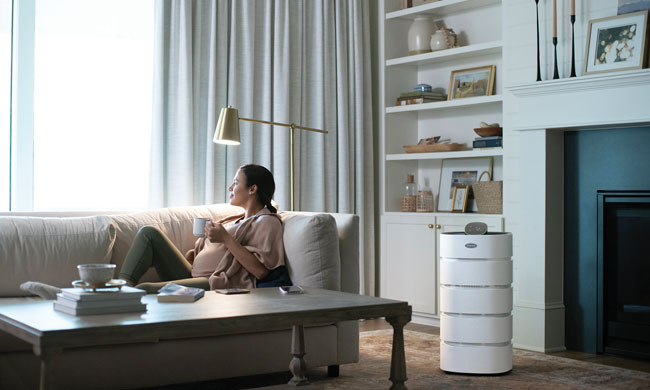
4 Simple Ways to Keep Allergy Season at Bay
(Family Features) With warmer outdoor temperatures, many homeowners suffer through longer allergy seasons. In fact, allergy days have increased by 20 days, according to a study conducted by the National Academy of Sciences.
Being aware of air quality indexes and limiting time outdoors can lessen exposure to airborne pollutants, but indoor air quality is also a concern. In a report from the U.S. Environmental Protection Agency, levels of indoor pollutants can be 2-5 times higher than outdoor air.
People spend nearly two-thirds of their lives at home, according to Carrier, which developed its Healthy Homes Program to help homeowners create indoor environments that optimize health and wellness. Consider these ways you can combat pollutants where it matters most: your home’s indoor air quality.
Reduce Indoor Pollutants
Your home has multiple sources of indoor air pollutants. While avoiding these pollutants altogether is often the best solution, it’s not always possible. However, there are a few ways you can reduce exposure in your home: ban indoor smoking; turn on exhaust fans when cooking; minimize or remove “soft” pollutant gathering surfaces such as decorative pillows, stuffed animals and decorative throws; and regularly clean all heating and air conditioner filters as required or according to manufacturer specifications.
Add Air Purifiers to Your HVAC Unit
While air purifiers don’t treat allergies, they can help filter out allergens that can cause allergy symptoms. Homeowners might consider purifiers that are highly effective at capturing particulate. For example, the Carrier Infinity air purifier is a whole-home heating and cooling system. It not only captures 95% of particles in micron size range 1.0-3.0, but also inactivates 99% of select airborne germs and viruses that flow through the HVAC system and become trapped in the MERV 15 filter. The purifier has also demonstrated effectiveness against the murine coronavirus – similar to the human novel coronavirus (SARS-CoV-2) that causes COVID-19 – based on third-party testing, as well as the type of viruses that cause the common cold, streptococcus pyogenes and influenza.
Control Humidity
Many people know high humidity can cause discomfort in hot temperatures, but there are other potentially negative impacts. According to the Centers for Disease Control and Prevention, dust mites thrive in 70-80% humidity and temperatures between 75-85 F. Additionally, high humidity can provide an environment conducive to mold growth, which is why maintaining relative indoor humidity between 40-60% is recommended to keep dust mites and mold at bay. To help control humidity, run the air conditioner when it’s hot and humid and consider using whole-home humidifiers and dehumidifiers that allow for specific settings for moisture control.
Consider Room Air Purifiers for Individual Spaces
Room air purifiers are portable and highly efficient solutions for smaller spaces such as nurseries, bedrooms, home gyms and added rooms. One example is the Carrier Smart Room Air Purifier with a built-in indoor air quality monitor that includes three levels of filtration, including an activated carbon filter to capture odors. The attached, color-coded air quality monitor measures and displays pollutant levels so homeowners can be informed and aware of the quality of their indoor air, giving them the ability to maintain next-level comfort while breathing cleaner air.
Creating your ideal home environment is more than just controlling the temperature. Your home’s air should be filtered and pollutants limited to minimize allergy triggers and promote good indoor air quality.
To learn more and get an estimate on a solution that’s right for you, visit carrier.com/residential.
SOURCE:
Carrier
https://stmdailynews.com/category/lifestyle/
Author

Discover more from Daily News
Subscribe to get the latest posts sent to your email.
fitness
Walk More to Stress Less: Get Moving to Improve Well-Being
Sitting for over eight hours daily increases health risks like cardiovascular disease and obesity. Incorporating just 20 minutes of daily physical activity, such as walking, can enhance both mental and physical well-being. Engaging in enjoyable activities, walking with pets, or friends boosts motivation and overall happiness while reducing stress.

Last Updated on March 27, 2026 by Daily News Staff
(Feature Impact) More than 10 years ago, a mere five words frightened desk jockeys everywhere: “sitting is the new smoking.” Still, many people across the U.S. are walking less than they used to. Long days spent sitting can take a toll over time, negatively impacting bodies and minds.
Research from the American Heart Association shows 1 in 4 adults in the United States sits for longer than 8 hours each day, leading to an increased risk of cardiovascular disease, obesity, Type 2 diabetes, certain cancers and premature death.
Feeling stretched by the demands of everyday life is common. However, simply adding just 20 minutes of daily physical activity may reduce the risk of disease and improve mental health, according to research published in “JAMA Internal Medicine.” Additionally, being physically active reaps many benefits down the road. It keeps your mind sharp as you age; studies show higher levels of fitness are linked to better attention, learning, working memory and problem solving. It also slashes risk of depression and boosts an all-around sense of joy.
Research continues to show physical activity, like walking, reduces stress, boosts mood and promotes overall well-being. This year, in honor of National Walking Day – created by the American Heart Association more than 10 years ago to encourage more movement throughout the day and help people live longer, healthier lives, one step at a time – consider these ideas to get your body moving to help lower stress, improve sleep, lift your mood and support both mental and physical health.
Step into the Great Outdoors
Slipping on a pair of comfortable walking shoes and heading outside is a simple way to get more movement in your life. Walking outside has the added benefits of helping reduce stress, improving mood and boosting cardiovascular health. Sunshine also provides a boost of vitamin D and immune support.
Make It Fun
 Think of movement as something you give yourself, by moving more your way. When you choose activities you enjoy, it becomes easier to make them part of your day. If you can’t find 20 minutes for a walk outside, even short bursts of movement can help. Walking in place at a brisk pace, walking up and down the stairs in your home, finding a quick dance workout online or even seated exercises and stretch breaks throughout the day can help you feel more refreshed and ready to take on everyday tasks, like cooking and running errands.
Walk with a Furry Friend
Pets can be a great motivator to get moving. Plus, taking your furry friend for a stroll can support heart health, lower stress and boost overall happiness. In fact. a study published in the “Journal of Physical Activity and Health” shows dog owners are 34% more likely to reach their fitness goals and get the recommended amount of physical activity than those who don’t have a dog. Walking with your pet can also lead to more social connection, such as meeting neighbors or other pet owners.
Pound the Pavement with a Pal
Walking solo can be good for introspection, but bringing a friend, family member or coworker can make the time pass more quickly and add connection to your routine. Explore a greenway, waterfront or indoor mall for a fresh way to get some steps. If a loved one isn’t available to join you, make a phone call while you walk or take a meeting or conference call outdoors if your work allows it.
Every step counts. Visit Heart.org/movemore for more tips to get moving.
Photos courtesy of Shutterstock

SOURCE:
Our Lifestyle section on STM Daily News is a hub of inspiration and practical information, offering a range of articles that touch on various aspects of daily life. From tips on family finances to guides for maintaining health and wellness, we strive to empower our readers with knowledge and resources to enhance their lifestyles. Whether you’re seeking outdoor activity ideas, fashion trends, or travel recommendations, our lifestyle section has got you covered. Visit us today at https://stmdailynews.com/category/lifestyle/ and embark on a journey of discovery and self-improvement.
Discover more from Daily News
Subscribe to get the latest posts sent to your email.
Refresh Your Home: A Room-by-Room Spring Cleaning Checklist
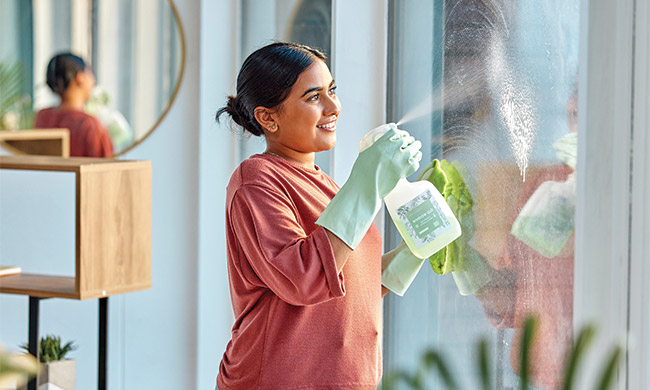
(Feature Impact) After months of winter, spring cleaning isn’t just about dusting and vacuuming – it’s about inviting sunlight and fresh air into your space through the open windows and giving yourself a fresh start for the longer days ahead.
It’s also a perfect opportunity to clear out the old and make room for new experiences, memories and energy. Whether you’re tackling deep cleaning for the first time or you have seasonal rituals for tidying up your home, this room-by-room guide can help you plan and conquer seasonal chores.
Whole Home:
- Declutter spaces: Donate, recycle or discard what you don’t need
- Wash windows inside and out
- Dust baseboards, walls, vents and ceiling fans
- Wipe down doors, knobs and light switches
- Vacuum and clean under and behind furniture
- Clean curtains and blinds
- Store seasonal items like winter clothing and decor
- Replace air filters
- Shampoo carpet
Kitchen:
- Empty and wipe down refrigerator and freezer
- Clean oven, stovetop and microwave
- Scrub countertops and backsplashes
- Clean out the garbage disposal
- Sweep and mop floors
- Organize the pantry and throw away any expired items
Bathrooms:
- Scrub grout and tile
- Clean mirrors and glass surfaces
- Deep clean toilets
- Wipe down cabinets and bathroom fixtures
- Wash rugs, floor mats and the shower curtain and liner
- Empty trash and clean the bin
Bedrooms and Other Living Areas:
- Wash bedding, pillows and linens
- Organize closets and drawers
- Vacuum chair, couches and mattresses as well as under cushions
- Dust shelves and decor
- Clean light fixtures and lampshades
Outdoor Areas:
- Power wash patios, sidewalks and driveways
- Wipe down outdoor furniture and replace textiles like pillows, cushions and umbrellas
- Clear debris from garden beds
- Prune shrubs, plants and trees
- Organize garages and sheds
- Reconnect hoses and sprinklers
- Prep lawn equipment such as mowers, weed eaters and blowers
For more spring cleaning tips and tricks, visit eLivingtoday.com.
Photo courtesy of Shutterstock


SOURCE:
Welcome to the Consumer Corner section of STM Daily News, your ultimate destination for savvy shopping and informed decision-making! Dive into a treasure trove of insights and reviews covering everything from the hottest toys that spark joy in your little ones to the latest electronic gadgets that simplify your life. Explore our comprehensive guides on stylish home furnishings, discover smart tips for buying a home or enhancing your living space with creative improvement ideas, and get the lowdown on the best cars through our detailed auto reviews. Whether you’re making a major purchase or simply seeking inspiration, the Consumer Corner is here to empower you every step of the way—unlock the keys to becoming a smarter consumer today!
https://stmdailynews.com/category/consumer-corner
Discover more from Daily News
Subscribe to get the latest posts sent to your email.





