Connect with us

Food and Beverage

Young food entrepreneurs are changing the face of rural America

Published

on

Last Updated on July 29, 2025 by Daily News Staff

file 20250214 15 nrpn78.jpg?ixlib=rb 4.1
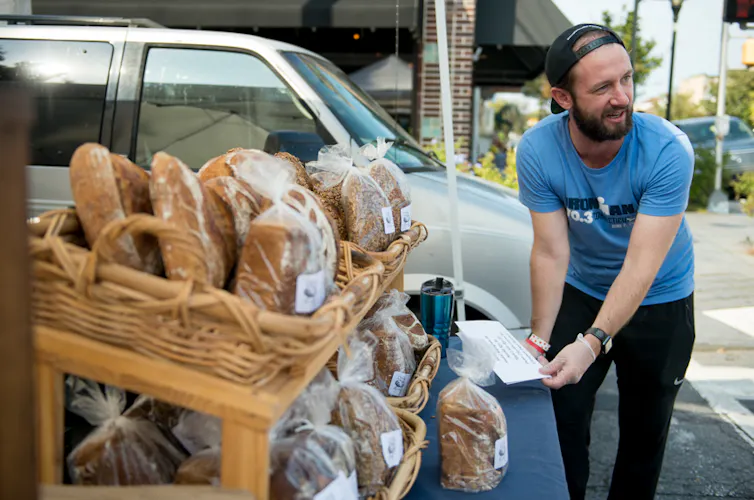
Many rural food businesses, like Daily Loaf Bakery in Hamburg, Pa., rely on farmers markets to reach customers.
Susan L. Angstadt/MediaNews Group/Reading Eagle via Getty Images

Dawn Thilmany, Colorado State University

Young food entrepreneurs are changing the face of rural America

Visit just about any downtown on a weekend and you will likely happen upon a farmers market. Or, you might grab lunch from a food truck outside a local brewpub or winery.

Very likely, there is a community-shared kitchen or food entrepreneur incubator initiative behind the scenes to support this growing foodie ecosystem.

As rural America gains younger residents, and grows more diverse and increasingly digitally connected, these dynamics are driving a renaissance in craft foods.

One food entrepreneur incubator, Hope & Main Kitchen, operates out of a school that sat vacant for over 10 years in the small Rhode Island town of Warren. Its business incubation program, with over 300 graduates to date, gives food and beverage entrepreneurs a way to test, scale and develop their products before investing in their own facilities. Its markets also give entrepreneurs a place to test their products on the public and buyers for stores, while providing the community with local goods.

Food has been central to culture, community and social connections for millennia. But food channels, social media food influencers and craft brews have paved the way for a renaissance of regional beverage and food industry startups across America.

In my work in agriculture economics, I see connections between this boom in food and agriculture innovation and the inflow of young residents who are helping revitalize rural America and reinvigorate its Main Streets.

Why entrepreneurs are embracing rural life

An analysis of 2023 U.S. Census Bureau data found that more people have been moving to small towns and rural counties in recent years, and that the bulk of that population growth is driven by 25- to 44-year-olds.

This represents a stark contrast to the 2000s, when 90% of the growth for younger demographics was concentrated in the largest metro areas.

Advertisement
Get More From A Face Cleanser And Spa-like Massage

The COVID-19 pandemic and the shift to remote work options it created, along with rising housing prices, were catalysts for the change, but other interesting dynamics may also be at play.

One is social connectedness. Sociologists have long believed that the community fabric of rural America contributes to economic efficiency, productive business activity, growth of communities and population health.

Maps show that rural areas of the U.S. with higher social capital – those with strong networks and relationships among residents – are some of the strongest draws for younger households today.

Another important dynamic for both rural communities and their new young residents is entrepreneurship, including food entrepreneurship.

Rural food startups may be leveraging the social capital aligned with the legacy of agriculture in rural America, resulting in a renewed interest in craft and local foods. This includes a renaissance in foods made with local ingredients or linked to regional cultures and tastes.

According to data from the National Agricultural Statistics Service, U.S. local sales of edible farm products increased 33% from 2017 to 2022, reaching $14.2 billion.

The new ‘AgriCulture’

A 2020 study I was involved in, led by agriculture economist Sarah Low, found a positive relationship between the availability of farm-based local and organic foods and complementary food startups. The study termed this new dynamic “AgriCulture.”

We found a tendency for these dynamics to occur in areas with higher natural amenities, such as hiking trails and streams, along with transportation and broadband infrastructure attractive to digital natives.

The same dynamic drawing young people to the outdoors offers digital natives a way to experience far-reaching regions of the country and, in some cases, move there.

Advertisement
Get More From A Face Cleanser And Spa-like Massage

A thriving food and beverage scene can be a pull for those who want to live in a vibrant community, or the new settlers and their diverse tastes may be what get food entrepreneurs started. Many urban necessities, such as shopping, can be done online, but eating and food shopping are local daily necessities.

Governments can help rural food havens thrive

When my colleagues and I talk to community leaders interested in attracting new industries and young families, or who seek to build community through revitalized downtowns and public spaces, the topic of food commonly arises.

We encourage them to think about ways they can help draw food entrepreneurs: Can they increase local growers’ and producers’ access to food markets? Would creating shared kitchens help support food trucks and small businesses? Does their area have a local advantage, such as a seashore, hiking trails or cultural heritage, that they can market in connection with local food?

Meats and jams fill tables at a farm store. A hand-written sign on a chalkboard says: 'All our food items are made using our own recipe in our farm kitchen, and the product reflects the culture, the flavor and the seasonality of this place.'
The farm store at Harley Farm Goat Dairy in Pescadero, Calif., draws people headed for hiking trails or the coast in the Santa Cruz Mountains.
Smith Collection/Gado/Getty Images

Several federal, state and local economic development programs are framing strategies to bolster any momentum occurring at the crossroads of rural, social connections, resiliency, food and entrepreneurship.

For example, a recent study from a collaboration of shared kitchen experts found that there were over 600 shared-use food facilities across the U.S. in 2020, and over 20% were in rural areas. In a survey of owners, the report found that 50% of respondents identified assisting early-growth businesses as their primary goal.

The USDA Regional Food Business Centers, one of which I am fortunate to co-lead, have been bolstering the networking and technical assistance to support these types of rural food economy efforts.

Many rural counties are still facing shrinking workforces, commonly because of lagging legacy industries with declining employment, such as mining. However, recent data and studies suggest that in rural areas with strong social capital, community support and outdoor opportunities, younger populations are growing, and their food interests are helping boost rural economies.

Dawn Thilmany, Professor of Agricultural Economics, Colorado State University

This article is republished from The Conversation under a Creative Commons license. Read the original article.

Continue Reading
Advertisement SodaStream USA, inc

Food and Beverage

Magical Moments Without the Hassle: 3 Parenting Hacks to Help Make Summer Memorable

Published

on


Formatted Half Page  Magical Moments Without the Hassle: 3 Parenting Hacks to Help Make Summer Memorable Article Formatted Half Page
Magical Moments Without the Hassle: 3 Parenting Hacks to Help Make Summer Memorable

(Feature Impact) Magical summer moments – road trips, pool days and warm evenings in the backyard – don’t happen by accident.

In fact, making that magic happen may feel like hard work for parents, according to a survey of American parents commissioned by Borden Cheese that discovered the pressure on adults during the summer months is higher than ever. Between scheduling activities, packing endless meals and keeping the family happy, the pressure to create memorable summer moments can quickly drain all the fun out of it.

A majority of respondents (72%) feel summers used to be simpler in terms of activities and expectations, while 89% of that group said it’s important for their children to experience simple summers.

“Summer is the time for enjoying the sunshine, fresh air, endless day time and quality time with family and friends,” said Jenny Mehlman, senior director of marketing, cheese, taste and flavors at Dairy Farmers of America. “Sometimes we get so caught up in the daily hustle, we forget to slow down and enjoy the little moments. Borden Cheese wants to help parents drop the high expectations, embrace a little bit of the mess and remember how good a simple, relaxed summer can feel.”

It’s clear parents are looking for more relaxing summer breaks, both for their children and themselves. Reclaiming family time can start with hacks that simplify summers, a tactic 81% of parents surveyed said they plan to use. Consider these top suggestions from respondents.

Allow More Flexibility with Children’s Routines

Summer offers a welcome break from the rigid schedules of the school year, and nearly half of respondents (45%) are embracing that opportunity by allowing more flexibility in their children’s routines. This might include later bedtimes, slower mornings or less structured playtime, giving families more room to explore, be creative and enjoy spontaneous adventures – the type that many parents remember from their own childhoods.

Prioritize Fun Over Perfection

The pressure to create a picture-perfect summer can become overwhelming. Instead of striving for elaborate vacations or curated calendars, 39% of parents said they plan to be more lenient with the expectations they place on themselves. This “fun over perfection” mindset allows families to focus on connection as parents spend less time worrying about details and more time enjoying simple pleasures from picnics and pool time to game nights at home.

Plan Simpler Meals

One-third of respondents plan to make simpler meals a regular part of their menu, and the majority of parents (84%) said they rely on quick, reliable meal and snack solutions like mac and cheese, deli meat wraps and simple cheese and cracker boards at least once per week during summer months. That’s why Borden Cheese Individually Wrapped Singles are unwrapping the simple, stress-free summer that parents need with family-friendly recipes, easy meal hacks and nostalgia-inducing weekly giveaways designed to give them a well-deserved break. For example, these Juicy Lucy Cheeseburger Sliders can feel a little “extra” without all the extra work. Beware: They’ll disappear fast.

So relax your expectations, embrace the mess and make space for real, carefree fun again. Visit BordenCheese.com/SimpleSummerFun to find more easy, cheesy meal ideas and learn how to participate in weekly giveaways.

17975 B detail image embed2

Juicy Lucy Cheeseburger Sliders
Prep time: 10 minutes
Cook time: 8-10 minutes
Servings: 4 (2 sliders per serving)

  • 1 pound ground beef
  • 4 slices Borden American Melts, quartered
  • 2 tablespoons finely chopped onion
  • 1 tablespoon steakhouse seasoning
  • 8 slider buns, toasted

Toppings (optional):

  • burger sauce
  • caramelized onions
  • pickle chips
  1. Preheat grill or skillet to medium heat.
  2. Divide beef into 16 balls and flatten into approximately 3-inch patties.
  3. Place two cheese squares and onions on eight patties then top with remaining patties and press together. Season with steakhouse seasoning.
  4. Cook sliders 4-5 minutes per side, until cooked through.
  5. Place on buns and add burger sauce, caramelized onions and pickle chips, as desired. Serve warm.
collect?v=1&tid=UA 482330 7&cid=1955551e 1975 5e52 0cdb 8516071094cd&sc=start&t=pageview&dl=http%3A%2F%2Ftrack.familyfeatures track
   

SOURCE:
Borden

STM Daily News’ Food and Drink section highlights the stories, trends, flavors, and events shaping today’s food culture. From recipes to restaurant news, it keeps readers connected to what’s fresh and worth tasting.

Advertisement
Get More From A Face Cleanser And Spa-like Massage
Continue Reading

Food and Beverage

Serve a Simple Pasta Salad This Summer

Published

on

Last Updated on June 23, 2026 by Daily News Staff

Pasta Salad

(Family Features) Some summertime dishes are just too good to be true. This Easy Pasta Salad is simple enough to become a favorite side and filling enough to serve as a light main course. Enjoy more warm weather recipes by visiting Culinary.net.

17453 easy pasta salad detail image embed1

Easy Pasta Salad

Recipe courtesy of “Cookin’ Savvy
Servings: 4-6

  • 1 pound pasta noodles of choice
  • 1 can (15 ounces) peas, drained
  • 1 can (15 ounces) carrots, drained
  • 1 package (16 ounces) diced ham
  • 1 package (2 1/2 ounces) real bacon pieces
  • 1 package (6 ounces) cheddar cheese cubes
  • 2 1/2 cups mayonnaise
  • 2 tablespoons sugar
  • 1/2 cup juice from bread butter pickles
  • 1/4 cup balsamic vinegar
  • 2 tablespoons mustard
  • salt, to taste
  • pepper, to taste
  1. Cook pasta according to package instructions. Drain and place in large bowl. Add peas, carrots, ham, bacon pieces and cheese cubes.
  2. In separate bowl, mix mayonnaise, sugar, pickle juice, vinegar and mustard. Season with salt and pepper, to taste. Pour mixture over pasta and mix well.
  3. Refrigerate 1-2 hours before serving.


collect?v=1&tid=UA 482330 7&cid=1955551e 1975 5e52 0cdb 8516071094cd&sc=start&t=pageview&dl=http%3A%2F%2Ftrack.familyfeatures
SOURCE:

Culinary.net

Explore the Food and Drink section on STM Daily News for timely coverage of culinary trends, beverage news, seasonal recipes, and food-focused community stories

Continue Reading

Foodie News

Prioritize Brain Health with a Peanut-Packed Menu

Published

on

Prioritize Brain Health with a Peanut-Packed Menu

(Feature Impact) A healthy brain goes beyond reading exercises and completing puzzles – it extends to the kitchen, too. Emerging nutritional science is clear that what people eat doesn’t just fuel the body; it shapes memory, mood and cognitive health.

Among the foods you can include in your diet to give your brain a boost are peanuts and peanut butter, staples valued not only for their convenience but also for their cognitive benefits. In fact, a study published in the “Journal of the Prevention of Alzheimer’s Disease” found adults 60-80 years old who did not eat peanuts and peanut butter regularly were 30-50% more likely to perform poorly on tests measuring learning, memory, language, processing motor speed and attentiveness compared to those who did consumer peanuts and peanut butter.

It’s not just the older generation that can benefit. According to research published in “Clinical Nutrition,” a study of college students ages 18-33 showed consumption of peanuts and peanut butter was associated with improved memory function and decreased anxiety, depression and stress.

Consider this key information from the Georgia Peanut Commission before your next meal planning session.

Nutrients that Give the Brain a Boost

Despite their small stature, peanuts pack a nutrition punch. Their unique blend of various vitamins, minerals and bioactive compounds includes:

  • Niacin, which can slow cognitive decline and reduce the risk for Alzheimer’s disease, according to the “Journal of Neurology, Neurosurgery and Psychiatry”
  • Vitamin E, found to promote healthy brain aging and delay cognitive decline
  • Resveratrol, believed to be beneficial in fighting against Alzheimer’s disease and other nerve degenerating diseases, per the “Journal of Biological Chemistry”
  • P-coumaric acid, an antioxidant that appears to target the neurotransmitters in the brain that regulate mood, stress and anxiety

Peace of MIND

Peanuts are included in the MIND diet, a combination of the Mediterranean and DASH diets, which specifically includes foods shown to benefit the brain.

Adding peanuts to your menu can be a breeze. Look no further than a powerful main course like Crunchy and Creamy Cold Green Pea and Peanut Salad, a perfect accompaniment at potlucks and cookouts as an easy side or light main course. Make breakfast-on-the-go part of your daily commute with Flourless Blueberry Muffins that require just five ingredients, including creamy peanut butter, or add a pinch of protein to snack time with Protein Balls that can be refrigerated until hunger strikes.

Brain Food for Thought

Supporting your brain starts with the right nutrition, and evidence makes clear peanuts and peanut butter should be top-of-mind as you head to the grocery store. For help getting started, find more recipes and nutritional information by visiting GAPeanuts.com.

17917 detail embed1

Flourless Blueberry Muffins

Recipe courtesy of The Peanut Institute
Servings: 12

  • 2          bananas
  • 1          cup creamy peanut butter
  • 2          eggs
  • 1/2       teaspoon baking powder
  • 1          cup blueberries
  1. Preheat oven to 350 F. Grease muffin pan.
  2. In blender or food processor, combine bananas, peanut butter, eggs and baking powder; blend until smooth. Fold in blueberries by hand.
  3. Pour mixture into muffin tin. Bake 12-15 minutes.
  4. Store in airtight container up to 3 days.

Nutritional information per serving: 155 calories, 10 g carbohydrates, 31 mg cholesterol, 2 g saturated fat, 9 g unsaturated fat, 2 g fiber, 6 g protein, 98 mg sodium, 5 g sugar.

17917 detail embed2

Crunchy and Creamy Cold Green Pea and Peanut Salad

Recipe courtesy of The Peanut Institute
Servings: 8

Dressing:

  • 1/3       cup sour cream
  • 1 1/2    tablespoons mayonnaise
  • 2          teaspoons apple cider vinegar
  • 2          teaspoons sugar

Salad:

  • 1          package (20 ounces) green peas, frozen
  • 1          cup celery, chopped
  • 1/3       cup red onions, chopped
  • 1          cup dry roasted peanuts
  • 6          slices thick cut bacon, cooked and crumbled
  • 1          pinch salt, or to taste
  • 1          pinch freshly ground black pepper, or to taste
  1. To make dressing: In small mixing bowl, whisk sour cream, mayonnaise, apple cider vinegar and sugar.
  2. To make salad: In large mixing bowl, combine frozen green peas, celery and onion. Pour dressing over salad and toss to combine. Refrigerate at least 2 hours.
  3. Before serving, stir in roasted peanuts and crumbled bacon. Season with salt and freshly ground black pepper.

Nutritional information per serving: 230 calories, 17 g carbohydrates, 12 mg cholesterol, 3 g saturated fat, 9 g unsaturated fat, 5 g fiber, 11 g protein, 249 mg sodium, 6 g sugar, 1 g added sugar.

17917 detail embed3

Protein Balls

Recipe courtesy of The Peanut Institute
Servings: 24

  • 1          cup chunky peanut butter
  • 1          tablespoon vanilla
  • 1/4       cup honey
  • 2          cups quick oats
  • 2          tablespoons ground flaxseed
  • 1/2       cup shredded coconut
  • 1/2       cup dried, chopped cranberries
  • 1/8       teaspoon iodized salt
  • 1/4       cup water
  1. Using stand mixer, combine peanut butter, vanilla, honey, quick oats, flaxseed, coconut, cranberries, salt and water; mix until well combined.
  2. Form dough into 1-ounce portions and refrigerate 30 minutes before serving.

Nutritional information per serving: 130 calories, 7 g fat, 14 g carbohydrates, 3 g protein, 2 g fiber, 60 mg sodium. collect?v=1&tid=UA 482330 7&cid=1955551e 1975 5e52 0cdb 8516071094cd&sc=start&t=pageview&dl=http%3A%2F%2Ftrack.familyfeatures track


SOURCE:

Georgia Peanut Commission

STM Daily News’ Food and Drink section highlights the stories, trends, flavors, and events shaping today’s food culture. From recipes to restaurant news, it keeps readers connected to what’s fresh and worth tasting.

Advertisement
Get More From A Face Cleanser And Spa-like Massage
Continue Reading

Trending