

Lifestyle
3 pasos hacia un corazón más sano

Last Updated on July 12, 2024 by Daily News Staff
(Family Features) Cuidar el corazón es fundamental para la salud en general, aunque todos los aspectos de la salud son importantes. Las enfermedades cardíacas son la principal causa de muerte entre los estadounidenses, pero no tiene por qué serlo: las elecciones de estilo de vida desempeñan un papel importante para la salud del corazón y nunca es demasiado pronto para adoptar hábitos saludables.
Considere estos sencillos pasos: desde hacer ejercicio y dormir lo suficiente hasta comer saludable, incluyendo refrigerios buenos para el corazón como las uvas.
Comer bien
Adoptar una dieta equilibrada y nutritiva, rica en frutas, verduras, cereales integrales, proteínas magras y grasas saludables puede tener un impacto en la salud del corazón. Una forma de reducir el riesgo de sufrir enfermedades cardíacas es consumir alimentos bajos en grasas saturadas y colesterol, como las uvas.
Como alimento fácil, conveniente y saludable para el corazón, las uvas son el ingrediente perfecto para un plan de alimentación saludable que incluye recetas como ensalada de uvas, brócoli y aguacate con cobertura de avena tostada. La sabrosa ensalada de brócoli se combina perfectamente con la dulce frescura de las jugosas uvas de California, mientras que la cobertura de avena tostada aporta un toque crujiente.
Las uvas son bajas en sodio y una buena fuente de vitamina K, que promueve la salud del corazón, y contienen el 7% de la ingesta diaria recomendada de potasio, un nutriente fundamental para la salud del corazón. Las uvas son una fuente natural de antioxidantes beneficiosos y otros polifenoles y ayudan a mantener una circulación saludable al promover la relajación de los vasos sanguíneos.
De hecho, según un estudio publicado en el “Journal of Nutrition”, (Diario de la nutrición) los hombres con síndrome metabólico que consumían 1 1/2 tazas de uvas al día mostraron una presión arterial más baja, una mejor función de los vasos sanguíneos y una disminución en un marcador clave de inflamación.
Las mujeres que consumieron 1 1/4 tazas de uvas todos los días como parte de un estudio separado publicado en el “Journal of Nutrition” se beneficiaron y mostraron una reducción en los niveles de triglicéridos en la sangre, los niveles de colesterol LDL, las proteínas inflamatorias y otros marcadores de enfermedades cardíacas.
Dormir bien
El sueño también es fundamental para tener un corazón sano. La mayoría de los expertos recomiendan que los adultos duerman entre 7 a 9 horas por noche. Para ayudar a lograr ese objetivo, crea una rutina a la hora de acostarse despertándose y durmiendo a las mismas horas. También asegúrese de tener un espacio cómodo para dormir apagando los dispositivos electrónicos y ajustando el termostato a una temperatura agradable.
Hacer ejercicio
Mantener una rutina de ejercicio de forma regular es bueno para la salud en general. Puede ser especialmente beneficioso para la salud del corazón al reducir la presión arterial, reducir la inflamación y ayudar a mantener un peso saludable. La Asociación Americana del Corazón recomienda al menos 150 minutos por semana de actividad aeróbica de intensidad moderada o 75 minutos de actividad aeróbica vigorosa. Impulse su entrenamiento y recuperación con alimentos hidratantes y saludables para el corazón, como las uvas.
Encuentre más recetas saludables para el corazón en GrapesFromCalifornia.com.

Ensalada de uvas, brócoli y aguacate con cobertura de avena tostada
Tiempo de preparación: 30 minutos
Tiempo de cocción: 5 minutos
Porciones: 6
Cobertura de avena tostada:
- 1/2 cucharada de mantequilla
- 1/3 taza de almendras fileteadas, picadas en trozos grandes
- 3 cucharadas de avena de grano entero cortada
- 1/8 cucharadita de sal sazonada
- 1/4 cucharadita de condimento de hierbas italiano
Aderezo:
- 6 cucharadas de aceite de oliva extra virgen
- 1/3 taza de uvas rojas o verdes de California en cuartos
- 1/4 taza de vinagre de vino
- 1 cucharada de miel de abeja
- 1/4 cucharadita de sal marina
- pimienta recién molida, al gusto
Ensalada:
- 1 bolsa (12 onzas) de ensalada de brócoli finamente picado
- 2 tazas de col rizada desmenuzada, ligeramente compactada
- 1 1/2 tazas de uvas de California partidas a la mitad
- 1/2 taza de cebolla morada finamente picada
- 1/3 taza de higos secos picados
- pimienta recién molida, al gusto
- 1 aguacate grande, firme pero maduro, cortado en cubos
- Para hacer cobertura de avena tostada: En una sartén mediana a fuego medio-bajo, cocine la mantequilla, las almendras, la avena, la sal y el condimento de hierbas italianas por unos 5 minutos, o hasta que estén ligeramente tostados y fragantes, revolviendo con frecuencia.
- Para hacer el aderezo: En una licuadora pequeña, haga puré el aceite de oliva, las uvas, el vinagre de vino, la miel, la sal marina y la pimienta al gusto, hasta que quede de consistencia suave.
- Para hacer la ensalada: En un tazón grande, mezcle la ensalada de brócoli, la col rizada, las uvas, la cebolla morada y los higos; sazone con pimienta al gusto y rocíe con el aderezo; revuelva bien para cubrir. Agregue el aguacate y revuelva ligeramente. Transfiera a seis platos o tazones para servir y espolvoree con cobertura de avena tostada.
Información nutricional por porción: 320 calorías; 5 g de proteína; 29 g de carbohidratos; 22 g de grasa (62% de calorías de grasa); 3.5 g de grasa saturada (10% de calorías de grasa saturada); 5 mg de colesterol; 160 mg de sodio; 7 g de fibra.
SOURCE:
California Table Grape Commission
At our core, we at STM Daily News, strive to keep you informed and inspired with the freshest content on all things food and beverage. From mouthwatering recipes to intriguing articles, we’re here to satisfy your appetite for culinary knowledge.
Visit our Food & Drink section to get the latest on Foodie News and recipes, offering a delightful blend of culinary inspiration and gastronomic trends to elevate your dining experience.
https://stmdailynews.com/category/food-and-beverage
You can also find food and beverage-related videos on our YouTube channel, where we regularly post new content and share tips, recipes, and demonstrations. https://youtube.com/playlist?list=PLEhXBupt8tVynuUhpQZMxQt4lvPmOiAtQ&si=InDwc7YaB0KIwmxy
Author

Discover more from Daily News
Subscribe to get the latest posts sent to your email.


Lifestyle
Why the First Year Behind the Wheel is the Most Dangerous: Data Shows Teen Drivers 3 Times More Likely to be in Fatal Crash
Teen drivers are significantly at risk of fatal crashes, with those aged 16-19 being nearly three times more likely to be involved in accidents than older drivers. The first year of driving presents heightened dangers, but with proper preparation, including coaching, technology, and smart insurance, families can mitigate these risks and promote safety.

Why the First Year Behind the Wheel is the Most Dangerous: Data Shows Teen Drivers 3 Times More Likely to be in Fatal Crash
(Feature Impact) The driver’s license photo may be slightly awkward, but the milestone is unforgettable. For families, a newly licensed teen means independence, busy schedules and a new set of responsibilities.
Motor vehicle crashes remain one of the leading causes of death for U.S. teens, according to the Centers for Disease Control and Prevention (CDC). Data from the National Highway Traffic Safety Administration shows drivers ages 16-19 are nearly three times more likely to be involved in a fatal crash than drivers 20 and older, per mile driven.
The statistics are serious, but they’re also manageable.
“With the right preparation, teen driving doesn’t have to feel overwhelming,” said Susan Irace, manager, divisional claims at Mercury Insurance. “Experience is what young drivers are building. Parents can help shorten that learning curve with structure, technology and smart coverage decisions.”
Why the First Year Matters
Federal safety data shows crash risk is highest in a teen’s first year of independent driving. Night driving, teen passengers and distracted driving increase that risk – while seat belts, graduated licensing laws and supervised practice significantly reduce it.
In 2023, more than 2,800 teens ages 13-19 were killed in motor vehicle crashes nationwide, according to the CDC. However, teen crash rates have declined over time thanks to safer vehicles, graduated driver licensing programs and greater awareness of distracted driving.
Ways to Reduce Teen Driving Risk

The experts at Mercury Insurance encourage families to focus on preparation rather than panic.
1. Coach Early and Often
- Log supervised driving time in different conditions – highways, rain, nighttime
- Create a simple written driving agreement outlining expectations
- Limit teen passengers during the first year
- Make seatbelts non-negotiable
2. Let Technology Help
- Choose vehicles with safety features like automatic emergency braking and blind-spot monitoring
- Use telematics or safe-driving feedback tools to reinforce good habits
- Activate smartphone “Do Not Disturb While Driving” settings
3. Review Insurance Before the Keys Change Hands
- Add teens to your insurance policy promptly
- Revisit liability limits to protect family assets
- Ask about good student and driver training discounts
“Insurance is about preparation, not fear,” Irace said. “When families combine active coaching with the right coverage, they’re setting their teen up for safer miles ahead.”
Preparation Turns Risks into Confidence
The first solo drive is a milestone, but preparation determines what comes next. By pairing common-sense coaching with today’s vehicle safety technology and thoughtful insurance planning, families can support independence while managing risk responsibly.
For more teen driver safety tips and coverage guidance, visit MercuryInsurance.com/resources.
Photos courtesy of Shutterstock

SOURCE:
Our Lifestyle section on STM Daily News is a hub of inspiration and practical information, offering a range of articles that touch on various aspects of daily life. From tips on family finances to guides for maintaining health and wellness, we strive to empower our readers with knowledge and resources to enhance their lifestyles. Whether you’re seeking outdoor activity ideas, fashion trends, or travel recommendations, our lifestyle section has got you covered. Visit us today at https://stmdailynews.com/category/lifestyle/ and embark on a journey of discovery and self-improvement.
Author
Discover more from Daily News
Subscribe to get the latest posts sent to your email.
Last Updated on March 13, 2026 by Daily News Staff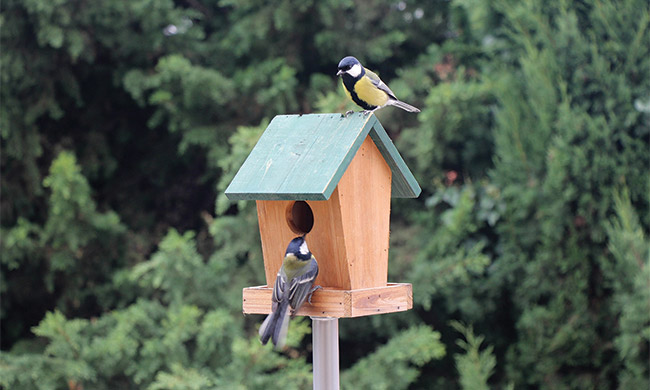
(Feature Impact) To add charm to your yard, encourage local wildlife and give you a front-row seat to nature, building a birdhouse is a simple weekend project that checks all of those boxes.
Building a Birdhouse
Seasoned DIYers and first-timers alike can follow this step-by-step guide to create a functional, welcoming birdhouse.
Step 1: Choose the Right Design
Start by deciding what type of birds you’d like to attract. Different birds prefer different house sizes and entrance types. A simple, classic birdhouse design makes the project beginner-friendly and works well for common backyard birds like wrens, chickadees and bluebirds. In general, plan for at least a 1-1 2/2-inch entrance hole, a 5-by-5-inch interior space and 2 inches or more of roof overhang.
Step 2: Gather Materials and Tools
Most DIY birdhouses can be built with basic materials and tools you may already have at home, including untreated cedar or pine wood, screws or nails, wood glue, sandpaper and exterior-safe paint as well as a measuring tape, pencil, saw and drill.
Step 3: Measure and Cut Wood
Measure and cut wood to make the front panel, back panel, two side panels, floor and roof. Then sand all edges for smooth assembly.
Step 4: Drill Holes
Using a hole-saw bit, drill the entrance hole into the front panel. Position it a few inches below the roofline to keep predators out. Next, drill 2-3 small drainage holes in the floor piece to prevent water buildup and help keep the birdhouse dry.
Step 5: Assemble the Birdhouse
Attach the side panels to the back panel using screws or nails. Add the front panel then secure the floor piece, slightly recessed, so rainwater can drain. Attach the roof last, making sure it slopes slightly to allow water to run off.
Step 6: Paint the Exterior
If you plan to paint your birdhouse, stick to neutral, nature-inspired colors. Light browns, soft greens or white help regulate temperature and blend into the environment.
Step 7: Mount Your Birdhouse
Once dry, place your birdhouse in a quiet, sheltered spot away from heavy foot traffic. Mount or hang it 5-10 feet off the ground, facing away from prevailing winds.
Visit eLivingtoday.com for more DIY project inspiration.
Photo courtesy of Shutterstock
SOURCE:

Our Lifestyle section on STM Daily News is a hub of inspiration and practical information, offering a range of articles that touch on various aspects of daily life. From tips on family finances to guides for maintaining health and wellness, we strive to empower our readers with knowledge and resources to enhance their lifestyles. Whether you’re seeking outdoor activity ideas, fashion trends, or travel recommendations, our lifestyle section has got you covered. Visit us today at https://stmdailynews.com/category/lifestyle/ and embark on a journey of discovery and self-improvement.
Discover more from Daily News
Subscribe to get the latest posts sent to your email.
Community
Arizona Scholarships 2026: $1,500 Awards + Free ACF Virtual Workshops
Arizona scholarships 2026: Arizona scholarships are open through ACF: one application for 160+ awards, plus ARAC’s $1,500 Ashby-Herring scholarships due April 6, 2026.

Last Updated on March 11, 2026 by Daily News Staff
Arizona Scholarships 2026: $1,500 Awards + Free ACF Virtual Workshops
Scholarship season moves fast, and for a lot of Arizona families, the hardest part isn’t writing the essay or gathering transcripts—it’s simply finding the right opportunities in time.
The Archer Ragsdale Arizona Chapter (ARAC), Tuskegee Airmen, Inc. is encouraging students and the community to take advantage of scholarship resources through the Arizona Community Foundation (ACF), including an easy online application that can match applicants with 160+ scholarships—plus virtual workshops where students can get help directly from ACF’s scholarship team.
Whether you’re a high school senior, a current college student, or an adult re-entry student, ACF’s scholarship portal is designed to meet people where they are.
The Big Picture: One Application, 160+ Scholarships
According to the flyer, ACF awarded $6.3 million in scholarships last year, with over 160 scholarships available through a single, easy application.
- Application opens: January 1
- Most deadlines: March and April
- Where to start: https://azfoundation.org/scholarships
- ACF scholarship email: scholarship@azfoundation.org
What to watch for: Even if a student is only targeting one scholarship, completing the ACF application can surface additional matches they didn’t know existed.
ARAC Tuskegee Airmen Scholarship: Ashby-Herring Scholarships ($1,500) — Deadline April 6, 2026
ARAC (Tuskegee Airmen, Inc.) awards two or more scholarships to deserving Arizona students who are college-bound. The flyer highlights the Ashby-Herring scholarships, named in honor of late founding ARAC members who were original Tuskegee Airmen.
Award: Two Ashby-Herring scholarships (each $1,500)
Deadline:April 6, 2026
Apply here:https://www.azfoundation.org/archer-ragsdale
Eligibility:
- Graduating high school senior from Arizona
- Attending a 2-year or 4-year college/university
- African-American
- 3.0 GPA or higher
- Demonstrated financial need
Free Virtual Workshops (Zoom): Get Help With Your Application
If you’ve ever watched a student stall out halfway through an application, these workshops are a smart fix: they’re designed so applicants can work on their scholarship application with support from ACF’s scholarship team.
Workshop dates (Zoom):
- February 12, 2026 — 4:00 to 5:00 p.m.
- March 5, 2026 — 4:00 to 5:00 p.m.
- March 26 — 4:00 to 5:00 p.m. (date listed on flyer; confirm year when registering)
Register here:https://acf.cventevents.com/acfscholarships2026
View the flyer here: https://stmdailynews.com/wp-content/uploads/2026/03/Deadline-updated-12.29.2025-Archer-Ragsdale-Flyer-FINAL.pdf
Download Flyer (PDF)
What to watch for: Register for the dates you can attend and come prepared with what you already have (basic info, activities list, questions). One hour of guided progress can save days of procrastination.
Why This Matters (and Why Sharing Helps)
The Tuskegee Airmen legacy is rooted in excellence, discipline, and breaking barriers—and scholarships tied to that legacy are meant to elevate futures for the next generation.
If you’re a parent, teacher, coach, mentor, or neighbor, consider this your nudge: forward the link, post it in a group chat, or share it with a student who might qualify. Deadlines hit quickly, and the easiest scholarship to win is often the one you actually apply for.
View the press release: https://stmdailynews.com/wp-content/uploads/2026/03/FOR-IMMEDIATE-RELEASE.pdf
Related Links:
- https://azfoundation.org/scholarships
- https://acf.cventevents.com/acfscholarships2026
- https://www.azfoundation.org/archer-ragsdale
College Life
College isn’t just classes and credits — it’s learning how to manage your time, money, health, and relationships while you build a future that actually fits. In our College Life coverage, STM Daily News shares practical, real-world guides for students and families: campus living tips, study and productivity habits, career prep, budgeting basics, mental wellness check-ins, and smart ways to make the most of college in Arizona and beyond.
Expect quick reads, useful takeaways, and “what to do next” advice — whether you’re a first-year student, a transfer, or heading back to school.
Discover more from Daily News
Subscribe to get the latest posts sent to your email.





