

Consumer Corner
6 Tips to Prepare Your Home for Winter Weather

Last Updated on November 7, 2025 by Daily News Staff
(Family Features) Winter weather, while often beautiful, can prove challenging for homeowners. Snow and ice accumulation can cause damage or disruption to many components of homes and properties, including heating systems and appliances, communication and access to and from property.
Utilizing a reliable, efficient and affordable energy source like propane can help power critical systems – home heating, cooktops, ovens, fireplaces, boilers and water heaters. Because propane is stored on-site, it’s resilient enough to withstand some of the dangers of winter weather, such as power outages that interrupt access to the electric grid. Available in a variety of capacities to fit the needs of any size home, propane-powered generators can provide supplemental power in as little as 10 seconds after an electrical grid failure, ensuring vital systems like home heating, cooking and smoke and fire detection systems are not interrupted when you need them the most.
Consider these tips from the experts at the Propane Education & Research Council to help prepare your family and home for winter weather and find more resources at Propane.com.
Get to Know Your Propane System
If you’re unfamiliar with your propane system, take a few minutes to review it. Identify core components, including the tank, regulators, meter, piping and supply valves, as well as any appliance vents. Locate the main gas supply valve in case you need to turn off the propane in the event of an emergency. Call a propane professional to inspect the system before restoring it.
Ensure an Adequate Supply of Propane
Establish a regular delivery schedule with your propane provider – particularly during the winter months – or call to schedule a delivery when the tank gauge reads 30% to give your provider enough time to make a delivery and ensure you have an adequate supply in your tank.
Mark Your Tank
Especially if your home’s propane tank is buried, be sure to mark its location with a brightly colored stake or flag taller than the maximum anticipated snow depth. This will help propane suppliers easily locate your tank, ensuring they can refill it during scheduled appointments.
Ready Your Furnace
If it’s time to upgrade your home’s climate control system, it’s a smart idea to do your homework and explore all options. Consider propane-powered furnaces, which last 50% longer than electric heat pumps for a lower lifetime investment. Propane furnaces also provide warmer air than other heat sources (115-125 F), are less impacted by outdoor temperatures and produce 50% fewer greenhouse gas emissions than electric furnaces and 12% less than fuel oil furnaces.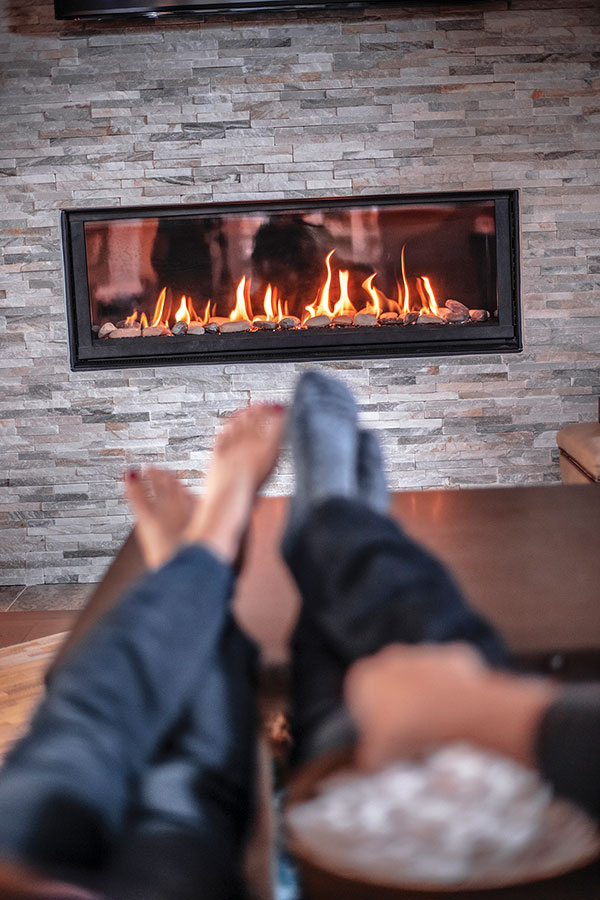
Take Advantage of Your Fireplace
The warm glow of a fire isn’t only comforting; it can be a practical and effective way to increase the heat inside your home. Not only do propane fireplaces offer 5-6 times the heating capacity of electric fireplaces, they’re also more energy efficient, environmentally friendly, convenient to use and easier to install than woodburning models. They also emit less soot and other emissions.
Install Gas and Carbon Monoxide Detectors
Installing UL-listed propane gas detectors and carbon monoxide detectors can provide you and your family with additional peace of mind. Be sure to follow the manufacturer’s instructions regarding installation, location and maintenance.
SOURCE:
Propane Education & Research Council


Last Updated on April 2, 2026 by Daily News Staff
(Feature Impact) Making changes to a bedroom doesn’t have to break the bank. Simple swaps, a little DIY and some inexpensive purchases can go a long way toward freshening up the place you lay your head.
Better Bedding
If you can’t remember the last time you bought a new comforter, it may be time to snag one. Think beyond the luxury home stores and check out discount home decor retailers and even thrift stores, where you can often find new, unopened bedding at a fraction of the cost. A fluffy throw blanket in a dynamic new color might be the perfect way to rejuvenate your bed.
Playful Pillows
Few things spruce up a bedroom more than new throw pillows. Available in a myriad of sizes and shapes – from squares to rectangles to asymmetrical – there is no shortage of ways to use these functional pieces to brighten up a space.
Uplifting Light
Old-fashioned lamps, ancient wall sconces and dusty chandeliers can make a room feel stale. Scouring consignment stores and estate sales for new lighting can take a bedroom from dated to delightful without spending a ton of cash. If big box stores are more your thing, you can find budget lamps in unexpected departments; for example, try the back-to-school sections for dorm-friendly finds like twinkle lights and small bedside lamps. These little pops of light can both brighten and cozy up a room with minimal effort.
Punchy Paint
Repainting a room is a doable DIY project, and it can make a huge difference in how a room looks andfeels. Give yourself time to peruse the countless paint swatches at specialty paint stores or home improvement stores. If you’ve always gravitated toward earthy tones, maybe opt for a color with a little more depth or saturation. If brighter hues are your thing, go a little darker. If you love the idea of painting but worry about buyer’s remorse, start with an accent wall.
Heavenly Hardware
Functional hardware like drawer pulls and doorknobs can be replaced without much effort or money. Secondhand stores, online marketplaces and even furniture boutiques can be a goldmine for offbeat and unique hardware. Be sure to think beyond your bedside, too. Wardrobe handles, closet rods, sconces, wall hooks and hinges can be swapped out easily and inexpensively.
Find more tips and guidance to give your bedroom a budget-friendly upgrade at eLivingtoday.com.
Photo courtesy of Shutterstock

SOURCE:
Welcome to the Consumer Corner section of STM Daily News, your ultimate destination for savvy shopping and informed decision-making! Dive into a treasure trove of insights and reviews covering everything from the hottest toys that spark joy in your little ones to the latest electronic gadgets that simplify your life. Explore our comprehensive guides on stylish home furnishings, discover smart tips for buying a home or enhancing your living space with creative improvement ideas, and get the lowdown on the best cars through our detailed auto reviews. Whether you’re making a major purchase or simply seeking inspiration, the Consumer Corner is here to empower you every step of the way—unlock the keys to becoming a smarter consumer today!
Automotive
Driving Habits May Cost More Than You Think: Data-Backed Driving Techniques to Reduce Fuel Costs and Vehicle Wear

Rising Fuel Costs
(Feature Impact) If you’re feeling pain at the pump, you’re not alone. However, it’s not just rising gas prices that can impact your wallet – it might be your own habits on the road that negatively impact fuel efficiency and add extra strain to your vehicle.
With gas prices fluctuating by more than $1 per gallon nationally in recent years, Mercury Insurance is highlighting how driver behavior can significantly influence fuel costs.
According to the U.S. Department of Energy, aggressive driving – rapid acceleration and hard braking – can reduce fuel economy by up to 40% in city driving and 30% on highways, increasing annual fuel expenses by hundreds of dollars.
For the average American driver, that inefficiency adds up quickly. AAA estimates that annual fuel costs can exceed $2,000 depending on vehicle type and region. A 30-40% reduction in fuel economy can translate into hundreds of dollars in additional fuel expenses each year – before factoring in the added wear on key vehicle components.
“Most drivers think of aggressive driving as a safety issue, but it’s also a cost issue,” said John Dicken, director, material damage claims at Mercury Insurance. “From a claims standpoint, we see how habits like hard braking and rapid acceleration accelerate wear on brakes, tires and suspension components. Smoother driving isn’t just more efficient – it helps reduce preventable damage over time.”

The Hidden Cost of Driving Aggressively
Fuel is only part of the equation.
- Brake replacement can range from $300-800 per axle, depending on the vehicle.
- A new set of tires can cost $600-1,200 or more.
- Poorly maintained or underinflated tires can lower gas mileage by roughly 0.2% for every 1 PSI drop in pressure, according to federal transportation data.
Over time, inconsistent maintenance and aggressive driving habits compound these costs.
“Driving behavior directly impacts how often certain parts need to be replaced,” Dicken said. “When drivers anticipate traffic, maintain steady speeds and keep up with routine maintenance, they reduce strain on their vehicle and potentially avoid unnecessary repair expenses.”
Practical Eco-Driving Tips That Make a Measurable Difference
Consider these strategies recommended by Mercury Insurance to improve efficiency and reduce vehicle wear:
Accelerate gradually: Avoid rapid starts and jackrabbit acceleration, which significantly reduce fuel economy.
Brake smoothly and anticipate stops: Looking ahead and easing into stops reduces stress on brake systems.
Maintain consistent speeds: Using cruise control on highways can help improve fuel efficiency.
Keep tires properly inflated: Check tire pressure monthly and before long trips. If you’re unsure what your vehicle’s tires should be inflated to, locate the sticker inside the driver’s side door jamb for the proper PSI inflation or refer to the owner’s manual.
Remove excess weight: Extra cargo and unused roof racks reduce efficiency and increase drag.
Efficiency, Safety and Sustainability
The Environmental Protection Agency reports that transportation accounts for roughly 28% of total U.S. greenhouse gas emissions. While vehicle technology continues to improve, individual driving behavior remains one of the most immediate ways drivers can reduce both fuel consumption and environmental impact.
“Small, consistent changes in how we drive can produce meaningful savings over time,” Dicken said. “It’s one of the simplest ways drivers can protect both their budget and their investment.”
For more information about efficient driving and other cost saving measures, visit MercuryInsurance.com/Resources.
Photos courtesy of Shutterstock


SOURCE:
Explore the latest in innovation, AI, gadgets, startups, and digital trends in STM Daily News’ Techsection.

Refresh Your Home: A Room-by-Room Spring Cleaning Checklist
(Feature Impact) After months of winter, spring cleaning isn’t just about dusting and vacuuming – it’s about inviting sunlight and fresh air into your space through the open windows and giving yourself a fresh start for the longer days ahead.
It’s also a perfect opportunity to clear out the old and make room for new experiences, memories and energy. Whether you’re tackling deep cleaning for the first time or you have seasonal rituals for tidying up your home, this room-by-room guide can help you plan and conquer seasonal chores.
Whole Home:
- Declutter spaces: Donate, recycle or discard what you don’t need
- Wash windows inside and out
- Dust baseboards, walls, vents and ceiling fans
- Wipe down doors, knobs and light switches
- Vacuum and clean under and behind furniture
- Clean curtains and blinds
- Store seasonal items like winter clothing and decor
- Replace air filters
- Shampoo carpet
Kitchen:
- Empty and wipe down refrigerator and freezer
- Clean oven, stovetop and microwave
- Scrub countertops and backsplashes
- Clean out the garbage disposal
- Sweep and mop floors
- Organize the pantry and throw away any expired items
Bathrooms:
- Scrub grout and tile
- Clean mirrors and glass surfaces
- Deep clean toilets
- Wipe down cabinets and bathroom fixtures
- Wash rugs, floor mats and the shower curtain and liner
- Empty trash and clean the bin
Bedrooms and Other Living Areas:
- Wash bedding, pillows and linens
- Organize closets and drawers
- Vacuum chair, couches and mattresses as well as under cushions
- Dust shelves and decor
- Clean light fixtures and lampshades
Outdoor Areas:
- Power wash patios, sidewalks and driveways
- Wipe down outdoor furniture and replace textiles like pillows, cushions and umbrellas
- Clear debris from garden beds
- Prune shrubs, plants and trees
- Organize garages and sheds
- Reconnect hoses and sprinklers
- Prep lawn equipment such as mowers, weed eaters and blowers
For more spring cleaning tips and tricks, visit eLivingtoday.com.
Photo courtesy of Shutterstock


SOURCE:
Welcome to the Consumer Corner section of STM Daily News, your ultimate destination for savvy shopping and informed decision-making! Dive into a treasure trove of insights and reviews covering everything from the hottest toys that spark joy in your little ones to the latest electronic gadgets that simplify your life. Explore our comprehensive guides on stylish home furnishings, discover smart tips for buying a home or enhancing your living space with creative improvement ideas, and get the lowdown on the best cars through our detailed auto reviews. Whether you’re making a major purchase or simply seeking inspiration, the Consumer Corner is here to empower you every step of the way—unlock the keys to becoming a smarter consumer today!





