

Women's Health
Black Women’s Health Imperative Applauds USPSTF Guidelines—but Warns More Needed
The Black Women’s Health Imperative supports new breast cancer screening at 40 but urges annual screening and equity for Black women’s health.

Last Updated on October 1, 2025 by Daily News Staff

Portrait Of Smiling Female Doctor Wearing White Coat With Stethoscope In Hospital Office
Black Women’s Health Imperative Applauds USPSTF Guidelines—but Warns More Needed
A Shift in Screening Policy
“Lowering the starting age to 40 is progress—but it doesn’t go far enough for Black women.” – BWHI Statement
Why Black Women Are Calling for More
Data Spotlight
Limitations of the New Guidelines
BWHI’s Next Steps
The Black Women’s Health Imperative is pushing for:
Annual screening for Black women and those at higher risk.
Expanded research inclusive of Black women, focusing on biology, environment, and social determinants.
Access equity: Ensuring insurance and care coverage for earlier and more frequent screening.
Community outreach: Educating women about risks, symptoms, and when to request screening—even before age 40 if family history suggests it.
Beyond Screening: Closing the Care Gap
Detection is only part of the story. Research shows Black women face delays in follow-up testing and treatment after an abnormal mammogram, plus systemic inequities in access to newer therapies.
BWHI stresses that improving screening access without treatment equity risks leaving the mortality gap unchanged.
📊 Suggested Graphic: “Screening to Survival Pathway” – Detection ➝ Diagnosis ➝ Treatment ➝ Survival, with gaps highlighted for Black women.
More is Needed
The new USPSTF guidelines are a step in the right direction—but for Black women, they don’t go far enough. Earlier and more frequent screening, combined with equitable access to treatment and stronger community education, is essential.
As BWHI notes, real progress will come only when screening policies reflect the lived realities of Black women and the healthcare system commits to closing the gaps in both research and care.
🔗 Learn more: Black Women’s Health Imperative – Breast Cancer Resources
The Bridge is a section of the STM Daily News Blog meant for diversity, offering real news stories about bona fide community efforts to perpetuate a greater good. The purpose of The Bridge is to connect the divides that separate us, fostering understanding and empathy among different groups. By highlighting positive initiatives and inspirational actions, The Bridge aims to create a sense of unity and shared purpose. This section brings to light stories of individuals and organizations working tirelessly to promote inclusivity, equality, and mutual respect. Through these narratives, readers are encouraged to appreciate the richness of diverse perspectives and to participate actively in building stronger, more cohesive communities.
https://stmdailynews.com/the-bridge


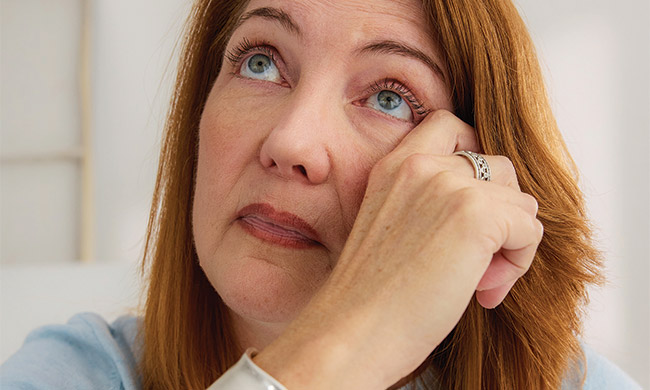
(Feature Impact) Dry eye is one of the most overlooked symptoms of perimenopause, the phase of fluctuating hormones leading up to a woman’s final period, and menopause, the point in a woman’s life when she’s gone a year without a period.
In fact, 79% of women1 recognize hot flashes as a symptom of menopause, but only 14% recognize dry eye as a menopause-related symptom, according to the 2026 Bausch + Lomb (Peri)Menopausal Survey. What’s more, 78% of women1 were surprised to learn that dry eye is a symptom of perimenopause or menopause.
“Dry eye is still widely overlooked as a symptom of menopause, and many women think it’s just a minor nuisance, but the truth is it can significantly affect your daily life,” said Neda Gioia, OD, CNS, IFMCP, FOWNS, founder, Integrative Vision. “Early symptoms are often misunderstood or self-treated but it’s very important for women who experience symptoms to see an eye doctor and get an accurate diagnosis and treatment.”
During perimenopause and menopause, declining hormone levels can impact tear production, tear quality and tear evaporation, contributing to dry eye symptoms including redness, fluctuating vision and a gritty or tired feeling in the eyes, all of which can impact day-to-day comfort and quality of life. If left untreated, dry eyes may worsen over time, potentially impacting eye health and vision. Among peri-, menopausal and post-menopausal women who experienced dry eye, 80% said the symptom came as a surprise.
Respondents reported their dry eye symptoms caused difficulty reading (58%), difficulty using screens (53%), difficulty driving (26%) and reduced productivity (17%), underscoring the often-overlooked impact dry eyes can have on everyday life.1
However, there are a variety of products and treatment approaches available to help manage dry eye symptoms. For example, Bausch + Lomb offers a range of options designed to address the main causes of dry eye.
A doctor-recommended, clinically proven once-daily soft gel supplement that targets the key root causes of dry eyes, Blink NutriTears supports healthy tear production and provides lasting, continuous relief.* § As part of a comprehensive approach to dry eye management, the supplement can be used with Blink Triple Care Preservative Free Lubricant Eye Drops, which are designed to directly address tear evaporation, one of the leading causes of dry eye, and provide instant and long-lasting symptom relief.
An eye care professional can help determine the approach that’s right for each individual. To learn more about dry eye and products to help combat it, visit JustBlink.com.*These statements have not been evaluated by the Food and Drug Administration. This product is not intended to diagnose, treat, cure or prevent any disease.
12026 Bausch & Lomb (Peri)Menopause Survey via Suzy, n=402; Women ages 30–80+ who are perimenopausal, menopausal, or post-menopausal
§Based on a clinical study
SOURCE:
Bausch + Lomn

Women's Health
From Pregnancy to Parenthood: How Medicaid Supports Women Across the Maternal Health Journey
When women are planning, expanding or raising families, access to healthcare is a vital source of physical and mental support. For millions of women and families across the U.S., Medicaid provides that support, enabling parents and children to access the reproductive, maternal and pediatric healthcare they need to thrive.

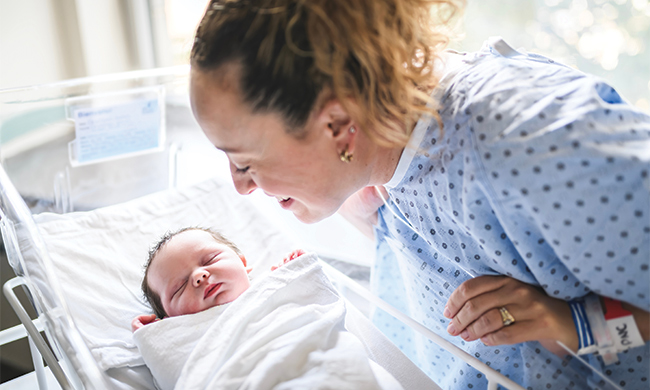
(Feature Impact) When women are planning, expanding or raising families, access to healthcare is a vital source of physical and mental support. For millions of women and families across the U.S., Medicaid provides that support, enabling parents and children to access the reproductive, maternal and pediatric healthcare they need to thrive. It’s there for anyone who needs it, from working adults to families navigating unemployment or disability.
To learn about how Medicaid supports growing families through every stage of the parenthood journey, consider this information from the maternal health experts at Community Catalyst.
Making Family Planning Possible
When people are able to plan and prepare to welcome children into the world, it can remove a lot of stress, uncertainty and complication from their journeys. Medicaid family-planning coverage may include reproductive health counseling, pre-pregnancy screenings, many forms of FDA-approved contraception and other preventive services. Comprehensive access to birth control allows women and couples to make their own decisions about pregnancy timing or spacing between siblings.
Supporting Healthy Pregnancies
Pregnancy is no small endeavor, and a woman with a healthcare team at her side is better prepared to face whatever challenges may arise. Pregnancy often requires frequent appointments for ultrasounds, laboratory testing and monitoring – all of which are made possible and affordable through Medicaid. Since 1 in 4 Medicaid recipients are women ages 15-49, this care can make a difference during their childbearing years.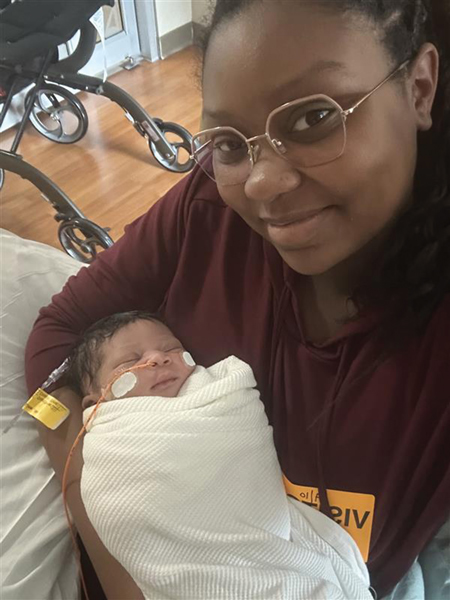
Covering Labor and Delivery Costs
Labor and birth can be unpredictable, but being able to afford them shouldn’t be. Without Medicaid, which finances approximately 41% of U.S. births, based on data from the National Center for Health Statistics, the cost of hospitalization and delivery could be financially devastating to young families. Coverage for labor, delivery and NICU care, if needed, gives parents the ability to focus on their new babies instead of overwhelming medical bills.
Providing Postpartum Care
The need for maternal healthcare doesn’t end when mother and child are discharged from the hospital. Physical recovery takes time, especially if there were any complications during the pregnancy or delivery. Beyond that, postpartum women may need mental health support, treatment for chronic conditions, contraception renewals and other health services that Medicaid can provide. Currently, 49 states plus Washington, D.C. have extended postpartum Medicaid coverage to 12 months, which helps new mothers get continuous care without worrying about insurance lapses.
Caring for Growing Kids
Nearly half of all Medicaid recipients in the U.S. are children ages 0-18 – and sometimes kids qualify for Medicaid even when their parents don’t. The program can help new parents stay up to date with well-child visits for infants, immunizations and ongoing preventive care throughout childhood.
To learn more about access to essential services at every stage of life, visit communitycatalyst.org/maternalhealth.
Filling Gaps in Pregnancy and Postpartum Care: Kayla and Tru’s Story
When Kayla found out she was pregnant at 24 years old, she had no idea how she was going to afford all the costs that were coming. Despite having part-time employment and primary insurance through her mother, she faced gaps in coverage for pregnancy care.
Qualifying for Medicaid changed everything. Not only did it cover Kayla’s prenatal visits, labs, ultrasounds and delivery, but once her son Tru was born, both mother and baby required an extended hospital stay. Medicaid made it possible for Tru to get the care he needed in the NICU while Kayla recovered from birth complications.
Afterward, the program continued to cover Kayla and Tru for follow-up appointments and well-child visits. She’s grateful it was there during her time of need and has one simple message to share: If you qualify for Medicaid, apply.
“You never know what’s going to happen,” she said. “I didn’t expect to be in the hospital as long. I didn’t expect for him to be where he was. But it was definitely needed and helpful.”
Photo courtesy of Shutterstock (mother leaning over hospital bassinet)

SOURCE:
💪 Your health journey starts here! Explore the latest health news, fitness tips, wellness trends, and healthy living advice. Share your thoughts in the comments and subscribe to the STM Daily News newsletter to stay informed and inspired every day.
Last Updated on July 17, 2026 by Daily News Staff
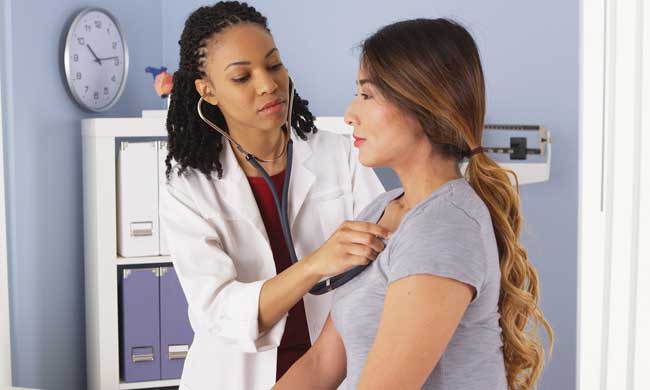
(Family Features) Most people think of heart attacks as debilitating pain in the chest. However, that’s not always the case, especially for women, and missing the signs can be a matter of life and death.
Although heart disease is the leading cause of death among American women, according to the American Heart Association, symptoms are often overlooked or explained away as less worrisome conditions.
“Men and women experience many aspects of life differently, and heart disease is no exception,” said LeAnne Bloedon, MS, RD, vice president of clinical development, Esperion Therapeutics. “Symptoms of a heart attack aren’t as obvious as many women think, and failing to recognize the danger and get help can have catastrophic results.”
One heart disease risk factor, for example, is high LDL cholesterol. Often referred to as a “silent killer,” it doesn’t always present noticeable symptoms. In fact, data suggests women with high LDL cholesterol are not diagnosed or treated as early or aggressively as men, which can put women at an increased risk for cardiovascular events. Understanding how men’s and women’s risk and symptoms differ may help identify and treat a serious heart health problem before it causes lasting damage.
Anatomy Differences
Some differences between men and women are present in the body’s internal systems, including the cardiovascular system. Women generally have smaller hearts and narrower blood vessels.
This can affect heart health in numerous ways, including less efficient stress responses and greater risk of widespread plaque buildup, especially in smaller vessels, called microvasculature, which can pose treatment challenges.
Cholesterol Buildup
Hormones influence aspects of the body’s function, including cholesterol levels. Estrogen, a female sex hormone, raises HDL (good) cholesterol levels. This may be why women tend to have more HDL cholesterol and lower LDL (bad) cholesterol than men, especially before they reach menopause, though inherited high cholesterol can affect women of all ages.
“It’s critical to raise awareness about the importance of measuring LDL cholesterol, diagnosing high cholesterol and treating elevated LDL cholesterol per guidelines and individual patient needs,” Bloedon said.
Risk Factors
While there are shared risk factors for heart disease among men and women (such as obesity, high blood pressure and diabetes), some risk factors disproportionately affect women. For example, uncontrolled cholesterol in women, particularly after menopause, can increase the risk of heart disease and stroke.
Care and Treatment
“While you may not be able to fully prevent heart disease, you can understand the risks and take proactive steps,” Bloedon said. “Commit to a healthy, smoke-free lifestyle. Exercise regularly and eat a well-balanced diet with limits on processed foods, sugar, sodium and alcohol. Take any medications as directed by your health care provider.”
Statins, which reduce the production of cholesterol in the liver and lower cholesterol levels in the bloodstream, are the medications most often prescribed to help manage high LDL cholesterol. While generally well-tolerated, statin intolerance (the inability to take a statin at any dose or the recommended dose) does occur in some patients and is more common in women.
Talk with your doctor about other steps you can take to manage elevated LDL cholesterol levels and learn more about women’s heart health at goredforwomen.org.
Symptoms of Heart Attacks in Women
Women’s experiences with heart disease may be quite different from men.
For example, according to the Heart Disease Foundation, women are likely to be older when they experience a heart attack. They may also attribute symptoms to other conditions, such as diabetes or arthritis.
Further complicating matters, several diseases mimic heart attacks so getting to the root of the problem can be tricky. Women are more apt than men to experience a coronary spasm, coronary dissection or broken heart syndrome.
What to Watch For:
- Like men, women experiencing a heart attack may notice prolonged or reoccurring chest pain or pressure.
- In women, that pain may extend to the arms, back, neck, jaw and stomach.
- Some women experience shortness of breath with no chest pain at all.
- Other symptoms women are more likely to report can be easily mistaken for other conditions. Some of these signs include unexplained fatigue, disruptions to normal sleep patterns, lightheadedness, nausea and cold sweats.
Photo courtesy of Shutterstock
SOURCE:
Dive into “The Knowledge,” where curiosity meets clarity. This playlist, in collaboration with STMDailyNews.com, is designed for viewers who value historical accuracy and insightful learning. Our short videos, ranging from 30 seconds to a minute and a half, make complex subjects easy to grasp in no time. Covering everything from historical events to contemporary processes and entertainment, “The Knowledge” bridges the past with the present. In a world where information is abundant yet often misused, our series aims to guide you through the noise, preserving vital knowledge and truths that shape our lives today. Perfect for curious minds eager to discover the ‘why’ and ‘how’ of everything around us. Subscribe and join in as we explore the facts that matter. https://stmdailynews.com/the-knowl





