

Health
Join the Fight Against ALS: Register and Make a Difference
Every year, doctors tell more than 5,000 Americans they have amyotrophic lateral sclerosis, better known as ALS. It is a life-changing diagnosis. In honor of ALS Awareness Month, learn more about the disease.

Last Updated on June 30, 2026 by Daily News Staff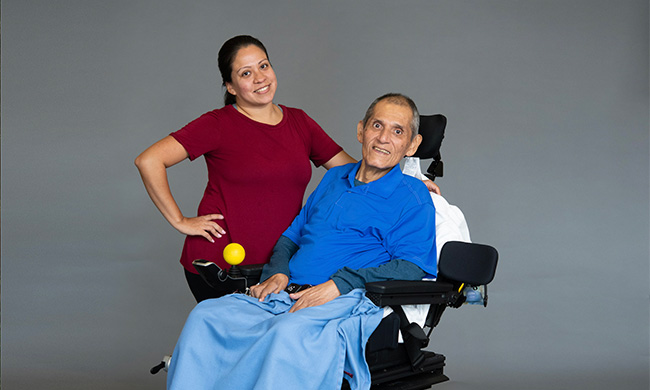
Join the Fight Against ALS: Register and Make a Difference
(Feature Impact) Every year, doctors tell more than 5,000 Americans they have amyotrophic lateral sclerosis, better known as ALS. It is a life-changing diagnosis.
Still, it’s hard to estimate the total number of ALS cases in the United States. No one knows what causes most cases of ALS, something the U.S. National ALS Registry is working to change.
In honor of ALS Awareness Month, learn more about the registry, how the information is used and how to enroll if you have ALS.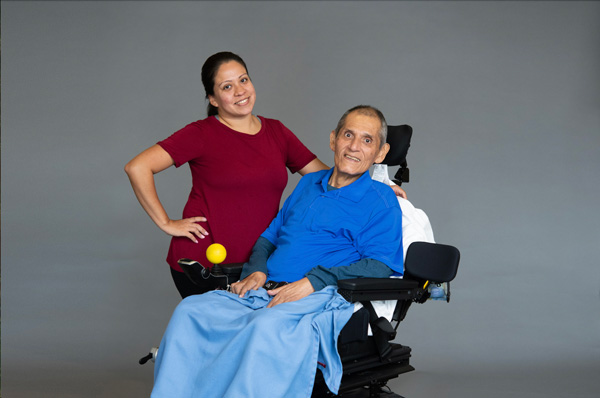
What is ALS?
ALS is a disease that affects the nerve cells that make muscles work in the body. This disease makes the nerve cells stop working and die. The nerves lose the ability to trigger specific muscles, which causes the muscles to become weak and leads to paralysis.
What is the registry?
“The National ALS Registry is a program of, by and for those living with ALS,” said Dr. Paul Mehta, principal investigator of the Registry. “The program collects, manages and analyzes data about people with ALS in the United States. It includes data and information provided by individuals who choose to register and complete the risk factor surveys.”
What is its purpose?
The main purpose is to gather information that can be used in the fight against ALS. The information is used to:
- Estimate the number of new cases of ALS diagnosed each year
- Estimate the number of people who have ALS at any given point in time
- Better understand who gets ALS and what factors affect the disease
- Enhance research that could improve care for people with ALS
How do researchers use the data?
Researchers can use the data to look for disease pattern changes over time and try to identify whether there are common risk factors among people with ALS. Since 2010, the registry has funded more than a dozen studies exploring potential ALS risk factors.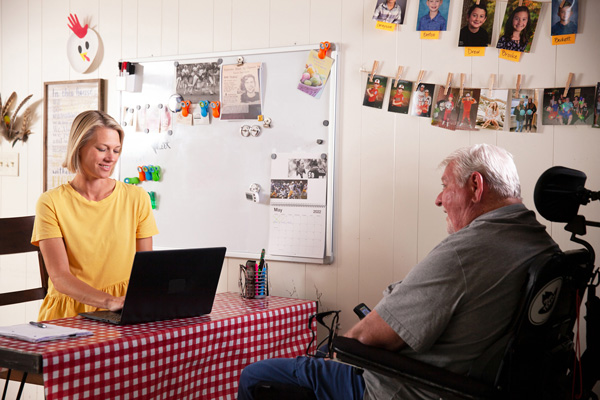
What does participation look like?
Individuals with ALS are encouraged to share their stories, enhancing ALS data and supporting research efforts. People living with ALS can help the National ALS Registry by completing up to 18 risk factor surveys, covering topics such as occupational history and environmental exposures, which help create a more complete picture of their ALS story.
How can someone join?
Anyone living with ALS can enroll. By joining and taking the risk factor surveys, individuals living with ALS can help future generations.
Get started at cdc.gov/als.


SOURCE:
Our Lifestyle section on STM Daily News is a hub of inspiration and practical information, offering a range of articles that touch on various aspects of daily life. From tips on family finances to guides for maintaining health and wellness, we strive to empower our readers with knowledge and resources to enhance their lifestyles. Whether you’re seeking outdoor activity ideas, fashion trends, or travel recommendations, our lifestyle section has got you covered. Visit us today at https://stmdailynews.com/category/lifestyle/ and embark on a journey of discovery and self-improvement.




Lifestyle
Social media before bedtime wreaks havoc on our sleep − a sleep researcher explains why screens alone aren’t the main culprit
Social Media Before Bedtime? A sleep researcher explains why late-night social media disrupts sleep less because of screens and blue light, and more because of emotional engagement—doomscrolling, social comparison, habitual checking and FOMO—that keeps the brain aroused and delays rest.


Brian N. Chin, Trinity College
“Avoid screens before bed” is one of the most common pieces of sleep advice. But what if the real problem isn’t screen time − it’s the way we use social media at night?
Sleep deprivation is one of the most widespread yet overlooked public health issues, especially among young adults and adolescents.
Despite needing eight to 10 hours of sleep, most adolescents fall short, while nearly two-thirds of young adults regularly get less than the recommended seven to nine hours.
Poor sleep isn’t just about feeling tired − it’s linked to worsened mental health, emotion regulation, memory, academic performance and even increased risk for chronic illness and early mortality.
At the same time, social media is nearly universal among young adults, with 84% using at least one platform daily. While research has long focused on screen time as the culprit for poor sleep, growing evidence suggests that how often people check social media − and how emotionally engaged they are − matters even more than how long they spend online.
As a social psychologist and sleep researcher, I study how social behaviors, including social media habits, affect sleep and well-being. Sleep isn’t just an individual behavior; it’s shaped by our social environments and relationships.
And one of the most common yet underestimated factors shaping modern sleep? How we engage with social media before bed.
Emotional investment in social media
Beyond simply measuring time spent on social media, researchers have started looking at how emotionally connected people feel to their social media use.
Some studies suggest that the way people emotionally engage with social media may have a greater impact on sleep quality than the total time they spend online.
In a 2024 study of 830 young adults, my colleagues and I examined how different types of social media engagement predicted sleep problems. We found that frequent social media visits and emotional investment were stronger predictors of poor sleep than total screen time. Additionally, presleep cognitive arousal and social comparison played a key role in linking social media engagement to sleep disruption, suggesting that social media’s effects on sleep extend beyond simple screen exposure.
I believe these findings suggest that cutting screen time alone may not be enough − reducing how often people check social media and how emotionally connected they feel to it may be more effective in promoting healthier sleep habits.
How social media disrupts sleep
If you’ve ever struggled to fall asleep after scrolling through social media, it’s not just the screen keeping you awake. While blue light can delay melatonin production, my team’s research and that of others suggests that the way people interact with social media may play an even bigger role in sleep disruption.
Here are some of the biggest ways social media interferes with your sleep:
- Presleep arousal: Doomscrolling and emotionally charged content on social media keeps your brain in a state of heightened alertness, making it harder to relax and fall asleep. Whether it’s political debates, distressing news or even exciting personal updates, emotionally stimulating content can trigger increased cognitive and physiological arousal that delays sleep onset.
- Social comparison: Viewing idealized social media posts before bed can lead to upward social comparison, increasing stress and making it harder to sleep. People tend to compare themselves to highly curated versions of others’ lives − vacations, fitness progress, career milestones − which can lead to feelings of inadequacy and anxiety that disrupt sleep.
- Habitual checking: Social media use after lights out is a strong predictor of poor sleep, as checking notifications and scrolling before bed can quickly become an automatic habit. Studies have shown that nighttime-specific social media use, especially after lights are out, is linked to shorter sleep duration, later bedtimes and lower sleep quality. This pattern reflects bedtime procrastination, where people delay sleep despite knowing it would be better for their health and well-being.
- Fear of missing out, or FOMO: The urge to stay connected also keeps many people scrolling long past their intended bedtime, making sleep feel secondary to staying updated. Research shows that higher FOMO levels are linked to more frequent nighttime social media use and poorer sleep quality. The anticipation of new messages, posts or updates can create a sense of social pressure to stay online and reinforce the habit of delaying sleep.
Taken together, these factors make social media more than just a passive distraction − it becomes an active barrier to restful sleep. In other words, that late-night scroll isn’t harmless − it’s quietly rewiring your sleep and well-being.
How to use social media without sleep disruption
You don’t need to quit social media, but restructuring how you engage with it at night could help. Research suggests that small behavioral changes to your bedtime routine can make a significant difference in sleep quality. I suggest trying these practical, evidence-backed strategies for improving your sleep:
- Give your brain time to wind down: Avoid emotionally charged content 30 to 60 minutes before bed to help your mind relax and prepare for sleep.
- Create separation between social media and sleep: Set your phone to “Do Not Disturb” or leave it outside the bedroom to avoid the temptation of late-night checking.
- Reduce mindless scrolling: If you catch yourself endlessly refreshing, take a small, mindful pause and ask yourself: “Do I actually want to be on this app right now?”
A brief moment of awareness can help break the habit loop.
Brian N. Chin, Assistant Professor of Psychology, Trinity College
This article is republished from The Conversation under a Creative Commons license. Read the original article.
📰 Enjoying STM Daily News? Join the conversation!
💬 Leave a comment, share your thoughts, and subscribe to our newsletter for the latest stories, updates, and “News You Can Use This Moment!” delivered to your inbox.
Stay connected with STM Daily News!

Lifestyle
Your Medicare Roadmap: What to Know Before You Turn 65
Sixty-five is more than a number. It’s a milestone. A moment to reflect on where you’ve been and look forward with confidence to what comes next. For millions of Americans, turning 65 also means unlocking one of the most valuable benefits you’ve earned: Medicare.
Last Updated on July 1, 2026 by Daily News Staff
(Feature Impact) Sixty-five is more than a number. It’s a milestone. A moment to reflect on where you’ve been and look forward with confidence to what comes next. For millions of Americans, turning 65 also means unlocking one of the most valuable benefits you’ve earned: Medicare.
The best is still ahead, and it starts with knowing your options. The official source for Medicare information, Medicare.gov, is here to help with clear, trusted information.
The path to Medicare is not the same for everyone. Some people get Medicare automatically and others have to sign up. It depends on whether you are already getting Social Security. Either way, you’ll want to choose how you get your Medicare coverage.
Get information for your path at Medicare.gov, where you can find out when and how to enroll and explore your coverage options.
Understanding Your Medicare Coverage Options
When you first sign up for Medicare, you choose how to get your coverage. There are two main options: Original MedicareandMedicare Advantage.
Original Medicare is health coverage provided directly by the federal government. It has two parts:
- Part A (Hospital Insurance) covers inpatient hospital stays, skilled nursing facility care, hospice care and home health care. Most people pay no premium for Part A.
- Part B (Medical Insurance) covers doctor visits, outpatient care, preventive services (like screenings, vaccines and annual wellness visits) and durable medical equipment like wheelchairs and walkers. The standard Part B premium is $202.90 per month and is typically deducted from your Social Security check.
With Original Medicare, you can visit any doctor or hospital in the U.S. that accepts Medicare. You can also add optional coverage to help manage costs:
- Medigap (Supplemental Insurance) helps pay your share of Medicare costs.
- Part D (Prescription Drug Coverage) helps pay for medications.
Medicare Advantage is an alternative to Original Medicare that provides Part A and Part B and is offered by private insurers approved by Medicare. You still pay the Part B premium. Some plans charge an additional premium – though many carry a $0 plan premium and may even help cover part of your Part B cost. Most plans include in Part D drug coverage along with extra benefits like dental, vision and hearing. Keep in mind most plans require you to use doctors within the plan’s network.
5 Steps to Enroll with Confidence

- Use official sources. Go to Medicare.gov or call 1-800-MEDICARE for step-by-step, personalized guidance on coverage and enrollment.
- Start early. You don’t have to wait until your birthday. Explore your options now so you’re ready when your enrollment window opens.
- Know your enrollment path. Your path depends on your circumstances – some people are automatically enrolled and some are not. There are unique steps for people who are still working.
- Avoid late enrollment penalties. Missing your enrollment window can result in a permanent premium penalty for both Part B and Part D. Signing up on time protects your wallet for years to come.
- Compare plans and save. At Medicare.gov, you can compare plan costs side-by-side, based on the specific drugs you take. A quick comparison could save you money each year. You can also confirm your current doctors are in-network before you choose a plan.
Turning 65 is a milestone worth celebrating and it’s the perfect time to focus on what matters most: your health and well-being. That includes eating well, exercising and making sure you have health insurance that fits your needs. There’s no one-size-fits-all plan. What’s important is finding an option that works for you and your health and financial needs.
Start your journey at Medicare.gov – your roadmap to a healthier and confident future.
Information provided by the U.S. Department of Health and Human Services
Photos courtesy of Shutterstock


SOURCE:
Centers for Medicare & Medicaid Services
Welcome to the Consumer Corner section of STM Daily News, your ultimate destination for savvy shopping and informed decision-making! Dive into a treasure trove of insights and reviews covering everything from the hottest toys that spark joy in your little ones to the latest electronic gadgets that simplify your life. Explore our comprehensive guides on stylish home furnishings, discover smart tips for buying a home or enhancing your living space with creative improvement ideas, and get the lowdown on the best cars through our detailed auto reviews. Whether you’re making a major purchase or simply seeking inspiration, the Consumer Corner is here to empower you every step of the way—unlock the keys to becoming a smarter consumer today!
Health
How Young Adults Can Build a Healthier Future
Bridging national service and public health, the initiative supports a diverse group of early career professionals working to address today’s public health challenges in a range of roles
Last Updated on June 29, 2026 by Daily News Staff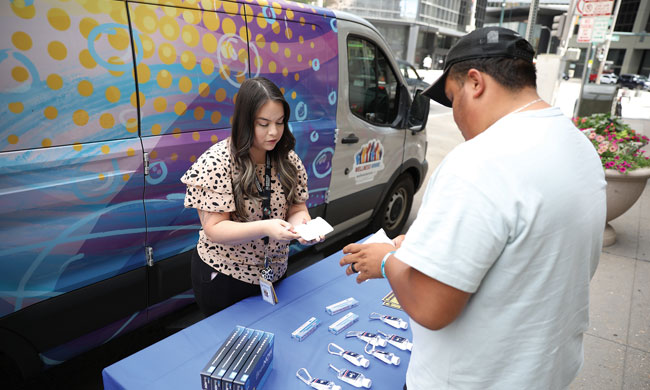
(Family Features) Shaping the future of public health into an equitable one means ensuring all people and communities have access to the health care and resources they need to live well. The nation requires a strong, diverse public health workforce to accomplish that goal.
That’s why AmeriCorps and the Centers for Disease Control and Prevention launched Public Health AmeriCorps – to support the recruitment, training and development of early career public health workers who can serve their local communities.
Bridging national service and public health, the initiative supports a diverse group of early career professionals working to address today’s public health challenges in a range of roles, including:
- Health education and training
- Community outreach and engagement
- System navigation, referrals and linkage to care
- Research, data collection, analysis and assessment
What Members are Saying
Everyone was impacted by the COVID-19 pandemic – including Dionne Johnson, who lost a loved one to the virus.
“I had a family member die from COVID-19, and it really touched me,” Johnson said. “That gave me the passion and lit the fire under me to actually pursue a career in public health.”
Now, Johnson is realizing her dreams of transforming public health in her community. In her work, she wants to teach people in Black and brown communities how they can learn to be healthy and advocate for themselves.
Another member, Jaiden Singh, is the son of immigrants. Singh launched a promising career in public health so he can give back to the community where he grew up.
“Being a part of the organization not only has really supplemented my education that I’m working toward in public health and policy, it has also given me the opportunity to do work that I am really passionate about in a community that I have known all my life and really do love,” Singh said. “I would highly recommend being a part of this really valuable and inspiring community.”
Action That Creates Impact
The diverse work of Public Health AmeriCorps benefits not only program members but also the communities they serve. As examples of the program at work, members have:
- Provided overdose rescue education, raised awareness about opioid use disorder and harm reduction strategies and distributed overdose rescue kits containing naloxone (an overdose-reversing nasal spray).
- Held back-to-school COVID-19 testing events, distributed early childhood health education and built community gardens in underserved communities.
- Participated in a community mental health crisis intervention system to assess, stabilize and link people in crisis to follow-up care and services.
- Supported elementary schools as part of a dental hygiene program that sends out staff and volunteers to provide free teeth cleanings to students.
Learn More and Apply
If you want to start your career and make a difference in public health, consider member benefits such as:
- Education awards to apply to higher education or student loan forgiveness
- Student loan deferment and forbearance
- Living allowance
- Hands-on experience
- Training from experts
Visit AmeriCorps.gov/PublicHealth for a list of opportunities to serve and contact your desired opportunity by phone or email to learn more and apply. You can also subscribe to the newsletter to learn more about the initiative.
SOURCE:
AmeriCorps






