

Lifestyle
AMERICAN GREETINGS JOINS THE AMERICAN CANCER SOCIETY IN ENCOURAGING LOVED ONES TO GET CANCER SCREENINGS
American Greetings and the American Cancer Society launch customizable digital greeting cards to promote cancer screenings, emphasizing early detection and personal connections in health discussions.

New digital greeting card collaboration launches to encourage friends and family to prioritize their health
CLEVELAND /PRNewswire/ — American Greetings and the American Cancer Society are collaborating on a collection of customizable digital greeting cards designed to encourage loved ones to seek out life-saving cancer screenings. The all-new Creatacard™ greetings feature a range of heartfelt messages in both English and Spanish and aim to promote the importance of early detection. Senders can add personal touches by customizing the designs with photos or video, a personalized message, digital envelope liner and stamp, and more.

“Having conversations with your loved ones about serious topics like cancer can be difficult, but discussions like this can save lives,” said Rob Matousek, Executive Director, Direct to Consumer Business at American Greetings. “We are proud to work with the American Cancer Society on this collection of digital greeting cards that give people a new, easy, and thoughtful way to encourage family and friends to seek cancer screenings. Together, we can make a difference.”
Cancer is the second most common cause of death in the US, and over 2 million new cancer cases are expected to be diagnosed in 2024. Regular screening can find cancer before symptoms appear and keep a person informed about the state of their health. To learn more about screening recommendations and resources, visit cancer.org/getscreened.
“Early detection is a key factor in changing cancer outcomes,” said Dr. Arif Kamal, chief patient officer at the American Cancer Society. “The American Cancer Society is working with multiple organizations to deliver that message and remove barriers to cancer screening. We appreciate American Greetings using its platform to help spread this message and we encourage everyone to use these cards to save lives.”
The new cards with the American Cancer Society add to American Greetings portfolio of digital greetings related to health and wellness topics, which include the recently released Creatacards™ with singer and songwriter Jelly Roll that focus on mental health, as well as offerings released with the Cleveland Clinic around the topics of heart health, Alzheimer’s disease, and cancer research.
Creatacard™ greetings are available on www.americangreetings.com, www.bluemountain.com, and on the Creatacard™ offerings, American Greetings and Blue Mountain ecard apps for iPhone and Android. They can be shared via email, text, or on social media. Users can sign up for a monthly, yearly, or two-year American Greetings account to have the ability to send an unlimited number of Creatacard™ greetings —as well as all American Greetings digital offerings—over the course of their membership period. Membership costs range from $6.99-$39.99, depending on the length of membership. For the latest news from Creatacard™ offerings, follow @americangreetingsdigital on Instagram and @americangreetingsdigital on Facebook.
ABOUT AMERICAN GREETINGS:
American Greetings is a global leader in the large and enduring Celebrations marketplace. The company helps people celebrate holidays, each other, and all of life’s special moments, in-person and online, guided by a mission to “make the world a more thoughtful and caring place every single day.” American Greetings offers products wherever and however people wish to purchase them – online, in-store, or curbside pickup. Celebrations happen throughout the year, driven by traditional holidays, key milestone moments such as weddings, baby showers and graduations, as well as recurring everyday events such as birthdays and anniversaries. The company’s brands include American Greetings, Papyrus, Carlton Cards, and Recycled Paper Greetings. Its digital business unit, AG Interactive, is a leading provider of digital greetings and premium Celebrations content through proprietary technology platforms and apps. Its popular digital brands include American Greetings, Blue Mountain, Jacquie Lawson, SmashUps™, and Creatacard™. For more information, visit corporate.americangreetings.com and follow us @AmericanGreetings on Facebook and @amgreetings on Instagram.
SOURCE American Greetings
Author

Discover more from Daily News
Subscribe to get the latest posts sent to your email.


home gardening
Grow Healthier Plants (and Use Less Water) by Improving Your Soil
Biochar enhances soil health by improving water retention and nutrient availability, supporting stronger plant growth. It offers a sustainable solution by sequestering carbon and can also be used for composting and livestock bedding.
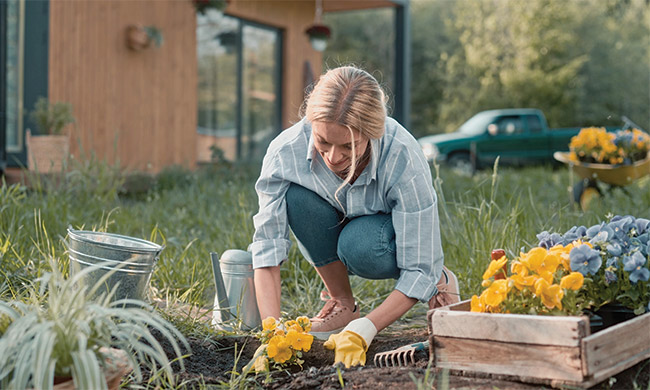
(Feature Impact) Almost every gardener knows the frustration: One corner of the garden bursts with life while another struggles to hang on. Flowers are slow to open, vegetables disappoint and the soil seems to drink up water and ask for more.
However, seasoned gardeners know the difference between a struggling garden and a thriving one almost always comes down to what’s beneath the surface.
Success Runs Soil Deep
The change in seasons can leave soil compacted and depleted, so spending some time giving it a boost can set the stage for strong, healthy plants. It may also be easier than many gardeners think to give soil the help it needs. Blending in amendments like biochar improves soil health, helps retain water and locks in nutrients.
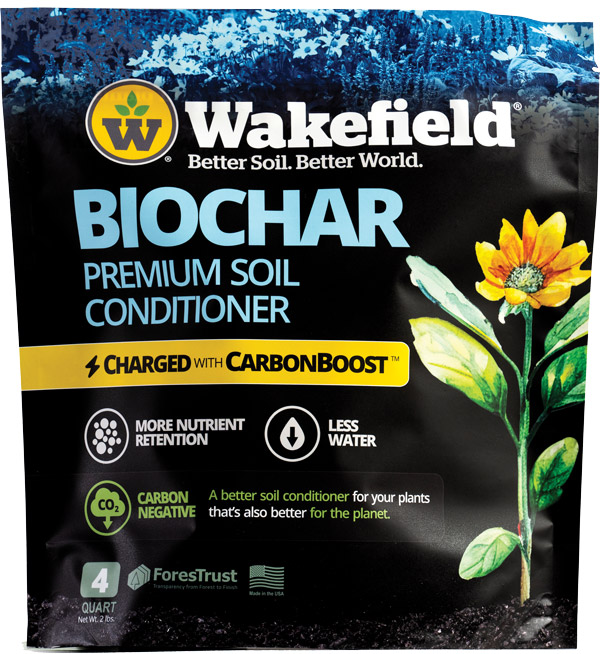
An easy-to-use yet powerful conditioner that helps balance soil pH, Wakefield BioChar boosts soil fertility and supports stronger, healthier plant growth. Once it’s mixed into soil, biochar becomes a powerhouse worker. It holds onto water like a sponge, slowly releasing and making the water accessible, so plants continually receive moisture and gardeners need to water less. It also makes nutrients more available to plants, resulting in healthier gardens and greener lawns.
 An Easy-to-Use Boost
When planting in the garden or pots, biochar should make up approximately 10% of the soil mix. If you’re setting up a garden bed, mix it into the soil to a depth of 4-6 inches (1 cubic foot is plenty for a 4-by-8-foot garden bed). For trees and shrubs, adding biochar directly to the roots helps them get off to a strong start and supports healthy growth.
It’s also a natural way to improve a lawn’s look and performance. To add biochar to your lawn to prepare for warm weather, spread it evenly across the grass, either by hand or with a broadcast spreader for larger areas. Aim for a thin, even layer to ensure all parts of your lawn benefit from its properties, improving long-term soil health. For newly planted lawns, mix 1 cubic foot of biochar into every 100 square feet of soil, making sure it penetrates 2-4 inches deep.
No matter where you use biochar, water regularly for the first week to activate its benefits. Watering helps biochar settle into the soil and start working, as its porous structure holds moisture, helping keep gardens and lawns hydrated.
Sustainable from the Ground Up
Not only does biochar deeply nourish your garden or lawn, it also helps create a more sustainable environment for years to come. It’s made by heating natural materials, such as organic wood waste, in a way that stores carbon rather than releasing it into the atmosphere as greenhouse gases.
The process – called pyrolysis – locks carbon into a stable form that doesn’t break down as quickly as mulch or compost and transforms into a light, porous material that stays active, season after season, to ensure nutrient-rich soil for years to come.
Beyond the Lawn
It isn’t just for providing plants with healthier soil. Bring biochar along on camping trips, as it also works wellfor composting toilets and has the added benefit of controlling odors and absorbing waste, making it a sustainable option that can be composted afterward.
It can also be used as livestock bedding as it absorbs liquids, neutralizes odors and can be mixed with manure to create a more nutrient-rich compost for plants and crops.
Learn more about planting healthy gardens and green spaces at WakefieldBiochar.com/grow.
Photo courtesy of Shutterstock (woman gardening)


SOURCE:
Wakefield BioChar
Discover more from Daily News
Subscribe to get the latest posts sent to your email.
home gardening
A Guide to Growing Thriving Plants Indoors
This guide provides essential tips for successfully growing indoor plants. Key points include selecting plants suited to light conditions, ensuring proper watering and soil quality, using adequate pots, and nurturing plants with appropriate fertilizers during their active growth season. Following these steps can create a thriving indoor garden.
Last Updated on March 28, 2026 by Daily News Staff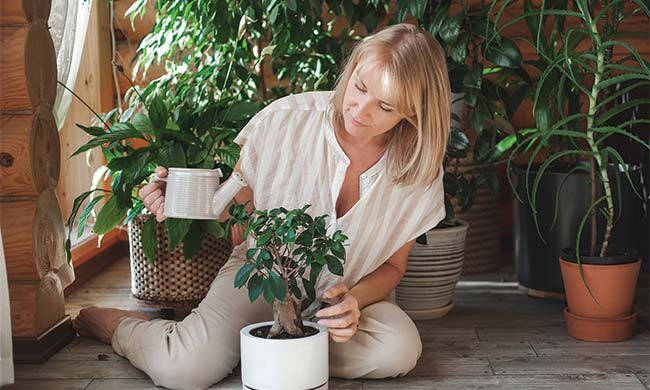
A Guide to Growing Thriving Plants Indoors
(Feature Impact) Lush greenery can add a sense of calm to many homes and bringing it indoors can help transform nearly any room into a relaxing oasis.
Whether you’re a seasoned plant parent or just beginning your indoor gardening journey, this guide can help you get started – and succeed in – growing healthy plants indoors.
Choose the Right Plants
Not all houseplants are created equal, and the first step toward a flourishing indoor garden is picking plants that align with your home’s conditions. If your home has several bright and sunny rooms, light-loving varieties will likely thrive. For shadier spots, look for low-light tolerant plants, which are often easier to care for and more forgiving.
Provide Adequate Light
Most houseplants prefer bright, indirect light – that soft glow when positioned just inside a window (and turned regularly for even light). However, some can tolerate lower light levels. If natural sunlight is limited where you live, consider grow lights that mimic the sun’s spectrum and help plants keep their color and strong growth without plenty of daylight.
Avoid Overwatering
Too much water can lead to root rot and is one of the most common mistakes even the most experienced gardeners make. Rather than watering on a strict schedule, check the soil first. If the top inch is dry, it’s usually time to give your plant a drink. Add warm or room-temperature water until you see moisture come out of the pot’s drainage holes then let the soil dry before watering again.
Consider the Soil, Pot and Growth Space
Use a high-quality potting mix designed for indoor plants along with pots featuring proper drainage. If you prefer decorative planters without holes, consider placing your plant in a smaller pot inside the decorative one to ensure proper drainage. As plants grow, they may need repotted to give their roots room to spread and continue healthy growth.
Nourish During the Growing Season
Plants use more nutrients in spring and summer, so feed them with a balanced, diluted fertilizer every 4-6 weeks during active months. In fall and winter, most indoor plants grow more slowly and need less feeding. Also remember to regularly prune dead or yellowing leaves to help plants focus on new growth.
Find more tips and guidance to help your indoor plants thrive at eLivingtoday.com.
Photo courtesy of Shutterstock
https://erp.featureimpact.com/api/v1/tracking/17789/10231/track.js (function () {
var image = new Image(1, 1);
image.src = ‘https://erp.featureimpact.com/api/v1/tracking/17789/10231/track.gif?referrer=’ + window.location.href;
image.id = ‘feature-impact-content-tracking-pixel’;
image.style.position = ‘absolute’;
image.style.top = 0;
image.style.left = 0;
document.body.appendChild(image);
})();
SOURCE:
Discover more from Daily News
Subscribe to get the latest posts sent to your email.

Last Updated on March 27, 2026 by Daily News Staff
4 Simple Ways to Keep Allergy Season at Bay
(Family Features) With warmer outdoor temperatures, many homeowners suffer through longer allergy seasons. In fact, allergy days have increased by 20 days, according to a study conducted by the National Academy of Sciences.
Being aware of air quality indexes and limiting time outdoors can lessen exposure to airborne pollutants, but indoor air quality is also a concern. In a report from the U.S. Environmental Protection Agency, levels of indoor pollutants can be 2-5 times higher than outdoor air.
People spend nearly two-thirds of their lives at home, according to Carrier, which developed its Healthy Homes Program to help homeowners create indoor environments that optimize health and wellness. Consider these ways you can combat pollutants where it matters most: your home’s indoor air quality.
Reduce Indoor Pollutants
Your home has multiple sources of indoor air pollutants. While avoiding these pollutants altogether is often the best solution, it’s not always possible. However, there are a few ways you can reduce exposure in your home: ban indoor smoking; turn on exhaust fans when cooking; minimize or remove “soft” pollutant gathering surfaces such as decorative pillows, stuffed animals and decorative throws; and regularly clean all heating and air conditioner filters as required or according to manufacturer specifications.
Add Air Purifiers to Your HVAC Unit
While air purifiers don’t treat allergies, they can help filter out allergens that can cause allergy symptoms. Homeowners might consider purifiers that are highly effective at capturing particulate. For example, the Carrier Infinity air purifier is a whole-home heating and cooling system. It not only captures 95% of particles in micron size range 1.0-3.0, but also inactivates 99% of select airborne germs and viruses that flow through the HVAC system and become trapped in the MERV 15 filter. The purifier has also demonstrated effectiveness against the murine coronavirus – similar to the human novel coronavirus (SARS-CoV-2) that causes COVID-19 – based on third-party testing, as well as the type of viruses that cause the common cold, streptococcus pyogenes and influenza.
Control Humidity
Many people know high humidity can cause discomfort in hot temperatures, but there are other potentially negative impacts. According to the Centers for Disease Control and Prevention, dust mites thrive in 70-80% humidity and temperatures between 75-85 F. Additionally, high humidity can provide an environment conducive to mold growth, which is why maintaining relative indoor humidity between 40-60% is recommended to keep dust mites and mold at bay. To help control humidity, run the air conditioner when it’s hot and humid and consider using whole-home humidifiers and dehumidifiers that allow for specific settings for moisture control.
Consider Room Air Purifiers for Individual Spaces
Room air purifiers are portable and highly efficient solutions for smaller spaces such as nurseries, bedrooms, home gyms and added rooms. One example is the Carrier Smart Room Air Purifier with a built-in indoor air quality monitor that includes three levels of filtration, including an activated carbon filter to capture odors. The attached, color-coded air quality monitor measures and displays pollutant levels so homeowners can be informed and aware of the quality of their indoor air, giving them the ability to maintain next-level comfort while breathing cleaner air.
Creating your ideal home environment is more than just controlling the temperature. Your home’s air should be filtered and pollutants limited to minimize allergy triggers and promote good indoor air quality.
To learn more and get an estimate on a solution that’s right for you, visit carrier.com/residential.
SOURCE:
Carrier
https://stmdailynews.com/category/lifestyle/
Author

Discover more from Daily News
Subscribe to get the latest posts sent to your email.





