

News
Apollo Astronaut Walter Cunningham Dies at 90

Last Updated on January 4, 2023 by Daily News Staff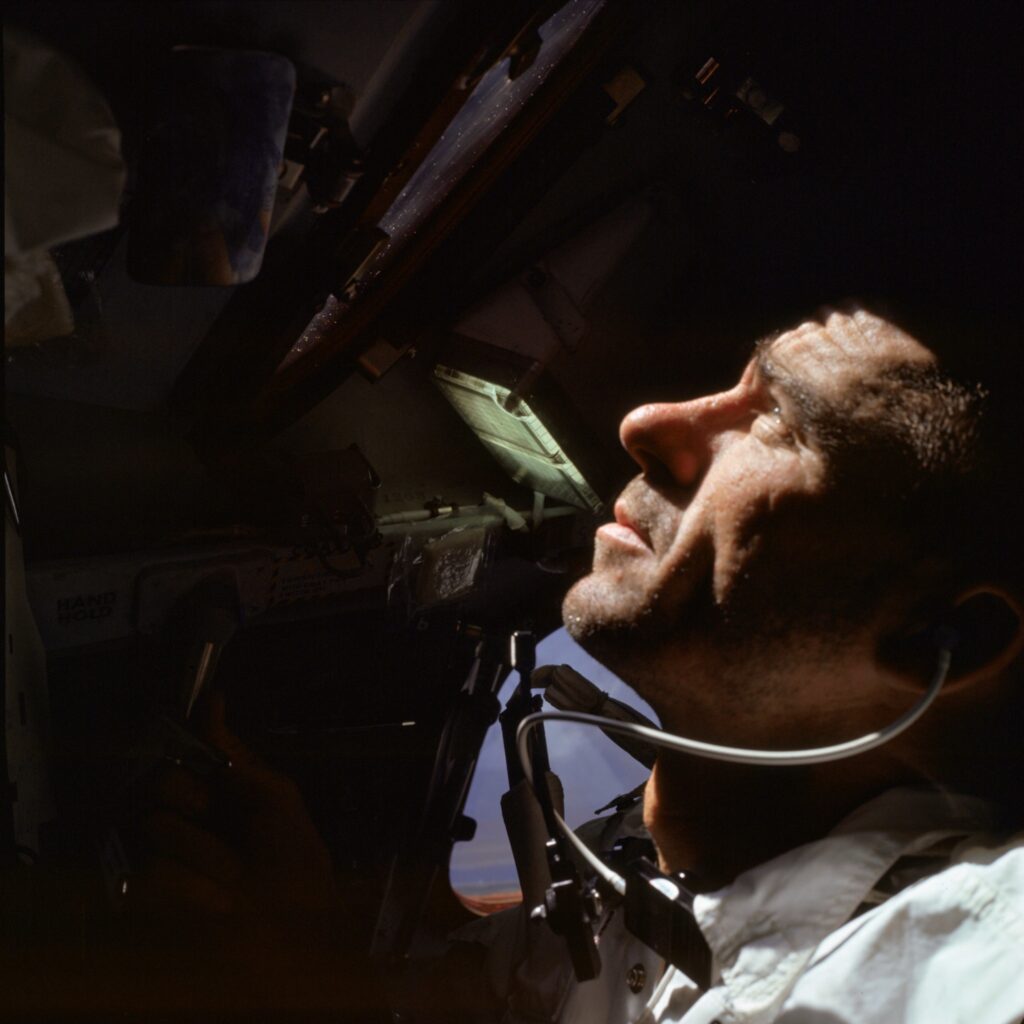
Credits: NASA
Former astronaut Walter Cunningham, who flew into space on Apollo 7, the first flight with crew in NASA’s Apollo Program, died early Tuesday morning in Houston. He was 90 years old.
“Walt Cunningham was a fighter pilot, physicist, and an entrepreneur – but, above all, he was an explorer. On Apollo 7, the first launch of a crewed Apollo mission, Walt and his crewmates made history, paving the way for the Artemis Generation we see today,” said NASA Administrator Bill Nelson. “NASA will always remember his contributions to our nation’s space program and sends our condolences to the Cunningham family.”
Cunningham was born March 16, 1932, in Creston, Iowa. He graduated from Venice High School, in Venice, California, before going on to receive a Bachelor of Arts with honors in physics in 1960 and a Master of Arts with distinction in physics in 1961 from the University of California at Los Angeles. He then completed a doctorate in physics with exception of thesis at the Advanced Management Program in the Harvard Graduate School of Business in 1974.
The Cunningham family offered the following statement: “We would like to express our immense pride in the life that he lived, and our deep gratitude for the man that he was – a patriot, an explorer, pilot, astronaut, husband, brother, and father. The world has lost another true hero, and we will miss him dearly.”
He joined the Navy in 1951 and served on active duty with the U.S. Marine Corps, retiring with the rank of colonel. He flew 54 missions as a night fighter pilot in Korea. He worked as a scientist for the Rand Corporation for three years. While with Rand, he worked on classified defense studies and problems related to the Earth’s magnetosphere. Cunningham has accumulated more than 4,500 hours of flying time in 40 different aircraft, including more than 3,400 in jet aircraft.
Cunningham was selected as an astronaut in 1963 as part of NASA’s third astronaut class.
“On behalf of NASA’s Johnson Space Center, we are beholden to Walt’s service to our nation and dedication to the advancement of human space exploration,” said Vanessa Wyche, center director. “Walt’s accomplished legacy will continue to serve as an inspiration to us all.”
Prior to his assignment to the Apollo 7 crew, Cunningham was on the prime crew for Apollo 2 until it was cancelled and the backup lunar module pilot for Apollo 1.
On Oct. 11, 1968, Cunningham piloted the 11-day flight of Apollo 7, the first human flight test of the Apollo spacecraft. With Walter M. Schirra, Jr. and Donn F. Eisele, he tested maneuvers necessary for docking and lunar orbit rendezvous using the third stage of their Saturn IB launch vehicle. The crew successfully completed eight tests, igniting the service module engine, measuring the accuracy of performance of all spacecraft systems, and providing the first live television transmission of onboard crew activities. The 263-hour, 4.5-million-mile flight splashed down Oct. 22, 1968, in the Atlantic Ocean.
Cunningham’s last assignment at NASA Johnson was chief of the Skylab branch of the Flight Crew Directorate. In this capacity, he was responsible for the operational inputs for five major pieces of manned space hardware, two different launch vehicles and 56 major experiments that comprised the Skylab Program.
Cunningham retired from NASA in 1971 and would go on to lead multiple technical and financial organizations. He served in senior leadership roles with Century Development Corp., Hydrotech Development Company, and 3D International. Cunningham also was a longtime investor and entrepreneur, organizing small businesses and private investment firms. He also was a frequent keynote speaker and radio talk show host.
His numerous awards include the NASA Exceptional Service Medal and NASA Distinguished Service Medal. For his service he was inducted into the Astronaut Hall of Fame, International Space Hall of Fame, Iowa Aviation Hall of Fame, San Diego Air and Space Museum Hall of Fame, and Houston Hall of Fame. Cunningham and the Apollo 7 crew also earned an Emmy in the form of the National Academy of Television Arts and Sciences Special Trustee Award.
Source: NASA


Food and Beverage
Philly-Style Chicken Cheesesteak Sandwiches: An Easy, Cheesy Dinner
Bring sandwich night home with these Philly-style chicken cheesesteaks. Thinly sliced chicken, sautéed onions and peppers, and melted cheese fill toasted hoagie rolls for a satisfying meal in about 35 minutes.

Food & Drink
Easy Philly Chicken Cheesesteak Recipe
Tender chicken, golden onions, sautéed peppers, and melted cheese tucked into a toasted hoagie roll—this Philly-style chicken cheesesteak brings plenty of comfort to the dinner table without a complicated ingredient list.
Inspired by the beef cheesesteak, this chicken version makes a satisfying lunch, a casual weekend meal, or an easy dinner when you want something warm and filling. The trick is to slice the chicken thin, give it room to brown, and melt the cheese right over the filling before scooping everything into the rolls.
This home-style recipe includes bell peppers, with mushrooms as an optional addition. Make it your own with creamy white American cheese, mild provolone, or a slice of each.
Recipe at a Glance
● Servings: 4 sandwiches
● Prep time: Approximately 15 minutes
● Cook time: Approximately 20 minutes
● Total time: Approximately 35 minutes
● Equipment: Large skillet with a lid, cutting board, sharp knife, and a separate skillet or oven for toasting rolls
Ingredients
For the filling
● 1½ pounds boneless, skinless chicken breasts or thighs, very thinly sliced across the grain
● 1 medium yellow onion, thinly sliced
● 1 large green bell pepper, seeded and thinly sliced
● 2 tablespoons olive oil or neutral cooking oil, divided
● 1 teaspoon garlic powder
● ½ teaspoon paprika
● ½ teaspoon salt, or to taste
● ½ teaspoon freshly ground black pepper
● 8 slices provolone or white American cheese, or a combination
For the sandwiches
● 4 hoagie rolls
● 2 tablespoons softened butter
● Mayonnaise, optional
● Hot sauce or sliced pickled peppers, optional
Optional addition: 8 ounces sliced mushrooms. Cook them with the vegetables, working in batches if needed so they brown instead of steam.
How to Make Philly-Style Chicken Cheesesteaks
1. Slice and season the chicken
Slice the chicken as thinly as you comfortably can, cutting across the grain. Toss with the garlic powder, paprika, salt, and black pepper.
Kitchen tip: If the chicken is difficult to slice, place it in the freezer for 15–20 minutes to firm it slightly first. This optional chilling time is additional to the recipe’s listed prep time.
2. Sauté the onions and peppers
Heat 1 tablespoon of oil in a large skillet over medium-high heat. Add the onion and bell pepper. Cook for approximately 6–8 minutes, stirring occasionally, until softened and lightly browned.
Transfer the vegetables to a plate.
3. Cook the chicken
Add the remaining tablespoon of oil to the skillet. Add the chicken in an even layer, cooking in batches if necessary.
Cook for approximately 5–7 minutes, turning and separating the pieces as they cook. Timing will vary with the thickness of the chicken and the heat of your pan. Cook until the chicken reaches 165°F, checking the thickest pieces with a food thermometer.
Use a spatula to break the cooked chicken into smaller, sandwich-friendly pieces.
4. Toast the rolls
While the chicken cooks, split the hoagie rolls without cutting all the way through. Spread the cut sides with softened butter.
Toast them butter-side down in a separate skillet over medium heat until lightly golden. Alternatively, toast them cut-side up under the broiler, watching closely.
5. Combine the filling and melt the cheese
Return the cooked vegetables to the skillet with the chicken and toss together. Reduce the heat to low.
Arrange the filling into four portions and place two slices of cheese over each portion. Cover the skillet briefly, just until the cheese melts. If your skillet is too small, melt the cheese over two portions at a time.
6. Fill and serve
Spread a little mayonnaise inside the rolls if desired. Scoop a portion of cheesy chicken and vegetables into each roll.
Finish with hot sauce or pickled peppers if you like a little heat, and serve immediately.
Tips for a Better Sandwich
Keep the chicken thin. Thin slices cook quickly and make the sandwich easier to bite into.
Give the pan some space. Crowding traps moisture. Cooking in batches helps the chicken develop a browned surface.
Choose a sturdy roll. A roll with a soft interior and enough structure to hold the filling works well. Light toasting helps it stand up to the juices.
Pick your cheese. White American gives the filling a creamy texture. Provolone adds a mild, slightly tangy flavor. Combining them gives you a little of both.
Adjust the vegetables. Try red bell pepper for a sweeter filling, add mushrooms, or keep it simple with onions and cheese.
What to Serve With Chicken Cheesesteaks
French fries, potato wedges, coleslaw, or a crisp green salad all make easy sides. For a simple lunch, add a dill pickle and a handful of potato chips.
Can You Make the Filling Ahead?
Yes. Cook the chicken and vegetables ahead, then keep the filling separate from the rolls. Reheat it until hot throughout before adding cheese and assembling the sandwiches. Toast the rolls just before serving for the best texture.
A Comfort-Food Favorite for Your Dinner Rotation
These Philly-style chicken cheesesteaks turn a handful of everyday ingredients into a hearty meal. With tender chicken, sautéed vegetables, and cheese melted into every serving, they’re an easy option for sandwich night.
What goes on your chicken cheesesteak—provolone, white American, mushrooms, or extra peppers? Tell us in the comments.
Find more recipes and meal inspiration in the STM Daily News Food & Drink section.
Related reading from STM Daily News
- Easy Homemade Chicken Alfredo Recipe Another comforting chicken dinner to try.
- Fried Chicken from the Comfort of Home More inspiration for homemade chicken meals.
- How to Make Country Style Lemonade A refreshing drink to serve with your sandwiches.
- STM Daily News Food & Drink Explore more recipes, food news, and meal ideas.
Helpful cooking reference
Safe Minimum Internal Temperatures — FoodSafety.gov Supports the recipe’s instruction to cook chicken to 165°F.
- Philadelphia Cheesesteaks — Visit Philadelphia — Explore Philadelphia’s signature sandwich and cheesesteak culture. Visit Philadelphia
- A Guide to the Best Cheesesteaks in Philadelphia — Includes shops serving traditional and chicken variations. Visit Philadelphia
- Chicken From Farm to Table — USDA — Guidance on handling, thawing, cooking, and storing chicken. Food Safety and Inspection Service
- Leftovers and Food Safety — USDA — Helpful storage and reheating guidance for leftover sandwich filling. Food Safety and Inspection Service

Daily News
Major Construction Begins on Metro’s East San Fernando Valley Light Rail Line
LA Metro has moved the East San Fernando Valley Light Rail Transit Project into major construction. The 6.7-mile Van Nuys Boulevard line will add 11 stations, connect with the G Line and regional rail services, and is now targeted for completion in early 2032.
After years of utility relocation and planning, LA Metro is moving into major construction on a new rail line along Van Nuys Boulevard. The milestone also comes with a revised early-2032 completion target.
LA Metro has officially marked the beginning of major construction on the East San Fernando Valley Light Rail Transit Project, moving one of the region’s most important rail projects from preparatory work into full-scale construction.
Metro held a groundbreaking ceremony on October 19, 2026, for the 6.7-mile line, which will run along Van Nuys Boulevard from the G Line busway north to San Fernando Road in Pacoima. The project will add 11 light-rail stations serving Van Nuys, Panorama City, Arleta and Pacoima.
This was not the project’s first groundbreaking. Metro held an earlier ceremony in December 2022 when crews began relocating utility infrastructure. The new milestone is more consequential for riders: the major-construction phase covers the guideway, stations, traction-power substations, rail systems and a maintenance and storage facility.
From utility work to a new rail corridor
The project has spent several years in utility relocation, property acquisition, design and other early work. Metro’s current construction timeline shows major work continuing from 2026 through 2032, with phased traffic changes and K-rail installations expected along Van Nuys Boulevard.
When completed, trains are expected to operate every seven to 10 minutes during peak periods. The line will connect directly with the G Line and provide access to the Van Nuys Metrolink and Amtrak station. It is also expected to become an important transfer point for the future Sepulveda Transit Corridor and a planned Metrolink station in Pacoima.
The corridor already has a substantial transit market. Metro reported that bus Lines 233 and 761, which serve Van Nuys Boulevard, recorded nearly 20,000 boardings in September 2026. The agency also says approximately 19 percent of households in the project area lack access to a car, compared with about 8 percent countywide.
Those figures help explain why this project matters beyond its construction footprint. It is intended to give residents in some of the Valley’s most transit-dependent communities more reliable access to jobs, schools, healthcare and the wider regional transit network.
The opening target has moved to 2032
Metro’s current project page lists an estimated completion date of early 2032. That is later than the 2031 opening forecast the agency publicized when it celebrated an $893-million federal grant in September 2024. Earlier plans were more optimistic still: when utility work began in 2022, Metro said the first segment could open between 2028 and 2030.
The project’s financial scale has also grown clearer. In May 2026, the Metro Board established a life-of-project budget of approximately $3.999 billion and authorized the next phase of its progressive design-build contract with San Fernando Transit Constructors, a joint venture of Skanska and Stacy and Witbeck.
That authorization increased the construction contract’s value to roughly $2.431 billion. Funding for the larger project combines federal, state and local sources, including revenue from Los Angeles County’s Measure M transportation sales tax.
Rail returns to Van Nuys Boulevard
The East San Fernando Valley line will restore passenger rail to Van Nuys Boulevard for the first time since Pacific Electric ended streetcar service there in 1952. It will also become the first major new Metro rail project in the San Fernando Valley since the subway reached North Hollywood in 2000.
The historical parallel is significant. Van Nuys Boulevard once developed around electric railway service before the region shifted heavily toward automobiles and buses. Metro is now rebuilding rail in the same broad corridor, but as part of a modern network designed to connect local riders with bus rapid transit, regional rail and future high-capacity projects.
The current project ends in Pacoima. Metro continues to study a separate 2.5-mile northern extension that would reach the Sylmar/San Fernando Metrolink station. That extension is not included in the segment now entering major construction.
For riders, the October groundbreaking does not mean trains are imminent. Several years of disruptive and technically complex work remain, and the schedule has already moved beyond earlier forecasts. Still, it represents a tangible transition: the East San Fernando Valley line is no longer primarily a planning exercise or utility-relocation program. Metro has begun building the infrastructure that will carry trains.
That makes this a major step in Los Angeles County’s long effort to restore frequent rail transit to communities that lost it generations ago—and another chapter in The Long Track Back.
Primary sources
- LA Metro: Major construction will soon be underway
- LA Metro project page: East San Fernando Valley Light Rail Transit
- LA Metro Board meeting, May 28, 2026 — project budget and contract authorization
- LA Metro: $893 million federal grant announcement, September 6, 2024
- LA Metro: Advanced utility-work groundbreaking, December 2, 2022
This article is part of The Long Track Back, STM Daily News’ continuing coverage of how Los Angeles is rebuilding and expanding a passenger-rail network after decades of automobile-centered grow
For generations, the Santa Monica Pier sign has marked the start of a day at the beach. Now, the familiar blue neon landmark is preparing for a journey of its own.
Santa Monica scheduled removal of the 1941 sign for October 20–22, with shipment to Las Vegas anticipated October 26. The timetable is subject to change, according to the city’s October 19 announcement.
The temporary removal accompanies replacement of the aging bridge connecting Ocean Avenue to the pier. It also creates an opportunity to preserve the historic sign.
YESCO will restore it at its Las Vegas facility. The company’s experience includes work on the “Welcome to Fabulous Las Vegas” sign.
Crews will repair neon tubing, treat rust, repaint components and address structural needs while retaining historic features. The sign will remain in secure storage during bridge construction.
Once the project is finished, it will return above the new bridge at a slightly greater height for visibility and vehicle clearance. The city’s latest announcement targets project completion by 2028, ahead of the Los Angeles Olympics and Paralympics.
Meanwhile, visitors can photograph a lighted, half-scale replica near Pier Burger.
For anyone who associates that glowing arch with Southern California memories, its absence will be noticeable. The restoration is intended to ensure future generations can make memories beneath it, too.
Source: City of Santa Monica — October 19, 2026 announcement
Related Links
- City of Santa Monica: Official sign restoration announcement — October 19, 2026. Primary source for removal dates, shipment to Las Vegas, YESCO’s restoration work and the sign’s planned return.
- Santa Monica Daily Press: Sign restoration during bridge rebuild — October 20, 2026. Additional local reporting on the project and visitor access.
- LAist: Sign removal and how to watch — Reporting on the removal schedule and public viewing opportunities.
Follow more Southern California stories at STM Daily News.




