Each state in the U.S. has its own child abuse laws, and all states, tribes and territories aim to protect children from abuse. But all state laws also allow parents to hit their children if it does not leave an injury or a mark. A typical example is Oklahoma’s definition of child abuse and neglect. It includes an exception that permits parents to use ordinary force as a means of discipline, including spanking, using an implement like a switch or a paddle. However, leaving evidence of hitting, such as welts, bruises, swelling or lacerations, is illegal and considered child abuse in all states. Parental spanking of children is considered unique from other physical violence because of the relational context and the purpose. Laws entitle parents to hit their children for the purpose of teaching a lesson or punishing them to improve behavior. Children are the only individuals in society who can be hit by another person and the law does not regard it as assault. Spanking’s impact on a child is unfortunately similar to abusive hitting. Spanking has been labeled as an “Adverse Childhood Experience,” or ACE. These are events that cause poor health outcomes over the span of one’s life. The practice of spanking also affects parents. Acceptance of the physical discipline of spanking puts parents at risk for the escalation of physical punishment that leads to abuse. Parents who spank their child have the potential to abuse them and be caught in a legal and child protection system that aims to protect children from harm. It is unclear what triggers a parent to cross over from discipline into abuse. Research shows that spanking at a young age, such as a 1-year-old, increases the chance of involvement by Child Protective Services by 33%. Some school districts require permission from parents to allow disciplinary paddling in school, while others do not require any communication. State law does not assure agreement between parents and school districts on what offenses warrant a paddling. Parents may feel they have no alternative but to keep their child in school, or fear reprisal from school administrators. Some students are old enough to denounce the punishment themselves.In this school district, physical punishment is used only when parents give written permission.
Is spanking considered the same as hitting?
The term spank conceals the concept of hitting and is so commonplace it goes unquestioned, despite the fact that it is a grown adult hitting a person much smaller than them. The concept is further concealed because hitting a child’s bottom hides any injuries that may occur. Types of hitting that are categorized as spanking have narrowed over the years but still persist. Some parents still use implements such as tree switches, wooden spoons, shoes or paddles to “spank” children, raising the chances for abuse. Most spanking ends by the age of 12, partly because children this age are able to fight back. When a child turns 18, parental hitting becomes the same as hitting any other adult, a form of domestic violence or assault throughout the U.S. There is a lack of a consistent understanding of what constitutes a spanking. The definition of spanking is unique to each family. The number of hits, clothed or not, or using an implement, all reflect geographical or familial differences in understanding what a spanking is.
How do US adults view spanking?
People in the United States generally accept spanking as part of raising children: 56% of U.S. adults strongly agree or agree that “… it is sometimes necessary to discipline a child with a good, hard spanking.” This view has been slowly changing since 1986, when 83% of adults agreed with that statement. The laws worldwide that protect children from being hit usually begin by disallowing nonparental adults to hit children. This is happening in the U.S. too, where 31 states have banned paddling in schools. At a national level, efforts have been made to end physical punishment in schools. However, 19 states still allow spanking of children in public schools, which was upheld by a 1977 Supreme Court case. With the slow but steady drop of parents who believe that sometimes children need a good hard spanking, as well as the ban of paddling in schools in 31 states, one could argue that the U.S. is moving toward a reduction in spanking.
What does research say about spanking?
Spanking’s negative influence on children’s behavior has been documented for decades. Spanking seems to work in the moment when it comes to changing or stopping the immediate behavior, but the negative effects are hidden in the short term and occur later in the child’s life. Yet because the spanking seemed to work at the time, the parent doesn’t connect the continued bad behavior of the child to the spanking. An abundance of research shows that spanking causes increased negative behaviors in childhood. Spanking lowers executive functioning for children, increases dating violence as teenagers and even increases struggles with mental health and substance abuse in adulthood. Spanking does not teach new or healthy behaviors, and is a stress-inducing event for the child and the adult hitting them. No studies have shown positive long-term benefits from spanking. Because of the long-standing and expansive research findings showing a range of harm from spanking and the increased association with child abuse, the American Psychological Association recommends that parents should never spank their children.
What are some resources for parents?
Consider these questions when choosing a discipline method for your child:
Is the expectation of your child developmentally accurate? One of the most common reasons parents spank is because they are expecting a behavior the child is not developmentally able to execute.
Can the discipline you choose grow with your child? Nearly all spanking ends by age 12, when kids are big enough to fight back. Choose discipline methods you can use over the long term, such as additional chores, apologies, difficult conversations and others that can grow with your child.
Might there be another explanation for your child’s behavior? Difficulty of understanding, fear or miscommunication? Think of your child as a learner and use a growth mindset to help your child learn from their life experiences.
Parents are the leaders of their families. Good leaders show strength in nonthreatening ways, listen to others and explain their decisions. Don’t spoil your kids. But being firm does not have to include hitting.
Is spanking children good for parents?
Doubtful. Parents who hit their kids may be unaware that it influences their frustration in other relationships. Expressing aggression recharges an angry and short-tempered internal battery that transfers into other parts of the adults’ lives. Practicing calm when with your children will help you be calmer at work and in your other relationships. Listening to and speaking with a child about challenges, even from a very early age, is the best way to make it part of your relationship for the rest of your life. Choose a method that allows you to grow. Parents matter too.Christina Erickson, Associate Dean in the College of Nursing and Professional Disciplines, University of North Dakota This article is republished from The Conversation under a Creative Commons license. Read the original article.
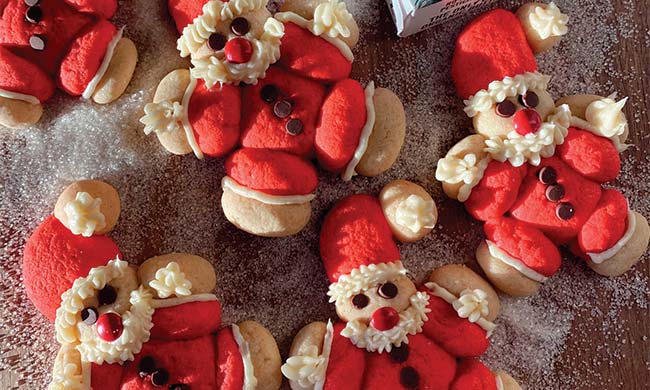
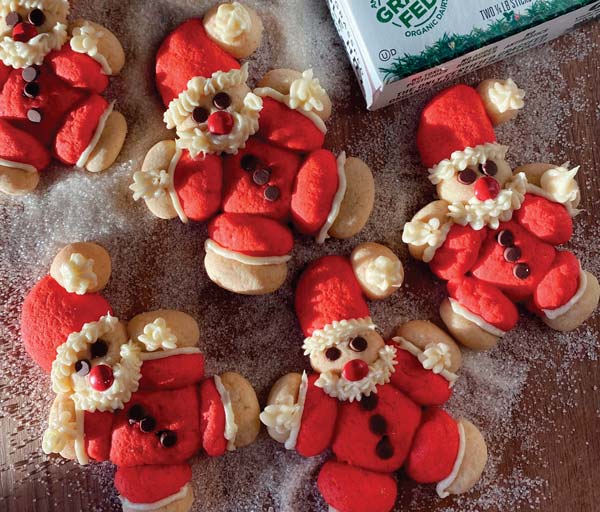
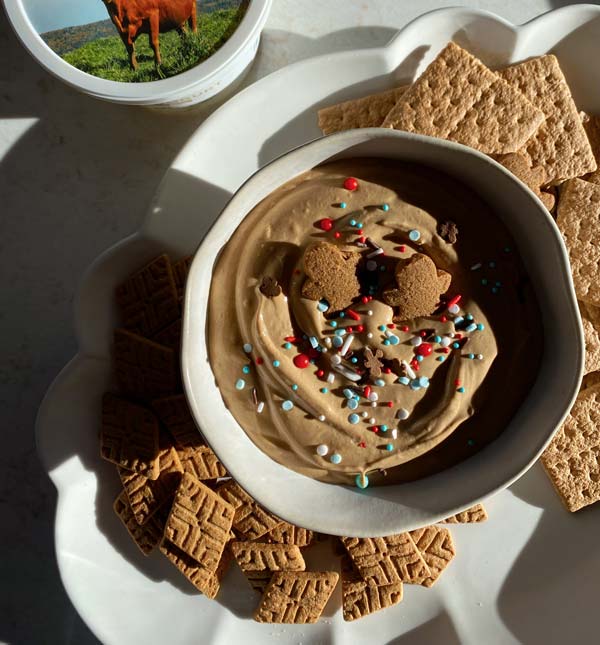
Holiday Desserts: From festive cookies to indulgent dips, these delicious desserts bring people together to create memories that will last a lifetime. If you’re looking to impress guests, Santa Cookies are the ultimate treat. For a unique twist, try Gingerbread Dip, featuring vanilla Greek yogurt made with 100% grass-fed organic milk.
(Family Features) Holiday desserts set the stage for seasonal delight and add a touch of joy to gatherings. From festive cookies to indulgent dips, these delicious desserts bring people together to create memories that will last a lifetime. If you’re looking to impress guests, Santa Cookies are the ultimate treat. Made with Maple Hill Salted Butter, they’re rich, soft and full of festive spirit. For a unique twist, try Gingerbread Dip, featuring vanilla Greek yogurt made with 100% grass-fed organic milk. Whether you’re hosting or deciding what to bring to the potluck, Maple Hill’s 100% grass-fed organic dairy makes it easy to whip up desserts that are as wholesome as they are delicious. Rich in nutrients and free from GMOs, hormones and antibiotics, each product comes from farms that prioritize regenerative practices as nature intended. With a 40% healthier ratio of omega 3:6 and 40% higher levels of CLA fatty acids compared to traditional organic dairy, you can feel good about sweet treats at the holiday table. To find more recipes, visit MapleHill.com.
Preheat oven to 350 F and line two baking sheets with parchment paper.
In large mixing bowl, beat butter, sugar and vanilla until light and fluffy. Add egg and beat until combined. Add flour and salt; mix until dough begins to form ball.
Remove 1 cup dough and set aside. Add red food coloring to remaining dough.
From red cookie dough, make one 1-inch ball and five 1/2-inch balls. From plain cookie dough, make one 3/4-inch ball and five 1/4-inch balls.
On prepared baking sheet, place red 1-inch ball and gently flatten until 1/2-inch thick. Attach four red 1/2-inch balls for arms and legs. Attach plain 3/4-inch ball for head and gently flatten until 1/2-inch thick. Attach plain 1/4-inch balls for hands and feet. Shape remaining red 1/2-inch ball into triangle for hat and attach. Repeat with remaining dough, arranging cookies 2 inches apart on baking sheet. Add chocolate candies for eyes and buttons.
Bake 12-15 minutes, or until lightly golden.
To make frosting: In medium bowl, beat butter and cream cheese until light and fluffy, about 3 minutes. Add vanilla and powdered sugar; mix until combined.
To decorate: Place half of frosting in piping bag with small tip to line Santa’s arms and legs. Place other half in second piping bag with small star tip to add Santa’s beard, hat and hands. Put small dot of icing between eyes and beard and place red mini chocolate-coated candy on face for nose.
In medium bowl using electric mixer on medium speed, beat cream cheese and sugars about 1 minute. Add molasses and mix until combined.
Add Greek yogurt, ginger, cinnamon and nutmeg; beat until combined. Fold in whipped cream and mix until fully incorporated. Refrigerate 1 hour before serving or overnight.
At our core, we at STM Daily News, strive to keep you informed and inspired with the freshest content on all things food and beverage. From mouthwatering recipes to intriguing articles, we’re here to satisfy your appetite for culinary knowledge.
Visit our Food & Drink section to get the latest on Foodie News and recipes, offering a delightful blend of culinary inspiration and gastronomic trends to elevate your dining experience. https://stmdailynews.com/food-and-drink/
Festive Blooms: How to Use Popular Christmas Flowers
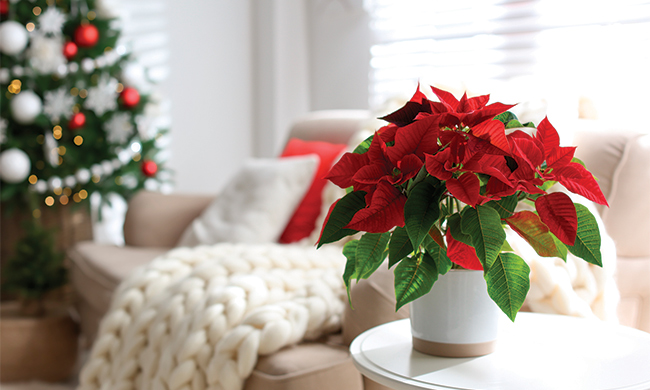
Christmas Flowers: Whether you’re decorating your space with a wreath or garland, giving a fresh gift or crafting the centerpiece for your holiday table, these festive blooms can bring a touch of nature’s joy to your celebrations and showcase the beauty that thrives even during the coldest season.
Festive Blooms: How to Use Popular Christmas Flowers
Whether you’re decorating your space with a wreath or garland, giving a fresh gift or crafting the centerpiece for your holiday table, these festive blooms can bring a touch of nature’s joy to your celebrations and showcase the beauty that thrives even during the coldest season. Poinsettias One of, if not the most iconic, flowers of the holiday season, poinsettias are recognized by their bright red “blooms,” which are actually colorful bracts surrounding small yellow flowers. A symbol of love, hope and Christmas cheer, poinsettias thrive indoors with bright, indirect light and can be used for holiday decor, festive centerpieces or given as a potted gift. Amaryllis Popular for creating holiday arrangements or as a long-lasting indoor plant, the amaryllis features large, trumpet-shaped flowers in shades of red, white, pink or striped varieties. Grown from a bulb, they bloom year after year with proper care, including during the winter months. Holly Featuring glossy green leaves and bright red berries, holly has been a holiday staple for centuries. The flowers are commonly used in wreaths, garlands and other Christmas arrangements and can be displayed on mantels, doors or around doorways. However, holly berries are toxic if ingested, so keep arrangements away from children and pets. Christmas Rose (Hellebore) With blooms that typically appear around Christmas, the Christmas rose is a perennial that thrives in shaded garden beds, even in cooler weather. It brightens up winter landscapes with its creamy white or pink-tinted flowers, which have come to symbolize hope amid the snow. Paperwhites Ideal for tabletop decor or window displays, paperwhites, a type of narcissus, produce clusters of delicate white blooms with a sweet fragrance. They’re easy to grow from bulbs indoors during the winter months and can add a natural holiday touch to any room by simply placing in decorative containers filled with pebbles and water. Learn more about Christmas flowers and find additional seasonal advice at eLivingtoday.com. Photo courtesy of Shutterstock SOURCE:eLivingtoday.com
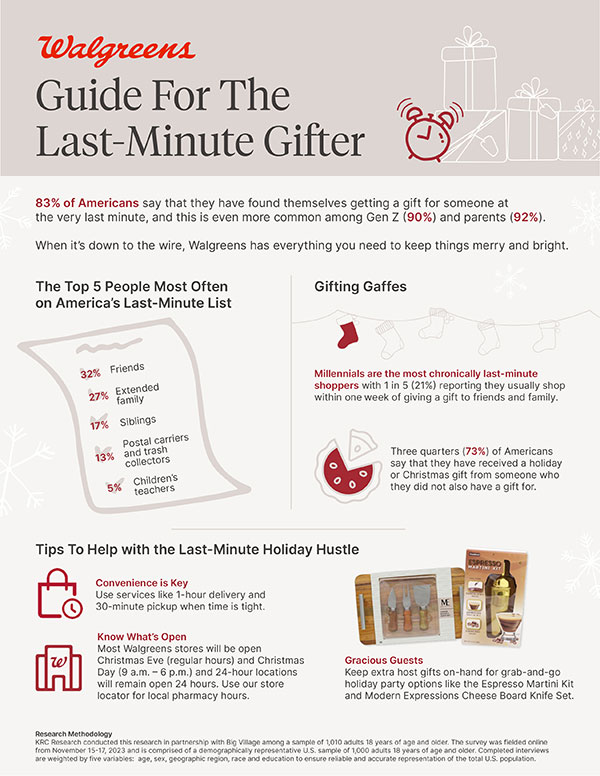
(Family Features) If you’ve ever found yourself buying a holiday gift for someone on your list at the last minute, you’re not alone. According to a Walgreens U.S. gift-giving survey, 83% of Americans found themselves getting a gift for someone at the last minute – a trend even more common among Gen Z (90%) and parents (92%). To help keep things merry and bright, consider these tips to help with the last-minute holiday hustle, and visit Walgreens.com or a store near you to find deals and gift inspiration.




 Christina Erickson, Associate Dean in the College of Nursing and Professional Disciplines, University of North Dakota This article is republished from The Conversation under a Creative Commons license. Read the original article.