

Entertainment
Bad Bunny Set to Make History at Apple Music Super Bowl LX Halftime Show
Bad Bunny will headline the Apple Music Super Bowl LX Halftime Show on February 8, 2026, at Levi’s Stadium, marking a historic moment for Latin music. Industry leaders praise his cultural impact and global influence. The event promises to deliver an unforgettable performance, celebrating Bad Bunny’s significance in today’s music scene.

Last Updated on January 2, 2026 by Daily News Staff
Global superstar will take center stage at Levi’s Stadium in February 2026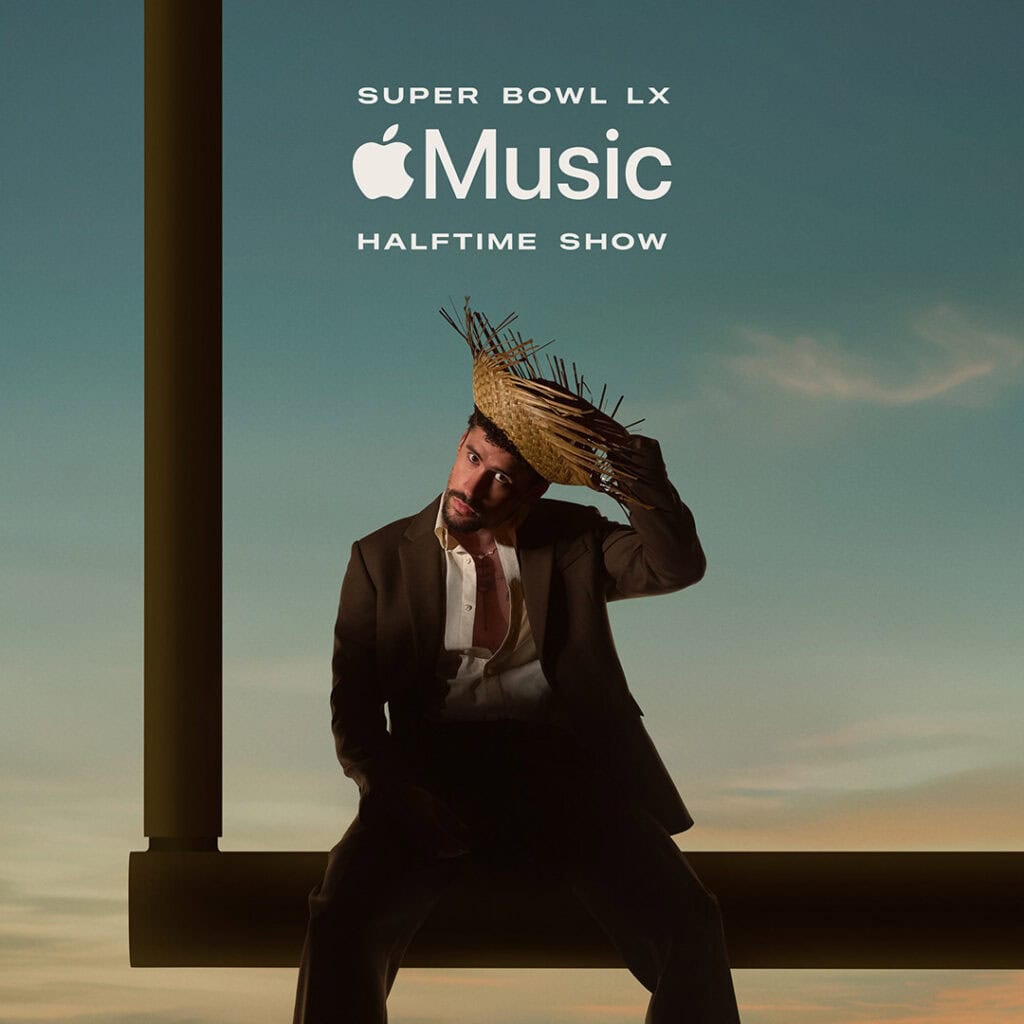
The NFL, Apple Music, and Roc Nation dropped major news this week that’s sending shockwaves through the music and sports worlds: three-time GRAMMY® Award-winning artist Bad Bunny will headline the Apple Music Super Bowl LX Halftime Show on February 8, 2026, at Levi’s Stadium in Santa Clara, California.
A Historic Moment for Latin Music
For Bad Bunny, this isn’t just another performance—it’s a cultural milestone. The Puerto Rican sensation expressed the profound significance of this opportunity in his own words:
“What I’m feeling goes beyond myself. It’s for those who came before me and ran countless yards so I could come in and score a touchdown… this is for my people, my culture, and our history. Ve y dile a tu abuela, que seremos el HALFTIME SHOW DEL SUPER BOWL.”
The announcement represents a watershed moment for Latin music on the world’s biggest stage, with Bad Bunny becoming one of the first Latin artists to solo headline the Super Bowl Halftime Show.
Industry Leaders Weigh In
Shawn “JAY-Z” Carter, whose Roc Nation serves as strategic entertainment advisor for the performance, praised Bad Bunny’s impact: “What Benito has done and continues to do for Puerto Rico is truly inspiring. We are honored to have him on the world’s biggest stage.”
Jon Barker, the NFL’s SVP of Global Event Production, highlighted why Bad Bunny is the perfect fit for this moment: “Bad Bunny represents the global energy and cultural vibrancy that define today’s music scene. As one of the most influential and streamed artists in the world, his unique ability to bridge genres, languages, and audiences makes him an exciting and natural choice.”
Oliver Schusser, Apple’s Vice President of Music, Sports and Beats, emphasized the artist’s cultural impact: “Few artists embody that intersection [of music and culture] more perfectly and authentically than Bad Bunny. His music has not only broken records but has elevated Latin music to the center of pop-culture.”
Tune In to the Special Announcement
Apple Music Radio is celebrating the news with a special Halftime Headliner broadcast featuring Zane Lowe, Ebro Darden, and surprise guests. The show aired Monday, September 29th at 9:30am ET across Apple Music Radio platforms.
What to Expect
The Apple Music Super Bowl LX Halftime Show will be produced by DPS, with Roc Nation and Jesse Collins serving as executive producers and Hamish Hamilton directing. The performance will air on NBC during Super Bowl LX, bringing Bad Bunny’s explosive stage presence and genre-defying music to an audience of millions.
A Winning Tradition
The Apple Music Super Bowl Halftime Show has become synonymous with excellence, racking up multiple Emmy wins in recent years. The Apple Music Super Bowl LIX Halftime Show starring Kendrick Lamar became the most-watched Super Bowl Halftime Show ever, earning four Emmy nominations and winning Outstanding Music Direction. Previous shows featuring Usher, Rihanna, and the legendary lineup of Dr. Dre, Snoop Dogg, Eminem, Mary J. Blige, and Kendrick Lamar have collectively earned dozens of nominations and awards.
With Bad Bunny’s proven track record of delivering unforgettable performances and his massive global fanbase, the Apple Music Super Bowl LX Halftime Show is shaping up to be one of the most anticipated musical events of 2026.
Mark your calendars for February 8, 2026—this is one performance you won’t want to miss.
What are your thoughts on Bad Bunny headlining the Super Bowl? Will you be tuning in? Let us know in the comments below, and follow Apple Music on social media for more updates as we get closer to game day.
Related Links
Official Announcements & Streaming:
Follow the Conversation:
- Apple Music on Instagram
- Apple Music on TikTok
- Apple Music on X (Twitter)
- Apple Music on YouTube
- Apple Music on Facebook
- Apple Music on Snapchat
More Super Bowl Halftime Content:
- Kendrick Lamar’s Record-Breaking Super Bowl LIX Performance
- Usher’s Super Bowl LVIII Halftime Show Highlights
- Rihanna’s Historic Super Bowl LVII Return
- The Evolution of the Super Bowl Halftime Show
Explore Bad Bunny:
- Bad Bunny on Apple Music
- Bad Bunny’s GRAMMY Wins and Nominations
- The Rise of Latin Music in Pop Culture
Looking for an entertainment experience that transcends the ordinary? Look no further than STM Daily News Blog’s vibrant Entertainment section. Immerse yourself in the captivating world of indie films, streaming and podcasts, movie reviews, music, expos, venues, and theme and amusement parks. Discover hidden cinematic gems, binge-worthy series and addictive podcasts, gain insights into the latest releases with our movie reviews, explore the latest trends in music, dive into the vibrant atmosphere of expos, and embark on thrilling adventures in breathtaking venues and theme parks. Join us at STM Entertainment and let your entertainment journey begin! https://stmdailynews.com/category/entertainment/
and let your entertainment journey begin!


Cineverse Partners With VA Media to Expand YouTube Monetization Strategy
Cineverse has announced a strategic partnership with VA Media to accelerate growth and digital monetization across its expanding portfolio of fandom-focused YouTube channels.
The agreement will bring a YouTube-first strategy to Cineverse’s channel network, including longform and shortform content planning, channel optimization, financial modeling, and broader monetization support. The partnership will begin with Dog Whisperer with Cesar Millan, which Cineverse identified as its top revenue-generating YouTube channel.
Cineverse said its owned or operated YouTube channels currently account for more than 10 million subscribers and over 200 million video views. The company’s digital portfolio spans genres including horror, anime, romance, indie film, Asian cinema, and other fandom-driven categories.
VA Media, which specializes in YouTube strategy and social video monetization, will work with Cineverse to improve discoverability, strengthen channel performance, and unlock new revenue opportunities across YouTube and adjacent platforms.
The partnership reflects the growing role of YouTube as a core distribution and monetization channel for premium entertainment content.
For more information, visit Cineverse.
External Links
STM Daily News’ Entertainment section delivers the latest on movies, television, music, pop culture, events, and industry buzz. From breaking news and trending stories to feature coverage and community-centered entertainment reporting, it keeps readers connected to what’s happening on screen, on stage, and beyond.
McDonald’s is blending fast food, fandom and Korean-inspired flavors in a new collaboration with Netflix tied to the hit film KPop Demon Hunters. Beginning March 31, the chain will roll out two limited-time adult meals inspired by the movie’s rival groups, HUNTR/X and the Saja Boys, along with collectible photocards and app-based fan experiences. The promotion will be available at participating McDonald’s restaurants nationwide.


McDonald’s KPop Demon Hunters meals
The campaign introduces two themed meals built around the film’s central rivalry. The Saja Boys Breakfast Meal includes a Spicy Saja McMuffin, hash browns and a small soft drink, while the HUNTR/X Meal features a 10-piece Chicken McNuggets, medium soft drink, Ramyeon McShaker Fries, Hunter Sauce and Demon Sauce. McDonald’s said the menu was inspired in part by flavors from its South Korea restaurants, aiming to connect fans to the movie through food as well as pop culture.
The promotion also includes collectible card packs with each meal. Customers will receive a photocard featuring either HUNTR/X or the Saja Boys, plus a Derpy access card that can be scanned and entered in the McDonald’s app by April 26 to unlock early access to exclusive content and a special reveal tied to the “Battle for the Fans.” A new Derpy McFlurry, made with vanilla soft serve, berry popping pearls and wild berry sauce, will also be sold separately during the promotion.
McDonald’s and Netflix both described the collaboration as a way to bring fans deeper into the world of KPop Demon Hunters through menu items and interactive experiences. For STM Daily News readers in the food and drink section, the release highlights how major brands are increasingly turning entertainment partnerships into immersive dining promotions that combine limited-time flavors, collectible merchandise and digital engagement.
Related Links
Source
Entertainment
One More Christmas Begins Production as Great American Media Unveils 2026 Holiday Original

Great American Media has announced One More Christmas, a new original holiday film starring Candace Cameron Bure and Jonathan Scarfe, now in production for Great American Christmas 2026. The film adds another early title to the network’s seasonal lineup as it heads into its sixth year of Christmas programming built around faith, family, hope, and redemption.
In the film, Bure plays Anna, a woman who has been divorced from James Campbell, played by Scarfe, for five years. The former couple reunites over Christmas after their daughter invites the family to a Smoky Mountain cabin to meet her serious boyfriend. What starts as an uneasy holiday gathering shifts when a major ice storm traps Anna and James together, forcing them to revisit the past and consider whether their story is really over.
Why It Stands Out
The setup gives One More Christmas a built-in second-chance romance angle, but the family dynamic may be what gives it the most emotional pull. Great American Media is clearly leaning into the kind of heartfelt, values-driven storytelling its audience expects, while continuing to build Candace Cameron Bure’s presence across its holiday slate.
Bure is also serving as an executive producer on the film. Great American Media said she will star in two original movies for the 2026 season and executive produce another holiday feature still to be announced. Bill Abbott, President and CEO of Great American Media, said Bure continues to help define the tone and quality of the network’s Christmas programming.
Creative Team
One More Christmas is executive produced by Candace Cameron Bure, Jeffery Brooks, Ford Englerth, and Tim Owens for CandyRock Entertainment, with Eric Jarboe and Holly Hines executive producing for Happy Accidents. The screenplay is written by Taylor Kalupa and Masey McLain.
CandyRock Entertainment, Bure’s joint venture with Ford Englerth and Jeffery Brooks, has produced and distributed more than 40 television and film projects focused on family-friendly entertainment.
What to Watch For
As Great American Media continues to expand its holiday lineup, One More Christmas looks positioned as one of the network’s early attention-grabbers for 2026. Between Bure’s ongoing creative role, Scarfe’s addition, and the familiar mix of Christmas setting and emotional reconciliation, the film fits squarely within the network’s brand while giving viewers a story built around family tension, weather-forced closeness, and possible renewal.
Source
Related External Links
Source
Visit the Entertainment section on STM Daily News for the latest entertainment news, movie updates, TV coverage, music stories, pop culture trends, and event highlights.





