

Food and Beverage
Crispy Homemade Hash Browns Recipe for a Delicious Breakfast

Last Updated on July 20, 2024 by Daily News Staff
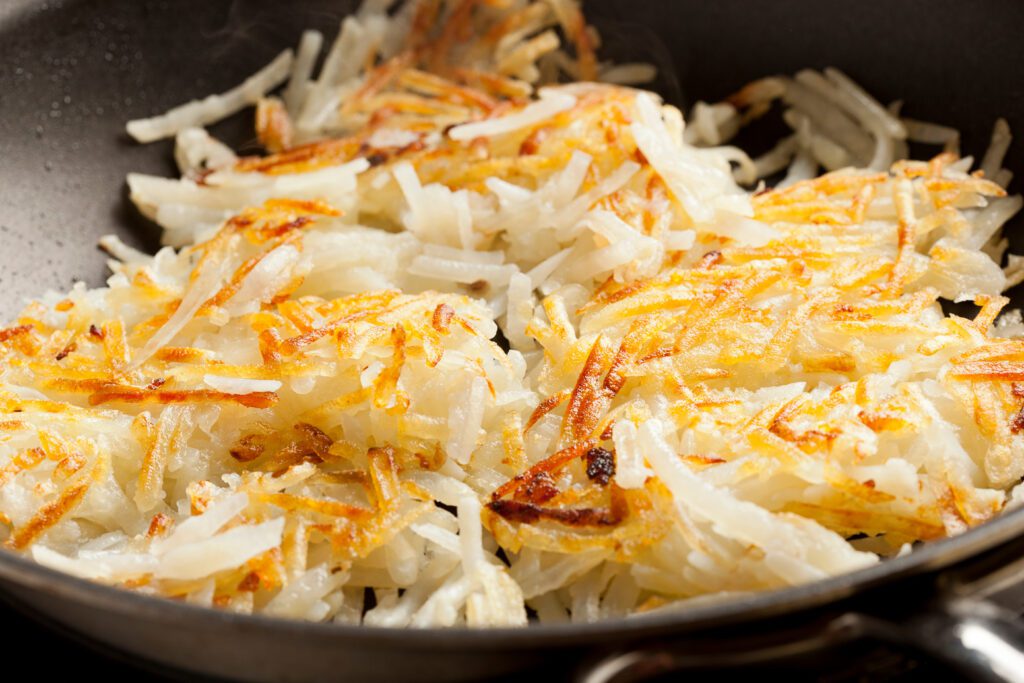
Get ready for a hearty breakfast with our crispy homemade hash browns recipe. Easy to make and delicious, perfect for a lazy weekend morning!
Ingredients:
- 2 large potatoes, peeled and grated
- 1/2 onion, finely chopped
- 1/4 cup all-purpose flour
- Salt and pepper, to taste
- 2-3 tablespoons of vegetable oil
Instructions:
- Peel and grate the potatoes using a grater or food processor. Squeeze out any excess liquid from the grated potatoes using a kitchen towel or cheesecloth.
- Finely chop the onion and mix it into the grated potatoes.
- Add the all-purpose flour, salt, and pepper to the potato mixture and mix well.
- Heat 2-3 tablespoons of vegetable oil in a large skillet over medium-high heat.
- Take a small handful of the potato mixture and form it into a patty. Place the patty in the hot skillet and flatten it with a spatula.
- Cook the hash brown for 3-5 minutes on each side, or until it is golden brown and crispy.
- Repeat the process with the remaining potato mixture, adding more oil to the skillet as needed.
- Once all the hash browns are cooked, remove them from the skillet and place them on a plate lined with paper towels to absorb any excess oil.
- Serve the hash browns hot with your favorite breakfast dishes, such as eggs, bacon, or toast.
Enjoy your delicious homemade hash browns!
https://www.allrecipes.com/recipe/57783/emilys-famous-hash-browns/
Author








Food and Beverage
Dirty Birds Expands to Downtown Long Beach, Signaling Continued Urban Revival
San Diego’s Dirty Birds sports bar is opening a new location in Downtown Long Beach, highlighting the city’s ongoing revitalization and growth ahead of the 2028 Olympics.


Downtown Long Beach is getting a flavorful new addition as The Bascom Group announces a lease agreement bringing San Diego’s popular sports bar chain Dirty Birds to a prime retail space at 200 Pine Avenue.
The deal marks another milestone in the ongoing revitalization of Long Beach, particularly within its bustling downtown entertainment corridor.
A Prime Location in the Heart of Downtown

The newly leased space spans 3,039 square feet on the ground floor of 200 Pine Avenue, a six-story office tower that has undergone significant renovations in recent years. The building, a recognizable fixture in the downtown skyline, includes:
- Class “A” upgraded common areas
- A 123-stall parking structure
- Strong tenant retention history
- Existing retail neighbors like Agaves Kitchen & Tequila and Agaves Ultra Lounge
An additional 4,923-square-foot lower-level space remains available and is already attracting interest for a potential speakeasy-style nightclub concept.
Dirty Birds Brings Its Signature Energy North
Founded in San Diego, Dirty Birds has built a loyal following as a high-energy sports bar known for:
- Award-winning chicken wings with unique flavors like Dirty Blue and Apple Bourbon Chipotle
- A lively, fan-focused atmosphere filled with sports memorabilia
- A diverse menu including burgers, sandwiches, salads, and craft beer
With multiple locations across San Diego neighborhoods like Pacific Beach, Ocean Beach, and near San Diego State University, the brand has established itself as a go-to destination for sports fans.
Its expansion into Long Beach represents a strategic move into a rapidly growing urban market.
Downtown Long Beach’s Ongoing Transformation
The arrival of Dirty Birds reflects broader momentum in downtown Long Beach, fueled by public and private investment. According to Bascom leadership, the area is experiencing a surge in activity driven by:
- Community events like the DTLB Live! series
- Streetscape and public space improvements
- Increased residential and mixed-use development
Nearby landmarks include:
- Billie Jean King Main Library
- Long Beach City Hall
- Long Beach Convention & Entertainment Center
The location also benefits from excellent transit access, including proximity to the Metro A Line.
Olympic Spotlight and Future Growth
Looking ahead, Long Beach is poised for global attention as a key venue city for the 2028 Summer Olympics. The city is expected to host 11 sporting events, making it one of the most active Olympic hubs outside Los Angeles itself.
This global spotlight is accelerating over $1.7 billion in development projects, including:
- Waterfront transformations
- Expanded residential housing
- Infrastructure upgrades through the Elevate 28 program
What This Means for Long Beach
The addition of Dirty Birds is more than just a new restaurant—it’s another indicator of a city on the rise. As downtown Long Beach continues to evolve into a vibrant live-work-play destination, high-profile tenants like Dirty Birds help:
- Strengthen the local economy
- Enhance nightlife and dining options
- Attract both residents and visitors
With an anticipated opening later this year, Dirty Birds is set to become a new hotspot for sports fans and food lovers alike.
Related Links
- 200 Pine Avenue Property Details
- LoopNet Listing for 200 Pine Avenue
- The Bascom Group Official Website
- Downtown Long Beach Plan
At our core, we at STM Daily News, strive to keep you informed and inspired with the freshest content on all things food and beverage. From mouthwatering recipes to intriguing articles, we’re here to satisfy your appetite for culinary knowledge.
Visit our Food & Drink section to get the latest on Foodie News and recipes, offering a delightful blend of culinary inspiration and gastronomic trends to elevate your dining experience. https://stmdailynews.com/food-and-drink/
Authors

Food and Beverage
f’real and Good Humor Launch Orange Creamsicle Milkshake for Spring
f’real and Good Humor have launched a limited-edition Orange Creamsicle Milkshake for spring, bringing a nostalgic frozen flavor to stores, campuses, and theaters nationwide.


Limited-edition frozen drink brings the classic Creamsicle flavor back in a blend-it-yourself format at convenience stores, campuses, and theaters nationwide
Fans of nostalgic frozen treats have a new option this spring. f’real and Good Humor have teamed up to launch a limited-edition Orange Creamsicle Milkshake, a frozen drink inspired by the classic Good Humor Creamsicle Bar.
Available for a limited time, the new f’real Orange Creamsicle Milkshake blends orange and vanilla cream flavors into a sippable frozen drink made with real milk. The concept is simple: take a familiar warm-weather favorite and turn it into a quick, customizable treat for people on the go.
A Familiar Flavor, Reworked for Convenience
The product leans on a flavor combination many consumers already know well. Orange and vanilla have long been tied to the Creamsicle name, and that built-in recognition gives the launch an advantage in a crowded frozen novelty market.
Instead of offering another traditional frozen bar, the companies are betting on format. The milkshake uses f’real’s self-serve blending system, which lets customers grab a cup from the freezer, remove the lid, and blend it in-store in under a minute. Three thickness settings add a level of customization that fits with current demand for quick, personalized snack options.
Where to Find the Orange Creamsicle Milkshake
The Orange Creamsicle Milkshake is now available at retail locations nationwide, including convenience stores, college campuses, and movie theaters. Participating retailers include Kwik Trip, Sheetz, Circle K, Yesway, RaceTrac, Weigel’s, and Royal Farms. The suggested retail price for the 12-ounce milkshake is $3.99.
For consumers wondering where to buy the f’real Orange Creamsicle Milkshake, the company says its store locator can help shoppers find a blender nearby.
Why This Release Stands Out
This launch lands at a time when nostalgic flavors continue to show up across food and beverage categories. That does not guarantee success, but it does give brands a ready-made hook with consumers who respond to familiar tastes tied to memory and seasonality.
The partnership also makes sense on a branding level. Good Humor brings a century-old frozen treat identity, while f’real brings a format built around convenience-store traffic, impulse purchases, and quick preparation. Together, they are not reinventing the category so much as repackaging a recognizable flavor in a way that feels current.
For shoppers, the appeal is straightforward: a classic orange-and-vanilla flavor in milkshake form, available for a limited time during spring. Whether that is enough to turn the product into a seasonal hit remains to be seen, but the nostalgia factor gives it a strong starting point.
Source:
PR Newswire press release from f’real, issued March 23, 2026.
Related external links:
Simple, Convenient, Time-Saving Snacks for Busy Families
(Feature Impact) When every afternoon feels like a race to the dinner table and weekends are a blur of activities, there’s only one way to keep loved ones from getting “hangry”: easy, delicious appetizers and snacks. Keeping a few must-have ingredients in the pantry can help you avoid those dreaded moments between meals when stomachs are growling and a meal feels so close, yet so far away.
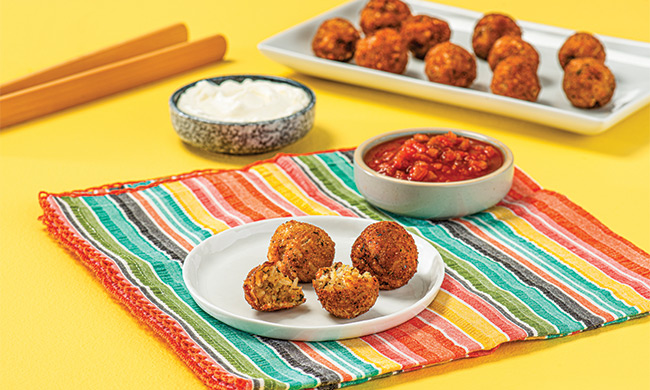
If you’re craving a quick, savory bite, look no further than these Cheesy Mexican Rice Bites. They’re prepared in just 20 minutes – but don’t be surprised if you find yourself making a second batch afterward. Featuring a touch of heat from Minute Jalapeno Rice Cups that are conveniently pre-portioned and ready in one minute, you can enjoy minimal cleanup while staving off hunger.
Classic Porcupine Meatballs offer another versatile solution as a make-ahead snack before busy weekends. For first-timers, here’s a secret: meatballs aren’t as tricky to make as they might look. Just mix the ingredients, form meatballs by hand and cook in a pot until ready to enjoy, or refrigerate then reheat once you’re home from Saturday’s soccer games.
Since these are “porcupine” meatballs, that means they’re made with Minute Instant White Rice rather than traditional breadcrumbs. Known for its light fluffiness and easy prep, it’s ready in just 5 minutes. With this dish, however, it’s simply added to the meatballs straight from the box.
Visit MinuteRice.com to find more convenient snack ideas that save time and trouble in the kitchen.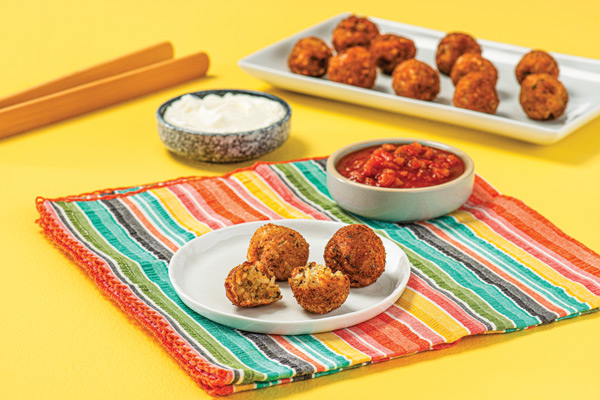
Cheesy Mexican Rice Bites
Prep time: 5 minutes
Cook time: 15 minutes
Servings: 2
- 1 Minute Jalapeno Rice Cup
- 1/4 cup diced onions
- 1/2 teaspoon cumin
- 1/2 cup Mexican cheese blend, shredded
- 1 egg, beaten
- 1/2 cup breadcrumbs
- nonstick cooking spray
- salsa (optional)
- sour cream (optional)
- Preheat air fryer to 375 F. Heat rice according to package directions.
- In large mixing bowl, combine rice, diced onions, cumin and Mexican cheese blend. Mix well.
- Add beaten egg to rice mixture and stir until fully combined.
- Using hands, shape about 2 tablespoons rice mixture into ball. Repeat with remaining mixture.
- Roll rice balls in breadcrumbs, ensuring they are fully coated.
- Lightly coat air fryer basket with nonstick cooking spray to prevent sticking.
- Place rice bites in single layer in air fryer basket, leaving space between each for even cooking. Work in batches, if necessary. Spray tops of each ball with nonstick cooking spray to help with browning.
- Cook 15 minutes, or until golden brown and crisp, flipping halfway through for even browning.
- Allow to cool slightly and serve with salsa or sour cream, if desired.
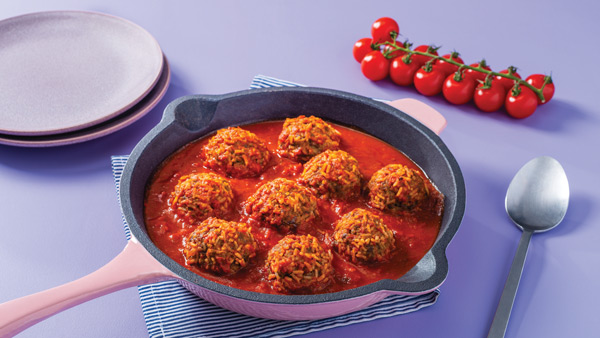
Porcupine Meatballs
Prep time: 10 minutes
Cook time: 20 minutes
Servings: 4-6
- 1 tablespoon butter
- 1 small onion, finely chopped
- 1 pound lean ground beef
- 1 cup Minute White Rice, plus additional for serving, cooked
- 1 egg, lightly beaten
- 1 packet (1 1/2 ounces) meatloaf seasoning
- 1 1/4 cups water, divided
- 1 jar (24 ounces) pasta sauce
- grated Parmesan cheese
- In 3-quart saucepan over medium-high heat, melt butter. Add onions and cook, stirring, until starting to soften.
- In large bowl, combine onions, beef, 1 cup uncooked rice, egg, seasoning and 1/4 cup water; mix gently by hand until well blended. Shape mixture into medium-sized meatballs.
- Pour pasta sauce and remaining water into same 3-quart saucepan. Stir and bring to boil. Add meatballs and return to boil.
- Reduce heat to low and cover. Simmer 15 minutes, or until meatballs are cooked through.
- Serve meatballs and sauce over extra cooked rice and top with grated Parmesan cheese.
- Substitution: Ground turkey, chicken or meatless ground can be used in place of beef.


SOURCE:





