

Film Production
DIY Lighting Kits

Last Updated on July 29, 2024 by Daily News Staff
Your video shoot is off to a great start. Although you are on a strict, no frills budget, you are getting the quality shots that you desire. A problem arises when you plan for the next phase of your production, a shoot at an indoor location. Your budget will not allow you to pay for professional lighting. Renting pro lights is an alternative, but, that too can get expensive if your indoor shoot is over a course of a few days.
Don’t fret, a cost effective alternative that is available to you just by taking a trip to your local shopping center.
Over the past decade, there have been major developments and breakthroughs in lighting with the introduction of both Compact Fluorescent (CFL) and LED bulb technology, and now with the entry of these alternatives, the sky is the limit.
In the past it was taboo to even think about using fluorescent lighting in video production because the lighting of old cast a sickly green hue that you had to spend so much time white balancing out. This has changed due to these new technologies. Many current professional lighting kits and light boxes use either CFLs or LED lighting.
The facts that these new bulbs do not burn hot, have low power consumption and have a long life span is just a few of the many benefits to productions of most any budget.
The lighting output of these bulbs can be compared to traditional incandescent bulbs and can satisfy your illumination needs without breaking the bank.
EXTREMELY LOW COST
The most inexpensive lighting alternative that I will present to you is called the Incandescent Clamp Light. The price range of this fixture is between $7.00 and $20.00, and consist of a bowl-shaped lighting hood with a mounting clamp attracted to it so that it can be hung easily. You can find these unit and bulbs at places like Lowe’s, Home Depot, Ace Hardware or any home improvement center or hardware store.
Although incandescent is in the name does not mean that you are limited to use traditional light bulbs. CFL and LED bulbs can be used with these fixtures, but, make sure you are following the power rating of the fixture, just like with incandescent bulbs, you cannot go over the limits of what is required for that particular unit. Usually these fixtures can accommodate up to a 150 watt light.
Another benefit is that you can clamp the fixture to almost any surface without damaging it. These units can easily be used as key lighting subjects as well.
I personally own a tungsten professional lighting kit, but because they run so hot and need cool down time before dismantling on the set, I prefer to use my CFL lighting which consist of some professional incandescent light fixtures, stands and umbrellas. I still use my clamp lights and they are still effective.
Although, you are missing features like barn doors to adjust the lighting, stands for mounting the fixtures and other elements that you find in professional kits, you have a useful alternative. You can slowly upgrade to more professional lighting when you budget allows.
Three of these fixtures, plus a pack of CFLs would be under $30 on the low end. For an extremely effective lighting kit, you can’t beat that price.
Another alternative for lighting is work lights. You will also find these units at home improvement centers or hardware stores. The price range of these units are between $19 and $300. These unit use either halogen or in the more recent units, LED.
The benefit of these lights are that they come with their own adjustable stands. They can be added to your clamp light kit and still keep you within your budgetary restraints.
The drawback of this choice is that the least expensive units are halogen and can run hot. They will be brighter than your CFLs, so adjusting them to match your lighting would be more of a challenge.
Choosing the LED version is an option, but be advised, if you get multiple units to make a kit, you will be approaching the price point of a low end pro light kit that will have barn doors, stands, scrims, etc.
Whatever type of lighting that you chose, you can feel confident that your production will not lose the luster that you have worked hard to maintain throughout the shoot. With the recent entry of these lighting alternatives, professional lighting can be attained by video producers of any budget. There is no longer a need to fear losing your audience due to bad lighting.
https://stmdailynews.com/author/rodstm/
https://stmdailynews.com/category/entertainment
oking for an entertainment experience that transcends the ordinary? Look no further than STM Daily News Blog’s vibrant Entertainment section. Immerse yourself in the captivating world of indie films, streaming and podcasts, movie reviews, music, expos, venues, and theme and amusement parks. Discover hidden cinematic gems, binge-worthy series and addictive podcasts, gain insights into the latest releases with our movie reviews, explore the latest trends in music, dive into the vibrant atmosphere of expos, and embark on thrilling adventures in breathtaking venues and theme parks. Join us at Looking for an entertainment experience that transcends the ordinary? Look no further than STM Daily News Blog’s vibrant Entertainment section. Immerse yourself in the captivating world of indie films, streaming and podcasts, movie reviews, music, expos, venues, and theme and amusement parks. Discover hidden cinematic gems, binge-worthy series and addictive podcasts, gain insights into the latest releases with our movie reviews, explore the latest trends in music, dive into the vibrant atmosphere of expos, and embark on thrilling adventures in breathtaking venues and theme parks. Join us at [insert website URL] and let your entertainment journey begin! https://stmdailynews.com/category/entertainment/
and let your entertainment journey begin!
Author

Discover more from Daily News
Subscribe to get the latest posts sent to your email.


Entertainment
One More Christmas Begins Production as Great American Media Unveils 2026 Holiday Original


Great American Media has announced One More Christmas, a new original holiday film starring Candace Cameron Bure and Jonathan Scarfe, now in production for Great American Christmas 2026. The film adds another early title to the network’s seasonal lineup as it heads into its sixth year of Christmas programming built around faith, family, hope, and redemption.
In the film, Bure plays Anna, a woman who has been divorced from James Campbell, played by Scarfe, for five years. The former couple reunites over Christmas after their daughter invites the family to a Smoky Mountain cabin to meet her serious boyfriend. What starts as an uneasy holiday gathering shifts when a major ice storm traps Anna and James together, forcing them to revisit the past and consider whether their story is really over.
Why It Stands Out
The setup gives One More Christmas a built-in second-chance romance angle, but the family dynamic may be what gives it the most emotional pull. Great American Media is clearly leaning into the kind of heartfelt, values-driven storytelling its audience expects, while continuing to build Candace Cameron Bure’s presence across its holiday slate.
Bure is also serving as an executive producer on the film. Great American Media said she will star in two original movies for the 2026 season and executive produce another holiday feature still to be announced. Bill Abbott, President and CEO of Great American Media, said Bure continues to help define the tone and quality of the network’s Christmas programming.
Creative Team
One More Christmas is executive produced by Candace Cameron Bure, Jeffery Brooks, Ford Englerth, and Tim Owens for CandyRock Entertainment, with Eric Jarboe and Holly Hines executive producing for Happy Accidents. The screenplay is written by Taylor Kalupa and Masey McLain.
CandyRock Entertainment, Bure’s joint venture with Ford Englerth and Jeffery Brooks, has produced and distributed more than 40 television and film projects focused on family-friendly entertainment.
What to Watch For
As Great American Media continues to expand its holiday lineup, One More Christmas looks positioned as one of the network’s early attention-grabbers for 2026. Between Bure’s ongoing creative role, Scarfe’s addition, and the familiar mix of Christmas setting and emotional reconciliation, the film fits squarely within the network’s brand while giving viewers a story built around family tension, weather-forced closeness, and possible renewal.
Source
Related External Links
Source
Visit the Entertainment section on STM Daily News for the latest entertainment news, movie updates, TV coverage, music stories, pop culture trends, and event highlights.
Discover more from Daily News
Subscribe to get the latest posts sent to your email.
documentaries
“1001 Crowns for My Head”: A Powerful Celebration of Afro Hair, Identity, and Pride
Habibata Ouarme’s documentary “1001 Crowns for My Head” debuts October 27 on TFO.org, celebrating the cultural pride and heritage of Afro-descendant women through the art and history of hair.
Last Updated on October 26, 2025 by Daily News Staff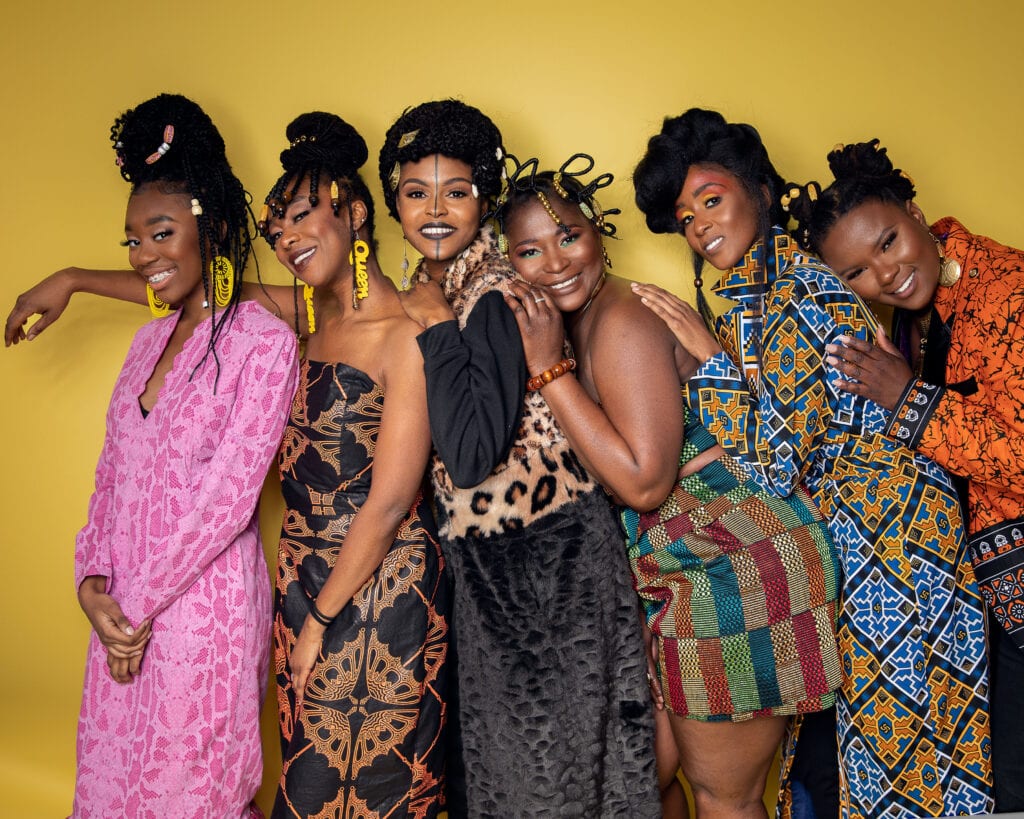
Airing October 27, 2025, on TFO.org
(Montreal, QC) — October 13, 2025) — Hair is more than just style—it’s a story, a legacy, and a declaration of self. The new documentary 1001 Crowns for My Head by acclaimed filmmaker Habibata Ouarme (of KOROMOUSSO: Big Sister fame) brings that truth to life in a dazzling, heartfelt tribute to the beauty, resilience, and hair heritage of women of African descent.
Premiering October 27, 2025, at 9:00 PM on TFO, and streaming online the same day at TFO.org, 1001 Crowns for My Head explores the deep cultural roots of African and Afro-descendant hairstyles—from ancient civilizations to the modern diaspora. Each braid, curl, and twist tells a story of survival, self-expression, and shared memory.
🎥 Watch the trailer: https://vimeo.com/1091820352/e4cd2a903a
A Crown of History and Identity
Through vibrant visuals and deeply personal storytelling, 1001 Crowns for My Head examines how hair has served as both an act of self-affirmation and a symbol of identity. The documentary brings together an impressive lineup of Afro-descendant women—leaders, artists, scholars, and activists—each sharing their unique relationship with their hair and culture.
Among the featured voices are:
- Dr. Afua Cooper, Canadian scholar, author, and artist
- Juliette Sméralda, sociologist and writer
- Martine Musau Muele, lawyer, actress, and President of the Montreal City Council
- Isabelle Massé, director at La Presse, author, and columnist
- Keithy Antoine, artist and entrepreneur
Together, these women bridge generations, challenging stereotypes and reclaiming narratives that have long been shaped by colonial and cultural pressures. Their testimonies, filled with courage and creativity, redefine beauty on their own terms—through authenticity and pride.
The Filmmaker’s Vision
For Habibata Ouarme, a socially engaged filmmaker from the Ivory Coast now based in Canada, 1001 Crowns for My Head is both personal and political.
“What drives me as a documentary filmmaker is giving a voice to the voiceless and highlighting diverse communities,” Ouarme explains. “1001 Crowns was born from my own relationship with my natural hair and my desire to understand the history and meaning of this cultural heritage.”
Through her lens, Ouarme transforms everyday hair rituals into symbols of resistance and empowerment. The film reminds audiences that the beauty of Black hair is not merely aesthetic—it is a living, breathing connection to ancestry, community, and strength.
Beyond the cultural narrative, Ouarme’s message extends to unity and empathy.
“I hope this film inspires audiences to better understand the journey and identity of Afro-descendant women. The world needs listening, connection, and sharing to build bridges between communities,” she says.

Behind the Scenes
1001 Crowns for My Head was written, directed, and produced by Habibata Ouarme through her company KOROMOUSSO Media Inc. Executive producers include Alexandrine Torres de Figueiredo and Byron A. Martin, with cinematography by Ricardo Diaz, André Dufour, Jim Donovan, and Juozas Cernius.
The film’s editing is handled by Boban Chaldovich, and the original score—composed by Benoît Groulx and Chihiro Nagamatsu—provides an evocative backdrop that enhances the film’s emotional depth.
Supported by Telefilm Canada (Talent to Watch), the Canada Media Fund, the Canada Council for the Arts, and TFO, the documentary stands as a shining example of the growing recognition and support for diverse stories in Canadian cinema.
A Journey Through Time and Texture
From intricate braids that once signified tribal belonging to natural hairstyles that now symbolize freedom and self-acceptance, 1001 Crowns for My Head paints an exquisite picture of cultural evolution. The film doesn’t just document hairstyles—it celebrates the spiritual and emotional power woven into each strand.
As the documentary unfolds, viewers are invited to reflect on how beauty standards have evolved and how Afro-descendant women continue to redefine them on their own terms. The result is a vibrant cinematic experience filled with humanity, hope, and heritage.
About the Director
Habibata Ouarme is an award-winning filmmaker and activist whose work focuses on human rights, cultural identity, and women’s empowerment. Her first documentary, KOROMOUSSO (Big Sister)—co-directed and produced by the National Film Board of Canada—examined female genital mutilation through a courageous, empathetic lens.
With 1001 Crowns for My Head, Ouarme continues her mission of storytelling as activism. She is also developing her first fiction feature, Tonton Patrick, and remains actively involved in community-based projects promoting women’s health and cultural awareness.
How to Watch & Connect
📺 Premiere Date: Monday, October 27, 2025, at 9:00 PM
🌐 Where to Watch: TFO.org
🎬 Official Website: www.1001CrownsFilm.com
Follow Habibata Ouarme:
- Instagram: @habibata_o
- Facebook: @Lankoande.Habibata
Follow the Film:
- Facebook: @1001-Couronnes-Pour-Ma-Tête
Final Thoughts
1001 Crowns for My Head is more than a documentary—it’s a love letter to Afro hair, a tribute to identity, and a call to embrace heritage without apology. In a world still learning to celebrate difference, Ouarme’s film stands as a radiant reminder: every crown tells a story worth hearing.
Looking for an entertainment experience that transcends the ordinary? Look no further than STM Daily News Blog’s vibrant Entertainment section. Immerse yourself in the captivating world of indie films, streaming and podcasts, movie reviews, music, expos, venues, and theme and amusement parks. Discover hidden cinematic gems, binge-worthy series and addictive podcasts, gain insights into the latest releases with our movie reviews, explore the latest trends in music, dive into the vibrant atmosphere of expos, and embark on thrilling adventures in breathtaking venues and theme parks. Join us at STM Entertainment and let your entertainment journey begin! https://stmdailynews.com/category/entertainment/
and let your entertainment journey begin!
Author
Discover more from Daily News
Subscribe to get the latest posts sent to your email.
STM Blog
Framing the Final Light: The Power of the Setting Sun Shot in Film
Explore how filmmakers use the setting sun shot to create emotion and meaning in film — from Sergio Leone’s westerns to Saguaro Court by Rodney Washington.

The Power of the Setting Sun Shot in Film
There’s a certain magic that happens when a camera captures the last light of the day. The sun dips low, shadows stretch long, and everything takes on a warm, golden glow that can turn even the simplest scene into something timeless. Filmmakers call it the “magic hour,” and it’s been used for decades to convey emotion, finality, and visual poetry.
I learned this firsthand in 2002, when I produced a short film called Saguaro Court. The story closed with a powerful image — the supposed bad guy standing over the supposed good guy, revealing a sudden plot twist as the Arizona sun sank behind them. The setting sun wasn’t just a backdrop; it was a visual exclamation point. That warm, fading light symbolized moral ambiguity and the shifting of power in a way that dialogue alone never could.
But not everyone agreed. After the film was finished, I had a heated debate with someone who insisted that using the setting sun as a backdrop “had never been done before” — and that I was wrong for ending my film that way. I couldn’t help but laugh. The truth is, that technique has been a cinematic staple for generations. In fact, some of the greatest directors in film history have built unforgettable moments around it.
Classic Westerns and the Mythic Glow
Few genres embraced the sunset more than the Western. Director Sergio Leone turned the setting sun into a character of its own in The Good, the Bad and the Ugly (1966). Cinematographer Tonino Delli Colli often shot Clint Eastwood during the golden hour, bathing his silhouette and poncho in a desert glow that defined the spaghetti western aesthetic. Leone would even structure his production schedule around those few precious minutes when the light was perfect.
Later, Eastwood paid homage to Leone’s technique in his Oscar-winning film Unforgiven (1992), where several key moments — including the final ride into the storm — were filmed under the fading light of day. Likewise, Shane (1953) used the sunset for one of the most poignant endings in all of cinema, with the hero riding into the horizon as the sky dimmed behind him.
Modern Masters of the Golden Hour
Outside of the Western, visionary directors have continued to use this visual language.
Terrence Malick’s Days of Heaven (1978) is considered the masterpiece of natural light cinematography, with nearly every shot filmed during magic hour. David Lean’s Lawrence of Arabia (1962) captured the desert’s vastness and isolation in golden tones that remain unmatched. Roger Deakins, one of today’s greatest cinematographers, used the setting sun in films like No Country for Old Men (2007) and Skyfall (2012) to heighten drama and atmosphere. Even Ridley Scott’s Gladiator (2000) ends with a wheat-field vision glowing in the light of dusk — a visual metaphor for peace and release.
Why the Setting Sun Works
There’s something deeply human about the symbolism of sunset. It marks the end of a day, a life chapter, or a story. It’s universal — everyone recognizes what it feels like to watch the day fade away. The soft, directional light adds warmth, realism, and melancholy all at once. It’s not just beautiful; it’s emotional shorthand.
When we see a character framed against that low sun, we instinctively feel tension, change, or closure — the end of something and the beginning of something else.
Back to Saguaro Court
In Saguaro Court, the closing shot against the Arizona sunset wasn’t just about style — it was about storytelling. The light deepened the moral twist at the end, amplifying the shock and emotion of the scene. And that’s why filmmakers return to the setting sun again and again: because sometimes, the light says everything.
So to anyone who claims “it’s never been done before,” history — and a century of golden light — say otherwise.
Further Viewing
The Good, the Bad and the Ugly – Wikipedia
Days of Heaven – IMDb Shane – Wikipedia
Lawrence of Arabia – Wikipedia
Written by Rodney Washington, filmmaker and publisher of STM Daily News
Discover more from Daily News
Subscribe to get the latest posts sent to your email.





