

Lifestyle
Easy Pet Wellness Routine: 5 Healthy Habits for Dogs and Cats Without the Fuss
Build a simple, effective pet wellness routine with 5 easy habits. Learn how to support your dog or cat’s health through tailored nutrition, functional supplements, exercise, mental enrichment, and stress-reducing environments—without overwhelming your schedule.

Last Updated on January 9, 2026 by Daily News Staff
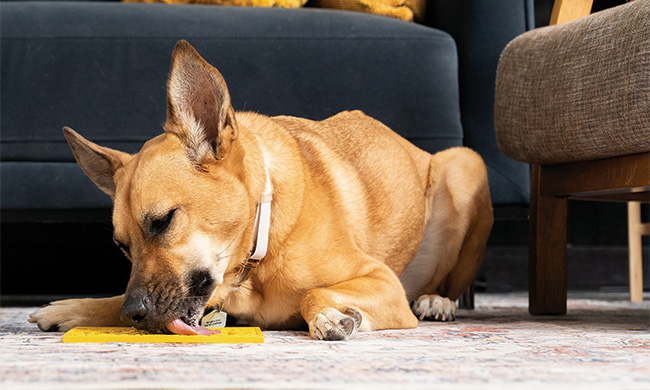
Easy Pet Wellness Routine: 5 Healthy Habits for Dogs and Cats Without the Fuss
(Family Features) Pets are more than companions – they’re family – and keeping them healthy can be simple, enjoyable and rewarding. Today’s pet parents may be busier than ever, yet they’re also more committed to wellness than previous generations. That means approaching their furry friends’ unique needs with the same balance, care and attention to overall well-being as they do their own.
In fact, according to the 2021 Human Animal Bond Research Institute Benchmark Survey of Pet Owners, increased knowledge about the health benefits of the human-animal bond led 91% of pet owners to say they would be more likely to take better care of their pets.
Pet health isn’t just about food, however. A holistic approach to wellness combines daily supplements, dental care, exercise, mental enrichment and proactive health, with many owners looking for ways to simplify routines to support their pets every day.
These practical ideas can help support a pet’s overall wellness routine.
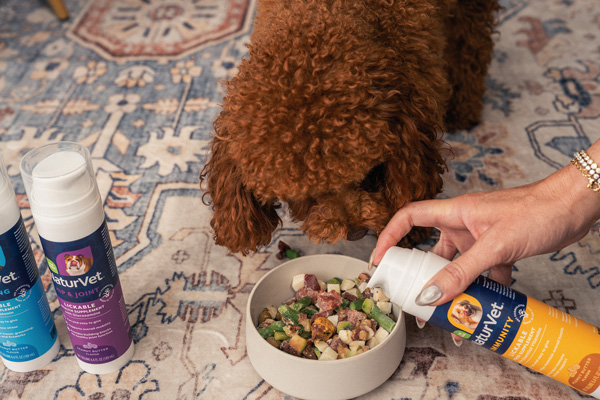 Tailor Flexible Nutrition Plans to Pets’ Needs
Every pet is unique, but balanced nutrition forms the foundation of wellness. Dog and cat parents are increasingly seeking customizable food and supplement solutions designed around their furry friend’s age, needs and lifestyle. Age-specific formulations and products featuring natural, minimally processed ingredients and eco-friendly sourcing allow owners to support their pets’ overall health, from mealtime to daily wellness routines.
Support Healthy Skin and Coat
A pet’s coat often reflects its overall health. Along with a balanced diet and plenty of water, adding a daily supplement can help support a natural shine. While professional grooming keeps dogs and cats looking their best, incorporating regular at-home brushing and bathing with a gentle shampoo strengthens the bond you share and provides an opportunity to spot any changes, like lumps or bumps.
Enhance Pet Wellness with Functional Support
Even with a balanced diet, many pets may benefit from extra support to maintain their overall well-being. Functional supplements can help target specific needs, including joint mobility, immunity and stress relief. For example, NaturVet’s easy-to-use Lickable supplements – available in Hip & Joint, Calming and Multi-Vitamin formulas for dogs and cats – offer a simple way to make wellness an effortless part of everyday life.
Promote Exercise and Mental Enrichment
Movement is essential to any wellness routine. Regular walks, agility activities and games help keep pets fit and happy. Physical exercise is only part of the puzzle, though. Interactive toys, puzzle feeders, scent games and agility training help dogs and cats stay mentally sharp, even on days when outdoor activity is limited.
Create a Calming Home Environment
Dogs and cats can experience stress when routines aren’t followed, just like people. Maintaining a consistent daily schedule and providing a quiet, comfortable space – such as a bed in a low-traffic area – can help promote calm, comfort and security.
By taking a few simple, consistent steps each day, pet parents can create a balanced, enjoyable wellness routine that keeps their furry family members healthy, happy and thriving. From functional supplements and daily care habits to exercise, mental enrichment and a calming environment, small efforts can make a big difference, turning everyday care into a rewarding part of life with your pet.
To find more practical health and wellness solutions for your pet, visit naturvet.com.
5 Easy Steps to Help Pet Owners Build Healthy Habits
Creating a consistent health and wellness routine doesn’t have to be complicated. Consider these simple steps:
- Start slow. Introduce new supplements or activities gradually to avoid overwhelming pets.
- Be aware. Review product labels and ingredient certifications to ensure they are safe and appropriate for your pet.
- Incorporate naturally. Mix functional supplements into meals or use them as a reward for good behavior.
- Stay consistent. Small daily actions can add up to long-term health and wellness.
- Monitor and adjust. Work with a veterinarian to create a tailored plan and observe your pet’s energy, mobility and mood, adjusting as needed.
SOURCE:
NaturVet
Our Lifestyle section on STM Daily News is a hub of inspiration and practical information, offering a range of articles that touch on various aspects of daily life. From tips on family finances to guides for maintaining health and wellness, we strive to empower our readers with knowledge and resources to enhance their lifestyles. Whether you’re seeking outdoor activity ideas, fashion trends, or travel recommendations, our lifestyle section has got you covered. Visit us today at https://stmdailynews.com/category/lifestyle/ and embark on a journey of discovery and self-improvement.
Discover more from Daily News
Subscribe to get the latest posts sent to your email.


health and wellness
Study Links Agent Orange Exposure to Higher Risk of Rare Melanoma
A study revealed that U.S. veterans exposed to Agent Orange are at increased risk of developing acral melanoma, a rare skin cancer located in areas not typically exposed to sunlight. With higher odds of diagnosis and poorer prognosis, early detection in veterans is vital for effective treatment and improved outcomes.
Last Updated on March 9, 2026 by Daily News Staff
(Feature Impact) A new study found U.S. veterans exposed to Agent Orange face a higher risk of developing a rare and often overlooked form of melanoma that appears on the hands and feet, and under the nails.
Researchers reported in “JAMA Dermatology” that veterans with documented exposure to the herbicide had significantly higher odds of developing acral melanoma, a subtype of skin cancer that forms on the palms, soles and nail beds.
Unlike most melanomas, which are associated with ultraviolet radiation, acral melanoma develops in areas not typically exposed to the sun. It can resemble a bruise under a toenail or a dark patch on the bottom of a foot – locations that are easily missed and not commonly associated with skin cancer.
Because of its unusual appearance and location, acral melanoma is often diagnosed at later stages, when treatment is more difficult and survival rates are lower.
The researchers analyzed 20 years of Veterans Health Administration data, comparing more than 1,200 veterans diagnosed with acral melanoma with more than 5,000 veterans without melanoma. Veterans exposed to Agent Orange had about 30% higher odds of developing the disease.
The findings suggest Agent Orange may be an underrecognized risk factor for acral melanoma, particularly for veterans who may not view themselves as at risk for skin cancer because of limited sun exposure or darker skin tones.
“Identifying exposures that may increase risk can help inform earlier recognition and, ultimately, earlier diagnosis when treatment is most effective,” said Marc Hurlbert, chief executive officer of the Melanoma Research Alliance and a principal investigator on the study.
Senior author Dr. Rebecca I. Hartman of Brigham and Women’s Hospital said acral melanoma behaves differently from other melanomas and often responds less well to current therapies.
“Acral melanoma has a poorer prognosis than the more common cutaneous melanoma because it is often diagnosed at later stages,” Hartman said. “Identifying risk factors is critical to improving detection and outcomes.”
Agent Orange was used extensively during the Vietnam War and exposure has been linked to several cancers and chronic illnesses. These findings add to evidence the herbicide may also affect the skin in ways not reflected in traditional melanoma awareness efforts.
Acral melanoma has also been associated with sex, race and ethnicity, and prior skin lesions. Researchers said the study supports treating the disease as distinct from sun-driven melanomas that dominate public education campaigns.
For veterans, the research highlights the importance of examining less visible areas of the body, including the bottoms of the feet, between the toes and under the nails. Changes in nail color, dark streaks or unexplained spots on the palms or soles should be evaluated by a health care provider, especially for those with known Agent Orange exposure.
Researchers said the findings could help guide future screening strategies for higher-risk populations and encourage further study of why acral melanoma differs biologically from other skin cancers.
Find more information at curemelanoma.org.
Photo courtesy of Shutterstock
https://erp.featureimpact.com/api/v1/tracking/17835/10237/track.js
(function () {
var image = new Image(1, 1);
image.src = ‘https://erp.featureimpact.com/api/v1/tracking/17835/10237/track.gif?referrer=’ + window.location.href;
image.id = ‘feature-impact-content-tracking-pixel’;
image.style.position = ‘absolute’;
image.style.top = 0;
image.style.left = 0;
document.body.appendChild(image);
})();
SOURCE:
Our Lifestyle section on STM Daily News is a hub of inspiration and practical information, offering a range of articles that touch on various aspects of daily life. From tips on family finances to guides for maintaining health and wellness, we strive to empower our readers with knowledge and resources to enhance their lifestyles. Whether you’re seeking outdoor activity ideas, fashion trends, or travel recommendations, our lifestyle section has got you covered. Visit us today at https://stmdailynews.com/category/lifestyle/ and embark on a journey of discovery and self-improvement.
Discover more from Daily News
Subscribe to get the latest posts sent to your email.
Food and Beverage
Get Smart About Your Heart: 4 tips to improve heart health
Heart health is essential for overall well-being, particularly as heart disease is a leading cause of death in the U.S. Key strategies include regular checkups, healthy eating—especially fruits like grapes—consistent exercise, and stress management to minimize risks.
Last Updated on March 8, 2026 by Daily News Staff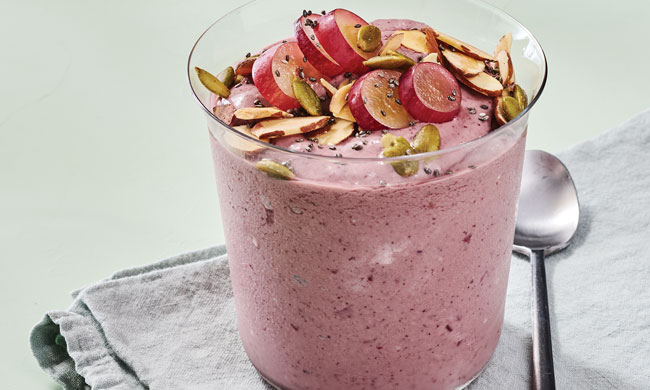
(Family Features) A crucial component of overall well-being, heart health can be a barometer for living a long, healthy and happy life. Because heart disease is the leading cause of death in the United States, according to the Centers for Disease Control and Prevention, taking steps to reduce your controllable risk factors – including poor diet, stress and inactivity – can set you on the right path.
From regular checkups and reducing stress to eating well – including heart-healthy snacks like grapes – and exercising regularly, these simple steps can help boost your heart health.
Know Your Numbers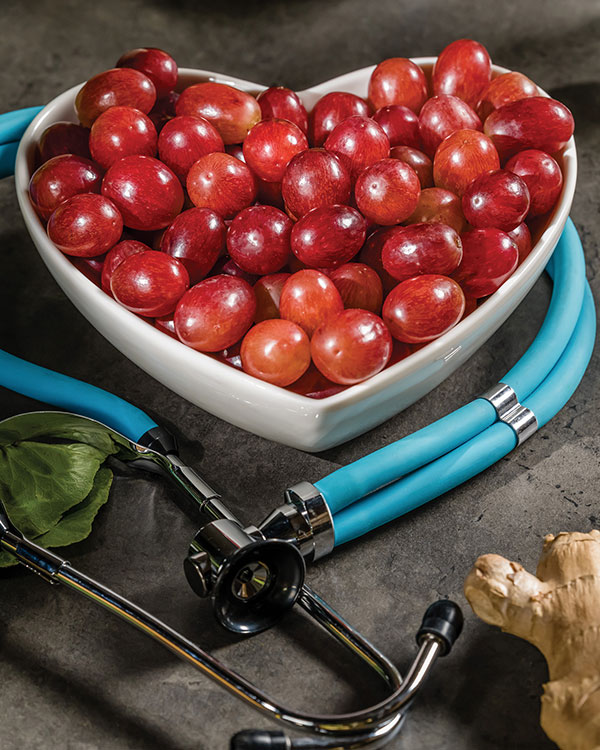
Knowing key health metrics such as blood pressure, cholesterol levels, blood sugar levels and body mass index can help you and your health care provider identify potential risks early. Schedule annual checkups and discuss any concerns you may have about your heart health. Early detection and risk factor management can reduce the likelihood of developing heart disease.
Eat More Fruits and Vegetables
Incorporating a variety of colorful fruits and vegetables into your diet can ensure you get a broad range of vitamins, minerals, fiber and antioxidants, all of which contribute to a healthy cardiovascular system. For example, leafy greens like spinach and kale are high in potassium, which helps manage blood pressure. Fresh grapes contain 7% of the daily recommended intake of potassium, are a good source of vitamin K and are also a natural source of beneficial antioxidants and other polyphenols, including flavonoids, that can help relax blood vessels and promote healthy circulation. Some studies also suggest grapes have a beneficial impact on blood lipids and more.
In fact, one study found women who consumed 1 1/4 cups of grapes every day benefited from reduced blood triglyceride levels, LDL cholesterol levels, inflammatory proteins and other markers of heart disease.
Bright, juicy and bursting with flavor, Grapes from California can be enjoyed by the handful or blended with rich bananas, tangy Greek yogurt and a hint of almond in The Great Grape-Acai Smoothie Bowl for a delicious blend of fruity flavors at breakfast, lunch or snack time – it not only tastes great, but supports a healthy heart.
Get Moving
Regular physical activity is one of the most effective ways to improve heart health. Exercise strengthens the heart muscle, improves blood circulation and helps maintain a healthy weight. Aim for at least 150 minutes of moderate-intensity aerobic exercise per week, as recommended by the American Heart Association, such as walking, jogging or swimming with strength training exercises like lifting weights or using resistance bands mixed in to help reduce the risk of heart disease and improve overall cardiovascular health.
Manage Stress
Consider your stress level: chronic stress can negatively impact heart health, increasing blood pressure and other risk factors for heart disease. Techniques such as deep breathing, meditation, yoga and regular physical activity can help manage stress levels and maintain a healthy heart. Additionally, taking time to engage in hobbies, spending time with loved ones and ensuring adequate sleep are stress-reducing activities that improve overall well-being and heart health.
To learn more about the heart-health benefits of grapes, and find additional heart-friendly recipes, visit GrapesFromCalifornia.com.
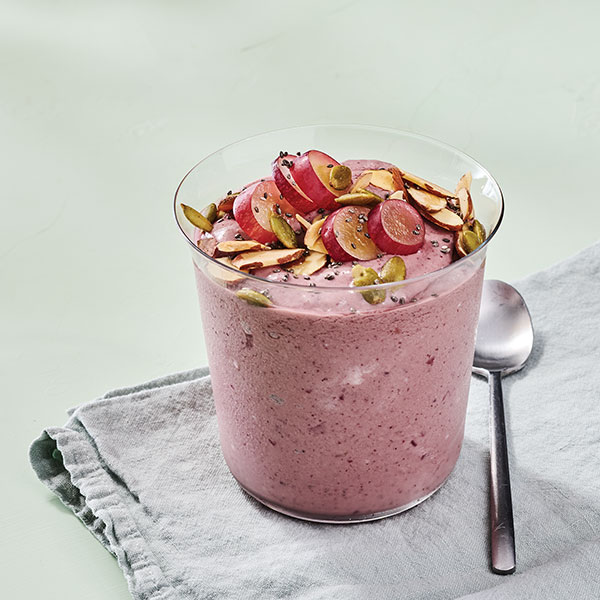
The Great Grape-Acai Smoothie Bowl
Servings: 1
Chicken:
- 1/2 cup red Grapes from California, fresh or frozen
- 1/2 banana
- 1 frozen acai fruit pack (3 1/2 ounces)
- 1/2 cup plain, nonfat Greek yogurt
- 1/4 teaspoon almond extract
Topping:
- 1/4 cup sliced red Grapes from California
- 1 tablespoon sliced, toasted almonds
- 1 tablespoon pepitas
- 1 teaspoon chia seeds
- In small blender, combine grapes, banana, acai, yogurt and almond extract; process until smooth.
- Pour into bowl and top with sliced grapes, sliced almonds, pepitas and chia seeds.
Nutritional information per serving: 420 calories; 19 g protein; 63 g carbohydrates; 12 g fat (26% calories from fat); 2.5 g saturated fat (5% calories from saturated fat); 5 mg cholesterol; 45 mg sodium; 8 g fiber.
SOURCE:
California Table Grape Commission
Discover more from Daily News
Subscribe to get the latest posts sent to your email.
Child Health
A Parent’s Guide to Navigating Picky Eating with Confidence
For families with young children, mealtimes can often feel like negotiations or even battles. If that sounds familiar, you’re not alone. Picky eating is one of the most universal challenges families face. With the right strategies, parents can reduce stress, build healthier habits and help children become more confident, curious eaters.
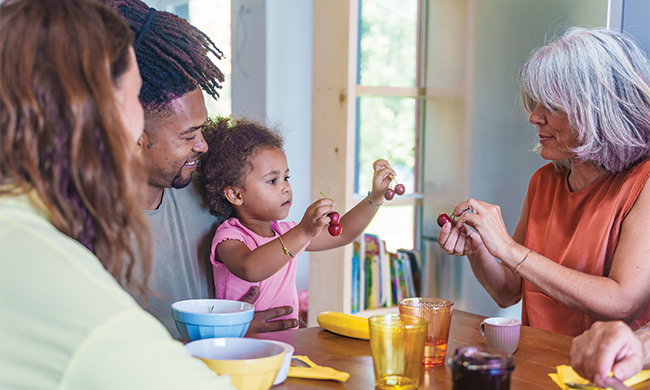
(Feature Impact)For families with young children, mealtimes can often feel like negotiations or even battles. If that sounds familiar, you’re not alone. Picky eating is one of the most universal challenges families face.
With the right strategies, parents can reduce stress, build healthier habits and help children become more confident, curious eaters. Dr. Lauren Loquasto, senior vice president and chief academic officer at The Goddard School, and registered dietitian Ali Bandier, founder of Senta Health and member of the Expert Council at Little Spoon, share these insights and guidance to help parents navigate picky eating.
Why Young Children are Picky Eaters
Picky eating isn’t just common; it’s an expected part of early childhood development. In fact, it would be more surprising if children didn’t experience a picky eating phase.
Picky eating is a natural expression of independence. As children enter toddlerhood, they discover they can assert control, and food becomes a typical place to do it. They can’t decide whether to go to school or take a bath, but they can decide whether to take a bite of broccoli.
Avoid the Power Struggle
The key for parents: stay calm, consistent and neutral. Pressuring children only makes picky eating worse.
Telling your child they must try one bite, celebrating excessively when they do eat a vegetable or resorting to negotiation (“three more bites then dessert”) can actually reduce their desire to eat. It also creates a dynamic that only reinforces the power struggle.
Instead, recognize the division of responsibility when it comes to eating. Parents decide what food is served, when it’s served and where meals happen. Children decide whether to eat and how much to eat. As a parent, you can’t force your child to eat; recognizing this is critical to reducing the mealtime tug‑of‑war and creating a calmer, more predictable environment for the entire family.
Exposure, Not Pressure

Young children often need repeated, low‑pressure exposure to a new food before trying it. Offering broccoli once likely isn’t enough. It’s important to offer it repeatedly, without commentary, bribing or coaxing.
Trying new foods is more than just ingesting them. Touching and smelling are steps toward tasting and acceptance. Involving children in food preparation – washing vegetables, stirring batter, mixing ingredients – lets them gain familiarity without the pressure of having to eat. Inclusion in this process increases curiosity and that curiosity is often followed by a willingness, or even desire, to try the food.
It’s also important for parents to model desired eating habits. If you want your child to try salmon but you’re eating pizza, they’re unlikely to want to eat the salmon. Daily family mealtimes – often dinner in busy households – where you’re modeling manners and eating the food you want your child to eat is key.
The Importance of Routines
For young children, routines provide structure, predictability and comfort. A consistent meal and snack schedule helps children learn what to expect and can reduce not only their anxiety around mealtimes, but parental anxiety, too.
Notably, there is no right or wrong schedule; every family needs to figure out what works best for their circumstances. What matters is setting a schedule and maintaining consistency. For example, if you provide a snack between breakfast and lunch, do it every day, not just a few days a week. This helps children know what to expect and feel comfortable.
Schedules also help parents resist “secondhand cooking.” When a child refuses the meal offered, parents often scramble to make alternatives, but this teaches the child if they hold out long enough, a preferred food will arrive. Instead, calmly remind your child when the next snack or meal will be: “OK, you don’t want to have the yogurt and fruit. That’s fine, but I’m not going to make something else. Snack time is in two hours.” This builds trust and reduces anxiety for everyone.
With patience, low-pressure exposure and consistent routines, most picky eaters gradually broaden their palates and mealtimes become more enjoyable for the whole family. For more parenting guidance, including the Parenting with Goddard blog and webinar series, visit the Parent Resource Center at GoddardSchool.com.
Photos courtesy of Shutterstock

SOURCE:
At our core, we at STM Daily News, strive to keep you informed and inspired with the freshest content on all things food and beverage. From mouthwatering recipes to intriguing articles, we’re here to satisfy your appetite for culinary knowledge.
Visit our Food & Drink section to get the latest on Foodie News and recipes, offering a delightful blend of culinary inspiration and gastronomic trends to elevate your dining experience. https://stmdailynews.com/food-and-drink/
Author

Discover more from Daily News
Subscribe to get the latest posts sent to your email.





