

Food
Fresh Del Monte Honored at Rabobank Leadership Summit: Shaping the Future of Food
Fresh Del Monte was honored at the Rabobank Leadership Summit for its commitment to responsible growth, innovation, and sustainability in the global food industry. Discover how this visionary company is shaping the future of food.

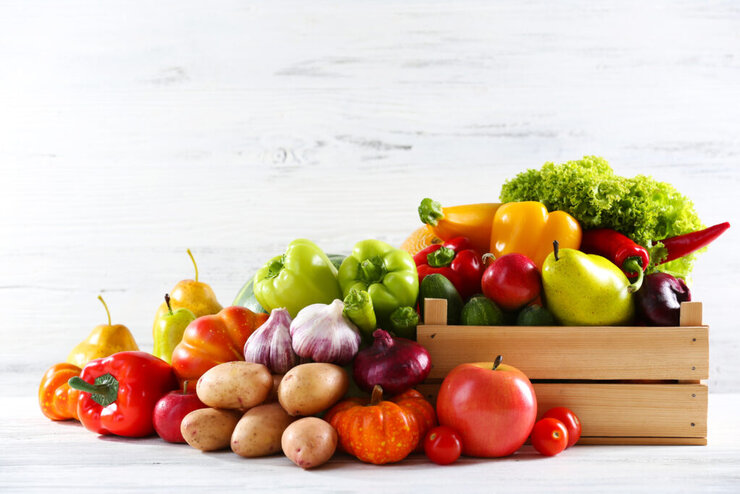
Heap of fresh fruits and vegetables
Fresh Del Monte Honored at Rabobank Leadership Summit: Shaping the Future of Food

Fresh Del Monte was honored among 400 distinguished guests during Rabobank’s annual Leadership Summit held in New York City on Thursday, December 4.
“Through bold innovation and a steadfast commitment to sustainability, they are not only stewarding responsible growth but also shaping the future of food for generations to come.”
At our core, we at STM Daily News, strive to keep you informed and inspired with the freshest content on all things food and beverage. From mouthwatering recipes to intriguing articles, we’re here to satisfy your appetite for culinary knowledge.
Visit our Food & Drink section to get the latest on Foodie News and recipes, offering a delightful blend of culinary inspiration and gastronomic trends to elevate your dining experience. https://stmdailynews.com/food-and-drink/


Food and Beverage
Purely Elizabeth Launches Purely Glow Granola, Its First Beauty-Inspired Limited Edition
Purely Elizabeth debuts Purely Glow Salted Vanilla Pistachio Granola, a limited-edition, beauty-inspired blend with collagen peptides and biotin, timed to New York Fashion Week.

Last Updated on April 1, 2026 by Daily News Staff
Purely Elizabeth is stepping beyond the breakfast bowl and into the “glow-from-within” conversation.
The Boulder-based natural foods brand announced the launch of Purely Glow Salted Vanilla Pistachio Granola, a limited-edition flavor that blends its signature crunchy clusters with beauty-inspired functional ingredients—including collagen peptides and biotin. The drop is timed to New York Fashion Week, signaling how quickly wellness brands are borrowing cues from beauty culture: trend-driven, ritual-focused, and built for social.
Why a “beauty granola” now?
If you’ve spent any time on TikTok lately, you’ve seen the shift: wellness content is increasingly framed like skincare—daily routines, “non-negotiables,” and ingredients people swear by.
Purely Elizabeth points to that momentum in the announcement, noting that TikTok posts featuring collagen increased by 70% over the past year compared to the previous two years. At the same time, pistachio has had its own breakout moment, with 55,000 pistachio-related TikTok posts in the most recent year—a 104% increase over the prior 24 months.
Translation: consumers aren’t just shopping for flavor anymore. They’re shopping for function, aesthetic, and ritual.
What’s inside Purely Glow Salted Vanilla Pistachio Granola
On the flavor side, Purely Glow is positioned as an elevated, dessert-leaning blend built around a salty-sweet profile:
- Organic oats
- Roasted pistachios
- Real vanilla bean
- A hint of sea salt
From a nutrition and formulation standpoint, the granola is:
- Gluten-free
- Sweetened with coconut sugar
- Baked with coconut oil
- A good source of fiber
- Enriched with collagen peptides, coconut water powder, and biotin
Founder and CEO Elizabeth Stein says the concept comes from a personal place—bringing together “nourishing food and daily beauty rituals,” and leaning into the idea that what you eat can be part of how you care for yourself.
A collab that takes it beyond the grocery aisle
To push the launch into lifestyle territory, Purely Elizabeth is partnering with Cha Cha Matcha for a limited-time “Purely Glow” menu at all locations.
The menu includes:
- Pistachio Matcha Lattes (hot or iced)
- A Purely Glow Yogurt Parfait layered with coconut yogurt, matcha chia pudding, and topped with Purely Glow Granola
The brand is also hosting “Glow Up” pop-up events to bring the product to life:
- Cha Cha Matcha Flatiron (NYC): February 12, 1:00 p.m. to 5:00 p.m., plus the weekend
- Cha Cha Matcha Beverly Hills: February 20–22
Availability and price
Purely Glow Granola launches February 12 for $7.99 and will be sold until it sells out. It’s available exclusively via:
- PurelyElizabeth.com
- TikTok Shop
- Cha Cha Matcha locations
A brand move that fits the moment
Purely Elizabeth has been around for 16 years and says it has remained the #1 granola brand in the natural channel for more than eight consecutive years—so this isn’t a reinvention as much as a strategic expansion.
The bigger takeaway: food brands are increasingly marketing like beauty brands. Limited editions. Ingredient storytelling. Collabs. Pop-ups. Social-first launches.
Purely Glow is a clean example of that playbook—built around a trending flavor (pistachio), a trending function (collagen/biotin), and a cultural moment (NYFW) that makes the product feel like more than breakfast.
For more details, visit purelyelizabeth.com.
Food and Beverage
JonnyPops Launches Refreshing New “No Sugar Added with Electrolytes” Mini Frozen Pops
JonnyPops is launching No Sugar Added with Electrolytes mini frozen pops—an organic, dye-free treat with hydration support—coming April 2026.

Last Updated on March 31, 2026 by Daily News Staff

JonnyPops Launches Refreshing New “No Sugar Added with Electrolytes” Mini Frozen Pops.
JonnyPops Launches Refreshing New “No Sugar Added with Electrolytes” Mini Frozen Pops
A better-for-you frozen treat meets hydration support in a grab-and-go mini format.
If you’ve ever reached for something cold after a workout, a long day outside, or when you’re just not feeling 100%, you’re not alone — and JonnyPops says its fans have been telling that story for a while.
The Minnesota-based frozen treat brand announced it’s expanding its No Sugar Added Minis lineup with a new option designed to be both refreshing and functional: JonnyPops “No Sugar Added with Electrolytes” mini frozen pops.
Fans asked for hydration-friendly pops — JonnyPops listened
According to the company, the new product was inspired by emails and social media comments from customers who were already using JonnyPops as a simple way to cool down and feel a little more hydrated.
JonnyPops says consumers shared stories about playing sports in the heat, spending time outdoors, or recovering from an illness — and how a frozen treat with hydration support would be the perfect pop for those moments.
That feedback led the brand to add electrolytes to its popular No Sugar Added Minis.
What’s inside the new minis
JonnyPops says the new “No Sugar Added with Electrolytes” minis are built around the same standards fans expect from the brand, including:
- Organic ingredients
- No artificial dyes
- No added sugar
- Electrolytes for hydration support
- Layered flavors designed for a fun, refreshing bite
“Consumers often share with us how JonnyPops is part of their everyday moments,” said Erik Brust, Co-Founder of JonnyPops. “We hope that these new frozen pops will be loved by our fans and enjoyed in all moments that need a refreshing treat.”
When you can find them
JonnyPops says the new minis are expected to hit stores in April 2026.
For updates on availability and additional product news, visit www.jonnypops.com and follow JonnyPops on social media.
About JonnyPops
JonnyPops’ tagline is “A Better Pop for a Better World!™” and the company says its mission is to make “delicious, magical products” while helping make the world a kinder place.
The brand notes its pops are free from artificial dyes, made in a peanut-free facility, and include a kind deed printed on every pop stick.
JonnyPops was founded in a St. Olaf College dorm room and sold its first pops at Twin Cities farmers’ markets and local cafes in 2012. Today, the company employs 200+ people, produces its frozen pops in-house, and is sold through major retailers across all 50 states.
Learn more at jonnypops.com or follow @jonnypops on Instagram.
Media contact
At our core, we at STM Daily News, strive to keep you informed and inspired with the freshest content on all things food and beverage. From mouthwatering recipes to intriguing articles, we’re here to satisfy your appetite for culinary knowledge.
Visit our Food & Drink section to get the latest on Foodie News and recipes, offering a delightful blend of culinary inspiration and gastronomic trends to elevate your dining experience. https://stmdailynews.com/food-and-drink/
Authors


CropX Technologies has launched CropX Vision, a new AI-powered vineyard monitoring solution designed to help growers measure vine water stress using a single canopy image.
The new tool uses computer vision and agronomic modeling to estimate leaf water potential from a smartphone photo, giving growers and agronomists a faster and more scalable way to assess plant stress across entire vineyard blocks. The company says the goal is to support better irrigation decisions throughout the growing season.
CropX Vision is available globally on both iOS and Android. The platform is also integrated into the broader CropX application, allowing users to combine canopy-based stress insights with other agronomic data in one place.
According to CropX, the technology offers an in-season alternative to traditional pressure chamber measurements, which can be more time-consuming and limited in sampling range. Instead of relying on specialized equipment, growers can capture a single image in the field and receive plant-level water stress insights.
The product builds on technology originally developed by Tule Technologies, a California-based precision irrigation company acquired by CropX in 2023. Tule’s canopy sensing technology has already been used in California vineyards, and CropX is now expanding that capability to growers worldwide.
CropX says the global release reflects its continued focus on data-driven tools that help growers improve productivity while managing water more efficiently.
CropX Vision is now available for download via the app stores:
- iOS: https://apps.apple.com/nl/app/cropx-vision/id6756921607?l=en-GB
- Android: https://play.google.com/store/apps/details?id=com.cropx.cropx_vision&pcampaignid=web_share
For more information, visit CropX Vision.
Visit the Food and Drink section on STM Daily News for the latest food news, beverage trends, restaurant stories, seasonal recipes, culinary events, and community-driven lifestyle coverage.





