

Family
Holiday Must-Haves: Make holiday shopping a cinch
There’s nothing quite like the joy of watching a loved one’s face light up when opening a gift you selected with care, but holiday shopping can be a chore.

Last Updated on November 28, 2025 by Daily News Staff
(Family Features) There’s nothing quite like the joy of watching a loved one’s face light up when opening a gift you selected with care, but holiday shopping can be a chore.
If you’re a shopper at heart, it may be a challenge you enjoy, but if the idea of holiday shopping brings out the Grinch in you, consider these ideas for gifts to delight those you love this holiday season.
Look for more ideas to make this holiday season magical at eLivingtoday.com.
Power Up Your Holidays with Protein
Whether you’re out shopping or traveling for the holiday, savor the season without compromising health goals by treating yourself to a Premier Protein Winter Mint Chocolate High Protein Shake. Featuring cozy chocolate and refreshing mint flavors, this seasonal favorite is back, but for a limited time only. Flavorful and packed with the nutrition you need, each shake includes 30 grams of protein, 160 calories and 1 gram of sugar. Whether you drink this shake on its own or use it as an ingredient, you can ring in the season with a healthy amount of vitamins C and E, important antioxidants to support a healthy immune system as part of a healthy diet and lifestyle. Learn more at PremierProtein.com.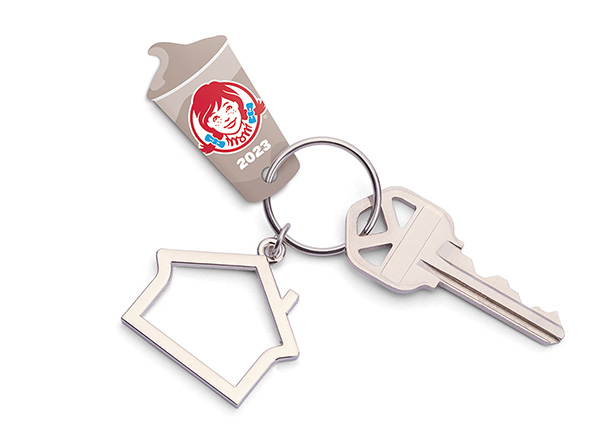
Holiday Sweets for a Good Cause
Few things go together like the holiday season and sweet treats. By gifting family and friends Wendy’s Frosty Key Tags, which are good for a free Jr. Frosty with every purchase, you can give back all year long because proceeds from every tag sold helps the Dave Thomas Foundation for Adoption find loving, adoptive homes for children in foster care. Available for purchase every November and December, tags are good for one full year and can be purchased in-restaurant, at the drive-thru, via a kiosk, through the app or at Wendys.com.
Step Up Gifting with Fashion-Forward Footwear
Every fashionista knows there’s no such thing as too many shoes, and that includes ankle boots and booties that never go out of style. These low-slung styles can be dressed up or down, depending on the look you’re wearing. Among this season’s hottest designs are faux animal prints, such as cheetah or snakeskin, that add some playful color and texture to complete an ensemble. If you’re not sure about the color or style, a classic black or brown bootie with well-padded soles and a moderate heel is a versatile choice with universal appeal.
Brrr-ing Gifts of Warmth and Good Cheer
Give loved ones an easy way to brighten a cold, dreary day with a cute and cozy matching hat and glove set. It’s a thoughtful and practical gift that brings a smile to recipients’ faces each time they don those warm layers to face a blustery day. What’s more, with all the options for personalization, it’s an affordable way to show you care. When choosing the perfect duo, keep your loved ones’ tastes and preferences in mind. You can find hats and gloves to match virtually any interest, whether it’s a favorite color, sports team or pop culture reference.
Holiday Shopping Hot List
Turns out, Santa may be onto something. Making your list and checking it twice can help you save money (and your sanity) during the holiday season.
- Set a budget and stick to it. Remember to include all your seasonal expenses, including Secret Santa and teacher gifts, ingredients for dishes you’ll take to potluck gatherings and admission to special holiday activities.
- Make a list. Having an idea of what you’d like to buy can help you stick to your budget and avoid frustration when you’re in the stores. You’ll be more likely to avoid costly impulse purchases and you’ll be more efficient while shopping. If you can, jot down a couple of backup ideas just in case what you want proves hard to find or exceeds your budget.
- Shop for deals. Before you head out shopping, research specials on the items on your list. You may be able to adjust your timing to take advantage of sales or find steep discounts at stores you don’t normally visit.
- Give yourself plenty of time. If holiday shopping stresses you out, it’s a good idea to start early. That way you can tackle a little at a time and avoid feeling the pressure of a ticking clock. Also try shopping during off-peak hours, such as during the week, when stores are likely to be less crowded.
- Map out your plan of attack. Planning the most direct route to travel from one retailer to the next can help keep you organized and avoid unnecessary backtracking. You can also save time and gas by making purchases online. Be sure to watch for promotions that provide free shipping and be conscious of shipping times to ensure gifts arrive in time for the big day.
Photo courtesy of Getty Images (couple with gifts)
Photos courtesy of Unsplash (boots and hats)
SOURCE:
Premier Protein
Wendy’s
Author


Last Updated on April 3, 2026 by Daily News Staff
(Feature Impact) Easter celebrations don’t need to be elaborate to feel special. A few thoughtful touches – from elegant decor to sweet seasonal treats – can instantly elevate baskets, brunch tables and spring gatherings.
Darling Decor
Few things capture the spirit of spring like a welcoming table. Creating an Easter-ready setting can be simple: pastel eggs nestled in woven baskets, floral runners, ribbons, paper napkins, egg-shaped votives and whimsical bunny accents instantly brighten the scene. Layering soft colors and natural textures helps create a table that feels festive yet effortless.
 Brunching with Bunnies
Easter is the perfect excuse to refresh your brunch menu. A signature dish – whether it’s a savory quiche, fluffy pancakes or a fresh fruit board – paired with playful mocktails can instantly set a celebratory tone.
For a sweet finishing touch, add a bowl of Ferrero Rocher premium gold-wrapped chocolates to the table. They double as both a treat and eye-catching accent. Guests can also enjoy the brand’s first-ever hollow bunny candy, “Bunny and Egg,” a festive seasonal chocolate designed especially for Easter celebrations. These elegant treats work just as well tucked into Easter baskets as they do placed around the table for guests to enjoy.
Festive Florals
No spring table is complete without flowers. Seasonal favorites like tulips, daffodils, hyacinths and white lilies can brighten any gathering. Arrange them in rabbit-shaped planters or simple bud vases for a playful touch. For a creative twist, fill clear vases with colorful stones, craft gems or even jellybeans before adding blooms for a centerpiece that feels both festive and fresh.
Beyond Basic Baskets
Easter baskets have evolved beyond simple candy assortments. Today’s baskets often feature curated treats and small gifts for everyone at the table. For a premium addition, Ferrero Rocher Golden Eggs – individually wrapped white, milk and dark chocolates with a smooth, indulgent center – bring a touch of elegance to baskets, egg hunts or springtime place settings.
Sweet Moments to Share
Sometimes the most memorable Easter traditions are the simplest ones – sharing dessert after brunch, passing around chocolates at the table or sending guests home with a small sweet treat. Setting out a bowl of chocolates encourages everyone to pause, indulge and celebrate the moment together.
Find more elegant treat and decor ideas to elevate your Easter celebration at ferrerorocher.com.
Photo courtesy of Shutterstock (man and woman painting Easter eggs)

 SOURCE:
Our Lifestyle section on STM Daily News is a hub of inspiration and practical information, offering a range of articles that touch on various aspects of daily life. From tips on family finances to guides for maintaining health and wellness, we strive to empower our readers with knowledge and resources to enhance their lifestyles. Whether you’re seeking outdoor activity ideas, fashion trends, or travel recommendations, our lifestyle section has got you covered. Visit us today at https://stmdailynews.com/category/lifestyle/ and embark on a journey of discovery and self-improvement.
Lifestyle
How to Practice Thoughtful Grief Etiquette Online
Grief experts advise caution in sharing condolences and loss-related information on social media, emphasizing the importance of prioritizing the grieving family’s needs. Thoughtful posting practices include waiting for family approval, reaching out privately first, and avoiding speculation about the cause of death. Compassionate communication is essential in these sensitive situations.
Last Updated on March 31, 2026 by Daily News Staff
(Feature Impact) News of a death can spread online in seconds – often before families have notified close family members privately. That’s why grief experts urge people to rethink how they share condolences, tributes and loss-related information on social media, particularly during the winter months when grief can feel especially isolating.
“Grief etiquette is about putting the needs of the grieving family first, not our urge to say something publicly,” said Dr. Camelia L. Clarke, National Funeral Directors Association (NFDA) spokesperson, funeral director and grief educator with nearly 30 years of experience. “Just because information can be shared instantly doesn’t mean it should be.”
Social media has become a common place for sharing condolences, tributes and memories. However, grief experts caution that, without thoughtful consideration, online posts can unintentionally cause harm. Knowing when to post, what to say and when to remain silent can make a meaningful difference for families experiencing loss.
Consider this advice from the experts at the NFDA.
Grief Etiquette in the Digital Age
Grief etiquette refers to the unspoken guidelines for how individuals acknowledge death, loss and mourning, particularly online.
According to Clarke, one of the most important principles is restraint.
“When a death is shared online too quickly, families can feel exposed and overwhelmed at a moment when they’re still processing the loss themselves,” she said. “Waiting is an act of compassion.”
Best Practices for Posting About Loss Online
As social media continues to play a role in modern mourning, grief professionals encourage users to pause before posting and consider a few key guidelines:
- Let the family lead. Don’t post about a death until the immediate family has made it public.
- Ask permission. Obtain consent before sharing photos, stories or tributes.
- Reach out privately first. A direct message, call or handwritten note can be more meaningful than a public comment.
- Avoid speculation. Don’t ask about or share details regarding the cause of death.
- Offer ongoing support. Grief extends far beyond the first days or weeks after a loss.
What to Say (and Avoid)
When expressing condolences online, experts recommend simplicity, sincerity and sensitivity. Messages that acknowledge loss without attempting to explain or minimize it are often the most supportive.
Helpful phrases include:
- “I’m sorry for your loss.”
- “Thinking of you and your family.”
- “I’m here if you want to talk or need anything.”
By contrast, well-meaning cliches can unintentionally cause harm. Phrases such as “They’re in a better place” or “Everything happens for a reason” may reflect the speaker’s beliefs, but they can feel dismissive to someone grieving.
“Grieving people don’t need answers – they need presence,” Clarke said. “Listening matters more than saying the perfect thing.”
Resources for Families and Friends
As digital spaces continue to shape how people communicate during life’s most difficult moments, experts agree empathy, patience and respect remain timeless.
“Grief is deeply personal,” Clarke said. “When we slow down and lead with compassion, we honor both the person who has died and those who are left to grieve.”
To learn more about how to support a grieving person and access free, expert-reviewed resources for navigating grief, expressing condolences and supporting loved ones before, during and after a loss, visit RememberingALife.com, an initiative of the NFDA.
Photo courtesy of Shutterstock
<img src="https://ssl.google-analytics.com/collect?v=1&tid=UA-482330-7&cid=1955551e-1975-5e52-0cdb-8516071094cd&sc=start&t=pageview&dl=http%3A%2F%2Ftrack.familyfeatures.com%2F17832%2F10240&dt=HOW-TO-PRACTICE-THOUGHTFUL-GRIEF-ETIQUETTE-ONLINE" />
<img src="https://erp.featureimpact.com/api/v1/tracking/17832/10240/track.gif" />SOURCE:
News
Children can be systematic problem-solvers at younger ages than psychologists had thought – new research
Child psychologists: Celeste Kidd’s research challenges long-standing ideas from Jean Piaget about children’s problem-solving abilities. Her findings show that children as young as four can independently utilize algorithmic strategies to solve complex tasks, contradicting the belief that systematic logical thinking develops only after age seven. This insight highlights the importance of nurturing algorithmic thinking in early education.

Last Updated on March 16, 2026 by Daily News Staff
Celeste Kidd, University of California, Berkeley
I’m in a coffee shop when a young child dumps out his mother’s bag in search of fruit snacks. The contents spill onto the table, bench and floor. It’s a chaotic – but functional – solution to the problem.
Children have a penchant for unconventional thinking that, at first glance, can look disordered. This kind of apparently chaotic behavior served as the inspiration for developmental psychologist Jean Piaget’s best-known theory: that children construct their knowledge through experience and must pass through four sequential stages, the first two of which lack the ability to use structured logic.
Piaget remains the GOAT of developmental psychology. He fundamentally and forever changed the world’s view of children by showing that kids do not enter the world with the same conceptual building blocks as adults, but must construct them through experience. No one before or since has amassed such a catalog of quirky child behaviors that researchers even today can replicate within individual children.
While Piaget was certainly correct in observing that children engage in a host of unusual behaviors, my lab recently uncovered evidence that upends some long-standing assumptions about the limits of children’s logical capabilities that originated with his work. Our new paper in the journal Nature Human Behaviour describes how young children are capable of finding systematic solutions to complex problems without any instruction. https://www.youtube.com/embed/Qb4TPj1pxzQ?wmode=transparent&start=0 Jean Piaget describes how children of different ages tackle a sorting task, with varying success.
Putting things in order
Throughout the 1960s, Piaget observed that young children rely on clunky trial-and-error methods rather than systematic strategies when attempting to order objects according to some continuous quantitative dimension, like length. For instance, a 4-year-old child asked to organize sticks from shortest to longest will move them around randomly and usually not achieve the desired final order.
Psychologists have interpreted young children’s inefficient behavior in this kind of ordering task – what we call a seriation task – as an indicator that kids can’t use systematic strategies in problem-solving until at least age 7.
Somewhat counterintuitively, my colleagues and I found that increasing the difficulty and cognitive demands of the seriation task actually prompted young children to discover and use algorithmic solutions to solve it.
Piaget’s classic study asked children to put some visible items like wooden sticks in order by height. Huiwen Alex Yang, a psychology Ph.D. candidate who works on computational models of learning in my lab, cranked up the difficulty for our version of the task. With advice from our collaborator Bill Thompson, Yang designed a computer game that required children to use feedback clues to infer the height order of items hidden behind a wall, .
The game asked children to order bunnylike creatures from shortest to tallest by clicking on their sneakers to swap their places. The creatures only changed places if they were in the wrong order; otherwise they stayed put. Because they could only see the bunnies’ shoes and not their heights, children had to rely on logical inference rather than direct observation to solve the task. Yang tested 123 children between the ages of 4 and 10. https://www.youtube.com/embed/GlsbcE6nOxk?wmode=transparent&start=0 Researcher Huiwen Alex Yang tests 8-year-old Miro on the bunny sorting task. The bunnies are hidden behind a wall with only their sneakers visible. Miro’s selections exemplify use of selection sort, a classic efficient sorting algorithm from computer science. Kidd Lab at UC Berkeley.
Figuring out a strategy
We found that children independently discovered and applied at least two well-known sorting algorithms. These strategies – called selection sort and shaker sort – are typically studied in computer science.
More than half the children we tested demonstrated evidence of structured algorithmic thinking, and at ages as young as 4 years old. While older kids were more likely to use algorithmic strategies, our finding contrasts with Piaget’s belief that children were incapable of this kind of systematic strategizing before 7 years of age. He thought kids needed to reach what he called the concrete operational stage of development first.
Our results suggest that children are actually capable of spontaneous logical strategy discovery much earlier when circumstances require it. In our task, a trial-and-error strategy could not work because the objects to be ordered were not directly observable; children could not rely on perceptual feedback.
Explaining our results requires a more nuanced interpretation of Piaget’s original data. While children may still favor apparently less logical solutions to problems during the first two Piagetian stages, it’s not because they are incapable of doing otherwise if the situation requires it.
A systematic approach to life
Algorithmic thinking is crucial not only in high-level math classes, but also in everyday life. Imagine that you need to bake two dozen cookies, but your go-to recipe yields only one. You could go through all the steps of making the recipe twice, washing the bowl in between, but you’d never do that because you know that would be inefficient. Instead, you’d double the ingredients and perform each step only once. Algorithmic thinking allows you to identify a systematic way of approaching the need for twice as many cookies that improves the efficiency of your baking.
Algorithmic thinking is an important capacity that’s useful to children as they learn to move and operate in the world – and we now know they have access to these abilities far earlier than psychologists had believed.
That children can engage with algorithmic thinking before formal instruction has important implications for STEM – science, technology, engineering and math –education. Caregivers and educators now need to reconsider when and how they give children the opportunity to tackle more abstract problems and concepts. Knowing that children’s minds are ready for structured problems as early as preschool means we can nurture these abilities earlier in support of stronger math and computational skills.
And have some patience next time you encounter children interacting with the world in ways that are perhaps not super convenient. As you pick up your belongings from a café floor, remember that it’s all part of how children construct their knowledge. Those seemingly chaotic kids are on their way to more obviously logical behavior soon.
Celeste Kidd, Professor of Psychology, University of California, Berkeley
This article is republished from The Conversation under a Creative Commons license. Read the original article.
Dive into “The Knowledge,” where curiosity meets clarity. This playlist, in collaboration with STMDailyNews.com, is designed for viewers who value historical accuracy and insightful learning. Our short videos, ranging from 30 seconds to a minute and a half, make complex subjects easy to grasp in no time. Covering everything from historical events to contemporary processes and entertainment, “The Knowledge” bridges the past with the present. In a world where information is abundant yet often misused, our series aims to guide you through the noise, preserving vital knowledge and truths that shape our lives today. Perfect for curious minds eager to discover the ‘why’ and ‘how’ of everything around us. Subscribe and join in as we explore the facts that matter. https://stmdailynews.com/the-knowledge/





