

Lifestyle
How to Improve Your Dog’s Gut Health

Last Updated on June 16, 2025 by Rod Washington

(Family Features) When it comes to humans, gut health can be a great indicator of overall health. Often, when illnesses or conditions arise, symptoms are present in the gastrointestinal system. It makes sense that when you’re feeling bad or extra stressed, you can feel it in your stomach or your bowels – and the same is true for your pet.
“When my dogs are dealing with stomach issues, they’re not themselves – they just seem off,” said Kaley Cuoco, co-founder of Oh Norman!, a pet wellness brand. “That’s why I became so obsessed with finding a way to boost their digestive health.”
Gut health involves several components of the gastrointestinal tract, including the microbiome (bacteria, viruses and fungi) and digestive system, which controls how the body breaks down and absorbs the nutritional components of food.
A healthy gut allows your pet to live comfortably with good overall wellness and a properly functioning immune system. Dogs with healthy guts have a moderate, consistent appetite and maintain a healthy weight. They have adequate energy and even look visibly healthy with a shiny coat. Their stools are firm and regular.
Conversely, dogs with gut health problems may be lethargic and have problems with excess or too little weight. They may experience pain, bad breath, poor skin condition and a variety of gastro symptoms like constipation, gas, vomiting or diarrhea.
If you’re concerned about your dog’s gut health, consider these tips from the animal-loving experts at Oh Norman!:
Consult with your veterinarian. Problems with gut health can have a dizzying number of sources, so if your dog exhibits signs of a gut health issue that seem severe or don’t go away within a day or two, it’s a good idea to talk with an expert. The advice you get will be tailored to your pet’s specific circumstances and needs so you can help your four-legged friend feel better fast.
Pay attention to your dog’s diet. A good gut-health eating plan is fiber-rich and balanced with protein, vegetables and healthy fats. Foods that contain probiotics support good bacteria while prebiotics help feed good bacteria. Food allergies or intolerances can also trigger gut health problems, so pay attention to ingredients that may be problematic for your pet.
Add supplements to boost the microbiome. If you’re concerned, and your veterinarian agrees, it may be useful to supplement your dog’s diet to support gut health. One option is Good Effing Gut, a functional soft chew from Oh Norman! formulated to support digestive and immune health in dogs. Suitable for dogs of all ages, these chews promote a balanced gut microbiome, support healthy digestion and immune functions and may aid weight management. Available in a natural pumpkin cinnamon flavor, the chews offer safe, effective ingredients including pumpkin and chicory root (prebiotics), Bacillus subtilis (probiotic) and Lactobacillus acidophilus (postbiotic), which work together to promote nutrient absorption, maintain healthy digestion, support skin and coat health and contribute to overall canine wellness.
Eliminate external factors. If your dog’s gut health issues aren’t driven by diet, some environmental adjustments can make a difference. For example, creating a more peaceful, secure living environment can help settle gut problems.
Practice good general care. Providing your pet with consistent loving care can also play a role in gut health. Dogs that feel safe, are well-disciplined, get regular exercise and remain well-hydrated tend to have stronger gut health.
Learn more about good gut health for your dog at ohnorman.com.
SOURCE:
Author


health and wellness
Heart Risks Go Beyond the Heart: Don’t Forget to Check Blood Sugar and Kidney Health
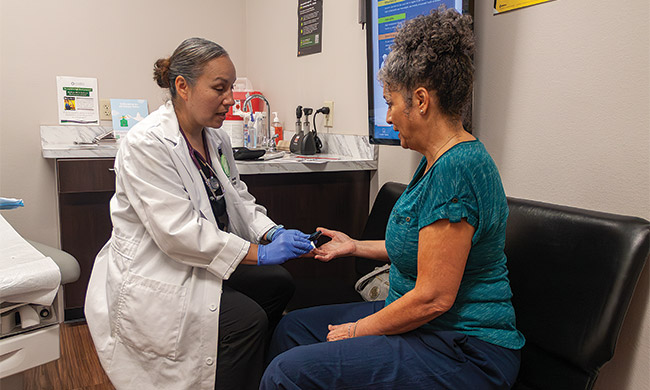
Heart Risks Go Beyond the Heart: Don’t Forget to Check Blood Sugar and Kidney Health
(Feature Impact) Diabetes and kidney disease are major risk factors for heart disease, yet many cases are undiagnosed. In fact, most people don’t realize their heart, kidney and metabolic health – how the body creates, uses and stores energy – are connected. Understanding these connections can help you take steps toward protecting your long-term health.
Cardiovascular-kidney-metabolic (CKM) syndrome is a health condition that includes heart disease, kidney disease, diabetes and obesity. Many people don’t realize they’re at risk, though, because they aren’t aware of health risks beyond the heart. Almost 1 in 4 U.S. adults with diabetes are unaware they have it, according to a 2026 statistics update from the American Heart Association. In addition, data from the Centers for Disease Control and Prevention shows that as many as 9 in 10 adults with chronic kidney disease don’t know they’re living with the condition.
Learning about CKM syndrome can be a helpful step in understanding your overall health picture.
How are CKM conditions connected?
Heart disease, kidney disease and diabetes have shared risk factors – including high blood pressure, cholesterol and blood sugar; excess weight; and reduced kidney function – and they’re closely linked. Having one condition often increases the likelihood of developing the others.
“We are encouraging people to become aware of the connection between conditions so they and their health care team can think about their overall health beyond individual conditions,” said Stacey E. Rosen, M.D., FAHA, volunteer president of the American Heart Association, executive director of the Katz Institute for Women’s Health and senior vice president of women’s health at Northwell Health. “Understanding the connection helps you better prevent complications through lifestyle changes and appropriate treatment.”
The biggest health threats from CKM syndrome are disability and death from heart disease and stroke, which make up the “cardiovascular” part of CKM. The “metabolic” part includes diabetes and obesity. Kidney disease is closely linked with both metabolic and cardiovascular diseases.
 How common is CKM syndrome?
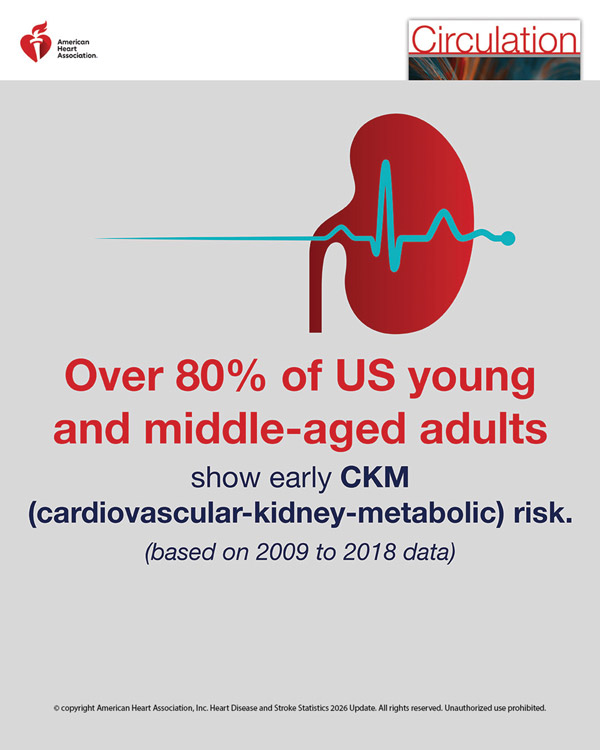
CKM-related risks are common. Nearly 90% of U.S. adults have at least one risk factor for CKM syndrome. The 2026 statistics report showed about half of all U.S. adults have high blood pressure, about 1 in 3 has high total cholesterol, more than half have prediabetes or diabetes, about 1 in 7 has kidney disease and more than half have a high waist circumference.
These risks often develop slowly, with few or no symptoms at first, but you can stay informed. Rosen emphasizes regular screening of your cardiovascular, kidney and metabolic health, which can catch problems early.
“Due to the current risk factor rates, everyone could benefit from being screened this way,” she said.
Regular check-ins with your health care team can offer a clearer picture of your CKM health. They can check your:
- Blood pressure
- Cholesterol panel (total cholesterol, LDL (bad) cholesterol, HDL (good) cholesterol and triglycerides)
- Blood glucose (blood sugar), measured in either the short term as fasting glucose or long term as A1C
- Body weight and size, measured by body mass index and waist circumference
- Kidney function, using both UACR and eGFR
These results can be used in the PREVENT online calculator to estimate your risk for cardiovascular disease over the next 10 or 30 years. CKM syndrome can often be prevented and improved with healthy daily habits like those in Life’s Essential 8 and science-based treatments.
The CKM Health Initiative was introduced by the American Heart Association to raise awareness of the connections between CKM syndrome conditions and improve diagnosis rates. It’s supported by founding sponsors Novo Nordisk and Boehringer Ingelheim, supporting sponsors Novartis Pharmaceuticals Corporation and Bayer, and champion sponsor DaVita.
Visit Heart.org/myCKMhealth to learn more about CKM health, including screening and treatment options.


SOURCE:
Our Lifestyle section on STM Daily News is a hub of inspiration and practical information, offering a range of articles that touch on various aspects of daily life. From tips on family finances to guides for maintaining health and wellness, we strive to empower our readers with knowledge and resources to enhance their lifestyles. Whether you’re seeking outdoor activity ideas, fashion trends, or travel recommendations, our lifestyle section has got you covered. Visit us today at https://stmdailynews.com/category/lifestyle/ and embark on a journey of discovery and self-improvement.
Last Updated on April 6, 2026 by Daily News Staff
(Feature Impact) Heart disease is something many adults push to the back of their minds if they are not experiencing symptoms; a concern for “later” in life. However, that mindset may be changing. New research suggests younger generations are thinking about their cardiovascular health earlier and with greater urgency.
They’re right to be thinking about it, too. Data from the American Heart Association shows heart disease is still the No. 1 killer of Americans. In fact, someone dies from cardiovascular disease every 34 seconds in the United States.
Risk factors such as obesity, high blood pressure, diabetes, and kidney disease are on the rise, too. Nearly half of U.S. adults have high blood pressure (47%), and obesity (42%), and more than half (57%) have type 2 diabetes or prediabetes.
Despite growing concern about heart health, many adults remain unclear about their personal risk. In fact, a majority of respondents (62%) in a survey conducted by Atomik Research on behalf of Doctor’s Best said they don’t know their current risk for heart disease. To provide context on these findings and highlight emerging heart health trends, Dr. Tania Elliott, a dual board-certified physician in internal medicine, offers some insights.
Feeling Fatigue
In the study, only 50% of respondents reported feeling energetic on a daily basis. Among those who reported feeling fatigued, 46% listed stress as their top perceived contributor, followed by insufficient sleep (38%), both of which are closely tied to cardiovascular health.
Troubling Symptoms
Among Gen Z respondents, 25% reported having shortness of breath during activity or while lying down, compared to just 16% of Baby Boomers, which is commonly associated with compromised heart health.
 Statins and Youth
Statins, which help address cardiovascular risk factors such as high cholesterol, are among the most commonly prescribed drugs in America, with more than 92 million Americans currently taking them, according to the Cleveland Clinic. Although most survey respondents (76%) aren’t currently taking a statin, 17% of adults ages 25-34 reported using statin therapy, which is an unexpectedly high proportion given their age and the group’s low anticipated risk of cardiovascular disease.
Side Effects of Statins
Among those taking statins, which are considered a first-line treatment for treating high cholesterol and reducing heart disease risk, 54% reported experiencing side effects, particularly muscle pain (23%) and fatigue (31%). However, taking statins can also affect levels of Coenzyme Q10 (CoQ10), which supports cellular energy and cardiovascular function.
All About CoQ10
Cells use CoQ10 to produce energy and detoxify. Studies have shown people with heart failure who took CoQ10 had around a 50% reduction in mortality. Despite this, awareness is low. Nearly two-thirds (66%) of respondents had never heard of CoQ10 and that number jumps to 76% of adults ages 25-34. Additionally, only a small percentage of respondents (8%) who were on a statin reported having their CoQ10 level tested.
“We have a real opportunity to help younger adults take a more proactive approach to heart health,” Elliott said. “CoQ10 plays a critical role in cellular energy production and heart muscle function, and it can decline with age and statin use.”
If you’re among the 71% of survey respondents who expressed a willingness to learn more about improving your heart health, talk with your health care provider and visit DoctorsBest.com to learn more.
Strategies to Support Heart Health
While some risk factors for heart disease, like age and family history, are out of your control, you can make lifestyle changes to help lower your risk:
- Eat Whole Foods: A heart-healthy eating plan includes plenty of lean proteins as well as fruits, vegetables, beans, whole grains and foods high in omega-3s, such as salmon, nuts and plant oils.
- Know Your CoQ10 Levels: If you’re low, look for a high-quality, bioavailable formula, like Doctor’s Best High Absorption CoQ10 with BioPerine, which supports energy production and muscle function.
- Get Moving: The American Heart Association recommends 150 minutes of moderate-intensity or 75 minutes of vigorous aerobic activity per week to help control weight and lower the risk for conditions that negatively impact the heart.
Photo courtesy of Shutterstock (woman with hand over chest)

SOURCE:
Our Lifestyle section on STM Daily News is a hub of inspiration and practical information, offering a range of articles that touch on various aspects of daily life. From tips on family finances to guides for maintaining health and wellness, we strive to empower our readers with knowledge and resources to enhance their lifestyles. Whether you’re seeking outdoor activity ideas, fashion trends, or travel recommendations, our lifestyle section has got you covered. Visit us today at https://stmdailynews.com/category/lifestyle/ and embark on a journey of discovery and self-improvement.
Travel
Curating a Memorable Vacation: Ways to Invest in the Experience of Family Travel
For many Americans, their most treasured family memories took place on a vacation or trip rather than at home. With Alaska on the travel bucket list of more than two-thirds of Americans, it’s a destination that is influencing experience-focused family adventures.
Last Updated on April 4, 2026 by Daily News Staff
(Family Features) Travel has a way of slowing time down, creating memories for loved ones that last long after suitcases are unpacked and regular routines return. For many Americans, their most treasured family memories took place on a vacation or trip rather than at home.
In fact, nearly 67% said they value a core memory more than a physical souvenir after a vacation, according to a survey commissioned by Holland America Line, a cruise line that has been exploring Alaska for nearly 80 years. What’s more, almost 86% of survey respondents said they have looked at photos or videos from a past trip to lift their mood, and more than 90% said positive travel memories can improve their mood during difficult times.
With Alaska on the travel bucket list of more than two-thirds of Americans, it’s a destination that is influencing experience-focused family adventures.
 Explore Curiosities
Travel is about more than seeing new places. For many Americans, it’s also a time to learn, explore new interests and slow down. Booking a cruise can encourage those behaviors.
According to the survey, 61% of Americans are more likely to try new foods while traveling on a cruise, and nearly half (48%) said they’ve discovered a new interest or hobby during their cruise, including wildlife, food, history or culture. For example, cruise guests may be able to try local specialties, like fresh Alaskan seafood, reindeer sausage, birch syrup and Alaskan berries, while on board.
Unstructured time is part of the appeal of cruises, with 28% of respondents sharing they read more during their trips.
Focus on Nature
Nature-focused destinations stand out because they offer experiences that feel rare and immersive, especially in places where wildlife and landscapes are central to the journey. More than 4 in 10 survey respondents said seeing wildlife in nature would be the most memorable family vacation experience, compared with about 12% who said meeting a character at a theme park would stand out most.
Whether spotting whales, watching glaciers calve or seeing the Northern Lights stretch across the Alaskan sky, the landscape being part of the experience helps define the journey. To help guests witness the majestic animals found in Alaska, including whales, eagles, bears, moose, otters, seals, sea lions and more, Holland America Line carries a wildlife expert on board. Plus, a wildlife spotting guide points out native animals found along the cruise route and a map with the best places to see each species is included.
“Guests tell us time and again how profoundly nature shapes the memories they carry home,” said Robert Morgenstern, senior vice president of Alaska Operations at Holland America Line. “Wildlife sightings, time outdoors and shared moments linger long after the cruise ends, especially for families exploring Alaska together.”
Reimagine Family Time
For families, travel often creates time for bonding that daily routines simply don’t allow. More than half of the survey respondents said their best family memories occurred while traveling together, and more than 4 out of 5 (82%) said some of their strongest family bonding moments happened during a vacation or family trip.
In addition to shared memories, more than 91% said travel had a positive impact on their mental and emotional well-being.
As travelers look for relief from routine and overstimulation, finding experiences rooted in nature, exploration and shared moments can help create lasting memories and emotional connection.
To learn more about Alaska travel and book your next family adventure, visit hollandamerica.com.
SOURCE:





