

Food and Beverage
Pavos creativos

Last Updated on July 14, 2024 by Daily News Staff
Ideas deliciosas y únicas para la comida sobrante

(Family Features) Cuando terminan las festividades, la mayoría de los anfitriones siguen hablando del pavo. ¿Qué hacer con tanto sobrante de ave?
Durante el fin de semana largo posterior a las reuniones festivas, puede encontrar un uso útil para esos sobrantes. Hay muchas delicias novedosas con pavo, que serán de gran ayuda para aprovechar las sobras y vaciar el refrigerador.
Para servir con tranquilidad sabrosos platillos a sus seres queridos, busque en el empaque del pavo el sello del Departamento de Agricultura de los Estados Unidos (USDA), que indica que el pavo fue criado por granjeros responsables que no suministran antibióticos que promueven el crecimiento. Una buena opción es Honeysuckle White, la primera marca líder de pavos que comercializa pavos sin antibióticos que promueven el crecimiento y no cobra un precio más elevado.
La calidad comienza en la granja
Hace más de 20 años, Darrell Glaser, un granjero de sexta generación de Texas, comenzó a criar pavos con su madre Jeannette y su esposa Shannon. Hoy en día, sus cuatro hijos también ayudan en la granja familiar.
“Intentamos ofrecer un producto de calidad que otras familias disfruten con tranquilidad durante las festividades”, destacó Glaser.
Glaser, que ha criado casi 14 millones de pavos, señala que todo comienza cuidando la salud y la comodidad de las aves.
“Cuidamos que el entorno sea el indicado para nuestros pavos. Esto incluye mantener secos los pisos de los graneros, que ingrese bastante aire fresco y que las aves reciban agua y alimentos de buena calidad”, manifestó Glaser.
Glaser afirma que si los pavos están felices y cómodos, por lo general, son sanos: se reduce la necesidad de recetar medicamentos, como los antibióticos.
Glaser y su familia son una de las más de 700 familias granjeras independientes que se encargan de criar pavos para Honeysuckle White sin suministrar antibióticos que promuevan el crecimiento.
“Alimentamos a los estadounidenses, y deseamos ofrecer alimentos de calidad a nuestros clientes”, señaló Glaser. “Dado que los consumidores están cada vez más preocupados por su alimentación, criamos pavos saludables sin suministrarles antibióticos que promuevan el crecimiento”.
Para obtener más recetas y consejos de preparación, ingrese a www.honeysucklewhite.com.
Minipanecillos festivos
Ingredients
- 1 libra (o 3 tazas) de pavo picado Honeysuckle White (carne clara y oscura)
- 1 paquete (14 onzas) de mezcla para relleno de pan de maíz
- 1 frasco (16 onzas) de salsa de pavo
- 1 lata (6 onzas) de salsa de arándanos rojos con arándanos enteros
Preparation
- Precaliente el horno a 350 °F. Rocíe los moldes para minipanecillos (para preparar 48) con aceite antiadherente para cocinar.
- Pique el pavo recién cocinado o las sobras de pavo en trozos de 1/4 pulgada.
- En un tazón grande, prepare el relleno como se indica en el paquete. Agregue el pavo a la mezcla de relleno. Añada una taza de salsa de pavo. La mezcla debería permanecer unida cuando la pase a un tazón con una cuchara. Si la mezcla queda demasiado seca, agregue más cucharadas de salsa hasta lograr la consistencia adecuada.
- Coloque el relleno en un molde con una cuchara, rellene cada cavidad y, luego, presione la mezcla hasta completar cada porción.
- Lleve al horno entre 15 y 20 minutos o hasta que la parte superior esté dorada. Retire del molde, y decore cada panecillo con salsa de arándanos rojos. También se puede calentar más salsa para servirla como acompañamiento.
Serves
48 panecillos
Croissant de pavo
Ingredients
- 1 libra (unas 2 tazas) de sobras de pavo entero Honeysuckle White, en cubos de 1/2 pulgada
- 1 taza de piñones tostados
- 1 taza de apio en cubos
- 6 cucharadas de cebolleta fresca picada
- 6 cucharadas de pimiento rojo, en cubos
- 1 taza de mayonesa reducida en grasas
- 2 cucharadas de jugo de limón
- 12 croissants
Preparation
- En un tazón mediano, combine el pavo, los piñones, el apio, las cebolletas y el pimiento rojo. Agregue la mayonesa y el jugo de limón. Divida los croissants en dos, coloque una generosa porción de ensalada de pavo en el fondo de cada croissant, cubra con la otra mitad y sirva.
- Para tostar los piñones: en una sartén seca, coloque los piñones en una única capa y tueste a fuego lento (unos 5 minutos), revolviendo siempre que sea necesario para evitar que se quemen. Dado que los piñones se queman fácilmente, es una buena idea controlarlos hasta que queden dorados y con aroma, lo cual significa que están tostados.
Serves
12
Sopa caliente de pavo
Ingredients
- 1 cebolla blanca, picada (reserve 2 cucharadas)
- 3 cucharadas de aceite de oliva extravirgen
- 1,4 libras (unas 3 tazas) de sobras de pavo Honeysuckle White, picadas
- 1/8 cucharadita de sal
- 1/8 cucharadita de pimienta molida gruesa
- 1/2 taza de apio en cubos
- 1 taza de zanahorias, en cubos
- 1 diente de ajo, picado
- 5 pimientos amarillos, sin semillas y en cubos
- 2 papas medianas, peladas y en cubos
- 1 lata (15 onzas) de caldo de pollo
- 1 cucharada de sal
- cuencos de pan (opcional)
- 2 cucharadas de queso parmesano rallado
Preparation
- En una sartén, rehogue la cebolla con 2 cucharadas de aceite de oliva (de 2 a 3 minutos). Agregue el pavo cocinado y 1/8 cucharadita de sal y pimienta al gusto. Reserve.
- En una olla grande a fuego lento, caliente 1 cucharada de aceite. Saltee el apio, la zanahoria, el ajo y las 2 cucharadas reservadas de cebolla durante unos 10 minutos, o hasta que los vegetales estén suaves. Añada los pimientos amarillos, las papas, el caldo y 1 cucharada de sal. Cocine a fuego lento de 15 a 20 minutos, hasta que las papas estén suaves.
- Deje enfriar unos 10 minutos y, a continuación, vuelva a colocarlas en la olla para mantener el calor.
- Agregue el pavo y la mezcla de cebolla a la sopa.
- Vierta la sopa en tazones, y decore con queso parmesano rallado.
Serves
6
Quiche de pavo, espinaca y queso suizo
Ingredients
- aceite antiadherente en aerosol
- 1/2 cebolla blanca, en cubos
- 1/2 pimiento dulce, en cubos
- 2 dientes de ajo, picados
- 1,25 libras (unas 3 tazas) de sobras de pavo entero Honeysuckle White, del tamaño de un bocado
- 1 paquete (10 onzas) de espinaca congelada, descongelada y bien escurrida
- 3 huevos
- 1/2 taza de leche semidescremada
- 1/2 cucharadita de sal
- 1/4 cucharadita de pimienta negra molida gruesa
- 1 taza de queso suizo rallado
- 1 masa de pastel (9 pulgadas), sin cocinar
Preparation
- Precaliente el horno a 350 °F.
- Rocíe una sartén grande antiadherente con aceite en aerosol, y colóquela a fuego medio. Saltee la cebolla, el pimiento y el ajo a fuego medio hasta que estén suaves (unos 3 minutos). Añada el pavo y la espinaca descongelada (seque toda la humedad), y saltee durante 1 minuto o hasta que todos los ingredientes estén bien calientes. Retire del fuego.
- En un tazón, bata los huevos, la leche, la sal y la pimienta. Espolvoree el queso en la parte inferior de la masa. Por arriba del queso, coloque la mezcla de espinaca, pavo y vegetales. Vierta la preparación con huevo por encima.
- Lleve al horno por unos 50 minutos o hasta que el centro esté cocido.
SOURCE:
Honeysuckle White
At our core, we at STM Daily News, strive to keep you informed and inspired with the freshest content on all things food and beverage. From mouthwatering recipes to intriguing articles, we’re here to satisfy your appetite for culinary knowledge.
Visit our Food & Drink section to get the latest on Foodie News and recipes, offering a delightful blend of culinary inspiration and gastronomic trends to elevate your dining experience.
https://stmdailynews.com/category/food-and-beverage
You can also find food and beverage-related videos on our YouTube channel, where we regularly post new content and share tips, recipes, and demonstrations. https://youtube.com/playlist?list=PLEhXBupt8tVynuUhpQZMxQt4lvPmOiAtQ&si=InDwc7YaB0KIwmxy
Author


recipes
Say ‘Yes, Please’ to The Grilled Cheese of the Year: Gooey Goodness with a Protein Punch
Tne Grilled Cheese of the Year: A grilled cheese sandwich isn’t just a lunchtime staple; it’s a beloved cultural icon. There is a universal magic in the combination of ooey-gooey cheese, golden bread and a little butter – but in 2026, this comfort food classic is getting a functional upgrade in recipes like The Protein Powerhouse and The Classic.
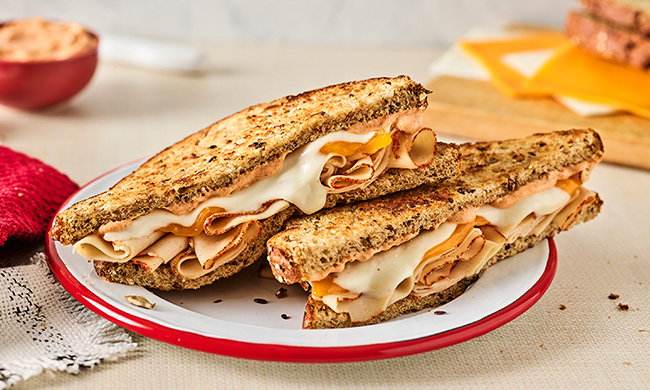
Say ‘Yes, Please’ to The Grilled Cheese of the Year: Gooey Goodness with a Protein Punch
(Feature Impact) A grilled cheese sandwich isn’t just a lunchtime staple; it’s a beloved cultural icon. There is a universal magic in the combination of ooey-gooey cheese, golden bread and a little butter – but in 2026, this comfort food classic is getting a functional upgrade.
It’s also safe to say nostalgia is delicious and addicting, which is why Borden Cheese is sharing not one, but two, prize-worthy recipes, one of which packs a protein punch and another that’s a pure classic, perfect for spreading smiles and happy bellies.
Protein, Please: The Protein Powerhouse is the Grilled Cheese of the Year, and it’s easy to see why. It’s a protein-packed masterpiece designed for the modern appetite. Featuring a creamy, dual-cheese combo of mild cheddar and Borden Mozzarella Cheese Melts, the sandwich is melted over 5 ounces of tender sliced chicken breast and delivers more than 40 grams of protein and about 8 grams of fiber when paired with the right bread. Served with a tangy Greek yogurt and Dijon mustard “powerhouse sauce” and pressed between golden, crispy bread, this grilled cheese isn’t your ordinary melt. It has been transformed into a massive protein boost.
Tried n’ True: While modern flavors and trends are delicious, nostalgia is too. In fact, a whopping 20,000 fans cast their votes for America’s Favorite Grilled Cheese, asserting a fervor that’s unmatched when it comes to their perfect melt, and awarded The Classic the title of “America’s Favorite.” This comforting recipe pairs extra sharp melts with American singles on sliced white bread for a perfect, ooey-gooey bite that reminds you the cheese truly “makes” the sandwich.
VisitBordenCheese.com/grilled-cheese-day for other ooey-gooey grilled cheese recipes created for 2026.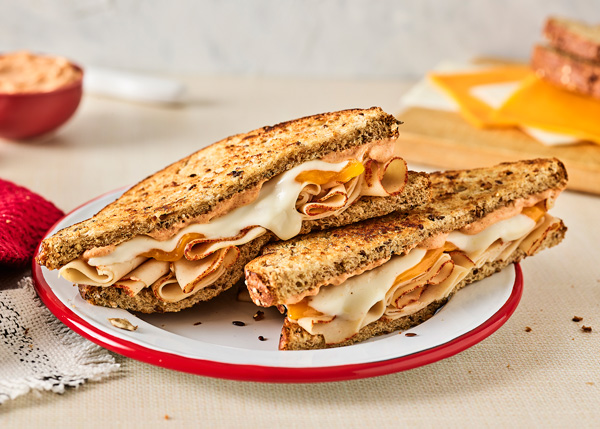
The Protein Powerhouse
- 1 tablespoon butter, softened
- 2 slices bread fortified with protein and fiber
- 2 Borden Mild Cheddar Slices
- 1 slice Borden Mozzarella Melts
- 5 ounces sliced chicken breast (deli-shaved or thinly carved)
“Powerhouse” Sauce:
- 2 tablespoons non-fat Greek yogurt
- 1 teaspoon Dijon mustard
- 1/2 teaspoon garlic powder
- 1/2 teaspoon smoked paprika
- Heat griddle to medium heat. Butter bread. Layer cheeses and chicken on top of bread.
- Place bread on griddle and cook until lightly toasted. Flip and cook other side.
- Remove sandwich from skillet or griddle.
- To make powerhouse sauce: Mix Greek yogurt, Dijon mustard, garlic powder and smoked paprika until well blended. Slice sandwich in half and drizzle with Powerhouse sauce.
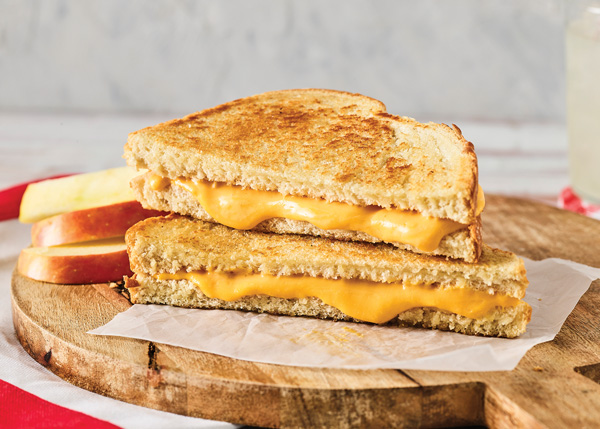
The Classic
- 1 tablespoon butter, softened
- 2 slices white bread
- 2 slices Borden Extra Sharp Melts
- 2 slices Borden American Singles
- Heat skillet or griddle over medium heat.
- Spread butter on one side of each slice bread.
- Place cheese slices on unbuttered side of bread. Top with other slice of bread with butter facing upward.
- Place sandwich on skillet or griddle and cook 3-4 minutes on each side. Using spatula, lightly press sandwich down gently while cooking to melt cheese better.
- Remove from skillet or griddle and slice in half.

SOURCE:
Borden
At our core, we at STM Daily News, strive to keep you informed and inspired with the freshest content on all things food and beverage. From mouthwatering recipes to intriguing articles, we’re here to satisfy your appetite for culinary knowledge.
Visit our Food & Drink section to get the latest on Foodie News and recipes, offering a delightful blend of culinary inspiration and gastronomic trends to elevate your dining experience. https://stmdailynews.com/food-and-drink/
Food and Beverage
Mix Up the Everyday: New Ways to Elevate At-Home Cooking
This article explores innovative approaches to enhance at-home cooking, encouraging families to integrate new techniques and ideas into their culinary routines. Suggestions include meal prepping, joining cookbook clubs, simplifying cleanup with advanced detergents, incorporating meatless meals, and starting a garden, all aimed at refreshing family cooking traditions.
Last Updated on April 11, 2026 by Daily News Staff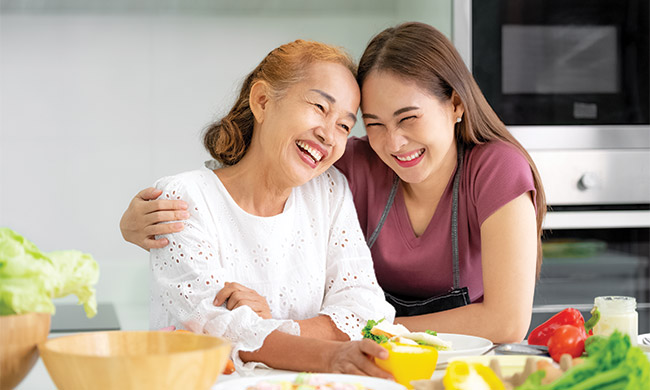
Mix Up the Everyday: New Ways to Elevate At-Home Cooking
(Feature Impact) Most families know and love their tried-and-true family traditions, especially when it comes to the secret sauces, time-tested techniques and recipes that deserve to be passed down from generation to generation. No matter how legendary the home cooks, though, there’s always room for new tricks, whether it’s a fresh spin on a classic dish or a smarter tool that makes the after-dinner cleanup effortless.
Incorporating new techniques and fresh ideas can invigorate your everyday cooking in unexpected ways. Consider these grandma-approved twists on tradition from the experts at Finish, who offer winning ways to enhance cleanup no matter what techniques you turn to in the kitchen.
Plan Ahead
If you’re used to throwing together dinner at the last minute, learning to meal prep can help with trying new recipes. Take a look at what you have on hand before scouring a few cookbooks (or cooking websites) for appetizing dishes to try then head to the store to fill in the missing ingredients. Meal planning may save you time, money and, perhaps, a little sanity – and potentially help you branch out your menu, too.
Club It Up
Joining a cookbook club allows you to flex your social muscles and sample new recipes and techniques from different cultures with fellow foodies. For example, this savory, meat-free Lubiyeh recipe just may become a new household favorite. Featuring stewed green beans simmered in a vegan broth with the added kick of Aleppo pepper and sweet red pepper paste, it’s both bright and rich, and pairs well with rice, lavash or thin pita with a smattering of raw onions for a little extra punch.
Simplify Cleanup
Once the cookbooks have been shelved and the plates have been cleared, tackle the cleaning jobs with an option like the new Finish Ultimate Quantum – their breakthrough dishwashing detergent with Finish’s most advanced formula yet – offering an unbeatable clean even on tough stains in hard water (220 PPM). This grandma-approved technique can help you conquer clean dishes, so it makes sense to switch.
Veg Out
If meat is in constant rotation at your house, consider rotating in a Meatless Monday meal like pasta primavera, or celebrate your own version of Taco Tuesday with bean- or lentil-based tacos instead of chicken, pork or beef. Opting for vegetarian or vegan meals utilizing hearty veggies like squash, eggplant and potatoes can help you save money at the grocery store and nourish your body with heart-healthy nutrients.
Grow a Garden
Starting a garden may seem like a daunting task, but it doesn’t have to be. You can begin with a few herbs growing on a windowsill before embarking on a bigger outdoor gardening project, where transforming a small patch of earth for growing vegetables, herbs or berry bushes can be just the thing to elevate eating at home.
To learn more, visit finishdishwashing.com.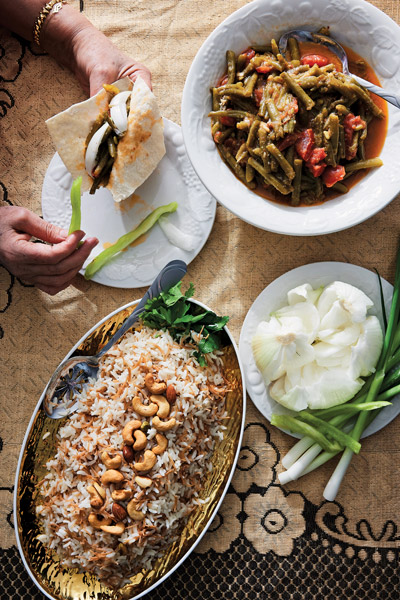
Lubiyeh
(Lebanese Green Beans Stewed with Tomatoes and Garlic)
Recipe courtesy of Jeanette Chawki and the League of Kitchens on behalf of Finish
Servings: 4-6
- 2 pounds string beans or flat green beans
- 1/8 pound garlic (about 18 medium cloves)
- 7 1/2 cups water, divided
- 1 1/4 pounds plum tomatoes (about 5)
- 1 tablespoon sweet red pepper paste
- 1 1/2 teaspoons tomato paste
- 1/2 teaspoon white sugar
- 1/2-1 teaspoon crushed Aleppo pepper flakes
- 1/2 cup extra-virgin olive oil
- 1 tablespoon kosher salt, or to taste
- 1 large white or yellow onion, for serving
- thin pita, lavash or another flatbread, for serving (optional)
- Trim ends of string beans or flat green beans. Put beans in bowl. Use hands to break beans into 2-3 pieces about 1 1/2 inches long.
- Peel garlic. Trim rough or damaged root ends and cut large cloves in half lengthwise.
- In medium saucepan, bring 6 cups water to boil. Once boiling, carefully add plum tomatoes and cook just until skins begin to break, 4-5 minutes. Turn off heat and drain. When tomatoes are cool enough to handle, remove and discard skin.
- Cut tomatoes into rough 1/2-inch chunks, removing any white or green parts near stem. Put tomato chunks in bowl. In separate small bowl, stir sweet red pepper paste, tomato paste, white sugar, crushed Aleppo pepper flakes and 1/2 cup water until paste is dissolved into liquid; set aside.
- In large wok or skillet with deep sides over high heat, heat extra-virgin olive oil.
- Add garlic and fry, shaking pot occasionally, until cloves lightly brown, about 90 seconds. Add green beans and stir with wooden spoon. Turn heat to medium-low and stir in kosher salt. Add 1 cup water and stir. Raise heat to high to bring water back to simmer then lower to medium-low. Cover and cook, stirring occasionally, just until beans are cooked through, about 20 minutes.
- Stir in tomatoes and pepper paste mixture, increase heat to high and cook until liquid boils. Cover pot, keeping lid slightly ajar, reduce heat to medium-low and cook until tomatoes are soft, sauce has thickened slightly and garlic is tender, about 20 minutes. Taste for salt and add if needed. Keep warm until ready to serve.
- Put down clean dish towel and place onion on top. Smash onion with heavy cutting board 2-5 times then peel it.
- Squeeze whole onion over sink between hands to remove some juices. Wash onion under cold running water, squeeze it between hands again then pull it apart into pieces, removing roots and any stem, and put it on small serving plate.
- If using pita, separate circles into two thin pieces. Bake or toast thin pita, lavash or other flatbread until crispy or blackened in spots. For sandwiches, warm bread.
- Serve stewed green beans and raw onion with pita, lavash or other flatbread, either open-faced or rolled into sandwich.
Photo courtesy of Shutterstock (women in kitchen)


SOURCE:
Visit the Food and Drink section on STM Daily News for the latest food news, beverage trends, restaurant stories, seasonal recipes, culinary events, and community-driven lifestyle coverage.
Food and Beverage
Manage Busy Spring Schedules with Simple, Nutritious Bowls
To manage busy spring schedules, prepare simple, nutritious bowls at home instead of relying on takeout. Recipes like Chicken and Rice Bowls with Peanut Sauce and Greek-Inspired Power Bowls are quick, customizable, and packed with flavors. Visit DudaFresh.com for more healthy recipes that fit your family’s tastes.
Last Updated on April 10, 2026 by Daily News Staff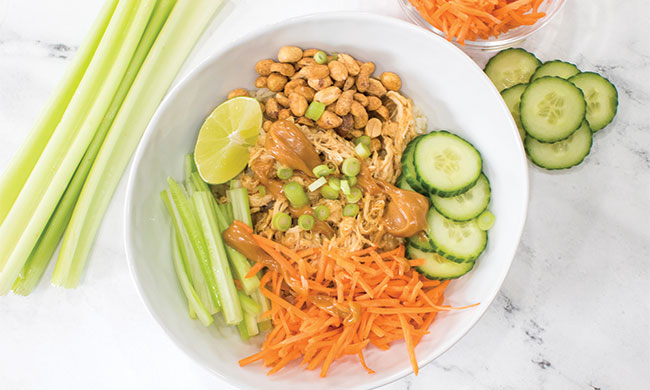
Manage Busy Spring Schedules with Simple, Nutritious Bowls
(Feature Impact) When jam-packed calendars and seemingly constant takeout orders get you down, diving into a fresh way to rethink homecooked meals can get you and your loved ones into a better-for-you routine.
Close your favorite food delivery app and instead break out the bowls for simple yet nutritious recipes that are equal parts filling and fresh. Easily prepped ahead of time, dishes like Chicken and Rice Bowls with Peanut Sauce provide powerful protein and flavor without the hassle. For added pizzazz, drizzle with extra peanut sauce and squeeze a dash of lime juice.
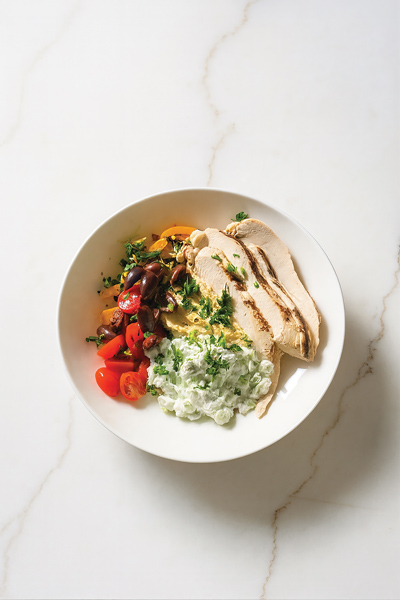
Or put a tangy twist on a traditional chicken bowl with these Greek-Inspired Power Bowls featuring homemade tzatziki made with Dandy Celery, a naturally sweeter, crispier and less stringy alternative to other celeries. Celebrating its 100th anniversary, it delivers the ultimate snack time (or dinner) crunch and flavor, offering a satisfying complement to sliced chicken, mixed greens, whole-grain quinoa and Kalamata olives.
An added bowl-inspired bonus: These family-friendly recipes can be personalized for taste preferences so no one goes hungry.
Rethink your family’s menu with more quick, nutritious recipes to alleviate the stress of hectic schedules by visiting DudaFresh.com.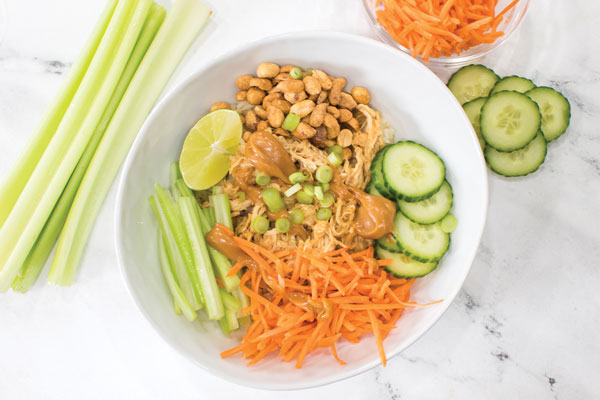
Chicken and Rice Bowls with Peanut Sauce
Recipe courtesy of The Produce Moms
Prep time: 7 minutes
Cook time: 5 minutes
Servings: 2
Creamy Peanut Sauce:
- 1 1/2 tablespoons soy sauce
- 1 tablespoon freshly squeezed lime juice
- 2 teaspoons rice vinegar
- 1 teaspoon honey
- 1/4 cup creamy peanut butter
- 1 tablespoon toasted sesame oil
Bowls:
- 1 tablespoon olive oil
- 1 cup cooked, shredded chicken
- 1 cup cooked brown or jasmine rice
- 1 cup Dandy celery, julienned
- 1 cup shredded carrot
- 1/2 medium English cucumber, thinly sliced
- 1/4 cup unsalted roasted peanuts, coarsely chopped
- lime wedges, for serving
- To prepare peanut sauce: In small bowl, whisk soy sauce, lime juice, rice vinegar and honey. Add peanut butter and sesame oil. Whisk vigorously until sauce is completely smooth and creamy. Set aside.
- To prepare bowls: In nonstick 12-inch skillet over medium-high heat, heat olive oil until simmering. Add shredded chicken and about 3 tablespoons peanut sauce. Stir constantly to coat chicken and heat through, about 3 minutes. Remove from heat and set aside.
- To assemble rice bowls: In deep serving bowls, add cooked rice. Top with warm chicken covered in peanut sauce. Arrange celery, carrot and cucumber around chicken. Top with peanuts.
- Drizzle remaining peanut sauce over bowls. Serve with lime wedges to squeeze over bowls.
Greek-Inspired Power Bowls
Recipe courtesy of Anastasiia de la Cruz
Prep time: 20 minutes
Cook time: 15 minutes
Servings: 2
Celery Tzatziki:
- 1 cup plain, full-fat Greek yogurt
- 1/2 cup finely chopped Dandy celery
- 1 tablespoon extra-virgin olive oil
- 1 tablespoon fresh lemon juice
- 1 small garlic clove, finely grated
- 2 tablespoons chopped walnuts (optional)
- salt, to taste
- pepper, to taste
Bowls:
- 2 cups mixed greens
- 1 1/3 cups cooked, gluten-free, whole-grain quinoa
- 2 large grilled chicken breasts (about 6 ounces each), sliced
- 1/2 cup hummus
- 1/4 cup Kalamata olives, halved
- 1 tablespoon extra-virgin olive oil, for drizzling
- fresh herbs, for garnish
- To make celery tzatziki: Mix yogurt, celery, olive oil, lemon juice, garlic and walnuts, if desired. Season with salt and pepper, to taste. Stir well. Chill.
- To assemble bowls: In two bowls, layer greens and cooked quinoa evenly. Top with grilled chicken.
- Spoon 1/4 cup hummus on side of each bowl. Add olives, 2-3 tablespoons tzatziki and drizzle with olive oil.
- Sprinkle with fresh herbs.
<img src="https://ssl.google-analytics.com/collect?v=1&tid=UA-482330-7&cid=1955551e-1975-5e52-0cdb-8516071094cd&sc=start&t=pageview&dl=http%3A%2F%2Ftrack.familyfeatures.com%2F17834%2F10247&dt=MANAGE-BUSY-SPRING-SCHEDULES-WITH-SIMPLE-NUTRITIOUS-BOWLS" />
<img src="https://erp.featureimpact.com/api/v1/tracking/17834/10247/track.gif" />SOURCE:





