

Food and Beverage
People can have food sensitivities without noticeable symptoms – long-term consumption of food allergens may lead to behavior and mood changes
Food Sensitivities: Food allergies affect about 10% of the U.S. population, leading to various symptoms. Recent research indicates asymptomatic individuals may still experience neurological effects from food allergens, resulting in behavioral changes like anxiety and depression. Chronic inflammation from allergens may contribute to long-term brain issues, highlighting the need for further study on food hypersensitivity’s impact on mental health.

Last Updated on October 16, 2025 by Daily News Staff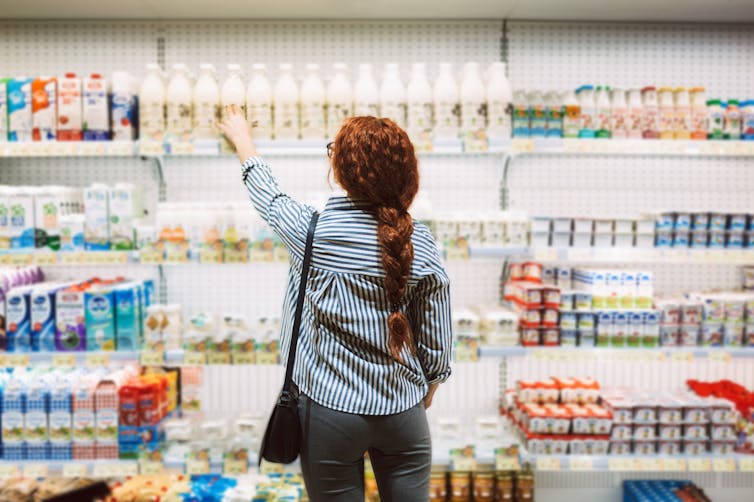
People can have food sensitivities without noticeable symptoms – long-term consumption of food allergens may lead to behavior and mood changes
Kumi Nagamoto-Combs, University of North Dakota
The prevalence of food allergies is increasing worldwide, approaching an epidemic level in some regions. In the U.S. alone, approximately 10% of children and adults suffer from food allergies, with allergies to cow’s milk, eggs, peanuts and tree nuts being the most common. Some patients have mild symptoms that might not need medical attention, leaving these cases unreported.
Food allergies, or food hypersensitivities, result from the overreaction of the immune system to typically harmless proteins in food. They can manifest as a spectrum of symptoms, ranging from itching, redness and swelling for milder reactions, to vomiting, diarrhea, difficulty breathing and other potentially life-threatening symptoms for severe reactions.
Besides self-reporting, food allergies can be diagnosed by exposing patients to trace amounts of offending proteins, or allergens, via their mouth or skin and observing their immediate reactions. More commonly, doctors use blood tests to measure the levels of immunoglobulin E, or IgE, a specialized antibody that the immune system uses to identify allergens and trigger a response. Although healthy individuals may have low levels of IgE in the blood, patients with food allergies have much higher levels that increase their risk of having severe allergic reactions.
But some people who test positive on skin-prick allergy tests with moderate increases in IgE don’t notice any allergy-related symptoms when they eat the allergen. This condition is sometimes referred to as asymptomatic sensitization. In many cases, people with this condition may not even be aware that they have a food hypersensitivity.
Are they truly asymptomatic, though? Or are there effects within their body that they aren’t aware of?
I am a neuroscientist studying how the brain is affected by food allergies. I became interested in this topic when I found that some of my family members had a hypersensitivity to cow’s milk. Some totally avoid dairy products because they have experienced severe, life-threatening symptoms. Those who don’t have typical allergic reactions occasionally eat dairy, but appear to develop seemingly unrelated illnesses a day or two later.
What I and other researchers have found is that food allergens can affect your brain and behavior if you’re hypersensitized, even if you don’t have typical food allergy symptoms.
Food allergies linked to behavioral disorders
Researchers have suspected food hypersensitivities to be a potential cause for behavioral disorders for decades.
A 1949 case report described behavioral and mood disturbances in patients after they ate certain foods, such as milk and eggs. Their symptoms improved after removing the suspected foods from their diet, suggesting that a food hypersensitivity was the likely culprit. However, I was intrigued that the patients had been able to eat the offending foods up until they chose to avoid them. In other words, they were asymptomatically sensitized, or tolerant, to the allergens.
Several recent studies in people have supported the association between food allergies and various neuropsychiatric disorders, including depression, anxiety, attention-deficit/hyperactivity disorder and autism. They strengthen the possibility that some reactions to food allergens could involve the nervous system and manifest as behavioral disorders. https://www.youtube.com/embed/xyQY8a-ng6g?wmode=transparent&start=0 The food you eat can affect your brain in many ways.
However, the idea of food hypersensitivity causing neuropsychiatric disorders is still controversial because of inconsistencies across studies. Differences in the types of allergies, ethnic backgrounds, dietary habits and other factors among the study participants can produce conflicting results. More importantly, some studies included those with self-reported food allergies, while others included only those with lab-confirmed food allergies. This limited investigations to only symptomatic individuals.
Food hypersensitivity, brain and behavior
My laboratory tested whether food allergens could manifest as behavioral symptoms, particularly in asymptomatically sensitized individuals. We wanted to find out whether eating offending foods could lead to brain inflammation and behavioral changes after sensitization, even in the absence of other obvious severe reactions.
To minimize the individual differences found in human studies, we decided to work with mice. We sensitized mice of the same age and genetic background to the common milk allergen β-lactoglobulin, or BLG, and fed them the same diet in the same room. We found that while BLG-sensitized mice produced moderately but significantly elevated levels of IgE, they did not show immediate allergic reactions. They could even eat food containing the milk allergen for two weeks without showing any obvious symptoms, despite maintaining elevated levels of IgE. This indicated that they were asymptomatically sensitized.
We then observed whether they showed any changes in emotionally driven behavior. Because we could not ask mice how they felt, we deduced their “feelings” by noting changes from their normal, survival-oriented behavior. Mice instinctively explore their environment to search for food and shelter while avoiding potential danger. However, “anxious” mice tend to spend more time hiding to play it safe. We identified “depressed” mice by briefly holding them by the tail. Most mice will keep fighting to get out of the uncomfortable predicament, while depressed mice quickly give up.
Our experiments were designed to simulate situations where asymptomatically sensitized individuals would eat either a large amount of an offending food in one day or small amounts every day for a few weeks. We mimicked these situations by placing a large amount of the milk allergen directly into the stomach of sensitized mice with a feeding tube, or giving them an allergen-containing mouse chow to eat the allergen a little at a time.
Interestingly, BLG-sensitized mice showed anxiety-like behavior one day after receiving a large amount of the allergen. Another group of sensitized mice developed depression-like behavior after eating small amounts of allergen for two weeks. In addition, BLG-sensitized mice showed signs of brain inflammation and neuronal damage, suggesting that changes in the brain may be responsible for their behavioral symptoms.
We also investigated the long-term effect of allergen consumption by keeping BLG-sensitized mice on the allergen-containing diet for one month. We found that IgE levels declined in sensitized mice by the end of the month, indicating that continually eating small amounts of the allergen led to decreased immune responses, or “desensitization.” In contrast, signs of brain inflammation remained, suggesting that the harmful effect of allergens persisted in the brain.
Chronic brain inflammation
Researchers have yet to study prolonged brain inflammation, or neuroinflammation, in people who are asymptomatically sensitized. In general, though, chronic neuroinflammation is a known contributor to neurodegenerative diseases, such as multiple sclerosis and Alzheimer’s disease, although the exact causes of these diseases are unknown. A better understanding of the role allergens play in neuroinflammation can help researchers clarify whether food allergens trigger chronic inflammation that can lead to these diseases.
This knowledge could be especially important for patients undergoing oral immunotherapy, an approach to allergy treatment that involves incrementally ingesting small amounts of allergens over time. The goal is to desensitize the immune system and reduce the incidence of anaphylaxis, or life-threatening allergic reactions. In 2020, the U.S. Food and Drug Administration approved a standardized form of peanut allergens to prevent anaphylaxis in eligible pediatric patients. However, its possible long-term effect on the nervous system is unknown.
Food allergens can affect the brain and behavior of seemingly asymptomatic people, making them not so asymptomatic neurologically. Considering how your brain responds to the food you eat puts a whole new meaning to the phrase “you are what you eat.”
Kumi Nagamoto-Combs, Assistant Professor of Biomedical Sciences, University of North Dakota
This article is republished from The Conversation under a Creative Commons license. Read the original article.
Our Lifestyle section on STM Daily News is a hub of inspiration and practical information, offering a range of articles that touch on various aspects of daily life. From tips on family finances to guides for maintaining health and wellness, we strive to empower our readers with knowledge and resources to enhance their lifestyles. Whether you’re seeking outdoor activity ideas, fashion trends, or travel recommendations, our lifestyle section has got you covered. Visit us today at https://stmdailynews.com/category/lifestyle/ and embark on a journey of discovery and self-improvement.


Food and Beverage
Philly-Style Chicken Cheesesteak Sandwiches: An Easy, Cheesy Dinner
Bring sandwich night home with these Philly-style chicken cheesesteaks. Thinly sliced chicken, sautéed onions and peppers, and melted cheese fill toasted hoagie rolls for a satisfying meal in about 35 minutes.

Food & Drink
Easy Philly Chicken Cheesesteak Recipe
Tender chicken, golden onions, sautéed peppers, and melted cheese tucked into a toasted hoagie roll—this Philly-style chicken cheesesteak brings plenty of comfort to the dinner table without a complicated ingredient list.
Inspired by the beef cheesesteak, this chicken version makes a satisfying lunch, a casual weekend meal, or an easy dinner when you want something warm and filling. The trick is to slice the chicken thin, give it room to brown, and melt the cheese right over the filling before scooping everything into the rolls.
This home-style recipe includes bell peppers, with mushrooms as an optional addition. Make it your own with creamy white American cheese, mild provolone, or a slice of each.
Recipe at a Glance
● Servings: 4 sandwiches
● Prep time: Approximately 15 minutes
● Cook time: Approximately 20 minutes
● Total time: Approximately 35 minutes
● Equipment: Large skillet with a lid, cutting board, sharp knife, and a separate skillet or oven for toasting rolls
Ingredients
For the filling
● 1½ pounds boneless, skinless chicken breasts or thighs, very thinly sliced across the grain
● 1 medium yellow onion, thinly sliced
● 1 large green bell pepper, seeded and thinly sliced
● 2 tablespoons olive oil or neutral cooking oil, divided
● 1 teaspoon garlic powder
● ½ teaspoon paprika
● ½ teaspoon salt, or to taste
● ½ teaspoon freshly ground black pepper
● 8 slices provolone or white American cheese, or a combination
For the sandwiches
● 4 hoagie rolls
● 2 tablespoons softened butter
● Mayonnaise, optional
● Hot sauce or sliced pickled peppers, optional
Optional addition: 8 ounces sliced mushrooms. Cook them with the vegetables, working in batches if needed so they brown instead of steam.
How to Make Philly-Style Chicken Cheesesteaks
1. Slice and season the chicken
Slice the chicken as thinly as you comfortably can, cutting across the grain. Toss with the garlic powder, paprika, salt, and black pepper.
Kitchen tip: If the chicken is difficult to slice, place it in the freezer for 15–20 minutes to firm it slightly first. This optional chilling time is additional to the recipe’s listed prep time.
2. Sauté the onions and peppers
Heat 1 tablespoon of oil in a large skillet over medium-high heat. Add the onion and bell pepper. Cook for approximately 6–8 minutes, stirring occasionally, until softened and lightly browned.
Transfer the vegetables to a plate.
3. Cook the chicken
Add the remaining tablespoon of oil to the skillet. Add the chicken in an even layer, cooking in batches if necessary.
Cook for approximately 5–7 minutes, turning and separating the pieces as they cook. Timing will vary with the thickness of the chicken and the heat of your pan. Cook until the chicken reaches 165°F, checking the thickest pieces with a food thermometer.
Use a spatula to break the cooked chicken into smaller, sandwich-friendly pieces.
4. Toast the rolls
While the chicken cooks, split the hoagie rolls without cutting all the way through. Spread the cut sides with softened butter.
Toast them butter-side down in a separate skillet over medium heat until lightly golden. Alternatively, toast them cut-side up under the broiler, watching closely.
5. Combine the filling and melt the cheese
Return the cooked vegetables to the skillet with the chicken and toss together. Reduce the heat to low.
Arrange the filling into four portions and place two slices of cheese over each portion. Cover the skillet briefly, just until the cheese melts. If your skillet is too small, melt the cheese over two portions at a time.
6. Fill and serve
Spread a little mayonnaise inside the rolls if desired. Scoop a portion of cheesy chicken and vegetables into each roll.
Finish with hot sauce or pickled peppers if you like a little heat, and serve immediately.
Tips for a Better Sandwich
Keep the chicken thin. Thin slices cook quickly and make the sandwich easier to bite into.
Give the pan some space. Crowding traps moisture. Cooking in batches helps the chicken develop a browned surface.
Choose a sturdy roll. A roll with a soft interior and enough structure to hold the filling works well. Light toasting helps it stand up to the juices.
Pick your cheese. White American gives the filling a creamy texture. Provolone adds a mild, slightly tangy flavor. Combining them gives you a little of both.
Adjust the vegetables. Try red bell pepper for a sweeter filling, add mushrooms, or keep it simple with onions and cheese.
What to Serve With Chicken Cheesesteaks
French fries, potato wedges, coleslaw, or a crisp green salad all make easy sides. For a simple lunch, add a dill pickle and a handful of potato chips.
Can You Make the Filling Ahead?
Yes. Cook the chicken and vegetables ahead, then keep the filling separate from the rolls. Reheat it until hot throughout before adding cheese and assembling the sandwiches. Toast the rolls just before serving for the best texture.
A Comfort-Food Favorite for Your Dinner Rotation
These Philly-style chicken cheesesteaks turn a handful of everyday ingredients into a hearty meal. With tender chicken, sautéed vegetables, and cheese melted into every serving, they’re an easy option for sandwich night.
What goes on your chicken cheesesteak—provolone, white American, mushrooms, or extra peppers? Tell us in the comments.
Find more recipes and meal inspiration in the STM Daily News Food & Drink section.
Related reading from STM Daily News
- Easy Homemade Chicken Alfredo Recipe Another comforting chicken dinner to try.
- Fried Chicken from the Comfort of Home More inspiration for homemade chicken meals.
- How to Make Country Style Lemonade A refreshing drink to serve with your sandwiches.
- STM Daily News Food & Drink Explore more recipes, food news, and meal ideas.
Helpful cooking reference
Safe Minimum Internal Temperatures — FoodSafety.gov Supports the recipe’s instruction to cook chicken to 165°F.
- Philadelphia Cheesesteaks — Visit Philadelphia — Explore Philadelphia’s signature sandwich and cheesesteak culture. Visit Philadelphia
- A Guide to the Best Cheesesteaks in Philadelphia — Includes shops serving traditional and chicken variations. Visit Philadelphia
- Chicken From Farm to Table — USDA — Guidance on handling, thawing, cooking, and storing chicken. Food Safety and Inspection Service
- Leftovers and Food Safety — USDA — Helpful storage and reheating guidance for leftover sandwich filling. Food Safety and Inspection Service

Food and Beverage
Jack-o’-Lantern Stuffed Peppers Prove Fun Isn’t Just for Pumpkins
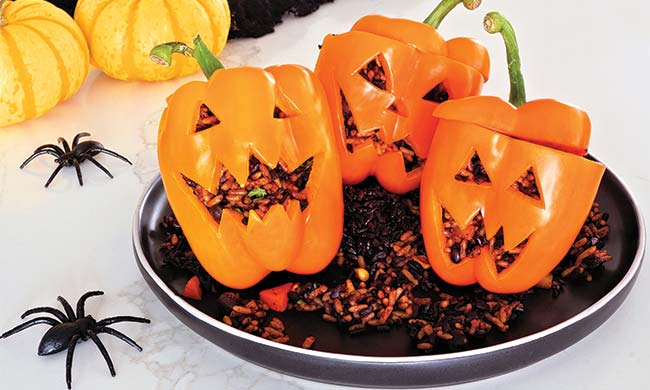
These Jack-o’-Lantern Stuffed Peppers give you a Halloween-themed, kid-approved way to put vegetables on the dinner table.
Recipes:
Jack-o’-Lantern Stuffed Peppers
Jack-o’-Lantern Stuffed Peppers Prove Fun Isn’t Just for Pumpkins
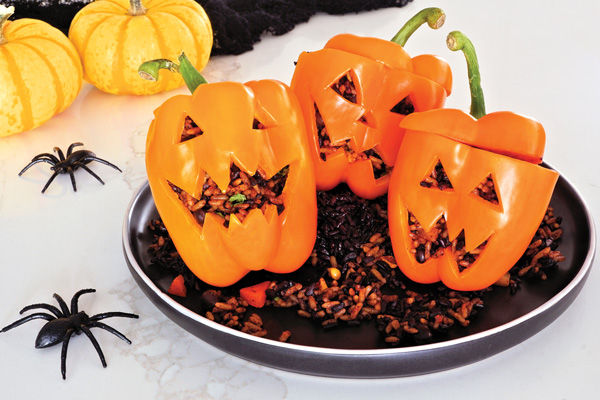
(Feature Impact) Jack-o’-lantern carving is a cherished fall tradition – but pumpkins aren’t the only vegetables you can decorate with fun, spooky or scary faces. These Jack-o’-Lantern Stuffed Peppers give you a Halloween-themed, kid-approved way to put vegetables on the dinner table.
Filled with savory ground turkey, brown rice, melty cheese and warm, savory spices, these peppers taste as autumnal as they look. It’s simple to customize the filling to your family’s tastes, and you can even make the meal interactive by inviting kids to choose their own pepper colors and carve their own expressions.
Find more Halloween and seasonal recipes at Culinary.net.
Jack-o’-Lantern Stuffed Peppers
Recipe adapted from AllRecipes
Prep time: 15 minutes
Cook time: 45 minutes
Servings: 4
- 1 teaspoon olive oil
- 1 pound ground turkey
- 3 cloves garlic, minced
- 1/2 medium onion, diced
- 1 teaspoon garlic powder
- 1 teaspoon cumin
- 4 large orange bell peppers
- 1 cup cooked brown rice
- 1 cup grated sharp cheddar cheese
- 2 teaspoons kosher salt
- 1/2 teaspoon ground black pepper
- cayenne pepper, to taste
- cups seasoned tomato sauce, warmed
- Preheat oven to 400 F and coat 9-by-13-inch baking dish with olive oil.
- In skillet, brown ground turkey with minced garlic, onion, garlic powder and cumin until meat is cooked, 4-5 minutes.
- With small knife, cut eyes, nose and mouth into flattest side of each pepper to resemble jack-o’-lantern. Cut around seed pods and remove pepper tops, trimming and discarding any seeds from under stems then setting tops aside. Trim white membranes from inside each pepper and shake out seeds. Place peppers in prepared baking dish.
- In bowl, combine turkey mixture with cooked rice, cheddar cheese, salt, black pepper and cayenne pepper, to taste.
- Divide and stuff mixture into peppers; cover with reserved pepper tops.
- Wrap baking dish loosely with aluminum foil and bake until peppers are tender, about 45 minutes.
- Spoon about 3 tablespoons warm tomato sauce onto each plate; place stuffed peppers on top. Serve remaining sauce on side.
Photo courtesy of Shutterstock

SOURCE:
Food and Beverage
Serve Up Smiles with Favorite Holiday Sides
Turkey and ham may sit centerstage, but classic holiday sides can make the season truly special. You can bring smiles to your loved ones’ faces by dishing out those favorite recipes everyone asks for year after year.
(Family Features) Turkey and ham may sit centerstage, but classic holiday sides can make the season truly special. You can bring smiles to your loved ones’ faces by dishing out those favorite recipes everyone asks for year after year.
Made with a delicious combination of rice, cheddar cheese, cream of mushroom soup and broccoli florets, this quick and easy version of Broccoli and Cheese Rice Casserole is an ideal one-pot dish to keep the holidays simple. With three easy steps and everyday ingredients, it comes together with minimal effort for traditional casserole taste.
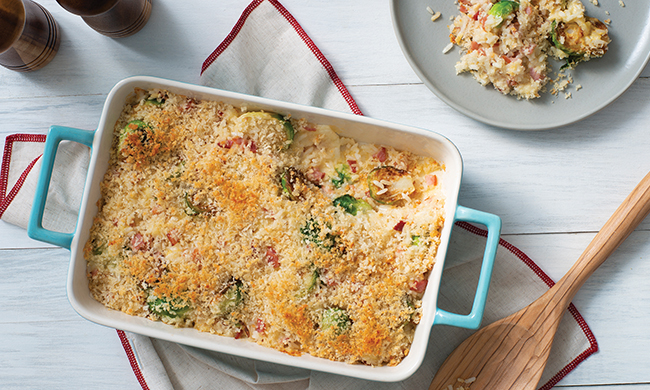
When it comes to feeding a crowd, it’s often best to let your oven do the work. This Brussels Sprouts and Ham Rice Gratin recipe allows you to serve up a filling favorite with little effort using pantry staples. Plus, it’s a kid-friendly way to encourage veggies at this year’s holiday meal with gooey cheese providing tempting taste bud motivation.
These seasonal classics and more are made quick and easy with an option like Success Boil-in-Bag Rice, a pre-measured, mess-free way to make fluffy, high-quality rice. It’s cooked by simply dropping a bag of rice in a pot of water or broth then boiling it for 10 minutes. BPA-free and FDA-approved, the bags are safe to use and made to withstand high temperatures.
An added bonus: If you’re aiming to achieve a particular flavor, just season the rice by cooking in water infused with herbs, spices, broth, coconut milk or other liquids like juice for sweeter recipes.
Visit SuccessRice.com to find more holiday recipe inspiration.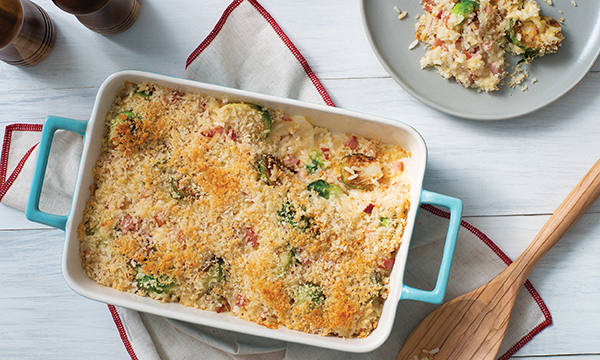
Brussels Sprouts and Ham Rice Gratin
Prep time: 20 minutes
Cook time: 25 minutes
Servings: 4
- 1 bag Success White Rice
- 1/2 pound Brussels sprouts, trimmed and halved
- 1/3 cup diced ham
- 1 clove garlic, minced
- 1 tablespoon olive oil
- 3/4 teaspoon salt, divided
- 3/4 teaspoon black pepper, divided
- 1 cup heavy cream
- 2 tablespoons finely chopped fresh chives
- 2 tablespoons Dijon mustard
- 1 cup shredded sharp cheddar cheese
- 1/2 cup grated Parmesan cheese, divided
- 1/3 cup breadcrumbs
- 2 tablespoons butter, melted
- Preheat oven to 450 F. Prepare rice according to package directions.
- In large bowl, toss Brussels sprouts, ham, garlic, olive oil, 1/4 teaspoon salt and 1/4 teaspoon pepper. Place on parchment paper-lined baking tray and roast 12-15 minutes, or until caramelized. Decrease oven temperature to 425 F.
- In large bowl, toss rice, Brussels sprouts mixture, cream, chives, Dijon mustard, remaining salt and remaining pepper. Stir in cheddar and 1/3 cup Parmesan cheese. Transfer mixture to greased, 2-quart baking dish.
- In small bowl, stir breadcrumbs, remaining Parmesan and melted butter. Sprinkle over rice mixture.
- Bake 12-15 minutes, or until golden brown and bubbling.
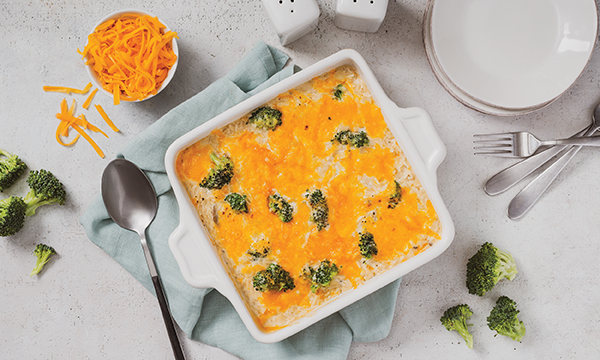
Broccoli and Cheese Rice Casserole
Prep time: 5 minutes
Cook time: 30 minutes
Servings: 4-6
- 1 bag Success White Rice or Brown Rice
- nonstick cooking spray
- 1 can (10 3/4 ounces) condensed cream of mushroom soup
- 2 cups frozen broccoli florets, thawed and drained
- 1 1/2 cups shredded cheddar cheese, divided
- 1/2 cup evaporated milk
- 3 tablespoons butter, melted
- 1 tablespoon grated onion
- 1/2 teaspoon salt
- 1/2 teaspoon black pepper
- Prepare rice according to package directions. Preheat oven to 350 F.
- Coat 2-quart casserole dish with nonstick cooking spray. In medium bowl, combine soup, broccoli, 1 cup cheddar cheese, evaporated milk, butter, onion, salt and pepper. Fold in rice.
- Pour mixture into prepared dish and top with remaining cheddar cheese. Bake 20 minutes.
SOURCE:
Success Rice
At our core, we at STM Daily News, strive to keep you informed and inspired with the freshest content on all things food and beverage. From mouthwatering recipes to intriguing articles, we’re here to satisfy your appetite for culinary knowledge.
Visit our Food & Drink section to get the latest on Foodie News and recipes, offering a delightful blend of culinary inspiration and gastronomic trends to elevate your dining experience.
https://stmdailynews.com/category/food-and-beverage
You can also find food and beverage-related videos on our YouTube channel, where we regularly post new content and share tips, recipes, and demonstrations. https://youtube.com/playlist?list=PLEhXBupt8tVynuUhpQZMxQt4lvPmOiAtQ&si=InDwc7YaB0KIwmxy




