

Urbanism
Signal Hill, California: A Historic Enclave Surrounded by Long Beach
“Discover the rich history of Signal Hill, California—an enclave surrounded by Long Beach—known for its oil discovery and vibrant residential-commercial areas.”

Last Updated on June 3, 2024 by Daily News Staff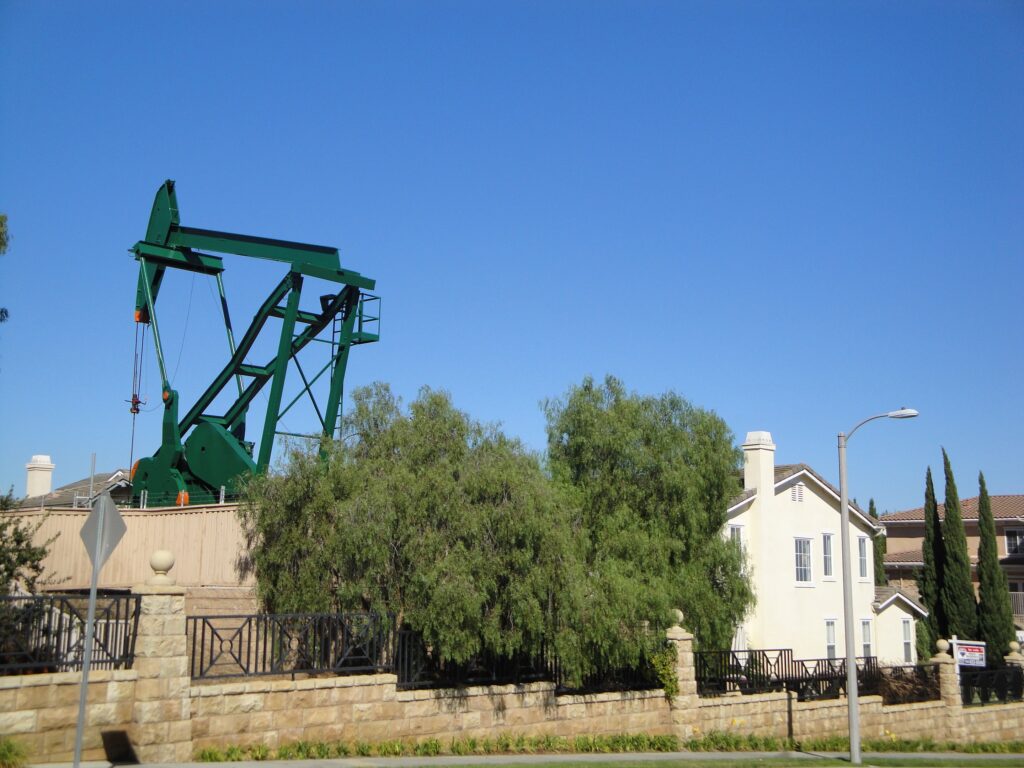
Signal Hill, a small city nestled within the boundaries of Long Beach, California, has a rich and fascinating history. Named after the hill that stands 365 feet above the surrounding area, Signal Hill played a significant role for the local Tongva Indians, who used it as a vantage point for signal fires visible for miles around, even reaching Catalina Island.
During the Spanish rule of Alta California, Signal Hill became part of the Rancho San Pedro land grant, covering an extensive area of over 74,000 acres. The Rancho San Pedro was one of the first, and largest, private land grants made in Southern California. It wasn’t until the early 20th century that the region gained prominence in the entertainment industry. Balboa Amusement Producing Company, later known as Balboa Studios, utilized Signal Hill’s picturesque landscapes for outdoor movie locations. Legends like Buster Keaton and Fatty Arbuckle graced the hills with their performances. This era signified the golden age of cinema, with Signal Hill becoming a favorite backdrop for many silent film productions.
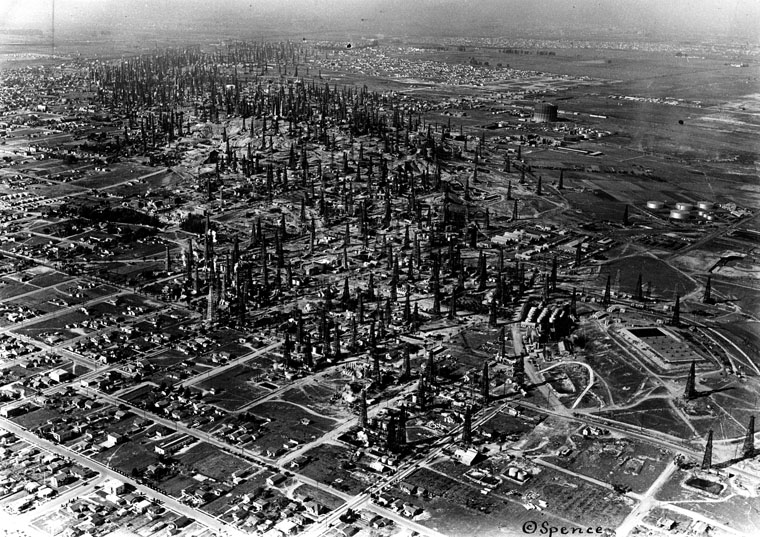
However, Signal Hill’s destiny changed forever with the discovery of oil. In 1921, the Royal Dutch Shell’s Alamitos #1 well erupted, turning Signal Hill into part of the renowned Long Beach Oil Field. The hill became covered in over 100 oil derricks, earning it the nickname “Porcupine Hill.” This discovery of black gold not only transformed the landscape but also attracted a wave of speculators and workers, fueling economic growth and development.
Throughout the 20th century, Signal Hill thrived due to its oil wealth. The community built infrastructure and grew in population, transforming from a remote, rugged area into a developed city. Despite the vast changes, Signal Hill remains an active oil field to this day, with a few wells and derricks still standing as a testament to its storied past. Alongside its industrial endeavors, Signal Hill now boasts parks, residential areas, and thriving local businesses, maintaining a balance between preserving its historical heritage and embracing modernity. As visitors climb the hill, they are greeted not only by historical markers and panoramic views but also by a community that has continuously adapted and evolved through the decades.
Signal Hill’s incorporation as a city on April 22, 1924, was driven by a desire to maintain independence from Long Beach, avoiding annexation and its associated regulations and taxes. Notably, the city made history by electing Mrs. Jessie Nelson as its first mayor, making her California’s first female mayor.
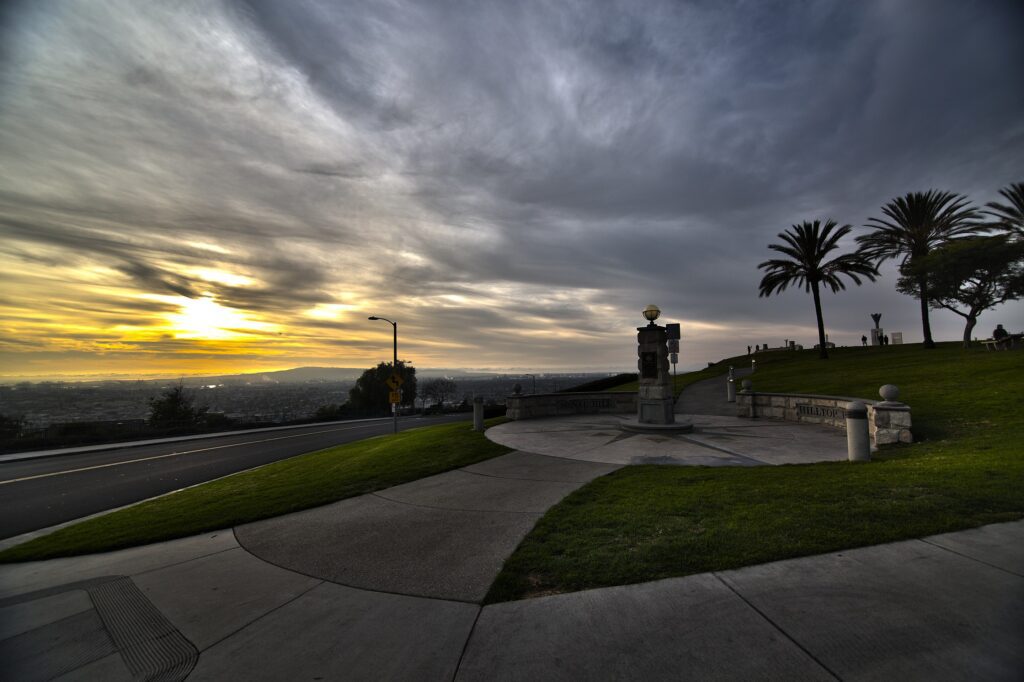
Today, Signal Hill is a vibrant blend of residential and commercial areas. Its unique location surrounded by Long Beach adds to its appeal, offering residents and visitors a distinct sense of community and an opportunity to explore the city’s rich history while enjoying the amenities of the larger metropolitan area.
https://en.wikipedia.org/wiki/Signal_Hill,_California#
https://www.cityofsignalhill.org/
https://stmdailynews.com/category/the-bridge/urbanism
Author




Last Updated on April 4, 2026 by Daily News Staff

Few transportation systems in the world are as instantly recognizable as the cable cars of San Francisco. Climbing steep hills with a steady hum and a nostalgic charm, these moving landmarks are more than just a tourist attraction—they’re a triumph of innovation born out of necessity.
🐎 A Problem on the Hills
In the mid-1800s, San Francisco was growing rapidly, but its geography posed a serious challenge. The city’s steep inclines made travel difficult, especially for horse-drawn streetcars, which were the primary form of public transportation at the time.
Horses often struggled to pull heavy loads uphill, and accidents were common. In some cases, animals collapsed under the strain. This dangerous and inefficient system needed a solution.
💡 The Vision of Andrew Hallidie
That solution came from Andrew Smith Hallidie, an engineer and entrepreneur who envisioned a safer, more reliable way to move people through the city.
Hallidie developed a system in which streetcars would be pulled by a continuously moving cable running beneath the street—eliminating the need for horses altogether.
⚙️ The First Cable Car Line
On August 2, 1873, Hallidie launched the world’s first cable car system: the Clay Street Hill Railroad.
This groundbreaking line proved that cable-powered transit could successfully navigate San Francisco’s steep terrain. Instead of relying on animal power, cars used a mechanical grip to latch onto a moving cable underground, allowing them to glide smoothly up and down hills.
The innovation quickly captured public attention—and demand.
🚀 A City Transformed
Following the success of the Clay Street line, cable car systems spread rapidly across San Francisco.
By the late 19th century:
- Dozens of routes crisscrossed the city
- Cable cars became the backbone of urban transportation
- The system helped shape the city’s growth and accessibility
For a time, San Francisco operated the largest and most advanced cable car network in the world.
⚡ The Rise of Electric Streetcars
Despite their success, cable cars faced competition from emerging electric streetcar systems in the early 20th century. Electric trolleys were cheaper to build and operate, and they didn’t require the complex underground cable infrastructure.
The turning point came after the devastating 1906 San Francisco earthquake, which destroyed much of the city—including large portions of the cable car network.
When rebuilding began, many lines were converted to electric systems instead of restoring the older cable technology.
San Francisco’s cable car system, first launched in 1873, remains the last manually operated system of its kind. According to the San Francisco Municipal Transportation Agency (SFMTA) , the system was designed to safely navigate the city’s steep terrain.
The cable cars are now designated as a National Historic Landmark, recognized for their cultural and engineering significance by the National Park Service .
Visitors can explore the history and mechanics of the system at the San Francisco Cable Car Museum , which preserves original equipment and archives.
🛑 Saving a Symbol
By the 1940s, cable cars were on the brink of extinction.
That’s when Friedel Klussmann stepped in. A passionate preservationist, Klussmann led a public campaign to protect the remaining lines from being dismantled.
Her efforts culminated in a successful 1947 voter referendum that ensured the survival of San Francisco’s cable cars—transforming them from everyday transit into a preserved cultural landmark.
🌉 Cable Cars Today
Today, San Francisco’s cable cars are:
- The last manually operated cable car system in the world
- A National Historic Landmark
- One of the most visited attractions in California
Three lines remain in operation:
- Powell–Hyde Line
- Powell–Mason Line
- California Street Line
While they still function as public transit, they now serve as a moving museum—connecting modern riders with the city’s past.
🎯 Why It Matters
San Francisco’s cable cars represent more than a mode of transportation. They tell a story of innovation, resilience, and community action.
From solving a practical problem to becoming a global icon, the cable car system reflects how cities adapt—and how people fight to preserve what makes them unique.
📌 “Now You Know”
San Francisco’s cable cars weren’t built for tourism—they were invented to solve a life-and-death problem on steep city streets. Today, they remain the last system of their kind anywhere in the world.
🔗 External Sources & Related Links
- SFMTA – Cable Cars Overview
- San Francisco Cable Car Museum
- National Park Service – Historic Landmark Info
- Britannica – Cable Car History
- History.com – Invention of Cable Cars
Explore the latest in innovation, AI, gadgets, startups, and digital trends in STM Daily News’ Techsection.

LOS ANGELES — Century Boulevard is one of the most recognizable east–west corridors in South Los Angeles, stretching from Watts to Los Angeles International Airport (LAX). But despite its grand-sounding name, the origin of “Century” is surprisingly simple—and rooted in math.
The Meaning Behind “Century”
Century Boulevard sits roughly 100 blocks south of downtown Los Angeles, where the city’s street numbering system begins at 1st Street and Main Street. Instead of naming the road “100th Street,” city planners opted for a more distinctive and memorable name: Century Boulevard.
In this case, “Century” literally means 100.
Part of Los Angeles’ Grid System
Los Angeles was designed using a grid-based street layout, especially in its expanding southern neighborhoods during the early 20th century. Streets were often named or numbered based on their distance from downtown.
Century Boulevard aligns with what would have been the 100th Street corridor—making it a key reference point in the city’s geography.
A Street That Evolved Over Time
Before it became Century Boulevard, portions of the roadway were known by other names, including Pine Avenue and San Antonio Street. As the region developed and expanded, these segments were unified under a single name in the 1920s.
This consolidation helped streamline navigation and supported growing transportation needs.
From Local Road to Global Gateway
The importance of Century Boulevard grew significantly with the rise of Los Angeles International Airport (LAX). Today, it serves as a major gateway for millions of travelers entering the city.
The road connects diverse communities—from historic neighborhoods in South Los Angeles to the bustling airport corridor—making it both a local lifeline and an international entry point.
More Than Just a Name
Century Boulevard reflects a broader pattern in Los Angeles street naming:
- Some streets honor historical figures
- Others reflect geography or culture
- And some, like Century, are rooted in the city’s structured grid system
It’s a reminder that even the most ordinary street names can reveal deeper stories about how a city was built.
The Bottom Line
Century Boulevard isn’t named after an event—it’s named for its location. Positioned at the 100th Street line, it represents both the logic of Los Angeles’ design and the growth of the city over time.
Now you know.
Related External Links
- Century Boulevard – Overview and History
- Los Angeles International Airport (LAX) – Official Website
- Los Angeles City Planning Department
- Los Angeles Public Library: The Story Behind LA Street Names
- LA Metro – Transportation System Information
- Calisphere – Historical Images and Maps of Los Angeles
Dive into “The Knowledge,” where curiosity meets clarity. This playlist, in collaboration with STMDailyNews.com, is designed for viewers who value historical accuracy and insightful learning. Our short videos, ranging from 30 seconds to a minute and a half, make complex subjects easy to grasp in no time. Covering everything from historical events to contemporary processes and entertainment, “The Knowledge” bridges the past with the present. In a world where information is abundant yet often misused, our series aims to guide you through the noise, preserving vital knowledge and truths that shape our lives today. Perfect for curious minds eager to discover the ‘why’ and ‘how’ of everything around us. Subscribe and join in as we explore the facts that matter. https://stmdailynews.com/the-knowledge/

Last Updated on March 8, 2026 by Daily News Staff
Jay L. Zagorsky, Boston University
With the Olympic torch extinguished in Paris, all eyes are turning to Los Angeles for the 2028 Olympics.
The host city has promised that the next Summer Games will be “car-free.”
For people who know Los Angeles, this seems overly optimistic. The car remains king in LA, despite growing public transit options.
When LA hosted the Games in 1932, it had an extensive public transportation system, with buses and an extensive network of electric streetcars. Today, the trolleys are long gone; riders say city buses don’t come on schedule, and bus stops are dirty. What happened?
This question fascinates me because I am a business professor who studies why society abandons and then sometimes returns to certain technologies, such as vinyl records, landline phones and metal coins. The demise of electric streetcars in Los Angeles and attempts to bring them back today vividly demonstrate the costs and challenges of such revivals. https://www.youtube.com/embed/9X78ZqGyc5o?wmode=transparent&start=0 The 2028 Olympic Games will be held in existing sports venues around Los Angeles and are expected to host 15,000 athletes and over 1 million spectators.
Riding the Red and Yellow Cars
Transportation is a critical priority in any city, but especially so in Los Angeles, which has been a sprawling metropolis from the start.
In the early 1900s, railroad magnate Henry Huntington, who owned vast tracts of land around LA, started subdividing his holdings into small plots and building homes. In order to attract buyers, he also built a trolley system that whisked residents from outlying areas to jobs and shopping downtown.
By the 1930s, Los Angeles had a vibrant public transportation network, with over 1,000 miles of electric streetcar routes, operated by two companies: Pacific Electric Railway, with its “Red Cars,” and Los Angeles Railway, with its “Yellow Cars.”
The system wasn’t perfect by any means. Many people felt that streetcars were inconvenient and also unhealthy when they were jammed with riders. Moreover, streetcars were slow because they had to share the road with automobiles. As auto usage climbed and roads became congested, travel times increased.
Nonetheless, many Angelenos rode the streetcars – especially during World War II, when gasoline was rationed and automobile plants shifted to producing military vehicles. https://www.youtube.com/embed/AwKv3_WwD4o?wmode=transparent&start=0 In 1910, Los Angeles had a widely used local rail network, with over 1,200 miles (1,930 kilometers) of track. What happened?
Demise of public transit
The end of the war marked the end of the line for streetcars. The war effort had transformed oil, tire and car companies into behemoths, and these industries needed new buyers for goods from the massive factories they had built for military production. Civilians and returning soldiers were tired of rationing and war privations, and they wanted to spend money on goods such as cars.
After years of heavy usage during the war, Los Angeles’ streetcar system needed an expensive capital upgrade. But in the mid-1940s, most of the system was sold to a company called National City Lines, which was partly owned by the carmaker General Motors, the oil companies Standard Oil of California and Phillips Petroleum, and the Firestone tire company.
These powerful forces had no incentive to maintain or improve the old electric streetcar system. National City ripped up tracks and replaced the streetcars with buses that were built by General Motors, used Firestone tires and ran on gasoline.
There is a long-running academic debate over whether self-serving corporate interests purposely killed LA’s streetcar system. Some researchers argue that the system would have died on its own, like many other streetcar networks around the world.
The controversy even spilled over into pop culture in the 1988 movie “Who Framed Roger Rabbit,” which came down firmly on the conspiracy side.
What’s undisputed is that, starting in the mid-1940s, powerful social forces transformed Los Angeles so that commuters had only two choices: drive or take a public bus. As a result, LA became so choked with traffic that it often took hours to cross the city.
In 1990, the Los Angeles Times reported that people were putting refrigerators, desks and televisions in their cars to cope with getting stuck in horrendous traffic. A swath of movies, from “Falling Down” to “Clueless” to “La La Land,” have featured the next-level challenge of driving in LA.
Traffic was also a concern when LA hosted the 1984 Summer Games, but the Games went off smoothly. Organizers convinced over 1 million people to ride buses, and they got many trucks to drive during off-peak hours. The 2028 games, however, will have roughly 50% more athletes competing, which means thousands more coaches, family, friends and spectators. So simply dusting off plans from 40 years ago won’t work.
Olympic transportation plans
Today, Los Angeles is slowly rebuilding a more robust public transportation system. In addition to buses, it now has four light-rail lines – the new name for electric streetcars – and two subways. Many follow the same routes that electric trolleys once traveled. Rebuilding this network is costing the public billions, since the old system was completely dismantled.
Three key improvements are planned for the Olympics. First, LA’s airport terminals will be connected to the rail system. Second, the Los Angeles organizing committee is planning heavily on using buses to move people. It will do this by reassigning some lanes away from cars and making them available for 3,000 more buses, which will be borrowed from other locales.
Finally, there are plans to permanently increase bicycle lanes around the city. However, one major initiative, a bike path along the Los Angeles River, is still under an environmental review that may not be completed by 2028.
Car-free for 17 days
I expect that organizers will pull off a car-free Olympics, simply by making driving and parking conditions so awful during the Games that people are forced to take public transportation to sports venues around the city. After the Games end, however, most of LA is likely to quickly revert to its car-centric ways.
As Casey Wasserman, chair of the LA 2028 organizing committee, recently put it: “The unique thing about Olympic Games is for 17 days you can fix a lot of problems when you can set the rules – for traffic, for fans, for commerce – than you do on a normal day in Los Angeles.”
This article has been updated to indicate that Los Angeles has four light-rail lines.
Jay L. Zagorsky, Associate Professor of Markets, Public Policy and Law, Boston University
This article is republished from The Conversation under a Creative Commons license. Read the original article.
Dive into “The Knowledge,” where curiosity meets clarity. This playlist, in collaboration with STMDailyNews.com, is designed for viewers who value historical accuracy and insightful learning. Our short videos, ranging from 30 seconds to a minute and a half, make complex subjects easy to grasp in no time. Covering everything from historical events to contemporary processes and entertainment, “The Knowledge” bridges the past with the present. In a world where information is abundant yet often misused, our series aims to guide you through the noise, preserving vital knowledge and truths that shape our lives today. Perfect for curious minds eager to discover the ‘why’ and ‘how’ of everything around us. Subscribe and join in as we explore the facts that matter. https://stmdailynews.com/the-knowledge/





