

Food and Beverage
Straw Hat Pizza: The Rise, Fall, and Nostalgic Legacy of a California Pizza Icon
Straw Hat Pizza was once a California pizza powerhouse. Explore the rise, decline, and nostalgic legacy of this beloved family pizza chain.

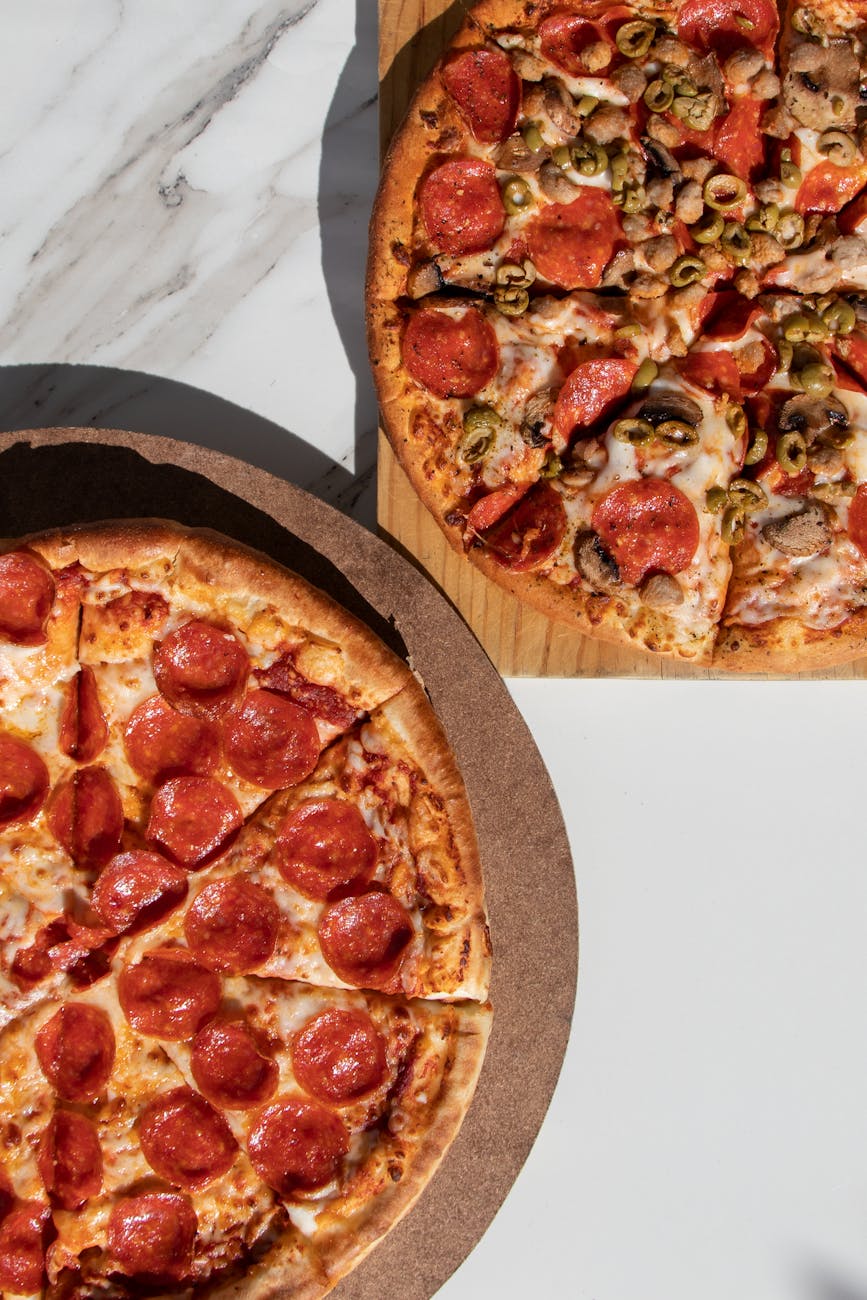
Long before pizza delivery apps, stuffed-crust gimmicks, and national chains on every corner, there was Straw Hat Pizza — a family-friendly, California-born pizza chain that helped define what “going out for pizza” meant for generations.
For many Californians, Straw Hat Pizza wasn’t just dinner. It was birthday parties, Little League celebrations, arcade games, salad bars, and the hum of a busy dining room packed with families. While the brand is far smaller today, its place in American food history is secure.
Humble Beginnings: A California Pizza Story
Straw Hat Pizza was founded in 1959 by Charlie Olson and Bill Henderlong. The first location opened in San Leandro, California, during a period when pizza was still becoming a mainstream American favorite.
The name came from the straw hats worn by pizza makers at early California pizzerias — a visual shortcut that told customers exactly what kind of place they were entering. Casual. Friendly. Pizza-focused.
robatsea2009 Channel
The Golden Years: 1960s Through the Early 1980s
Through the 1960s and 1970s, Straw Hat Pizza expanded rapidly across California and Nevada. By 1980, the chain reportedly operated more than 200 locations, becoming a staple in suburban shopping centers and family neighborhoods.
- Large dining rooms built for families and groups
- Arcade games and coin-operated attractions
- Salad bars — a defining feature of the era
- Party rooms for birthdays and team celebrations
The pizza leaned toward what we now call California-style: thin, layered crusts, generous toppings, and a menu designed for sharing. It was food meant to be eaten at a table, not rushed out the door.
Corporate Consolidation and Decline
In 1969, Straw Hat Pizza was sold to Saga Corporation, which later became part of Marriott Corporation. As restaurant consolidation accelerated in the 1980s, Straw Hat became caught in a wave of mergers and acquisitions.
By the late 1980s, many Straw Hat locations were sold to or converted by Pizza Hut. Franchise owners fought back, eventually retaining rights to the Straw Hat name and continuing operations independently — but the brand’s footprint was permanently reduced.
How Straw Hat Pizza Survived
Unlike many mid-century restaurant chains, Straw Hat Pizza never fully disappeared. Independent franchise owners reorganized, preserving the brand, recipes, and name. Today, a limited number of Straw Hat Pizza locations continue operating — primarily in California.
It is no longer a national competitor, but rather a regional legacy brand, sustained by nostalgia and loyal local customers.
Why Straw Hat Pizza Still Matters
Straw Hat Pizza represents an era when pizza parlors were community spaces — places to linger, celebrate, and connect. Its story mirrors the rise of suburban America and the transformation of pizza from novelty to cultural staple.
For many, the memory of Straw Hat Pizza is inseparable from childhood — the smell of baked dough, the sound of arcade machines, and the excitement of a shared pie arriving at the table.
The Nostalgia Revival
Vintage menus, matchbooks, and advertisements from Straw Hat Pizza frequently surface online, part of a broader resurgence of interest in retro restaurants. These artifacts remind us that regional chains once played a major role in shaping American food culture.
Straw Hat Pizza may no longer dominate California strip malls, but its legacy lives on — in memories, collectibles, and the handful of locations still serving slices under that iconic name.
Related Coverage on STM Daily News
External References & Further Reading
STM Daily News continues to explore the food history that shaped our communities — from vanished chains to local favorites that still define how we eat and gather.
Author

Discover more from Daily News
Subscribe to get the latest posts sent to your email.


Food and Beverage
Red Bull Reveals the New Red Bull® Spring Edition Cherry Sakura
Red Bull has launched the limited-time Spring Edition Cherry Sakura, a seasonal flavor available nationwide in both sugar and sugar-free options. This new variant features a bright profile of cherry, cherry blossom, and a hint of almond. With 80mg of caffeine per 8.4 fl oz can, it aims to capture spring’s vibrant energy.

Last Updated on March 29, 2026 by Daily News Staff
Red Bull is leaning into spring vibes in a big way.
In a Feb. 23, 2026 announcement out of Santa Monica, the brand revealed Red Bull Spring Edition Cherry Sakura—a limited-time flavor designed to match the season’s “let’s get outside” energy. The release is available nationwide now, and it’s coming in two options: with sugar and sugar-free.
What it tastes like
Red Bull describes the new Spring Edition as a layered flavor built for people who want something bright, floral, and a little unexpected.
Here’s the profile the company shared:
- Cherry
- Cherry blossom (sakura)
- A touch of almond flavor
The result sounds like a spring-forward twist—sweet and fruit-led up front, with a floral note and a light, nutty finish.
What to look for on shelves
If you’re scanning the cooler, Red Bull says the Spring Edition Cherry Sakura will be easy to spot.
The cans are packaged in:
- White-colored 8.4 fl oz and 12 fl oz individual cans
- Cherry-red lettering accents
Like other seasonal drops, this one is expected to move quickly. Red Bull notes it will be sold at retailers nationwide “while supplies last.”
Same functional ingredients, new seasonal flavor
Red Bull also emphasized that Spring Edition Cherry Sakura contains the same functional ingredients as Red Bull Energy Drink, with the difference being the limited-time taste.
For caffeine context, the company says one 8.4 fl oz can contains 80mg of caffeine, which it compares to about the same amount as a home-brewed cup of coffee.
The bigger picture: Red Bull’s scale keeps growing
Seasonal flavors have become a reliable way for major beverage brands to keep things fresh, and Red Bull’s numbers show why these launches matter.
According to the company, Red Bull Energy Drink is available in 178 countries, and more than 13.9 billion cans were consumed in 2025 alone.
Bottom line
If spring flavors are your thing—or you’re just ready for something new in the energy drink lineup—Red Bull Spring Edition Cherry Sakura is officially in the wild. It’s nationwide, it’s limited, and it’s available with sugar or sugar-free, so you can pick your lane and stock up before it disappears.
For more information, visit RedBull.com.
Source: Red Bull (PRNewswire press release, Feb 23, 2026, 07:07 ET)
Link to source: https://www.prnewswire.com/
Our Lifestyle section on STM Daily News is a hub of inspiration and practical information, offering a range of articles that touch on various aspects of daily life. From tips on family finances to guides for maintaining health and wellness, we strive to empower our readers with knowledge and resources to enhance their lifestyles. Whether you’re seeking outdoor activity ideas, fashion trends, or travel recommendations, our lifestyle section has got you covered. Visit us today at https://stmdailynews.com/category/lifestyle/ and embark on a journey of discovery and self-improvement.
Discover more from Daily News
Subscribe to get the latest posts sent to your email.
Food and Beverage
Survey Finds Cooking Oil Now Influences Where Many Americans Choose to Eat
A new survey suggests cooking oil is no longer just a kitchen detail. Coast Packing found that 43% of Americans say a restaurant’s cooking oil influences where they choose to eat.


New national survey data suggests cooking oil is becoming a visible factor in restaurant selection, with younger diners showing the strongest preferences.
A new national survey suggests that cooking oil is no longer just a back-of-house decision for restaurants. It is increasingly becoming part of how consumers decide where to eat.
According to new data released by Coast Packing Company, 43% of Americans say a restaurant’s cooking oil influences their dining choice. The survey, based on responses from 1,005 U.S. consumers, points to a clear shift in how ingredient decisions are perceived by the public.
The strongest signal comes from younger diners. Among adults ages 18 to 34, 52% say knowing whether a restaurant uses Beef Tallow or seed oils affects where they choose to eat. Among consumers 55 and older, that number falls to 33%.
The preference gap also shows up when diners are asked to choose between two otherwise identical restaurants. In that scenario, 31% of adults ages 18 to 34 say they would choose the restaurant using Beef Tallow, compared with 19% of adults 55 and older.
The survey also found that 24.7% of diners prefer restaurants to use traditional animal fats such as butter or Beef Tallow, while 15.6% prefer seed or vegetable oils. That suggests ingredient choices once treated mainly as operational decisions may now be influencing brand perception, menu appeal, and customer loyalty.
For restaurant operators, the findings point to a broader change in consumer behavior. Diners, especially younger ones, appear increasingly interested in how food is prepared and what ingredients are used behind the scenes. That shift aligns with wider food industry trends that emphasize transparency, flavor, and traditional preparation methods.
Coast Packing says the data builds on years of tracking consumer attitudes toward animal fats. Earlier research showed growing openness to ingredients such as Lard and Beef Tallow, particularly among younger consumers who associate them with flavor and old-school cooking. This latest survey goes a step further by suggesting those views are now influencing actual dining behavior.
The findings also match broader market signals. Whole Foods Market’s 2026 food trend forecast identified Beef Tallow as an emerging ingredient gaining visibility, while analysts continue to project growth in the global tallow sector through 2030.
Restaurants are unlikely to overhaul kitchen practices overnight. Still, the survey suggests cooking oil is becoming more than a technical ingredient choice. For a growing share of consumers, it is part of the dining experience itself.
For more information, visit Coast Packing Company.
External Links
- Back to Flavor, Back to Tallow white paper
- Email to request the full survey results
- Coast Packing Company official website
- Coast Packing TasteMap
- Healthy Fats Coalition
Visit the Food and Drink section on STM Daily News for the latest food news, beverage trends, restaurant stories, seasonal recipes, culinary events, and community-driven lifestyle coverage.
Discover more from Daily News
Subscribe to get the latest posts sent to your email.


CropX Technologies has launched CropX Vision, a new AI-powered vineyard monitoring solution designed to help growers measure vine water stress using a single canopy image.
The new tool uses computer vision and agronomic modeling to estimate leaf water potential from a smartphone photo, giving growers and agronomists a faster and more scalable way to assess plant stress across entire vineyard blocks. The company says the goal is to support better irrigation decisions throughout the growing season.
CropX Vision is available globally on both iOS and Android. The platform is also integrated into the broader CropX application, allowing users to combine canopy-based stress insights with other agronomic data in one place.
According to CropX, the technology offers an in-season alternative to traditional pressure chamber measurements, which can be more time-consuming and limited in sampling range. Instead of relying on specialized equipment, growers can capture a single image in the field and receive plant-level water stress insights.
The product builds on technology originally developed by Tule Technologies, a California-based precision irrigation company acquired by CropX in 2023. Tule’s canopy sensing technology has already been used in California vineyards, and CropX is now expanding that capability to growers worldwide.
CropX says the global release reflects its continued focus on data-driven tools that help growers improve productivity while managing water more efficiently.
CropX Vision is now available for download via the app stores:
- iOS: https://apps.apple.com/nl/app/cropx-vision/id6756921607?l=en-GB
- Android: https://play.google.com/store/apps/details?id=com.cropx.cropx_vision&pcampaignid=web_share
For more information, visit CropX Vision.
Visit the Food and Drink section on STM Daily News for the latest food news, beverage trends, restaurant stories, seasonal recipes, culinary events, and community-driven lifestyle coverage.
Discover more from Daily News
Subscribe to get the latest posts sent to your email.





