

Food and Beverage
Talking Tequila: Understanding how 100% agave blanco tequilas are made

Last Updated on August 16, 2025 by Daily News Staff
Talking Tequila: Understanding how 100% agave blanco tequilas are made
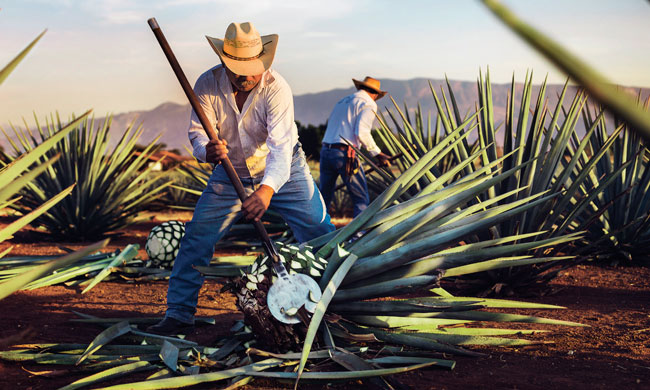
(Family Features) As one of the world’s most popular spirits, tequila has a rich heritage rooted in traditional Mexican craftsmanship. Yet, many people may not be aware of its history or all that goes into producing the spirit. Understanding the production process can reveal the commitment to quality, artistry and craftsmanship that defines one of Mexico’s greatest treasures. What is Tequila? Tequila is a distilled spirit that can only be made from Blue Weber agave grown in five specific regions of Mexico: Jalisco, Guanajuato, Michoacán, Nayarit and Tamaulipas. Blue Weber agave takes more than five years to mature and each agave plant is harvested only once. Tequila is not just a spirit – it’s also a place. The town of Tequila in Jalisco, Mexico, is where this iconic spirit was born. The tequila industry as people know it began in 1758 when Jose Antonio de Cuervo was granted land in the region. By 1812, his family established La Rojeña, which remains the oldest tequila distillery in the world. Cuervo was the first to export tequila to the United States, setting the stage for tequila’s global expansion. Today, La Rojeña crafts many tequilas, including Cuervo Tradicional, Reserva de la Familia by Jose Cuervo and Maestro Dobel Tequila, following time-honored methods. The Art of Tequila Production The tequila-making process begins with cooking the inner portion of the agave, the piña, to convert the plant’s natural starches into fermentable sugars. After cooking, the juices from the piñas are extracted and separated from the agave fibers. These juices are then fermented using various yeast strains to convert the agave sugars to alcohol before the liquid is distilled. The art of tequila production involves striking a balance between traditional methods and modern techniques to achieve consistency and quality. This process showcases the natural complexity and character of the Blue Weber agave plant, as well as the unique craftsmanship that goes into every bottle. Favorite 100% Agave Blanco Tequilas When searching for your next favorite tequila, consider one of these award-winning 100% agave options crafted with just three simple ingredients. Each tequila has been Mexican-family owned for 11 generations, uses estate-grown agave, recycles 100% of its agave fibers and treats 100% of the water used in the tequila-making process. To learn more about tequila production, visit TequilaFacts.org.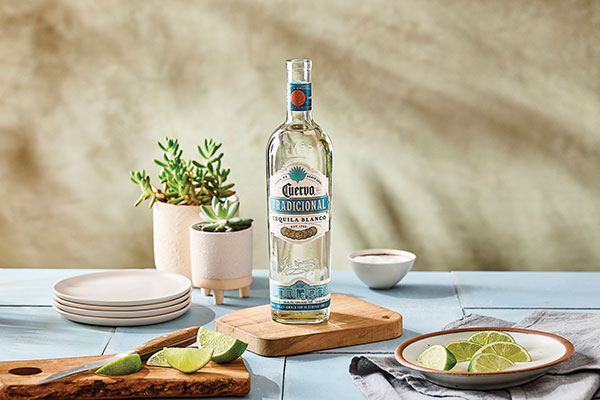
The Tequila That Invented Tequila
The original tequila created more than 230 years ago by the oldest tequila company and first agave farmers, Cuervo Tradicional Blanco follows the same family recipe that put tequila on the map. This award-winning 100% Blue Weber agave tequila offers herbaceous citrus notes balanced by spicy, sweet fruit and a clean finish. Cuervo is a protector of the industry, environment and Mexican communities at the heart of tequila. How It’s Made: The agaves are aged at least 5 1/2 years before they’re cooked in traditional masonry brick ovens at La Rojeña for 36-40 hours. They’re then processed through roller mills to extract the juices.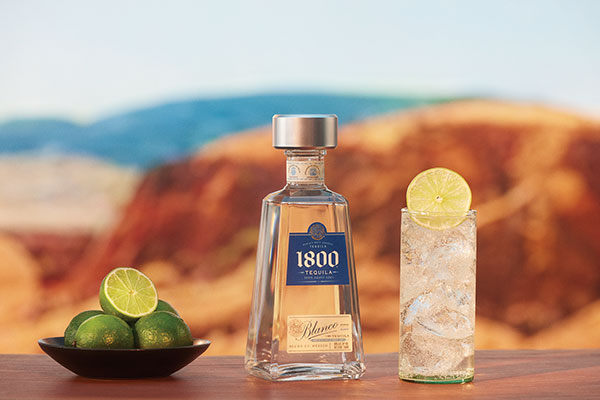
The Best Taste in Tequila and in Life
Taking its name from the year tequila began gaining recognition beyond its humble origins in Jalisco, Mexico, 1800 Blanco Tequila features a floral, fruity aroma with hints of spice and black peppercorn with a balanced sweet prune and roasted pepper flavor, making it the perfect tequila to enjoy neat, on the rocks or incorporated in your favorite cocktail. How It’s Made: Agave hearts are hand-harvested at peak maturity before the tequila is cooked in traditional masonry brick ovens for more than 36 hours, then double-distilled in copper pot stills. The tequila is a special selection of white tequilas blended for added complexity and flavor.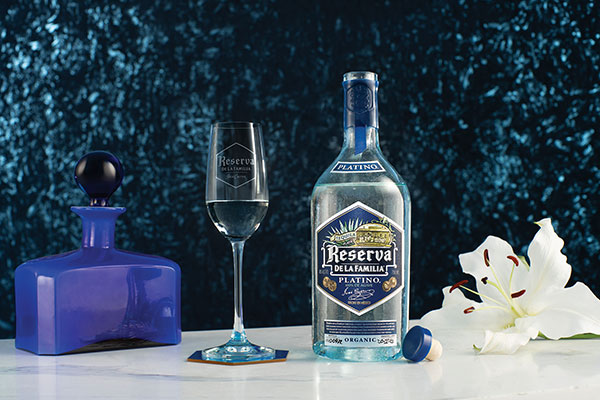
The Organic Crown Jewel of the Cuervo Family
Reserva de la Familia Organic Platino by Jose Cuervo is part of a collection of small-batch artisanal tequilas, 100% organically certified and handcrafted with meticulous care. This bright, unaged tequila features a unique, sweet and spicy palate with notes of melon, honey and hay, culminating in a clean finish highlighted by warm cinnamon spice. As a 100% certified organic product, it is one of the finest, most sustainable ultra-premium tequilas on the market. How It’s Made: This tequila is crafted following the ‘Esencia de Agave’ process – a proprietary process created by Cuervo and known only by the distillers. This method allows the agave notes to retain their original character and shine through in the aroma and flavor of the finished product.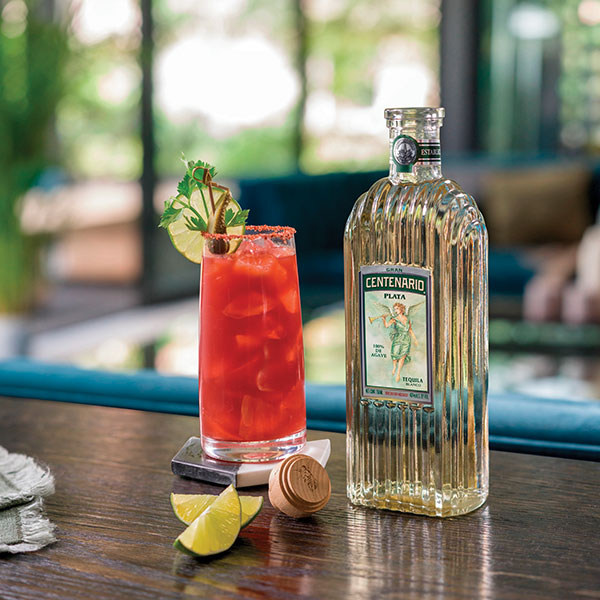
Mexico’s No. 1 Tequila
An award-winning, 100% Blue Weber agave tequila, Gran Centenario Plata is the favorite tequila of Mexico. Originated in 1857 by the first Master Distiller of tequila, this blanco presents vibrant fruit characteristics of pear, lime and citrus, complemented by subtle black pepper undertones. How It’s Made: This blanco tequila is unique because it is matured in American Oak pipónes for 4-6 weeks, contributing to its distinctive straw color. The surface contact ratio of the pipónes is smaller than a barrel, which allows for less exposure to the wood, creating a nuanced flavor profile when compared to other blancos.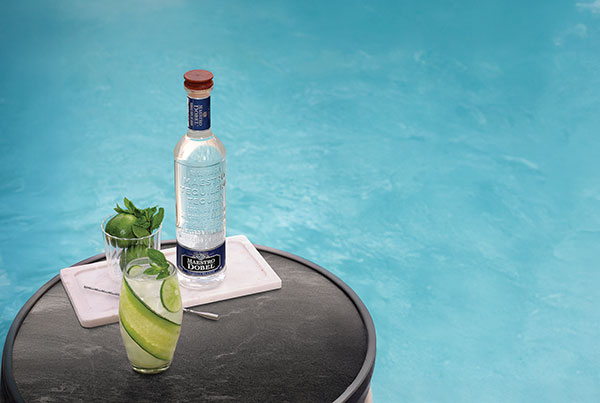
An Uncommonly Smooth Tequila for Any Occasion
A beloved tequila in Mexico, Maestro Dobel Blanco is crafted from single estate agaves that are slow-cooked in masonry ovens. Distilled twice, the resulting liquid is sweet, featuring caramel, honey, maple, walnut and vanilla tones alongside an indescribable softness and smooth finish. How It’s Made: The agaves are harvested before the rainy season to create a greater concentration of carbohydrates, adding depth of flavor and producing a smooth, complex blanco tequila.Discover more from Daily News
Subscribe to get the latest posts sent to your email.


Last Updated on March 13, 2026 by Daily News Staff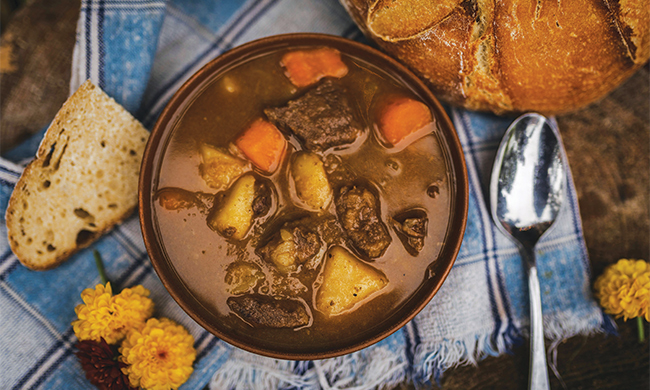
(Feature Impact) Green beer and decor may get all the attention, but for hosts looking to wow their St. Patrick’s Day guests or astound their loved ones, a traditional Irish recipe can become an annual tradition. Celebrate the luck o’ the Irish with this St. Patrick’s Day Stew, a hearty, beefy meal loaded with chuck stew meat, potatoes, carrots, onions and, of course, stout beer.
To find more recipes that put tradition center stage, visit Culinary.net.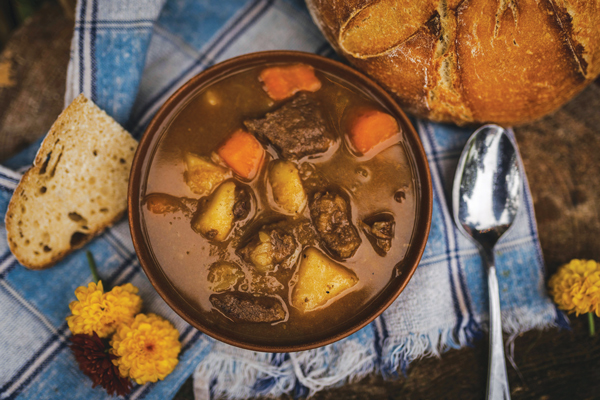
St. Patrick’s Day Stew
Recipe adapted from Simply Recipes
Prep time: 30 minutes
Cook time: 1 hour, 40 minutes
Servings: 6
- 1 1/4 pounds marbled chuck beef stew meat, cut into 1 1/2-inch chunks
- 1 teaspoon salt, plus additional to taste, divided
- 1/4 cup extra-virgin olive oil
- 6 garlic cloves, minced
- 4 cups beef stock
- 2 cups water
- 1 cup extra stout beer
- 1 cup red wine
- 2 tablespoons tomato paste
- 1 tablespoon sugar
- 1 tablespoon dried thyme
- 1 tablespoon Worcestershire sauce
- 2 bay leaves
- 2 tablespoons butter
- 1 large onion, chopped
- 4 carrots, cut into 1/2-inch pieces
- 3 pounds russet potatoes, peeled and cut into 1/2-inch pieces
- freshly ground black pepper, to taste
- 2 tablespoons chopped fresh parsley
- Sprinkle beef chunks with 1 teaspoon salt. In large pot over medium-high heat, heat olive oil.
- Pat beef dry with paper towels and add to pot, working in batches to avoid crowding pot. Cook until browned on one side then flip and brown.
- Add garlic cloves to pot with beef and saute 30 seconds, or until fragrant. Add beef stock, water, beer, wine, tomato paste, sugar, thyme, Worcestershire sauce and bay leaves. Stir.
- Bring mixture to simmer then reduce heat to low. Cover and simmer 1 hour, stirring occasionally.
- In separate pot over medium heat, melt butter. Add onions and carrots; saute until golden, about 15 minutes.
- After beef mixture simmers 1 hour, add onions, carrots and potatoes. Season with salt and pepper, to taste. Simmer uncovered until beef and vegetables are tender, about 40 minutes. Discard bay leaves and spoon excess fat.
- Sprinkle with parsley and serve.
Photo courtesy of Unsplash

SOURCE:
At our core, we at STM Daily News, strive to keep you informed and inspired with the freshest content on all things food and beverage. From mouthwatering recipes to intriguing articles, we’re here to satisfy your appetite for culinary knowledge.
Visit our Food & Drink section to get the latest on Foodie News and recipes, offering a delightful blend of culinary inspiration and gastronomic trends to elevate your dining experience. https://stmdailynews.com/food-and-drink/
Discover more from Daily News
Subscribe to get the latest posts sent to your email.
Food and Beverage
Red Bull Reveals the New Red Bull® Spring Edition Cherry Sakura
Red Bull has launched the limited-time Spring Edition Cherry Sakura, a seasonal flavor available nationwide in both sugar and sugar-free options. This new variant features a bright profile of cherry, cherry blossom, and a hint of almond. With 80mg of caffeine per 8.4 fl oz can, it aims to capture spring’s vibrant energy.

Red Bull is leaning into spring vibes in a big way.
In a Feb. 23, 2026 announcement out of Santa Monica, the brand revealed Red Bull Spring Edition Cherry Sakura—a limited-time flavor designed to match the season’s “let’s get outside” energy. The release is available nationwide now, and it’s coming in two options: with sugar and sugar-free.
What it tastes like
Red Bull describes the new Spring Edition as a layered flavor built for people who want something bright, floral, and a little unexpected.
Here’s the profile the company shared:
- Cherry
- Cherry blossom (sakura)
- A touch of almond flavor
The result sounds like a spring-forward twist—sweet and fruit-led up front, with a floral note and a light, nutty finish.
What to look for on shelves
If you’re scanning the cooler, Red Bull says the Spring Edition Cherry Sakura will be easy to spot.
The cans are packaged in:
- White-colored 8.4 fl oz and 12 fl oz individual cans
- Cherry-red lettering accents
Like other seasonal drops, this one is expected to move quickly. Red Bull notes it will be sold at retailers nationwide “while supplies last.”
Same functional ingredients, new seasonal flavor
Red Bull also emphasized that Spring Edition Cherry Sakura contains the same functional ingredients as Red Bull Energy Drink, with the difference being the limited-time taste.
For caffeine context, the company says one 8.4 fl oz can contains 80mg of caffeine, which it compares to about the same amount as a home-brewed cup of coffee.
The bigger picture: Red Bull’s scale keeps growing
Seasonal flavors have become a reliable way for major beverage brands to keep things fresh, and Red Bull’s numbers show why these launches matter.
According to the company, Red Bull Energy Drink is available in 178 countries, and more than 13.9 billion cans were consumed in 2025 alone.
Bottom line
If spring flavors are your thing—or you’re just ready for something new in the energy drink lineup—Red Bull Spring Edition Cherry Sakura is officially in the wild. It’s nationwide, it’s limited, and it’s available with sugar or sugar-free, so you can pick your lane and stock up before it disappears.
For more information, visit RedBull.com.
Source: Red Bull (PRNewswire press release, Feb 23, 2026, 07:07 ET)
Link to source: https://www.prnewswire.com/
Our Lifestyle section on STM Daily News is a hub of inspiration and practical information, offering a range of articles that touch on various aspects of daily life. From tips on family finances to guides for maintaining health and wellness, we strive to empower our readers with knowledge and resources to enhance their lifestyles. Whether you’re seeking outdoor activity ideas, fashion trends, or travel recommendations, our lifestyle section has got you covered. Visit us today at https://stmdailynews.com/category/lifestyle/ and embark on a journey of discovery and self-improvement.
Discover more from Daily News
Subscribe to get the latest posts sent to your email.
Foodie News
Borden® Cheese Wants to Crown “America’s Favorite Grilled Cheese” — and Every Vote Could Win Free Cheese for a Year
Last Updated on March 12, 2026 by Daily News Staff
Grilled cheese is one of those rare foods that feels universal: it’s quick, comforting, kid-friendly, and endlessly customizable. You can argue bread (sourdough vs. white), spreads (butter vs. mayo), and fillings (tomato? bacon? pickles?), but there’s one truth most grilled-cheese fans agree on: the cheese is what makes the sandwich.
That’s the idea behind Borden® Cheese’s newest national campaign — a nationwide search to crown “America’s Favorite Grilled Cheese.” And yes, there’s a delicious incentive: every vote is also an entry for a chance to win free Borden Cheese for a year (plus kitchen supplies to keep the melt-magic going).
How the “America’s Favorite Grilled Cheese” vote works
From now through March 24, 2026, fans can head to WinFreeBordenCheese.com to vote for one of four grilled cheese contenders.
Here’s the fun part: each vote doubles as a sweepstakes entry for the grand prize — a full year’s supply of Borden Cheese and kitchen supplies.
Borden is also offering 100 instant-win swag packs, which include Borden coupons and branded merch designed to “level up” your sandwich game.
This campaign is also the kickoff to a bigger series of sandwich celebrations leading up to National Grilled Cheese Day on April 12, 2026.
Meet the contenders: four very different takes on grilled cheese
Borden isn’t just putting one “standard” grilled cheese up against another. The four options are meant to represent a range — from classic comfort to trend-driven flavor combos.
1) The Classic
The timeless, ooey-gooey grilled cheese built with Borden American and Extra Sharp Melts on buttery white bread.
If you’re a purist, this is the lane.
2) The Spicy Big Dill
Pickles are having a moment in 2026, and this sandwich leans all the way in: Borden American Singlesand Provolone Slices paired with hot and spicy dill pickles, whipped cream cheese, and ranch seasoning.
It’s tangy, spicy, creamy, crunchy — and built for trend-watchers.
3) The Crispy Onion & BBQ
A savory, texture-forward option featuring Borden Swiss Slices, crispy fried onion strings, and a tangy BBQ sauce kick.
If you like your grilled cheese with a little “cookout energy,” this one’s calling.
4) The Mad Scientist
This is the wildcard: a grilled cheese where the bread is replaced with cheesy waffles, filled with “cheese upon cheese.”
It’s playful, over-the-top, and basically designed for anyone who believes moderation is overrated.
The bigger tease: “Borden’s Grilled Cheese of the Year”
While the public vote will determine “America’s Favorite Grilled Cheese,” Borden is also building anticipation for something else: its first-ever “Grilled Cheese of the Year.”
The brand says the final recipe will be informed by culinary trends, consumer cravings, and — of course — cheese, but the details are still under wraps. The reveal is expected as part of the lead-up to National Grilled Cheese Day (April 12).
In other words: the vote is the appetizer.


Why Borden is leaning into grilled cheese right now
Borden® Cheese has long positioned itself as a family-friendly staple — made with real milk and owned by American dairy farm families. With more than 25 distinct flavors and types, the brand is using this campaign to remind shoppers that grilled cheese isn’t just a childhood throwback; it’s a flexible, modern comfort food that can move with trends.
As Jenny Mehlman, Senior Director of Marketing, Cheese, Taste & Flavors at Dairy Farmers of America, put it: Borden is kicking off National Grilled Cheese Day early with a national call to help name “America’s Favorite,” and continuing the celebration by declaring its first-ever “Grilled Cheese of the Year.”
Want in? Here’s where to vote
If you want to weigh in (and potentially score a year of free cheese), you can vote now through March 24, 2026 at:
Whether you’re Team Classic, Team Pickle, Team BBQ, or Team Mad Scientist, this is one of those low-effort, high-reward food votes that’s actually fun.
Quick takeaway
Borden® Cheese is officially turning grilled cheese season into an event — with a national vote, instant-win swag, and a grand prize that’s basically a dairy lover’s dream.
Now the only real question is: which contender are you voting for?
At our core, we at STM Daily News, strive to keep you informed and inspired with the freshest content on all things food and beverage. From mouthwatering recipes to intriguing articles, we’re here to satisfy your appetite for culinary knowledge.
Visit our Food & Drink section to get the latest on Foodie News and recipes, offering a delightful blend of culinary inspiration and gastronomic trends to elevate your dining experience. https://stmdailynews.com/food-and-drink/
Author

Discover more from Daily News
Subscribe to get the latest posts sent to your email.





