

Foodie News
The Great Turkey Debate: Butterball vs Jennie-O, and the Cook Who Makes It Matter
A personal look at the Butterball vs Jennie-O turkey debate, reflecting on family traditions, taste, and the idea that the cook—not the brand—makes the holiday meal special.

Last Updated on November 26, 2025 by Daily News Staff
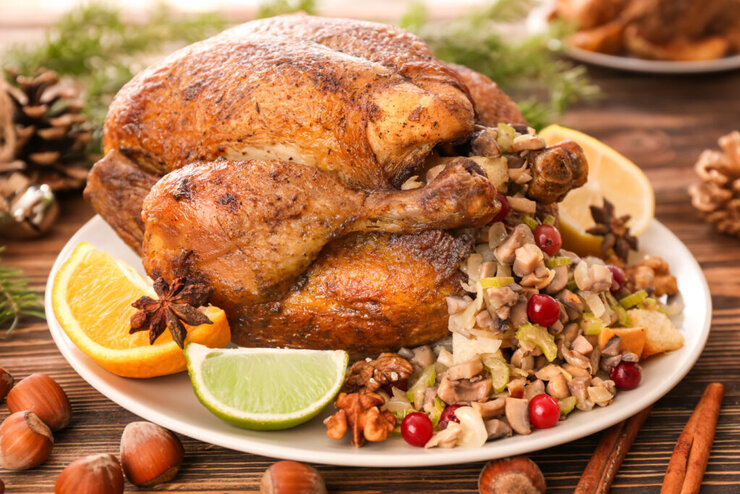
Roasted turkey with stuffing served on holiday table
The Great Turkey Debate: Butterball vs Jennie-O, and the Cook Who Makes It Matter
If you ask ten families which turkey brand is best, you’ll probably get ten different answers. Turkey loyalties run deep—almost as deep as the traditions we build around our holiday tables. So when someone recently asked me which is better, Jennie-O or Butterball, it made me think back to my own family’s experiences and the memories tied to those meals.
Growing up, my mother preferred Butterball. That was her go-to bird every Thanksgiving and Christmas. She trusted the brand, trusted the consistency, and trusted that no matter what else went wrong in the kitchen—and something always did—the Butterball turkey would come out juicy and reliable. She wasn’t a chef, but she cooked like someone who knew exactly what made a dish comforting: familiarity, patience, and a lot of heart.
But here’s the thing—my mom wasn’t a “Butterball or nothing” person. We had plenty of years where she used Jennie-O or whatever brand was the most accessible or affordable at the time. And you know what? The meal was still delicious. Not because of the label on the turkey, but because of who prepared it.
That’s the part people often forget:
The taste of a turkey depends just as much on the cook as on the brand.
Butterball vs. Jennie-O: What I’ve Learned
After many holiday dinners and a few turkeys I attempted on my own, here’s what I can say from experience:
🦃 Butterball
Usually comes pre-brined, which made things easier for my mom. Juicy and flavorful even if you’re not a professional cook. Great choice when you don’t want to worry about perfect seasoning.
🦃 Jennie-O
A bit milder in flavor, which is perfect if you enjoy seasoning your own bird. Leaner in many cases, especially their turkey products. Great for cooks who enjoy experimenting or customizing their flavors.
I’ve had memorable meals with both brands, but the memories weren’t shaped by the turkey itself—they were shaped by the moment. It wasn’t about whether the turkey was Jennie-O or Butterball. It was about family sitting together, laughing, arguing, telling stories, and passing dishes around the table like they were rare treasure.
And in those moments, the turkey—no matter the brand—always tasted amazing.
It’s the Cook, Not Just the Brand
Over the years I’ve learned that you can hand the exact same turkey to two different cooks—a seasoned pro and a nervous first-timer—and end up with two completely different results.
Why?
Because cooking a holiday meal isn’t just a recipe.
It’s technique, patience, and yes—love.
Experienced cooks know exactly when to baste, when to tent the foil, and when to leave the oven alone. Novices bring curiosity and determination that often leads to surprisingly great results. And family recipes passed down (or improvised on the fly) add flavors no brand can package.
In our home, the cook determined the meal, and my mother always managed to turn whatever turkey she had—Butterball, Jennie-O, or anything in between—into something special. Our immediate family always enjoyed a delicious holiday dinner, not because of the brand, but because of her hands and her heart.
So Which Is Better?
Honestly? Whichever one you cook best.
Butterball might give you a little extra cushion with moisture.
Jennie-O might give you more freedom with flavor.
But the magic doesn’t come from the wrapper—it comes from the person preparing the meal.
If you’re cooking the turkey this year, don’t stress about the brand.
Focus on the experience. Enjoy the process. Season it the way you like.
Because long after the leftovers are gone, it’s the memories around the table that stay with us.
Footnote
Growing up, my parents sometimes switched up our holiday dinners because Thanksgiving and Christmas were so close together. Instead of another large turkey, my mom began serving individual Cornish gaming hens for Thanksgiving—two small birds for each of us. Christmas stayed turkey, but the change helped cut down on the mountain of leftovers that came with cooking two big birds only weeks apart. I didn’t mind at all; I absolutely loved Cornish hens. My mom prepared them just like she did her holiday turkey, complete with stuffing and all the traditional sides. It tasted every bit as special, and those meals became some of my favorite holiday memories.
Stay Connected With STM Daily News
Looking for more stories that blend personal experience, community insight, and everyday perspectives?
Subscribe to STM Daily News for updates on food, lifestyle, local events, and the moments that bring us together around the table.
👉 Join our newsletter for weekly highlights
👉 Follow us on social media for fresh stories and behind-the-scenes coverage Instagram | TikTok | YouTube: @STMDailyNews
👉 Share your own holiday traditions in the comments and be part of the conversation
Your stories matter. Your voice matters.
Stay informed, stay inspired — only on STM Daily News.



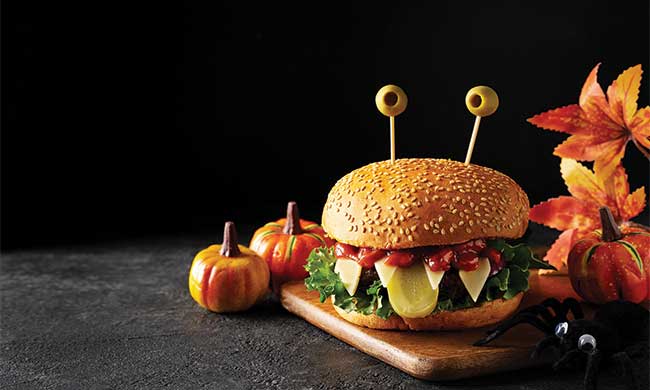
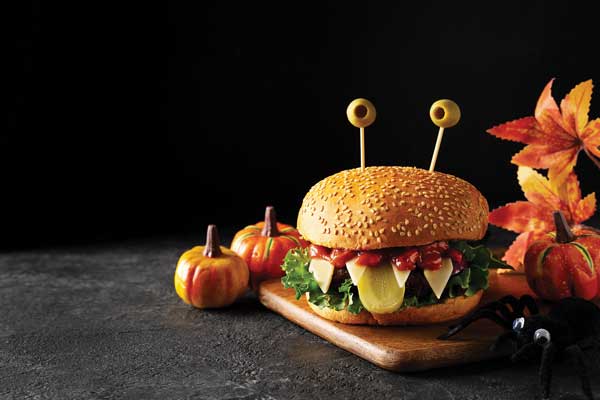
(Feature Impact) Out with the ordinary, in with the weird – that’s what the Halloween season is all about. These Halloween Monster Burgers give a ghoulishly fun twist on burger night, featuring all your favorite toppings transformed into olive eyes, cheese fangs and a pickle tongue.
Whether you reach for a traditional hamburger patty or switch it up with chicken, turkey, bean or veggie options, the effect is the same: a dinner that looks like it escaped from a mad scientist’s lab. It’s a good way to get some protein and veggies into kids before the trick-or-treating sugar rush, and you can even make it interactive by inviting them to decorate their own monsters and come up with creative variations.
Alternatively, if you’re looking for some spooky hors d’oeuvres to impress at this year’s Halloween party, these burgers are easy to size down into slider form. Serve a whole tray of mini monsters ready to devour – or be devoured by – hungry guests.
Find more Halloween recipe inspiration at Culinary.net.
Halloween Monster Burgers
Recipe adapted from Happy Foods Tube
Prep time: 10 minutes
Total time: 18 minutes
Servings: 4
- 4 hamburger, chicken or veggie patties
- 4 tablespoons mayonnaise
- 4 teaspoons ketchup, plus additional, to taste, divided
- 4 hamburger buns
- 8 leaves baby romaine lettuce
- 4 slices dill pickles, sliced lengthwise
- 4 cheese slices
- 8 large green olives, pits removed
- Cook burger patties until they reach desired doneness.
- In small bowl, combine mayonnaise and 4 teaspoons ketchup. Spread each bun base with about 1 tablespoon mayo sauce then add two lettuce leaves and cooked burger patty.
- Add pickle slice as monster “tongue.” Take each cheese slice and cut triangles into one side to resemble teeth; add to burger then cover with ketchup “blood,” to taste.
- Stick olives on toothpicks and add two to each top bun as “eyeballs.”
Photo courtesy of Shutterstock

SOURCE:

Foodie News
Red Lobster Serves Up October Deals, New Shrimp Flavors and Free Kids Meals for Halloween
Red Lobster unveils October 2026 deals, new Endless Shrimp flavors and free kids meals for Halloween weekend. See dates, offers and restrictions.

STM Daily News | Food & Drink | News Brief
October 13, 2026
Red Lobster Kids Eat Free Halloween 2026
Red Lobster is bringing new seafood specials, weekday meal deals and a Halloween treat for families this October. The restaurant chain has announced a lineup of promotions that includes discounted appetizers, new Endless Shrimp flavors and free kids meals for Halloween weekend.
The promotions, announced October 9, feature several offers for Canadian customers, along with select deals available in the United States.

New Weekday Seafood Deals
Red Lobster is introducing an updated weekday Daily Deals menu at participating Canadian restaurants, featuring a different seafood combination each day.
The lineup includes:
- Monday – Endless Shrimp ($36.99 CAD): A selection of shrimp favorites served with one side.
- Tuesday – Crab Lover’s Duo ($34.99 CAD): Steamed snow crab legs paired with Crab & Shrimp Linguini Alfredo.
- Wednesday – Steak & Walt’s ($27.99 CAD): Grilled sirloin with Walt’s Favourite Shrimp and one side.
- Thursday – Salmon New Orleans ($29.99 CAD): Blackened salmon topped with shrimp in Cajun butter sauce.
- Friday – Captain’s Platter ($25.99 CAD): Garlic shrimp, popcorn shrimp and crispy battered fish with one side.
These prices and specific weekday offers apply to participating Canadian restaurants. Red Lobster’s U.S. Daily Deals are separate and may differ in price and availability.
Endless Shrimp Gets an OLD BAY Twist
Beginning October 13, Red Lobster is adding NEW OLD BAY Garlic Shrimp to its Canadian Endless Shrimp lineup.
The limited-time promotion allows guests to mix and match shrimp varieties throughout their meal, accompanied by a side and Red Lobster’s signature Cheddar Bay Biscuits.
The Canadian Endless Shrimp promotion is advertised at $34.99 CAD, with pricing and participation varying by location. Endless Shrimp is available for dine-in only at participating U.S. and Canadian restaurants.
Kids Eat Free for Halloween Weekend
Families looking for a Halloween dining treat can take advantage of Red Lobster’s Kids Eat Free promotion from October 30 through November 1, 2026, at participating restaurants in both the United States and Canada.
Children who arrive in costume can receive free kids meals when dining with an adult purchasing a full-price dinner entrée.
For dine-in customers, one qualifying adult entrée can provide up to two free kids meals, with a maximum of two per table.
Families ordering online for takeout can receive one free kids meal with a qualifying adult entrée by using promo code SPOOKY26.
The maximum discount is $9.99 per free kids meal, and additional restrictions apply.
What About the $3 Appetizers?
Red Lobster also offered $3 individually sized appetizers from October 9–12 at participating Canadian restaurants. The limited-time Thanksgiving weekend promotion included Island Coconut Shrimp, Shrimp Cocktail and Mozzarella Cheesesticks with the purchase of an entrée.
That promotion has now ended and was not advertised as a U.S. offer.
Check Before You Go
With restaurant promotions varying by country and location, customers should confirm availability, prices and restrictions before visiting.
For menus, participating restaurants and additional details, visit Red Lobster’s U.S. website or Red Lobster Canada.
More Food & Drink News from STM Daily News
Looking for the latest restaurant promotions, food trends, recipes and dining news? Explore the Food & Drink section of STM Daily News for more delicious discoveries, helpful tips and updates on what’s happening in the world of food.
Source: RL Investor Holdings LLC / Red Lobster, press release dated October 9, 2026.
Editor’s Note: Promotional offers are subject to participation, availability and restrictions. Canadian prices are listed in Canadian dollars and should not be interpreted as U.S. pricing.
Beverages
Dr Pepper Ice Cream Float Is Coming: Keurig Dr Pepper Teases 2027 Flavor Pipeline Ahead of NACS
Keurig Dr Pepper is already looking past the next season and into 2027. In a new announcement ahead of the National Association of Convenience Stores (NACS) Show, the beverage giant previewed a slate of new products designed to hit the biggest pressure points in today’s drink culture: nostalgia that still feels fresh, a louder energy category, and brand updates meant to keep icons like 7UP and Sunkist relevant on shelves and fountain lines.
For Food & Drink readers, the headline is simple: the “treat soda” era isn’t slowing down—and KDP is leaning into it with flavors that borrow from desserts, frozen cocktails, and childhood staples, often with Regular and Zero Sugar versions built in from day one.
Familiar Favorites, Reimagined (and Built for Zero Sugar)
KDP’s pitch is that younger consumers are experimenting across categories, but they still want the comfort of brands they grew up with. That’s showing up in 2027 as “classic, but remixed.”
Dr Pepper Ice Cream Float (Permanent)
The biggest new reveal is Dr Pepper Ice Cream Float, a flavor that blends the brand’s signature “23 flavors” with creamy vanilla ice cream notes, plus caramel and butterscotch.
- Launch timing: February 2027
- Where you’ll see it: cans and 20 oz. bottles first
- More formats later: fountain and frozen dispensed versions expected mid-year
It’s an important detail that this one is nationwide and permanent, not a limited-time test. That signals confidence that dessert-forward sodas are now a stable lane—not just a novelty.
7UP Miami Vice (Limited-Time)
KDP is also turning 7UP into a tropical, frozen-cocktail-inspired playground with 7UP Miami Vice, combining lime-lemon with strawberry daiquiri and piña colada flavors.
- Launch timing: June 2027
- Status: limited-time offering
7UP Shirley Temple (Holiday Return)
One of 7UP’s most successful recent platforms is coming back: 7UP Shirley Temple, featuring cherry and pomegranate.
- Launch timing: holiday season 2027
- What’s new: expanded immediate-consumption availability via a new 20 oz. package
Canada Dry Raspberry Lemonade (Seasonal Twist)
For spring, KDP is adding Canada Dry Raspberry Lemonade, mixing raspberry and lemonade flavors with the brand’s crisp profile.
- Launch timing: Spring 2027
Energy Gets Bigger (and More Collaborative)
KDP’s other major bet is energy. The company says innovation and limited-time drops are driving a large share of category growth, and it plans to distribute more than 25 new energy items in 2027 across owned brands and partners.
GHOST Energy: 7UP and A&W Become Permanent
GHOST—now positioned by KDP as a $1 billion retail brand—is making two 2026 limited releases permanent in 2027:
- GHOST Energy x 7UP
- GHOST Energy x A&W
New additions include:
- GHOST Energy Sour Strips Appleberry (green apple + strawberry), launching January
- GHOST Energy Blueberry Cream (blueberry + vanilla, “nostalgic yogurt-inspired”), as a limited-time release later in 2027
Bloom Energy: “Iconic Treats” Lineup
Bloom is going straight for the ice-cream-truck memory bank:
- Strawberry Shortie (October 2026)
- Cotton Candy (January 2027)
- Lemon Freezie (January 2027)
C4 Energy: Cereal’s Most Wanted Expands
C4 is expanding its zero-sugar Cereal’s Most Wanted lineup:
- Cocoa Loco in 16 oz cans (January 2027)
- New 8.4 oz mini cans for select flavors
The subtext here is clear: energy is increasingly behaving like soda—flavor-first, collectible, and built for repeat discovery.
Icon Brands Get Refreshed (7UP and Sunkist)
Not every innovation is a new flavor. KDP is also investing in renovations that keep legacy brands competitive.
- 7UP recently rolled out its biggest evolution in more than 15 years, including a more lime-forward formula and refreshed visual identity.
- Sunkist is slated for updated graphics and a refreshed recipe in Q1 2027, aiming for a more fruit-forward orange taste.
For convenience retailers—and for anyone watching the beverage aisle—these updates matter because they’re designed to improve “shelf pop” and keep familiar brands from feeling dated next to trendier newcomers.
What to Watch For (Food & Drink Angle)
If you’re tracking where mainstream beverage culture is going, KDP’s 2027 preview points to three big themes:
- Dessert and “treat” flavors are becoming everyday drinksFloat, cream, caramel, butterscotch—these are no longer seasonal one-offs.
- Zero Sugar is now the default, not the alternativeMany of these launches are planned in both Regular and Zero Sugar formats, which changes how quickly they can scale.
- Energy is turning into a flavor labCollaborations, limited-time drops, and nostalgic concepts are making energy behave like the most experimental part of the aisle.
Bottom Line
Keurig Dr Pepper’s early look at 2027 innovation reads like a map of where beverage demand is headed: familiar brands with a twist, more energy variety, and strategic refreshes that keep icons in the conversation. If Dr Pepper Ice Cream Float lands the way KDP expects, don’t be surprised if “dessert soda” becomes a year-round staple—especially in convenience stores where discovery drives the impulse buy.
Quick Launch Timeline (At a Glance)
- Oct 2026: Bloom Energy Strawberry Shortie
- Jan 2027: GHOST Energy Sour Strips Appleberry; Bloom Cotton Candy + Lemon Freezie; C4 Cereal’s Most Wanted expansion
- Feb 2027: Dr Pepper Ice Cream Float (permanent)
- Spring 2027: Canada Dry Raspberry Lemonade
- Mid-2027: Dr Pepper Ice Cream Float fountain + frozen formats
- June 2027: 7UP Miami Vice (limited-time)
- Holiday 2027: 7UP Shirley Temple return (with expanded 20 oz availability)
- Q1 2027: Sunkist refreshed graphics + recipe
Source (Press Release)
- Keurig Dr Pepper — “Keurig Dr Pepper Reveals 2027 Beverage Innovation Ahead of NACS Show” (PRNewswire, Oct. 5, 2026)
Related Links
- Keurig Dr Pepper corporate site: https://www.keurigdrpepper.com
- Keurig Dr Pepper on LinkedIn (for brand updates/announcements): https://www.linkedin.com/company/keurig-dr-pepper-inc-/
- NACS Show (event context): https://www.nacsshow.com
- Circana (referenced for data in the release): https://www.circana.com




