

Food and Beverage
The Pickle Pad Is Serving Up a Chef-Inspired Menu at Crave Social Eatery
Emerging Franchise Concept, The Pickle Pad, Releases New Menu Details for On-Site Restaurant

TALLAHASSEE, Fla. /PRNewswire/ –Crave Social Eatery, a chef-inspired restaurant offering a crave-able menu geared toward light, fresh food that fits an active lifestyle will launch as part of the new indoor entertainment concept, The Pickle Pad.
With its first location slated to open this Spring in Tallahassee, FL, The Pickle Pad, featuring Crave Social Eatery, is sure to be the new neighborhood hot spot. The Pickle Pad is a unique indoor pickleball and social gaming experience and Crave Social Eatery offers both courtside and in-restaurant dining. Guests will be able to unwind, grab a bite, or cheer on their friend seven days a week.
“Crave Social Eatery will offer real food and real fun as part of our new concept that offers much more than just pickleball,” said Mike Rotondo, CEO of Indoor Active Brands. “We are so excited to bring The Pickle Pad to the community in Tallahassee and to markets across the country. Crave Social Eatery will be the perfect spot to quench your thirst or hunger while enjoying your time at The Pickle Pad.”
As part of the Indoor Active Brands portfolio, Crave Social Eatery at The Pickle Pad joins its well-established sister company Altitude Trampoline Park. Brought to you by experts in both the restaurant and indoor activity industries, Crave will be the heart of social interaction at The Pickle Pad, connecting guests who may be participating in games and those who are relaxing with good company.
Developed by chefs, Crave will have a curated menu of modern American classics with a twist that are just as playful as the games. Below is a sampling of some of the top crave-worthy dishes:
- Artisanal sandwiches, bowls, & salads
- Delicious flatbread pizzas
- All house made sauces
- Tasty smoothies
- Delectable shareable dishes including charcuterie with a selection of cured meats and artisan cheeses
- Curated beer & wine selections
As The Pickle Pad expands, each location will also offer Crave Social Eatery, where guests can dine in the restaurant or courtside. With a wide variety of craveable dishes and multiple areas to dine, Crave is sure to bring a welcoming environment to communities across the nation.
Indoor Active Brands has recently launched The Pickle Pad’s franchising program and plans to open its first location in Tallahassee at 1925 N. Monroe Street in Spring 2024. The 27,000-square-foot facility will feature multiple pickleball courts with casual guest seating, Crave Social Eatery, a full-service restaurant and bar, elevated private areas with social gaming as well as multiple green spaces full of exciting yard games for all ages.
The Pickle Pad is actively seeking qualified candidates to help grow its footprint throughout the U.S. specifically in the Southeast and Midwest regions. To learn more about franchise opportunities, contact Robert Morris, vice president of development, at robert.morris@thepicklepad.com or visit https://www.thepicklepad.com/franchise/.
About Crave Social Eatery:
Crave Social Eatery is both a quick and full-service, chef-inspired restaurant where guests can dine in the restaurant or courtside. The innovative menu offers something for all as it is geared toward light, fresh food that fits an active lifestyle and includes a curated selection of beer, wine, and drinks. Beyond the delicious food and beverages, Crave Social Eatery is a fun, welcoming environment where guests can relax and socialize outside of home and work seven days a week. For more information about Crave Social Eatery visit https://www.thepicklepad.com/#crave.
About The Pickle Pad:
The Pickle Pad is an indoor pickleball and entertainment experience featuring multiple courts, spectator seating and open green spaces with social and lawn games. Each location also offers Crave Social Eatery, a full-service, chef-inspired restaurant where guests can dine in the restaurant or courtside. The space is welcoming and offers something for everyone and any athletic level. The Pickle Pad is part of Indoor Active Brands, which also owns Altitude Trampoline Park, one of the largest entertainment brands in the world. For more information about The Pickle Pad visit https://www.thepicklepad.com/.
About Indoor Active Brands:
Indoor Active Brands is a platform company focused on owning and operating franchising concepts in the indoor family entertainment industry. Created by NRD Capital, Indoor Active Brands currently consists of Altitude Trampoline Park and The Pickle Pad. Indoor Active Brands leverages years of experience in the family entertainment and restaurant industries to provide unmatched support for its franchisees. For more information about Indoor Active Brands visit https://www.indooractivebrands.com/.
SOURCE Indoor Active Brands
Author





Economy
Feeding the Economy Report Says U.S. Food, Agriculture Add $10.4 Trillion
The 2026 Feeding the Economy report says U.S. food and agriculture industries generate $10.4 trillion in economic value and support 48.7 million jobs.


New Feeding the Economy Report Highlights Food, Agriculture Industry Strength
America’s food and agriculture industries generated more than $10.4 trillion in economic value in 2026, accounting for nearly 20% of the U.S. economy, according to the 10th annual Feeding the Economy report released by 35 food and agriculture groups. The new farm-to-fork study also found the sector supports 48.7 million jobs nationwide, including 24.3 million direct jobs across farming, food manufacturing, processing, distribution, retail, and foodservice.
The report points to continued resilience despite inflation, trade uncertainty, and ongoing pressure on farmers and producers. It found food and agriculture generate more than $3 trillion in wages and $1.35 trillion in tax revenue, while U.S. exports totaled $177.3 billion. At the same time, the study flagged softer areas to watch, including flat direct employment in production agriculture and food manufacturing, along with a year-over-year decline in exports. For the food and beverage industry, the report reinforces just how deeply agriculture remains tied to jobs, supply chains, and broader economic stability.
Source:
Tenth Annual “Feeding the Economy” Report Demonstrates Strength and Resilience of the American Food and Agriculture Industries Amid Ongoing Economic Pressures — Feeding the Economy via PR Newswire
Further information:
Feeding the Economy
View the original press release on PR Newswire
STM Daily News is a vibrant news blog dedicated to sharing the brighter side of human experiences. Emphasizing positive, uplifting stories, the site focuses on delivering inspiring, informative, and well-researched content. With a commitment to accurate, fair, and responsible journalism, STM Daily News aims to foster a community of readers passionate about positive change and engaged in meaningful conversations. Join the movement and explore stories that celebrate the positive impacts shaping our world.
Foodie News
Fresh Brothers Pizza Launches U.S. Franchise Expansion
California-based Fresh Brothers Pizza has launched franchise expansion plans, targeting new U.S. markets with support from Craveworthy Brands.


California’s Fresh Brothers Pizza Opens Franchise Opportunities Nationwide
Fresh Brothers Pizza is taking its next step beyond Southern California, opening franchise opportunities nationwide with backing from Craveworthy Brands. For Foodie News readers, the story is less about another pizza chain expanding and more about how a California-born concept is trying to stand out in one of America’s most crowded food categories: by leaning hard into ingredient quality, hospitality, and menu flexibility.
Founded in Los Angeles in 2008 by Scott Goldberg and his family, Fresh Brothers has grown to more than 20 locations across California. The brand says its appeal starts with handmade dough produced daily, vine-ripened tomato sauce, 100 percent pure mozzarella, and a menu that goes beyond pizza to include salads, baked wings, knots, sliders, pastas, and sandwiches. It also built an early reputation for inclusive options, offering vegan, vegetarian, and gluten-free choices at a time when many pizzerias were slower to adapt. That positioning helped Fresh Brothers earn a spot on Pizza Marketplace’s 2026 “Top 100 Movers & Shakers” list.
Now, with operational support from Craveworthy Brands, Fresh Brothers is targeting growth markets including Arizona, Florida, Georgia, Nevada, and Texas. According to the company, franchisees will receive support in real estate, training, supply chain, marketing, technology, and operations. The brand is also showcasing its model at the 2026 International Pizza Expo and Conference in Las Vegas from March 24 to 26. For restaurant watchers, this is one to keep an eye on: Fresh Brothers is betting that a quality-first, Midwest-style pizza concept can travel well beyond its California base.
Source:
Fresh Brothers Bakes Franchise Opportunity, Bringing a Fresh Take on America’s Favorite Food Across The U.S. — Craveworthy Brands via PR Newswire
Further information:
Fresh Brothers Pizza
Craveworthy Brands
At our core, we at STM Daily News, strive to keep you informed and inspired with the freshest content on all things food and beverage. From mouthwatering recipes to intriguing articles, we’re here to satisfy your appetite for culinary knowledge.
Visit our Food & Drink section to get the latest on Foodie News and recipes, offering a delightful blend of culinary inspiration and gastronomic trends to elevate your dining experience. https://stmdailynews.com/food-and-drink/
Foodie News
Take to the Outdoors with a Fresh, Picnic-Friendly Sandwich
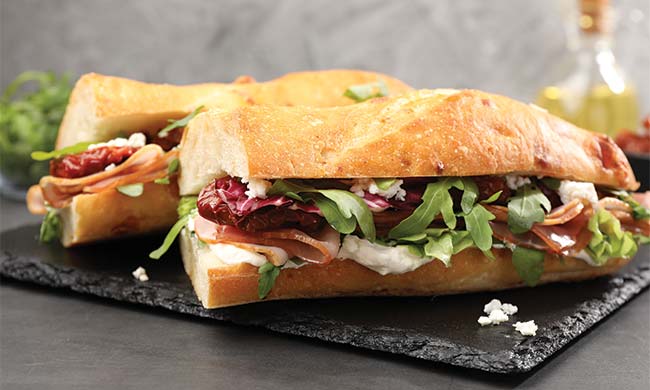
When the weather breaks and it’s time to get outdoors, there’s hardly any better place to be than resting on a deck, lounging in the backyard or curled up on a picnic blanket at a local park. Enjoy that leisurely time with loved ones by sharing a spread that includes these Picnic-Friendly Sandwich.
Take to the Outdoors with a Fresh, Picnic-Friendly Sandwich
(Feature Impact) When the weather breaks and it’s time to get outdoors, there’s hardly any better place to be than resting on a deck, lounging in the backyard or curled up on a picnic blanket at a local park. Enjoy that leisurely time with loved ones by sharing a spread that includes these Picnic Party Sandwiches, perfect for a filling lunch that provides the energy you need for kicking around a soccer ball, playing tag or flying a kite.
Find more lunch ideas fit for enjoying the sunshine by visiting Culinary.net.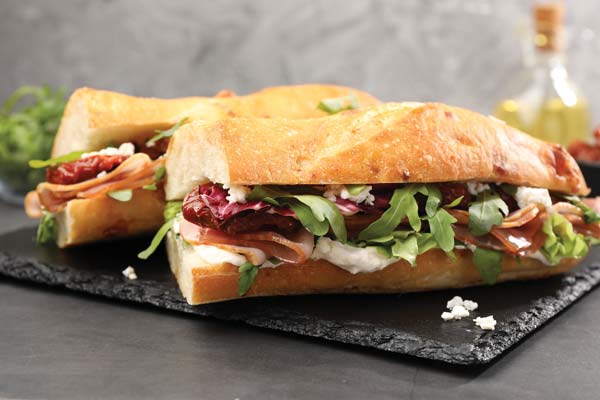
Picnic Party Sandwiches
Recipe adapted from “Crunch Time Kitchen”
Total time: 20 minutes
Servings: 4
- 1/4 cup salted butter
- 2 tablespoons fresh parsley, minced
- 1 large fresh baguette
- 1/4 cup fig preserves
- 6-8 ounces cured meats, such as prosciutto, salami and capocollo
- 6 ounces brie cheese, sliced
- 2 cups arugula
- 1 tablespoon lemon juice
- 1 pinch kosher salt
- Mash together room temperature butter with fresh parsley. Set aside.
- Cut fresh baguette length-wise and smear bottom half of the baguette with herbed butter. Top with fig preserves.
- Layer on cured meats followed by slices of brie cheese. For brie, cut off any large pieces of rind.
- In small bowl, toss arugula with lemon juice and salt. Add arugula to sandwich followed by top half of baguette.
- Cut baguette into four even sandwiches and eat immediately or wrap each one tightly in paper or plastic wrap.
Photo courtesy of Shutterstock


SOURCE:
At our core, we at STM Daily News, strive to keep you informed and inspired with the freshest content on all things food and beverage. From mouthwatering recipes to intriguing articles, we’re here to satisfy your appetite for culinary knowledge.
Visit our Food & Drink section to get the latest on Foodie News and recipes, offering a delightful blend of culinary inspiration and gastronomic trends to elevate your dining experience. https://stmdailynews.com/food-and-drink/





