Connect with us

health and wellness

The Women’s Health Initiative has shaped women’s health for over 30 years, but its future is uncertain

Published

on

Last Updated on May 23, 2025 by Daily News Staff

Women

Jean Wactawski-Wende, University at Buffalo

Women make up more than 50% of the population, yet before the 1990s they were largely excluded from health and medical research studies.

To try to help correct this imbalance, in 1991 the National Institutes of Health launched a massive, long-term study called the Women’s Health Initiative, which is still running today. It is the largest, longest and most comprehensive study on women’s health ever conducted in the U.S. It also is one of the most productive studies in history, with more than 2,400 published scientific papers in leading medical journals.

On April 20, 2025, the Department of Health and Human Services told the study’s lead investigators it plans to terminate much of the program’s funding and discontinue its regional center contracts. On April 24, after pushback from the medical community, HHS officials said the funding had been reinstated. But the reversal was never officially confirmed, so the study’s lead investigators – including me – remain concerned about its future.

I am a public health researcher who has studied chronic disease prevention in women for nearly 40 years. I have been centrally involved with the Women’s Health Initiative since its inception and currently co-direct one of its four regional centers at the University at Buffalo.

The project’s findings have shaped clinical practice, prevention strategies and public health policies across the U.S. and the world, particularly for older women. In my view, its loss would be a devastating blow to women’s health.

An imperative to invest in women’s health

The Women’s Health Initiative was established in response to a growing realization that very little medical research existed to inform health care that was specifically relevant to women. In the U.S. in the 1970s, for example, almost 40% of postmenopausal women were taking estrogen, but no large clinical trials had studied the risks and benefits. In 1985 an NIH task force outlined the need for long-term research on women’s health.

Launched by Bernadine Healy, the first woman to serve as director of the NIH, the Women’s Health Initiative aimed to study ways to prevent heart disease, cancer and osteoporosis.
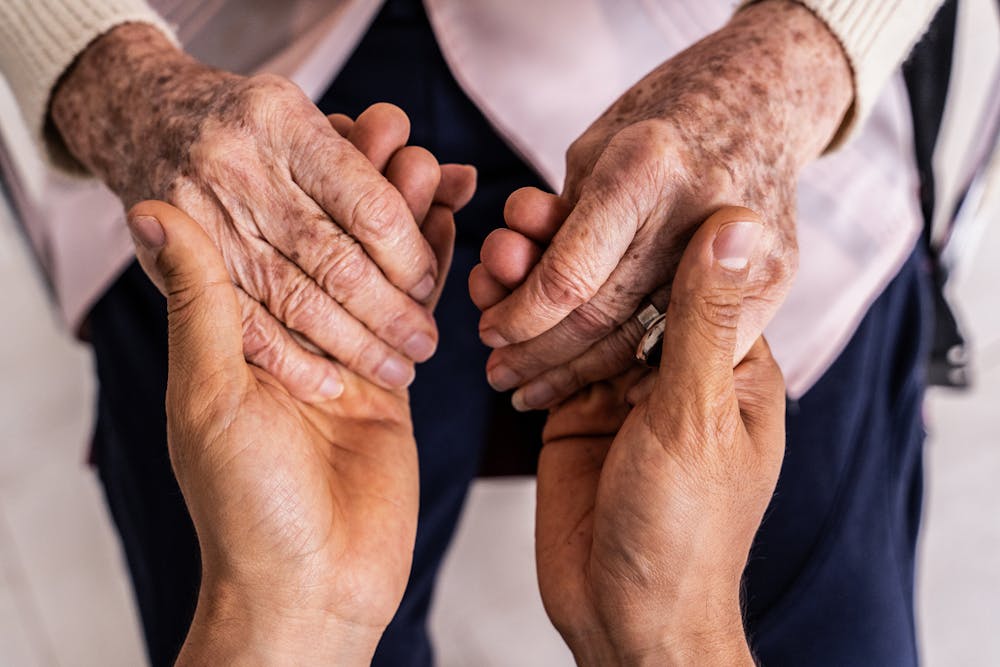
The hands of an older woman and a caregiver, clasped
About 42,000 women ages 78 to 108 remain active participants in the Women’s Health Initiative.
Frazao Studio Latino/E+ via Getty Images

Between 1993 and 1998, the project enrolled 161,808 postmenopausal women ages 50 to 79 to participate in four randomized clinical trials. Two of them investigated how menopausal hormone therapy affects the risk of heart disease, breast cancer, hip fractures and cognition. Another examined the effects of a low-fat, high-fiber diet on breast and colorectal cancers as well as heart disease. The fourth looked at whether taking calcium plus vitamin D supplements helps prevent hip fractures and colorectal cancer.

Women could participate in just one or in multiple trials. More than 90,000 also took part in a long-term observational study that used medical records and surveys to probe the link between risk factors and disease outcomes over time.

Clarifying the effects of hormone therapy

Some of the most important findings from the Women’s Health Initiative addressed the effects of menopausal hormone therapy.

Advertisement
Get More From A Face Cleanser And Spa-like Massage

The hormone therapy trial testing a combination of estrogen and progesterone was set to run until 2005. However, it was terminated early, in 2002, when results showed an increased risk in heart disease, stroke, blood clotting disorders and breast cancer, as well as cognitive decline and dementia. The trial of estrogen alone also raised safety concerns, though both types of therapy reduced the risk of bone fractures.

After these findings were reported, menopausal hormone therapy prescriptions dropped sharply in the U.S. and worldwide. One study estimated that the decreased use of estrogen and progesterone therapy between 2002 and 2012 prevented as many as 126,000 breast cancer cases and 76,000 cardiovascular disease cases – and saved the U.S. an estimated US$35 billion in direct medical costs.

Reanalyses of data from these studies over the past decade have provided a more nuanced clinical picture for safely using menopausal hormone therapy. They showed that the timing of treatment matters, and that when taken before age 60 or within 10 years of menopause, hormones have more limited risk.

Defining clinical practice

Although the Women’s Health Initiative’s four original clinical trials ended by 2005, researchers have continued to follow participants, collect new data and launch spinoff studies that shape health recommendations for women over 65.

Almost a decade ago, for example, research at my institution and others found in a study of 6,500 women ages 63 to 99 that just 30 minutes of low to moderate physical activity was enough to significantly boost their health. The study led to changes in national public health guidelines. Subsequent studies are continuing to explore how physical activity affects aging and whether being less sedentary can protect women against heart disease.

Bone health and preventing fractures have also been a major focus of the Women’s Health Initiative, with research helping to establish guidelines for osteoporosis screening and investigating the link between dietary protein intake and bone health.

One of the Women’s Health Initiative’s biggest yields is its vast repository of health data collected annually from tens of thousands of women over more than 30 years. The data consists of survey responses on topics such as diet, physical activity and family history; information on major health outcomes such as heart disease, diabetes, cancer and cause of death, verified using medical records; and a trove of biological samples, including 5 million blood vials and genetic information from 50,000 participants.

The Women’s Health Initiative set out to prevent heart disease, cancer and osteoporosis in menopausal women.

Any researcher can access this repository to explore associations between blood biomarkers, disease outcomes, genes, lifestyle factors and other health features. More than 300 such studies are investigating health outcomes related to stroke, cancer, diabetes, eye diseases, mental health, physical frailty and more. Thirty are currently running.

What does the future hold?

In addition to data amassed by the Women’s Health Initiative until now, about 42,000 participants from all 50 states, now ages 78 to 108, are still actively contributing to the study. This cohort is a rare treasure: Very few studies have collected such detailed, long-term information on a broad group of women of this age. Meanwhile, the demographic of older women is growing quickly.

Continuing to shed light on aging, disease risk and prevention in this population is vital. The questions guiding the project’s ongoing and planned research directly address the chronic diseases that Health Secretary Robert F. Kennedy Jr. has announced as national priorities.

Advertisement
Get More From A Face Cleanser And Spa-like Massage

So I hope that the Women’s Health Initiative can continue to generate discoveries that support women’s health well into the future.The Conversation

Jean Wactawski-Wende, Professor of Public Health and Health Professions, University at Buffalo

This article is republished from The Conversation under a Creative Commons license. Read the original article.

Our Lifestyle section on STM Daily News is a hub of inspiration and practical information, offering a range of articles that touch on various aspects of daily life. From tips on family finances to guides for maintaining health and wellness, we strive to empower our readers with knowledge and resources to enhance their lifestyles. Whether you’re seeking outdoor activity ideas, fashion trends, or travel recommendations, our lifestyle section has got you covered. Visit us today at https://stmdailynews.com/category/lifestyle/ and embark on a journey of discovery and self-improvement.


Discover more from Daily News

Subscribe to get the latest posts sent to your email.

Lifestyle

Swisse Launches Glam Bites: Zero-Sugar Beauty Gummies Designed for Busy Routines

Swisse launches Glam Bites: delicious beauty gummies with zero sugar, no sugar alcohols, and no artificial flavors, colors, or sweeteners—designed to support beauty from within.

Published

on

Swisse’s new Glam Bites feature collagen peptides, hyaluronic acid, biotin, astaxanthin, and more—three targeted formulas for glow, defense, and hair/skin/nails support.*

Swisse Launches Glam Bites: Zero-Sugar Beauty Gummies Designed for Busy Routines

Swisse, the premium supplement brand under Health & Happiness (H&H) Group and a Certified B Corp, is kicking off 2026 with a new way to support “beauty from within.” The company just introduced Swisse Beauty Glam Bites, a line of zero-sugar beauty gummies made with science-backed ingredients—without the usual “junk” found in many gummy supplements. Positioned for today’s always-on lifestyle, Glam Bites aims to make daily self-care feel less like another task and more like a quick, enjoyable habit: bite, nourish, and glow.

What makes Glam Bites different?

Gummy supplements are popular, but they often come with tradeoffs—added sugars, sugar alcohols, artificial flavors, or ingredients that don’t align with cleaner-label preferences. Swisse is leaning into the opposite approach. According to the company, Glam Bites are crafted with:
  • Zero sugar
  • No sugar alcohols
  • No artificial flavors, colors, or sweeteners
  • Gluten-free
  • Free from major allergens (milk, eggs, fish, crustacean shellfish, peanuts, wheat, soybeans, sesame)
That “clean but still tasty” promise is a big part of the launch—especially as more shoppers look for supplements that fit into wellness routines without feeling like a compromise.

A beauty routine that starts from the inside

Swisse is framing Glam Bites as a simple daily add-on that supports skin, hair, and nails through targeted micronutrients. Leading dietitian Dana A. White highlighted the brand’s approach in the announcement, noting that Glam Bites deliver “powerful, science-driven beauty benefits” through a precisely balanced blend of nutrients—while keeping the formula free from artificial colors, flavors, and sweeteners.

The Glam Bites lineup (available now)

Swisse launched Glam Bites in three formulas, each with its own ingredient blend and naturally flavored profile.

1) Hair Skin Nails Glam Bites

  • Price/Count: $19.99 (60 count)
  • Key ingredients: Biotin, Zinc, Bamboo Extract
  • What it supports: Stronger hair and nails, plus skin firmness and elasticity*
  • Flavor: Blood orange (naturally flavored)

2) Glow Skin Glam Bites

  • Price/Count: $24.99 (60 count)
  • Key ingredients: Hyaluronic Acid, Vitamins C & E, Sea Moss, Hydrolyzed Marine Collagen Peptides
  • What it supports: Collagen production, improved elasticity, and a stronger skin barrier*
  • Flavor: Blueberry lavender (naturally flavored)

3) Skin Defense Glam Bites

  • Price/Count: $24.99 (60 count)
  • Key ingredients: Astaxanthin, L-Glutathione, Green Tea Extract
  • What it supports: Healthy aging, even skin tone, and antioxidant protection against environmental stressors*
  • Flavor: Raspberry green tea (naturally flavored)

Why gummies—and why now?

Swisse is launching Glam Bites at a time when gummies are increasingly becoming the preferred supplement format for younger consumers. The company cited research showing:
  • 45% of Gen Z and 31% of millennials favor gummy supplements.
  • 74% of U.S. personal care buyers agree that skin health reflects overall health.
In other words: the market is shifting toward convenience, better taste, and wellness products that connect beauty with whole-body health.

A global wellness brand expanding its portfolio

Swisse was founded in Australia in 1969 and has grown into a global wellness name known for premium supplements made with ingredients backed by scientific research and produced under world-class manufacturing standards. With Glam Bites, the brand is clearly betting on a “cleaner gummy” future—one that fits modern routines and modern label expectations.

Where to buy

Swisse Beauty Glam Bites are available now.
*These statements have not been evaluated by the Food and Drug Administration. These products are not intended to diagnose, treat, cure, or prevent any disease.

Our Lifestyle section on STM Daily News is a hub of inspiration and practical information, offering a range of articles that touch on various aspects of daily life. From tips on family finances to guides for maintaining health and wellness, we strive to empower our readers with knowledge and resources to enhance their lifestyles. Whether you’re seeking outdoor activity ideas, fashion trends, or travel recommendations, our lifestyle section has got you covered. Visit us today at https://stmdailynews.com/category/lifestyle/ and embark on a journey of discovery and self-improvement.


Discover more from Daily News

Subscribe to get the latest posts sent to your email.

Continue Reading

Health

How C-reactive protein outpaced ‘bad’ cholesterol as leading heart disease risk marker

C-reactive protein (CRP) is a key inflammation marker that can predict heart attack and stroke risk—often better than LDL cholesterol. Here’s why it matters.

Published

on

C-reactive protein (CRP) is a key inflammation marker that can predict heart attack and stroke risk—often better than LDL cholesterol. Here’s why it matters.
Blood vessel damage from fatty and high-sugar diets leads to inflammation, which can be detected by measuring C-reactive protein. Mohammed Haneefa Nizamudeen/iStock via Getty Images Plus

How C-reactive protein outpaced ‘bad’ cholesterol as leading heart disease risk marker

Mary J. Scourboutakos, Macon & Joan Brock Virginia Health Sciences at Old Dominion University Heart disease is the leading cause of death in the United States. Since researchers first established the link between diet, cholesterol and heart disease in the 1950s, risk for heart disease has been partly assessed based on a patient’s cholesterol levels, which can be routinely measured via blood work at the doctor’s office. However, accumulating evidence over the past two decades demonstrates that a biomarker called C-reactive protein – which signals the presence of low-grade inflammation – is a better predictor of risk for heart disease than cholesterol. As a result, in September 2025, the American College of Cardiology published new recommendations for universal screening of C-reactive protein levels in all patients, alongside measuring cholesterol levels.

What is C-reactive protein?

C-reactive protein is created by the liver in response to infections, tissue damage, chronic inflammatory states from conditions like autoimmune diseases, and metabolic disturbances like obesity and diabetes. Essentially, it is a marker of inflammation – meaning immune system activation – in the body. C-reactive protein can be easily measured with blood work at the doctor’s office. A low C-reactive protein level – under 1 milligram per deciliter – signifies minimal inflammation in the body, which is protective against heart disease. An elevated C-reactive protein level of greater than 3 milligrams per deciliter, signifies increased levels of inflammation and thus increased risk for heart disease. About 52% of Americans have an elevated level of C-reactive protein in their blood. Research shows that C-reactive protein is a better predictive marker for heart attacks and strokes than “bad,” or LDL cholesterol, short for low-density lipoprotein, as well as another commonly measured genetically inherited biomarker called lipoprotein(a). One study found that C-reactive protein can predict heart disease just as well as blood pressure can.

Why does inflammation matter in heart disease?

Inflammation plays a crucial role at every stage in the development and buildup of fatty plaque in the arteries, which causes a condition called atherosclerosis that can lead to heart attacks and strokes. From the moment a blood vessel is damaged, be it from high blood sugar or cigarette smoke, immune cells immediately infiltrate the area. Those immune cells subsequently engulf cholesterol particles that are typically floating around in the blood stream to form a fatty plaque that resides in the wall of the vessel. This process continues for decades until eventually, one day, immune mediators rupture the cap that encloses the plaque. This triggers the formation of a blood clot that obstructs blood flow, starves the surrounding tissues of oxygen and ultimately causes a heart attack or stroke. Hence, cholesterol is only part of the story; it is, in fact, the immune system that facilitates each step in the processes that drive heart disease.
Three-dimensional concept of fatty plaque buildup in an artery.
Fatty plaque buildup in the arteries causes a blockage that starves tissues of oxygen and can lead to a heart attack or stroke. wildpixel/iStock via Getty Images Plus

Can diet influence C-reactive protein levels?

Lifestyle can significantly influence the amount of C-reactive protein produced by the liver. Numerous foods and nutrients have been shown to lower C-reactive protein levels, including dietary fiber from foods like beans, vegetables, nuts and seeds, as well as berries, olive oil, green tea, chia seeds and flaxseeds. Weight loss and exercise can also reduce C-reactive protein levels.
Colorful variety of foods that help lower heart disease risk.
Diet plays a key role in heart disease risk. monticelllo/iStock via Getty Images Plus

Does cholesterol still matter for heart disease risk?

Though cholesterol may not be the most important predictor of risk for heart disease, it does remain highly relevant. However, it’s not just the amount of cholesterol – or more specifically the amount of bad, or LDL, cholesterol – that matters. Two people with the same cholesterol level don’t necessarily have the same risk for heart disease. This is because risk is determined more so by the number of particles that the bad cholesterol is packaged into, as opposed to the total mass of bad cholesterol that’s floating around. More particles means higher risk. That is why a blood test known as apolipoprotein B, which measures the number of cholesterol particles, is a better predictor of risk for heart disease than measurements of total amounts of bad cholesterol. Like cholesterol and C-reactive protein, apolipoprotein B is also influenced by lifestyle factors like exercise, weight loss and diet. Nutrients like fiber, nuts and omega-3 fatty acids are associated with a decreased number of cholesterol particles, while increased sugar intake is associated with a larger number of cholesterol particles. Furthermore, lipoprotein(a), a protein that lives in the wall surrounding cholesterol particles, is another marker that can predict heart disease more accurately than cholesterol levels. This is because the presence of lipoprotein(a) makes cholesterol particles sticky, so to speak, and thus more likely to get trapped in an atherosclerotic plaque. However, unlike other risk factors, lipoprotein(a) levels are purely genetic, thus not influenced by lifestyle, and need only be measured once in a lifetime.

What’s the best way to prevent heart disease?

Ultimately, heart disease is the product of many risk factors and their interactions over a lifetime. Therefore, preventing heart disease is way more complicated than simply eating a cholesterol-free diet, as once thought. Knowing your LDL cholesterol level alongside your C-reactive protein, apolipoprotein B and lipoprotein (a) levels paints a comprehensive picture of risk that can hopefully help motivate long-term commitment to the fundamentals of heart disease prevention. These include eating well, exercising consistently, getting adequate sleep, managing stress productively, maintaining healthy weight and, if applicable, quitting smoking.The Conversation Mary J. Scourboutakos, Adjunct Assistant Professor in Family and Community Medicine, Macon & Joan Brock Virginia Health Sciences at Old Dominion University This article is republished from The Conversation under a Creative Commons license. Read the original article.

Discover more from Daily News

Subscribe to get the latest posts sent to your email.

Continue Reading

Lifestyle

How to reduce gift-giving stress with your kids – a child psychologist’s tips for making magic and avoiding tears

Reduce gift-giving stress with kids: A child psychologist shares practical rules for stress-free gift giving with kids—how many gifts to give, what holds attention, and how to avoid holiday tears.

Published

on

Last Updated on January 9, 2026 by Daily News Staff

Reduce gift-giving stress with kids: A child psychologist shares practical rules for stress-free gift giving with kids—how many gifts to give, what holds attention, and how to avoid holiday tears.
’Tis the season … for gift-buying stress. Photo by Ryan Miller/Invision/AP

How to reduce gift-giving stress with your kids – a child psychologist’s tips for making magic and avoiding tears

Angela J. Narayan, University of Denver As a child, I loved being the center of attention. So it was a problem when my baby brother was born a day before my birthday. For years, I would beg my parents for a birthday gift “one day early.” My laid-back brother remembers thinking, “I don’t care about presents. Just give her mine!” As an associate professor and child psychologist at the University of Denver who studies child development and parenting, I’ve come to learn about these types of challenges associated with gift giving. The holidays, while a magical time, can also be stressful. Society places an expectation on parents to buy gifts, regardless of their financial circumstances, and children themselves often feel a variety of complex emotions. How children react to getting presents is partially linked to temperament, which is the variety of ways that children experience, perceive and interact with the world. Temperament is the precursor to personality – some people are introverts, while others are extroverts. Temperament is partially heritable. That means an introverted parent who feels social pressure to buy many gifts for their shy and easily overwhelmed child may be inadvertently causing stress. Faced with this holiday conundrum, I’m often asked questions like “Is there a magic number of gifts to give my kids?” or “What gifts will hold my child’s attention the longest?” While there isn’t an easy answer to either question, these tips and tricks can help parents be more thoughtful and intentional about gift giving, especially for children who are young.

The age rule

Young children cannot focus on a lot of things at once. A good rule of thumb is that a 1-year-old can focus only on one thing at a time. A 2-year-old can maybe focus on two things at most, and a 3-year-old maybe three things, and so on. Stop at five. Very few children actually need more than five gifts, so feel free to go lower.

The attention rule

I have often searched for the magical gift that will keep my children occupied for hours, and so far I haven’t found it. What I have found is that my children – ages 5 and 7 – get excited about the things that I get excited about. So I try to buy things that I think are fun. Ask yourself what you would like to play with if you got to be a child again. I bet your children would be eager to join you in those things.

The games rule

Card and board games are great gifts, often inexpensive, fun for many ages – excepting babies, of course – and capable of holding attention for a long time. Plus, they usually don’t take up much storage space. I love giving my kids games that are not only fun but also teach them helpful skills. Collaborative games for preschoolers and early school-age children like the Fairy Game and Outfoxed teach problem-solving, teamwork and early reasoning skills. Games for elementary-age children, such as Sorry and Battleship, teach kids how to manage difficult situations, like not always being in the lead, being a good sport even if you’re behind, and losing gracefully. Timeless card games like Uno and Memory, and newer ones like Sleeping Queens and Exploding Kittens, are great for using working memory, thinking flexibly, persisting and strategizing. Most importantly, playing games together supports positive family time, which is an excellent antidote to stress, bad moods or boredom.

The pressure rule

Imagine the holiday experience through the eyes of each of your children. Some children relish receiving gifts, like I did. Others, however, may feel self-conscious, overwhelmed by the sensory overload – all the textures, commotion and bright colors, not to mention people staring at them. The elements of surprise combined with the unspoken social pressure to be gracious and well regulated are challenging for any young child. We expect small children to contain their excitement, delay gratification and react positively to the surprise. And then come up with a polite response. These are all complex requests, rarely directly or explicitly taught. It’s no wonder that many children show negative emotions, have tantrums, or even just say, “I’m tired!” during holiday celebrations. That’s why beyond the precise nature of “the perfect gift,” we shouldn’t lose sight of what we should be doing. And that is investing in togetherness and helping kids learn skills like being patient and taking turns, strengthening memory capacities, planning ahead, not giving up, and that being a team player will pay off later. These skills pave the way for longer sustained attention, focus and concentration, as well as confidence. My 7-year-old is becoming a skillful chess player because we have taught him the rules and strategy and helped him practice. Maybe this is the real magical gift – not the purchase itself, but the decision to invest in time with your child early. Angela J. Narayan, Associate Professor, Clinical Child Psychology Ph.D. program, University of Denver This article is republished from The Conversation under a Creative Commons license. Read the original article.

Dive into “The Knowledge,” where curiosity meets clarity. This playlist, in collaboration with STMDailyNews.com, is designed for viewers who value historical accuracy and insightful learning. Our short videos, ranging from 30 seconds to a minute and a half, make complex subjects easy to grasp in no time. Covering everything from historical events to contemporary processes and entertainment, “The Knowledge” bridges the past with the present. In a world where information is abundant yet often misused, our series aims to guide you through the noise, preserving vital knowledge and truths that shape our lives today. Perfect for curious minds eager to discover the ‘why’ and ‘how’ of everything around us. Subscribe and join in as we explore the facts that matter.  https://stmdailynews.com/the-knowledge/


Discover more from Daily News

Subscribe to get the latest posts sent to your email.

Continue Reading

Trending