

health and wellness
Understanding and Treating Rosacea: What You Need to Know
Rosacea is a chronic skin condition affecting over 16 million Americans, causing facial redness, swelling, and discomfort. Its exact cause is unclear, but triggers include sun exposure and stress. Treatment involves tailored skincare, lifestyle management, and medication. Crescel’s Skin Renewal Cream offers a scientifically-backed solution to manage symptoms effectively.


(Feature Impact) Rosacea is a chronic skin condition, mainly affecting the face, that causes redness, swelling, pain and changes in appearance. It is estimated that more than 16 million people in the United States have rosacea, according to the National Rosacea Society (NRS), but only about 1 million are under active treatment.
Physical impacts include prominent redness, acne-like bumps and pimples, highly visible enlarged blood vessels, pronounced dryness and unpleasant sensations like stinging, burning, itching and tingling. As many as half of sufferers also experience eye symptoms. Rosacea also affects emotional and social well-being. From lower confidence and self-esteem to avoidance of public contact and social engagements and missed work, the impacts are far-reaching. However, rosacea can be treated and managed.
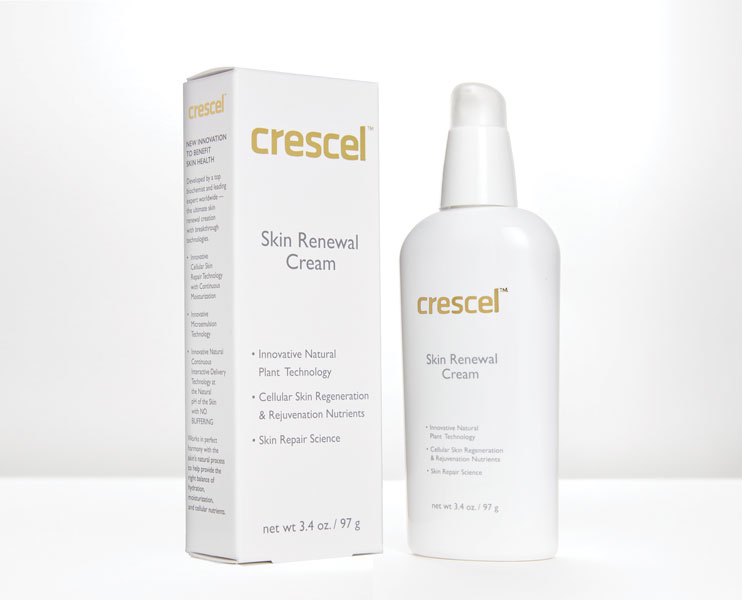
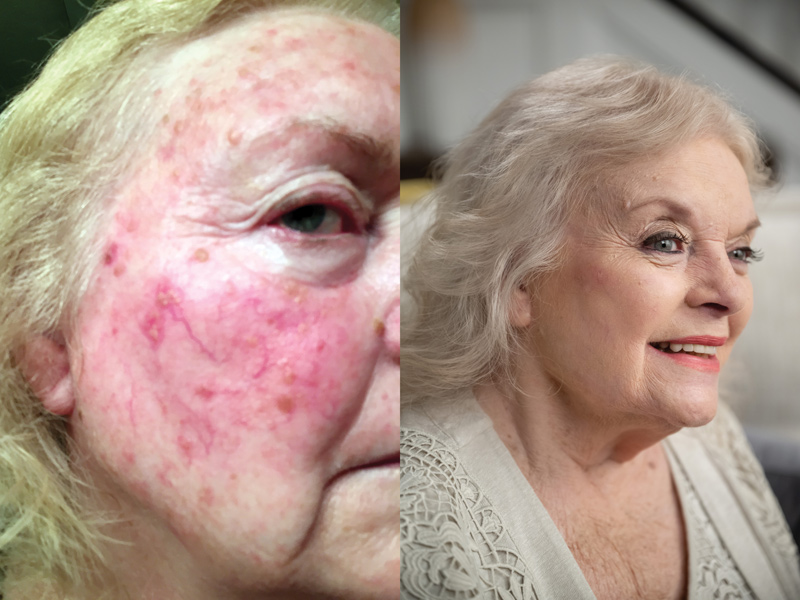 Learn more about the condition with this information from the NRS and the experts at Crescel, who are transforming rosacea care by harnessing nature and science to heal skin with their Skin Renewal Cream. It holds the NRS’s Seal of Acceptance, and its therapeutic benefits and tolerance have been confirmed in multiple clinical studies.
“Sensitive and easily irritated skin is a common issue for people with rosacea, and harsh products can aggravate the condition,” said Andrew Huff, executive director of the NRS. “That’s why the NRS expertly evaluates skin care and cosmetic products to ensure they are gentle, clinically tested and found to be unlikely to irritate sensitive rosacea skin.”
What causes rosacea?
The exact cause of rosacea is not fully understood. However, research suggests facial redness is often the first step in a chain of skin inflammation. This process may begin when the nerves, blood vessels and immune system don’t work together as they should.
Researchers have also found a microscopic skin mite called Demodex may play a role. These tiny arachnids normally live within hair follicles and oil glands on everyone’s skin, but people with rosacea tend to have higher numbers on the face, which may contribute to irritation and inflammation.
Some studies have found links between rosacea and other health conditions, such as heart disease, digestive disorders, neurological or autoimmune conditions and certain cancers. These findings suggest rosacea may be related to inflammation throughout the body.
What are the most common symptoms?
The most common symptoms of rosacea include:
- Easy or severe blushing or flushing
- Persistent redness
- Bumps and pimples on the skin without blackheads
- Burning or itching sensation
- Swelling
Symptoms are different for each person and can change over time. There may be times when symptoms are worse and instances when they become milder.
What triggers a flare up?
Rosacea patients can improve their chances of maintaining remission by identifying and avoiding lifestyle and environmental factors that trigger flare-ups or aggravate the condition.
Common triggers include sun exposure, stress, extreme temperatures, heavy exercise, alcohol consumption, spicy foods and some skin, hair and makeup products.
What causes a flare-up in one person may have no effect on another, making this a highly individualized process. Knowing what triggers your flare-ups can help reduce discomfort, improve treatment results and prevent the condition from getting worse.
 How do you treat rosacea?
Because the signs and symptoms of rosacea vary from one patient to another, treatment is tailored by a physician for each individual case. It typically involves three key elements:
- Skin care: Committing to a gentle routine using mild, non-irritating products.
- Lifestyle management: Identifying and reducing exposure to triggers.
- Medication and other therapies: Combining topical and oral treatments along with laser therapy to target various symptoms.
As the world’s first intelligent therapeutic, Crescel’s Skin Renewal Cream harnesses nature and science to heal skin. The cream contains:
- Pioneering microemulsion technology that enables continuous delivery of critical cellular nutrients that are essential for skin healing.
- A unique absorption system, whichallows healing nutrients to easily enter the cell.
- Mitochondria reboot technologythat restores the mitochondria’s ability to repair dysfunctional skin cells while reinforcing the skin’s natural barrier, reducing the risk of future irritation and flare-ups.
Talk with your dermatologist about your treatment routine and visit crescel.com to learn more about rosacea care.
SOURCE:
Crescel
Discover more from Daily News
Subscribe to get the latest posts sent to your email.




health and wellness
Navigating Cholesterol: What You Need to Know for a Healthy Heart
Navigating Cholesterol: Cholesterol is a crucial substance for the body but can pose risks when levels of “bad” LDL cholesterol are too high. The American Heart Association emphasizes regular screenings, healthy lifestyle choices, and informed care to manage cholesterol and reduce heart disease risks. Early screening in children is also vital for long-term health.

Navigating Cholesterol: What You Need to Know for a Healthy Heart
(Feature Impact) With so much information available, it can be difficult to understand what cholesterol is – and why it’s important.
Knowing your personal risk of developing heart disease and managing your cholesterol early through healthy habits, regular screening and informed care is key for heart and brain health.
This advice from the American Heart Association can help you understand why cholesterol matters, how to manage it and how lifestyle habits may affect your long-term heart health.
Cholesterol is Essential
Cholesterol is a waxy substance found throughout your body. Your body makes all the cholesterol it needs for important jobs, such as helping to build cells and make certain hormones. The concern is having too much “bad” cholesterol (low-density lipoprotein, or LDL) in the blood, which can increase the risk of heart disease and stroke. Having enough “good” cholesterol (high-density lipoprotein, or HDL) in your blood can help reduce your risk.
“Cholesterol itself isn’t the enemy – our bodies need moderate levels to function,” said Roger S. Blumenthal, MD, FAHA, chair of the 2026 Dyslipidemia Guideline writing group and an American Heart Association national volunteer expert and cardiologist. “The goal is balance. Healthy lifestyle habits are a powerful step in keeping LDL cholesterol in a healthy range and protecting your heart and brain over the long term.”
Cholesterol in Your Blood vs. Cholesterol in Food
Too much blood cholesterol – the type measured on a cholesterol test – can cause plaque buildup in arteries (atherosclerosis), increasing your risk for heart disease and stroke. Blood cholesterol levels are influenced by overall eating patterns, lifestyle habits, genetics and other health factors, not just the cholesterol found in foods. Enjoy vegetables, fruits, whole grains, beans, nuts, seeds, unsaturated fats and lean proteins as part of an overall healthy eating pattern. Limit ultra-processed foods that are high in saturated fats, added sugars and sodium.
 Know Your Numbers and Understand Your Risk
Adults ages 19 and older should have their cholesterol checked at least every five years, as recommended by the American Heart Association.
A lipid profile, or cholesterol test, is a blood test that will provide results for your HDL cholesterol, LDL cholesterol, triglycerides and total blood cholesterol. Other risk factors like age, family history, smoking status and more should also be considered to determine your risk of developing heart disease or stroke. Work with your health care professional to understand your results and design a treatment plan based on your risk.
Managing Cholesterol: Lifestyle is Essential
For many people, healthy lifestyle habits are the foundation of cholesterol management. Eating a nutritious diet, getting regular physical activity, maintaining a healthy weight, getting enough sleep, avoiding tobacco products and managing blood pressure and blood sugar can all help support heart health.
Cholesterol-Lowering Medications
In addition to healthy lifestyle habits, some people may require cholesterol-lowering medication based on their overall risk of developing heart disease or stroke. If side effects occur, talk with a health care professional. Another medication or approach may be a better fit, and staying on the recommended treatment plan can support long-term heart health.
Cholesterol in Children
High cholesterol doesn’t just affect adults. It can begin in childhood, particularly for children with inherited conditions or other risk factors, which is why early screening is important.
Cholesterol screening is recommended for children not previously screened between the ages of 9-11 to help assess risk and guide care, along with kickstarting wellness habits such as prioritizing healthy foods, daily exercise and adequate sleep. These small lifestyle changes can help reduce the risk of heart disease and stroke through adulthood.
For more information and heart health resources, visit Heart.org/KnowYourCholesterol.
Photos courtesy of Shutterstock


SOURCE:
Our Lifestyle section on STM Daily News is a hub of inspiration and practical information, offering a range of articles that touch on various aspects of daily life. From tips on family finances to guides for maintaining health and wellness, we strive to empower our readers with knowledge and resources to enhance their lifestyles. Whether you’re seeking outdoor activity ideas, fashion trends, or travel recommendations, our lifestyle section has got you covered. Visit us today at https://stmdailynews.com/category/lifestyle/ and embark on a journey of discovery and self-improvement.
Discover more from Daily News
Subscribe to get the latest posts sent to your email.
fitness
Walk More to Stress Less: Get Moving to Improve Well-Being
Sitting for over eight hours daily increases health risks like cardiovascular disease and obesity. Incorporating just 20 minutes of daily physical activity, such as walking, can enhance both mental and physical well-being. Engaging in enjoyable activities, walking with pets, or friends boosts motivation and overall happiness while reducing stress.

(Feature Impact) More than 10 years ago, a mere five words frightened desk jockeys everywhere: “sitting is the new smoking.” Still, many people across the U.S. are walking less than they used to. Long days spent sitting can take a toll over time, negatively impacting bodies and minds.
Research from the American Heart Association shows 1 in 4 adults in the United States sits for longer than 8 hours each day, leading to an increased risk of cardiovascular disease, obesity, Type 2 diabetes, certain cancers and premature death.
Feeling stretched by the demands of everyday life is common. However, simply adding just 20 minutes of daily physical activity may reduce the risk of disease and improve mental health, according to research published in “JAMA Internal Medicine.” Additionally, being physically active reaps many benefits down the road. It keeps your mind sharp as you age; studies show higher levels of fitness are linked to better attention, learning, working memory and problem solving. It also slashes risk of depression and boosts an all-around sense of joy.
Research continues to show physical activity, like walking, reduces stress, boosts mood and promotes overall well-being. This year, in honor of National Walking Day – created by the American Heart Association more than 10 years ago to encourage more movement throughout the day and help people live longer, healthier lives, one step at a time – consider these ideas to get your body moving to help lower stress, improve sleep, lift your mood and support both mental and physical health.
Step into the Great Outdoors
Slipping on a pair of comfortable walking shoes and heading outside is a simple way to get more movement in your life. Walking outside has the added benefits of helping reduce stress, improving mood and boosting cardiovascular health. Sunshine also provides a boost of vitamin D and immune support.
Make It Fun
 Think of movement as something you give yourself, by moving more your way. When you choose activities you enjoy, it becomes easier to make them part of your day. If you can’t find 20 minutes for a walk outside, even short bursts of movement can help. Walking in place at a brisk pace, walking up and down the stairs in your home, finding a quick dance workout online or even seated exercises and stretch breaks throughout the day can help you feel more refreshed and ready to take on everyday tasks, like cooking and running errands.
Walk with a Furry Friend
Pets can be a great motivator to get moving. Plus, taking your furry friend for a stroll can support heart health, lower stress and boost overall happiness. In fact. a study published in the “Journal of Physical Activity and Health” shows dog owners are 34% more likely to reach their fitness goals and get the recommended amount of physical activity than those who don’t have a dog. Walking with your pet can also lead to more social connection, such as meeting neighbors or other pet owners.
Pound the Pavement with a Pal
Walking solo can be good for introspection, but bringing a friend, family member or coworker can make the time pass more quickly and add connection to your routine. Explore a greenway, waterfront or indoor mall for a fresh way to get some steps. If a loved one isn’t available to join you, make a phone call while you walk or take a meeting or conference call outdoors if your work allows it.
Every step counts. Visit Heart.org/movemore for more tips to get moving.
Photos courtesy of Shutterstock

SOURCE:
Our Lifestyle section on STM Daily News is a hub of inspiration and practical information, offering a range of articles that touch on various aspects of daily life. From tips on family finances to guides for maintaining health and wellness, we strive to empower our readers with knowledge and resources to enhance their lifestyles. Whether you’re seeking outdoor activity ideas, fashion trends, or travel recommendations, our lifestyle section has got you covered. Visit us today at https://stmdailynews.com/category/lifestyle/ and embark on a journey of discovery and self-improvement.
Discover more from Daily News
Subscribe to get the latest posts sent to your email.
News
Children can be systematic problem-solvers at younger ages than psychologists had thought – new research
Child psychologists: Celeste Kidd’s research challenges long-standing ideas from Jean Piaget about children’s problem-solving abilities. Her findings show that children as young as four can independently utilize algorithmic strategies to solve complex tasks, contradicting the belief that systematic logical thinking develops only after age seven. This insight highlights the importance of nurturing algorithmic thinking in early education.

Last Updated on March 16, 2026 by Daily News Staff
Celeste Kidd, University of California, Berkeley
I’m in a coffee shop when a young child dumps out his mother’s bag in search of fruit snacks. The contents spill onto the table, bench and floor. It’s a chaotic – but functional – solution to the problem.
Children have a penchant for unconventional thinking that, at first glance, can look disordered. This kind of apparently chaotic behavior served as the inspiration for developmental psychologist Jean Piaget’s best-known theory: that children construct their knowledge through experience and must pass through four sequential stages, the first two of which lack the ability to use structured logic.
Piaget remains the GOAT of developmental psychology. He fundamentally and forever changed the world’s view of children by showing that kids do not enter the world with the same conceptual building blocks as adults, but must construct them through experience. No one before or since has amassed such a catalog of quirky child behaviors that researchers even today can replicate within individual children.
While Piaget was certainly correct in observing that children engage in a host of unusual behaviors, my lab recently uncovered evidence that upends some long-standing assumptions about the limits of children’s logical capabilities that originated with his work. Our new paper in the journal Nature Human Behaviour describes how young children are capable of finding systematic solutions to complex problems without any instruction. https://www.youtube.com/embed/Qb4TPj1pxzQ?wmode=transparent&start=0 Jean Piaget describes how children of different ages tackle a sorting task, with varying success.
Putting things in order
Throughout the 1960s, Piaget observed that young children rely on clunky trial-and-error methods rather than systematic strategies when attempting to order objects according to some continuous quantitative dimension, like length. For instance, a 4-year-old child asked to organize sticks from shortest to longest will move them around randomly and usually not achieve the desired final order.
Psychologists have interpreted young children’s inefficient behavior in this kind of ordering task – what we call a seriation task – as an indicator that kids can’t use systematic strategies in problem-solving until at least age 7.
Somewhat counterintuitively, my colleagues and I found that increasing the difficulty and cognitive demands of the seriation task actually prompted young children to discover and use algorithmic solutions to solve it.
Piaget’s classic study asked children to put some visible items like wooden sticks in order by height. Huiwen Alex Yang, a psychology Ph.D. candidate who works on computational models of learning in my lab, cranked up the difficulty for our version of the task. With advice from our collaborator Bill Thompson, Yang designed a computer game that required children to use feedback clues to infer the height order of items hidden behind a wall, .
The game asked children to order bunnylike creatures from shortest to tallest by clicking on their sneakers to swap their places. The creatures only changed places if they were in the wrong order; otherwise they stayed put. Because they could only see the bunnies’ shoes and not their heights, children had to rely on logical inference rather than direct observation to solve the task. Yang tested 123 children between the ages of 4 and 10. https://www.youtube.com/embed/GlsbcE6nOxk?wmode=transparent&start=0 Researcher Huiwen Alex Yang tests 8-year-old Miro on the bunny sorting task. The bunnies are hidden behind a wall with only their sneakers visible. Miro’s selections exemplify use of selection sort, a classic efficient sorting algorithm from computer science. Kidd Lab at UC Berkeley.
Figuring out a strategy
We found that children independently discovered and applied at least two well-known sorting algorithms. These strategies – called selection sort and shaker sort – are typically studied in computer science.
More than half the children we tested demonstrated evidence of structured algorithmic thinking, and at ages as young as 4 years old. While older kids were more likely to use algorithmic strategies, our finding contrasts with Piaget’s belief that children were incapable of this kind of systematic strategizing before 7 years of age. He thought kids needed to reach what he called the concrete operational stage of development first.
Our results suggest that children are actually capable of spontaneous logical strategy discovery much earlier when circumstances require it. In our task, a trial-and-error strategy could not work because the objects to be ordered were not directly observable; children could not rely on perceptual feedback.
Explaining our results requires a more nuanced interpretation of Piaget’s original data. While children may still favor apparently less logical solutions to problems during the first two Piagetian stages, it’s not because they are incapable of doing otherwise if the situation requires it.
A systematic approach to life
Algorithmic thinking is crucial not only in high-level math classes, but also in everyday life. Imagine that you need to bake two dozen cookies, but your go-to recipe yields only one. You could go through all the steps of making the recipe twice, washing the bowl in between, but you’d never do that because you know that would be inefficient. Instead, you’d double the ingredients and perform each step only once. Algorithmic thinking allows you to identify a systematic way of approaching the need for twice as many cookies that improves the efficiency of your baking.
Algorithmic thinking is an important capacity that’s useful to children as they learn to move and operate in the world – and we now know they have access to these abilities far earlier than psychologists had believed.
That children can engage with algorithmic thinking before formal instruction has important implications for STEM – science, technology, engineering and math –education. Caregivers and educators now need to reconsider when and how they give children the opportunity to tackle more abstract problems and concepts. Knowing that children’s minds are ready for structured problems as early as preschool means we can nurture these abilities earlier in support of stronger math and computational skills.
And have some patience next time you encounter children interacting with the world in ways that are perhaps not super convenient. As you pick up your belongings from a café floor, remember that it’s all part of how children construct their knowledge. Those seemingly chaotic kids are on their way to more obviously logical behavior soon.
Celeste Kidd, Professor of Psychology, University of California, Berkeley
This article is republished from The Conversation under a Creative Commons license. Read the original article.
Dive into “The Knowledge,” where curiosity meets clarity. This playlist, in collaboration with STMDailyNews.com, is designed for viewers who value historical accuracy and insightful learning. Our short videos, ranging from 30 seconds to a minute and a half, make complex subjects easy to grasp in no time. Covering everything from historical events to contemporary processes and entertainment, “The Knowledge” bridges the past with the present. In a world where information is abundant yet often misused, our series aims to guide you through the noise, preserving vital knowledge and truths that shape our lives today. Perfect for curious minds eager to discover the ‘why’ and ‘how’ of everything around us. Subscribe and join in as we explore the facts that matter. https://stmdailynews.com/the-knowledge/
Discover more from Daily News
Subscribe to get the latest posts sent to your email.





