

outdoor activities
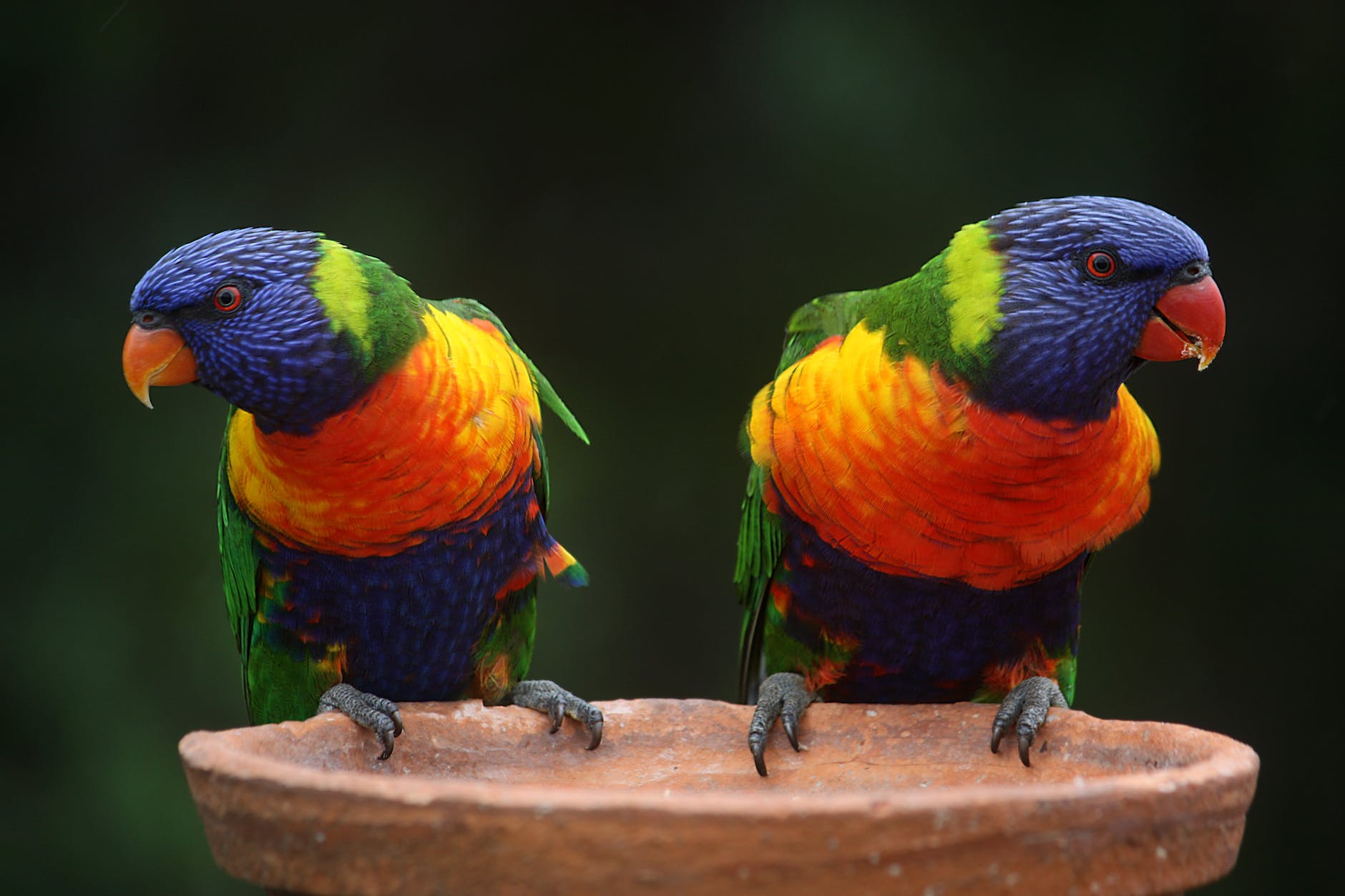
Watching the birds on NATIONAL BIRD DAY

Last Updated on June 28, 2024 by Daily News Staff
Nature lovers, bird lovers, and bird watchers across the country annually recognize National Bird Day on January 5th. It’s also one of several designated holidays celebrating birds.
#NationalBirdDay
Born Free USA emphasizes the importance of National Bird Day and lists it as a day to shine a spotlight on issues critical to the protection and survival of birds, both captive and wild.
According to Born Free USA, nearly 12 percent of the world’s almost 10,000 bird species are in danger of extinction.
HOW TO OBSERVE NATIONAL BIRD DAY
There are several ways to celebrate this day.
- Pick up a bird identification book. It will help you learn about species in your area and identify those frequenting your bird feeders.
- Enhance the attraction of your backyard. Add feeders, shelter, and more. Learn what birds in your area like to eat and watch them flock to your sanctuary.
- Donate to a bird sanctuary or aviary dedicated to improving the survival of endangered birds.
- While you’re learning about all the fantastic species, visit an aviary. Also, a botanical garden, zoo, or conservation area may offer close-up viewing of some of the more exotic species you’ve never seen before.
For more information visit: https://nationaldaycalendar.com/national-bird-day-january-5/
https://stmdailynews.com/category/lifestyle
Author


Last Updated on March 13, 2026 by Daily News Staff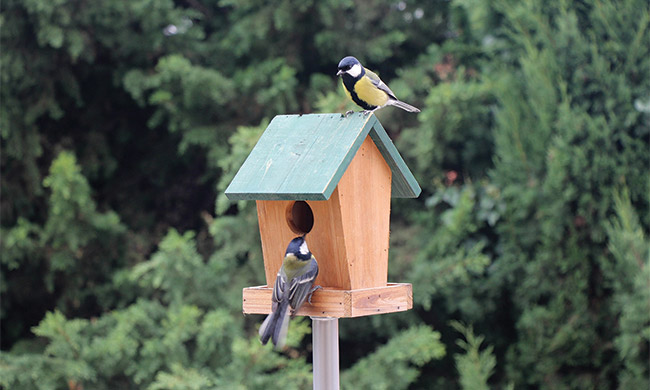
(Feature Impact) To add charm to your yard, encourage local wildlife and give you a front-row seat to nature, building a birdhouse is a simple weekend project that checks all of those boxes.
Building a Birdhouse
Seasoned DIYers and first-timers alike can follow this step-by-step guide to create a functional, welcoming birdhouse.
Step 1: Choose the Right Design
Start by deciding what type of birds you’d like to attract. Different birds prefer different house sizes and entrance types. A simple, classic birdhouse design makes the project beginner-friendly and works well for common backyard birds like wrens, chickadees and bluebirds. In general, plan for at least a 1-1 2/2-inch entrance hole, a 5-by-5-inch interior space and 2 inches or more of roof overhang.
Step 2: Gather Materials and Tools
Most DIY birdhouses can be built with basic materials and tools you may already have at home, including untreated cedar or pine wood, screws or nails, wood glue, sandpaper and exterior-safe paint as well as a measuring tape, pencil, saw and drill.
Step 3: Measure and Cut Wood
Measure and cut wood to make the front panel, back panel, two side panels, floor and roof. Then sand all edges for smooth assembly.
Step 4: Drill Holes
Using a hole-saw bit, drill the entrance hole into the front panel. Position it a few inches below the roofline to keep predators out. Next, drill 2-3 small drainage holes in the floor piece to prevent water buildup and help keep the birdhouse dry.
Step 5: Assemble the Birdhouse
Attach the side panels to the back panel using screws or nails. Add the front panel then secure the floor piece, slightly recessed, so rainwater can drain. Attach the roof last, making sure it slopes slightly to allow water to run off.
Step 6: Paint the Exterior
If you plan to paint your birdhouse, stick to neutral, nature-inspired colors. Light browns, soft greens or white help regulate temperature and blend into the environment.
Step 7: Mount Your Birdhouse
Once dry, place your birdhouse in a quiet, sheltered spot away from heavy foot traffic. Mount or hang it 5-10 feet off the ground, facing away from prevailing winds.
Visit eLivingtoday.com for more DIY project inspiration.
Photo courtesy of Shutterstock
SOURCE:

Our Lifestyle section on STM Daily News is a hub of inspiration and practical information, offering a range of articles that touch on various aspects of daily life. From tips on family finances to guides for maintaining health and wellness, we strive to empower our readers with knowledge and resources to enhance their lifestyles. Whether you’re seeking outdoor activity ideas, fashion trends, or travel recommendations, our lifestyle section has got you covered. Visit us today at https://stmdailynews.com/category/lifestyle/ and embark on a journey of discovery and self-improvement.
home gardening
Start Planning Now for a Thriving Spring Garden
Winter offers an ideal time to plan for a successful spring garden. Assess your current space, research planting ideas, and design an efficient layout. Enhance soil health with compost, start seeds indoors for stronger plants, and organize tools to ensure readiness for the growing season. Prepare now for a thriving garden.

Last Updated on March 11, 2026 by Daily News Staff
Start Planning Now for a Thriving Spring Garden
(Family Features) While winter weather puts outdoor gardening on pause in most parts of the country, the colder months offer a perfect opportunity to begin preparing for a lush garden come springtime.
With a little creativity, and some extra time spent creating a plan, you can set yourself on a path toward success before the growing season even begins.
Assess Your Space and Research Ideas
Evaluate your current garden, taking note of what worked well last season and where improvements can be made. Use this downtime to sketch an updated layout, research companion plants and decide which fruits, vegetables or flowers you want to grow next based on what did (or didn’t) work last spring.
Build an Updated Blueprint
Winter is the ideal time to upgrade your garden design and make tweaks for efficiency. Use the offseason to consider crop rotation patterns for optimal soil health as well as ways to maximize your space such as raised beds, trellises or containers. You can also make a list of materials needed for any new features you may be adding, such as an irrigation system, and map out their placement so you’re ready to build as soon as the weather allows.
Nourish the Soil
Even if the ground is frozen, you can prepare your garden beds by adding compost, leaves or organic matter in late winter, ensuring nutrients are available when spring arrives. Also remember to test your soil’s pH level now, which can help guide your fertilization plan.
Start Seeds Indoors
If you’re eager to get your hands dirty, consider starting your seeds indoors. Early seed starting gives plants a head start, allowing you to transplant stronger seedlings outdoors when temperatures warm.
Get Organized
Use the slower pace of winter to clean and sharpen your garden tools, sort through leftover seeds and make a supply checklist so you’re ready to dig in when warmer days arrive.
Find more advice to get your garden ready to burst to life in spring at eLivingtoday.com.
Photo courtesy of Shutterstock
SOURCE:
Science
After the Blood Moon: Scientists and Skywatchers React to the March 3, 2026 Total Lunar Eclipse
The March 3, 2026 total lunar eclipse amazed skywatchers worldwide. Scientists and amateur astronomers share reactions and photos from the dramatic blood moon event.
Last Updated on March 5, 2026 by Daily News Staff
Millions of people around the world looked to the sky in the early hours of March 3, 2026 to witness one of the most striking astronomical events of the year — a total lunar eclipse, often referred to as a “Blood Moon.” As the Moon passed completely into Earth’s shadow, it transformed from its familiar silver glow into a deep copper-red color, captivating observers from North America to Asia and across the Pacific.
Blood Moon Aftermath: Scientists and Skywatchers React to the March 3, 2026 Total Lunar Eclipse
For viewers in the western United States, including Arizona and California, the eclipse occurred just before sunrise. The timing created a dramatic scene as the reddish Moon hovered low in the western sky while the eastern horizon began to brighten with dawn.
A Global Skywatching Event
Total lunar eclipses occur when the Sun, Earth, and Moon align so that Earth’s shadow completely covers the Moon. During the March 3 event, the Moon spent nearly an hour fully inside the darkest part of Earth’s shadow, known as the umbra. During this phase, sunlight filtered through Earth’s atmosphere projected reddish light onto the Moon’s surface, creating the dramatic “blood moon” effect.
Astronomers noted that the event was particularly significant because total lunar eclipses are relatively infrequent. While partial eclipses occur more often, a full eclipse visible across large portions of the globe remains a memorable experience for both scientists and casual observers.
Scientists Explain the Phenomenon
According to researchers at NASA, the reddish color seen during totality occurs because Earth’s atmosphere scatters shorter wavelengths of sunlight — such as blue — while allowing longer red wavelengths to pass through. This filtered light is then bent, or refracted, into Earth’s shadow and projected onto the Moon.
Planetary scientists say lunar eclipses provide a powerful visual demonstration of the geometry of the Earth–Moon–Sun system. The curved shadow moving across the Moon also historically served as one of the earliest pieces of evidence that Earth is spherical.
Researchers also point out that lunar eclipses offer opportunities to study Earth’s atmosphere. Variations in dust, volcanic particles, and atmospheric conditions can influence how dark or red the Moon appears during totality.
Amateur Astronomers Share Their Views
While professional observatories monitored the eclipse with precision instruments, amateur astronomers and astrophotographers helped document the event from countless locations worldwide. Social media platforms and astronomy forums quickly filled with images showing the Moon’s color shifting from pale gray to orange and deep red.
Many skywatchers in the southwestern United States described the experience as particularly dramatic because the eclipse occurred just before moonset. Observers reported seeing the Moon glowing red above desert landscapes and city skylines before gradually fading into the brightening morning sky.
Astrophotographers also emphasized that lunar eclipses are among the easiest astronomical events to capture. Unlike solar eclipses, they can be photographed safely without special filters, making them accessible to beginners using smartphones as well as professionals using telescopes and high-end cameras.
A Rare Pre-Dawn Sight
In parts of the western United States, some observers were able to witness a rare atmospheric phenomenon known as a selenelion, when both the eclipsed Moon and the rising Sun appear in the sky at the same time due to atmospheric refraction. The effect added an unusual visual element to an already impressive celestial event.
The combination of a deep red Moon and the approaching dawn created striking photographic opportunities and memorable moments for early-morning skywatchers.
When Is the Next Total Lunar Eclipse?
Although partial eclipses occur periodically, the next widely visible total lunar eclipse will not occur until late 2028. That makes the March 2026 eclipse one of the most notable skywatching events of the decade.
For many observers, the event served as a reminder that some of the most spectacular astronomical experiences require nothing more than stepping outside, looking up, and taking a moment to appreciate the universe above.
References and Further Reading
- NASA – Lunar Eclipse Science Overview
- Time and Date – March 3, 2026 Total Lunar Eclipse Details
- Sky & Telescope – Astronomy News and Observing Guides
- Space.com – Guide to Lunar Eclipses
- STM Daily News – Science Coverage





